Bedroom Texting Etiquette

Your phone has probably become an extension of your hand—but when it follows you into the bedroom, it can create unexpected friction in your relationship. Understanding how to navigate digital communication in intimate spaces has become essential for modern couples. Whether you're looking to build anticipation throughout the day or simply want to stop your partner from feeling second to your screen, mastering bedroom texting etiquette can transform your connection. And when you're ready to be fully present, BlueChew offers solutions that help you stay focused on what matters most—your partner.
The rules around phones and intimacy aren't always obvious. What feels natural to one person might feel dismissive to another. The good news? With clear communication and a few smart boundaries, you can use technology to enhance your intimate life rather than disrupt it.
Key Takeaways
- Phone use before acknowledging your partner in bed is one of the most common relationship complaints—consider creating device-free zones
- Consent for intimate texts (including sexting) must be explicit and ongoing; previous agreement doesn't obligate future participation
- Post-intimacy communication matters: reaching out within 24 hours after first-time encounters significantly impacts relationship satisfaction
- Some research suggests that texting frequency and communication style can influence how connected partners feel
- Prioritizing in-person connection over screens creates space for spontaneous intimacy and deeper emotional bonds

Setting Personal Boundaries for a Distraction-Free Zone
The bedroom serves two critical functions: sleep and intimacy. When phones enter this space, they compete for attention that should belong to your partner and your rest. Research on "phubbing"—the act of snubbing someone in favor of your phone—reveals that checking devices before acknowledging your partner is one of the most frequent relationship complaints.
Establishing Screen-Time Rules Together
Creating boundaries works best when both partners participate in setting them. A unilateral "no phones in bed" rule can feel controlling, while a mutually agreed-upon policy feels collaborative.
Practical approaches to try:
- Designate a charging station outside the bedroom
- Agree on a specific time when phones get put away (30 minutes before bed, for example)
- Use "do not disturb" settings during intimate hours
- Allow exceptions for emergencies, but define what qualifies
The goal isn't to ban technology entirely—it's to ensure that when you're together in your most intimate space, you're actually together.
Communicating Your Needs Effectively
If your partner's phone habits bother you, bringing it up requires some finesse. Accusations rarely work well. Instead of "You're always on your phone," try "I feel more connected when we have device-free time together."
As noted in The Guardian, checking your phone can be an involuntary reaction—but the solution is physical separation. Move the phone to another room. When it vibrates across the house, you're less tempted to look.
Navigating Relationship Communication in the Digital Age
Texting lacks the vocal tone, facial expressions, and body language that help us interpret meaning. This absence of nonverbal cues makes intimate conversations particularly vulnerable to misunderstanding.
Choosing the Right Communication Channel
Not every conversation belongs in a text thread. Emotionally significant conversations—including discussions about health concerns, relationship changes, or vulnerable topics—deserve voice or face-to-face communication.
Best for texting:
- Quick check-ins and "thinking of you" messages
- Logistical coordination
- Light flirtation and playfulness
- Building anticipation for later
Better for in-person or voice:
- Discussing health concerns (including sexual health)
- Addressing relationship issues
- Processing emotional topics
- Conversations requiring nuance
When you're considering discussing something important—like managing ED or exploring treatment options—a text can serve as a bridge ("I'd love to talk about something with you tonight"), but the real conversation should happen face-to-face.
Deciphering Tone in Text Messages
Without vocal cues, a simple "fine" can read as genuine, passive-aggressive, or dismissive depending on the reader's mood. Strategic emoji use can help convey tone, but they're not foolproof.
When in doubt, assume good intent. If a message seems off, ask for clarification rather than building a story in your head about what your partner "really meant."
Digital Etiquette: When to Text, When to Talk
Timing matters in intimate communication. Research shows that the appropriateness of intimate texting varies significantly based on relationship stage and context.
The Art of Timely Responses
Response expectations differ between partners. Understanding your partner's communication needs helps prevent unnecessary anxiety. If you know you'll be unavailable, a quick heads-up prevents misunderstandings.
That said, constant immediate responses can create unsustainable patterns. The goal is balance—staying engaged without burning out.
Post-intimacy communication timing deserves special attention. After first-time sexual encounters, reaching out within 24 hours is essential. Silence can be interpreted as having been used solely for physical gratification—creating lasting relationship damage even when that wasn't the intent.
Avoiding Assumptions in Text-Based Chats
Text conversations move quickly, and it's easy to make assumptions about what your partner knows, feels, or wants. Before sending anything intimate or making plans that involve physical intimacy, check in explicitly.
This is especially important for sexting. Consent must be obtained each time—previous agreement doesn't obligate future participation. A simple "I'm in the mood to send something flirty—are you up for that?" respects boundaries while opening the door.
Enhancing Intimacy: Texting Beyond Practicalities
When used thoughtfully, texting becomes a powerful tool for building connection between encounters. The most satisfying intimate relationships don't just happen in the bedroom—they're cultivated throughout the day.
Using Texts to Build Desire
Anticipation is its own form of foreplay. A well-timed message can create excitement hours before you see each other.
Ideas for connection-building texts:
- Reference a specific memory you shared
- Express genuine appreciation (specific compliments hit harder than generic ones)
- Share something that reminded you of them
- Build anticipation for plans you're making
Some research suggests that regular “checking in” texts can help certain partners feel more connected. Simple "thinking of you" messages throughout the day build a sense of connection that enhances intimacy when you're finally together.
Crafting Meaningful Messages
Couples in committed relationships report positive outcomes from sexting—but context matters. What works in an established relationship can backfire in early dating stages.
When you're ready to take things further, products like GOLD—which includes oxytocin to support emotional connection alongside physical performance—can help bridge the anticipation you've built through texts with the in-person experience you're both looking forward to.

Avoiding Midnight Scrolling: The Impact on Sleep Hygiene
Your phone doesn't just disrupt intimacy—it disrupts sleep. And poor sleep affects everything from mood to sexual performance.
Creating a Pre-Sleep Wind-Down Routine
Blue light from screens suppresses melatonin production, making it harder to fall asleep and reducing sleep quality. But beyond the biology, the habit of scrolling keeps your mind active when it should be winding down.
Building better bedtime habits:
- Set a "screens off" time 30-60 minutes before sleep
- Replace scrolling with other wind-down activities
- Keep phones charging outside the bedroom
- Use physical alarm clocks instead of phone alarms
When your phone is out of reach, you're more available—for conversation, for connection, and for intimacy.
Respecting Privacy: Discreet Messaging and Shared Devices
Privacy in intimate communication protects vulnerability. Whether you're discussing personal health, sharing something flirtatious, or simply having a private conversation, both partners deserve to feel secure.
Openly Discussing Privacy Expectations
Every couple needs to navigate questions around phone access. Some share passwords freely; others maintain individual privacy. Neither approach is wrong—but mismatched expectations create conflict.
Have explicit conversations about:
- Whether you share device passwords
- How you handle messages that include sensitive content
- Expectations around privacy in shared spaces
- How to discuss sensitive topics (like sexual health treatments) discreetly
This matters especially when discussing personal health. BlueChew understands the importance of discretion—products arrive in unmarked kraft mailers with no logos or identifying marks, and single-dose sachets resemble everyday items. The same consideration you'd want in your personal deliveries applies to your digital communications.
Consent and Intimate Content
Unwanted intimate communication creates serious concerns that many people underestimate. Before sending anything intimate, get explicit consent—every single time. Remember that consent can be withdrawn at any point, and respect "not now" as a complete answer. Consider how you'd feel if the content were seen by others.
When Texts Go Wrong: Resolving Misunderstandings
Even with the best intentions, text-based miscommunication happens. How you handle it determines whether a misunderstanding becomes a minor hiccup or a major conflict.
Recognizing Red Flags in Text Exchanges
Warning signs that a conversation needs to move off text:
- Multiple back-and-forth messages without resolution
- Increasing emotional intensity
- Responses getting shorter and shorter
- Long delays between messages during an active discussion
- The urge to re-read messages looking for hidden meaning
When you notice these patterns, pause. "This feels important—can we talk about it in person?" saves hours of escalating text conflict.
Strategies for Repairing Communication
If a text went wrong:
- Acknowledge quickly. Don't let misunderstandings fester.
- Move to voice or in-person. Text is rarely the right medium for repair.
- Lead with curiosity. "Help me understand how that landed for you."
- Take responsibility. Even if your intent was good, impact matters.
The same repair skills that work for text misunderstandings apply to conversations about sensitive topics—including discussions about sexual health and performance.

Beyond the Screen: Reconnecting with Your Partner in Person
All the texting etiquette in the world matters less than what happens when you're actually together. The ultimate goal of good digital communication is to enhance, not replace, in-person connection.
Prioritizing Real-Life Interactions
Put the phone down. Make eye contact. Be present.
Research consistently shows that device-free time together correlates with higher relationship satisfaction and better intimate experiences. When you're not wondering what notification just buzzed, you can focus entirely on your partner.
Designing 'No-Phone' Dates
Intentional device-free time creates space for spontaneity. Plan evenings where phones stay in another room—or another building entirely.
This is where treatments like TAD can fit naturally into the experience. With effects lasting up to 36 hours, you’re not checking the clock or planning every moment around medication timing. You can stay focused on the connection and feel more prepared when the moment feels right. If you’re looking for a sublingual option with a different experience, you can also learn more about how quickly BlueChew GOLD works.
Why BlueChew Supports Better Intimate Connection
Good bedroom etiquette isn't just about phones—it's about being fully present with your partner. When performance concerns live in the back of your mind, it's harder to focus on connection. BlueChew helps remove that distraction.
BlueChew provides compounded medications containing the active ingredients sildenafil, vardenafil, and tadalafil. Sildenafil, vardenafil, and tadalafil are the active ingredients in Viagra, Levitra, and Cialis, respectively. What makes BlueChew different is the delivery format and the approach.
BlueChew's product lineup:
SIL, VAR, TAD, MAX, VMAX, and GOLD are available as sublingual tablets.
- SIL: 45 mg sildenafil, from $2.95/tablet, works in 15 minutes, lasting up to 6 hours
- TAD: 9 mg tadalafil, from $3.58/tablet, effective within 15 minutes, lasting up to 36 hours
- VAR: 8 mg vardenafil, from $4.34/tablet, takes effect in 15 minutes, lasting up to 6 hours
- DailyTAD: 9 mg tadalafil plus 7 essential vitamins, $2.23/tablet, lasting up to 36 hours
- MAX: 45 mg sildenafil + 18 mg tadalafil combo, $5.63/tablet, lasting up to 36 hours
- VMAX: 14 mg vardenafil + 18 mg tadalafil combo, $5.63/tablet, lasting up to 36 hours
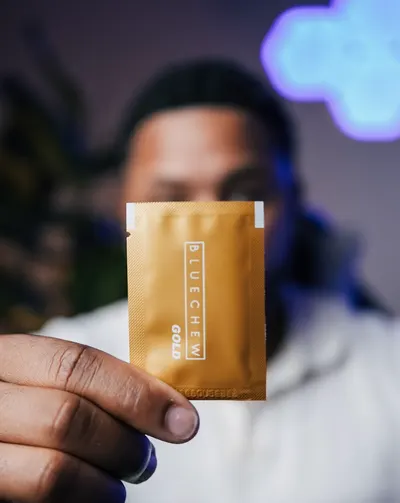
- GOLD: sildenafil, tadalafil, oxytocin, and apomorphine sublingual tablet, from $7.30/tablet, lasting up to 36 hours
The sublingual format offers convenience and discretion. Products arrive in unmarked packaging, and managing your account is entirely online, so you can handle your health privately.
When you're confident in your body's response, you can put your phone away, be present with your partner, and focus on what brought you to the bedroom in the first place: connection.

Frequently Asked Questions
Is it ever okay to text during sex?
Generally, no—using your phone during intimate moments represents a fundamental breach of intimacy etiquette. The exception would be if both partners have explicitly agreed that some form of phone use is part of your shared activity. Absent that explicit agreement, phones should be in another room.
How can I tell my partner their texting habits bother me without causing an argument?
Focus on your experience rather than their behavior. "I feel more connected when we have screen-free time" lands better than "You're always on your phone." Choose a calm moment (not right after a frustrating incident) and frame it as wanting to build something positive together rather than criticizing what's happening now.
Should we have a rule about no phones in bed?
Research supports keeping phones out of the bedroom for both intimacy and sleep quality. But the rule works best when both partners create it together. Discuss what you each need—maybe phones are okay for the first 15 minutes but then get put away. The specific rule matters less than the mutual agreement.
What are some ways to use texting to improve our intimacy?
Simple "thinking of you" messages throughout the day build connection. Reference specific shared memories, express genuine appreciation, and build anticipation for time together. In committed relationships, flirtatious texting can create excitement hours before you're actually together—making the eventual in-person connection even better.
Can excessive texting negatively impact sleep?
Yes. Blue light from screens suppresses melatonin, making it harder to fall and stay asleep. Beyond the biological effects, scrolling keeps your mind active when it should be winding down. Poor sleep then affects everything from mood to energy to sexual function—creating a cycle that undermines the intimacy you're trying to build.
This article is provided for informational purposes only and does not constitute medical advice. The information presented is not a substitute for professional medical advice, diagnosis, or treatment. Always consult your healthcare provider to discuss the risks, benefits, and appropriateness of any treatment.
BlueChew offers access to healthcare providers who may prescribe compounded medications for the treatment of erectile dysfunction.
The featured products include compounded medications that have not been approved by the FDA. Compounded medications may be prescribed under federal law but are not the same as, nor are they generic versions of, any FDA-approved medication. The FDA does not review compounded medications for safety, effectiveness, or manufacturing quality of compounded products. A prescription will only be written if deemed appropriate after the digital consultation by the licensed medical provider. Individual results may vary.
BlueChew is not a compounding pharmacy but a telemedicine service that links patients to licensed medical providers.
Other Helpful Articles