ED After a Long Dry Spell: What to Expect Your First Time Back

Getting back into intimacy after a long break can feel exciting, but it can also feel unfamiliar. Whether the pause came from a breakup, divorce, stress, health issues, travel, grief, work demands, or simply not dating for a while, your first time back may come with more pressure than expected.
If your body does not respond the way you hoped, it does not mean your sex life is broken. Erectile difficulties after a dry spell can be connected to nerves, self-monitoring, confidence changes, alcohol, medications, sleep, cardiovascular health, or the pressure of being intimate again after time away.
A long dry spell does not automatically cause erectile dysfunction. But a return to sex can make existing stress, anxiety, or physical factors more noticeable. Research on intercourse frequency study in older men found that lower intercourse frequency was associated with higher ED incidence over time, although the findings should not be treated as proof that abstinence directly causes ED in every man.
Key Takeaways
- ED after a long dry spell can be related to nerves, stress, unfamiliar intimacy, health factors, medication effects, or lifestyle changes.
- A dry spell does not necessarily damage erectile function, but returning to sex can make performance anxiety more noticeable.
- Erections depend on blood flow, nerve signaling, arousal, smooth muscle relaxation, and psychological readiness.
- Lifestyle habits may support erectile health, but persistent ED should be discussed with a healthcare provider.
- BlueChew offers compounded sublingual medications for eligible patients after an online provider review.

Why ED Can Happen After a Long Break From Sex
A long gap without sex can change how intimacy feels. You may be excited, but also nervous. You may wonder whether your body will respond, whether your partner will judge you, or whether you still feel as confident as you used to.
That pressure alone can make arousal harder to access. Erections are not just a mechanical reaction. They depend on the body and brain working together.
The Body May Need Time to Re-Adjust
When you have not been sexually active for a while, the first encounter back can feel less automatic. That does not mean something is permanently wrong. It may mean you are dealing with a mix of mental and physical variables that need time and attention.
Erectile function depends on healthy blood vessel relaxation and adequate blood flow to erectile tissue. Research on penile oxygen saturation has explored how oxygenation differs between flaccid and erect states, supporting the broader point that erections involve vascular and tissue-level changes.
This does not mean a dry spell causes tissue damage. It does mean erection quality can be influenced by vascular health, arousal, and how often the body moves through the erection process.
The Mind May Add Pressure
The first time back can feel like a test. You may compare yourself to your past performance or worry about what your partner expects. Once that self-monitoring starts, it can interrupt arousal.
A psychosocial ED review describes how psychological, partner-related, and social factors can shape erectile difficulties. This is especially relevant after a period without intimacy because confidence and comfort may take time to rebuild.
Common thoughts can include:
- What if I cannot get hard?
- What if this happens again?
- What if my partner thinks I am not attracted to them?
- What if I have lost confidence?
- What if this means something serious?
Those thoughts can make the moment feel more like a performance review than intimacy.
What Your First Time Back Might Feel Like
There is no single “normal” first time back after a dry spell. Some men feel fine right away. Others notice that desire, arousal, or erection quality feels less predictable.
You may notice:
- More nerves than expected
- Lower desire at first
- Difficulty staying present
- Erections that come and go
- More sensitivity to alcohol, fatigue, or stress
- A stronger need for reassurance
- Pressure to “prove” that everything still works
These experiences can be frustrating, but they are not unusual. One difficult encounter does not predict the future.
Why One ED Episode Can Turn Into a Pattern
One ED episode can create worry about the next one. That worry may increase stress during future intimacy, which may make erections harder to maintain. This feedback loop can be more powerful than the original issue.
A systematic review on anxiety disorders and ED found that men with anxiety disorders have a higher risk of erectile dysfunction. While that does not mean every case of dry-spell ED is anxiety-related, it supports the idea that anxiety can be relevant to erection problems.
The goal is to interrupt the cycle early. Instead of treating the first difficult moment as failure, treat it as information.
How to Reduce Pressure Before Intimacy
The best preparation is not overplanning every detail. It is creating conditions that help your body and mind feel less watched.
Set Realistic Expectations
The first time back does not need to be perfect. You may need more time, more comfort, or more communication than expected.
A healthier expectation is:
“This may take a little time, and that is okay.”
That mindset can reduce the pressure that makes arousal harder.
Talk Before the Moment Feels Tense
You do not have to give a long explanation. A simple, honest comment can help lower expectations in a good way.
You might say:
“I’m excited to be close to you, but it has been a while, so I may be a little in my head at first.”
That gives your partner context and keeps the moment from becoming silent or stressful if your body needs more time.
Slow Down the Goal
If intercourse becomes the only goal, pressure can build quickly. Kissing, touching, massage, oral sex, cuddling, and slower intimacy can all help rebuild comfort without making erection quality the only measure of success.
Sex after a dry spell can be a process of reconnecting with your body. It does not need to be a pass-or-fail event.
Lifestyle Habits That May Support Erectile Health
Lifestyle changes are not instant ED fixes, but they may support the systems involved in sexual function over time.
Move Regularly
Physical activity may support erectile function by improving cardiovascular health, metabolic health, and vascular function. A large cross-sectional physical activity study found an association between physical activity levels and erectile dysfunction in a large group of Brazilian men.
Helpful options can include:
- Brisk walking
- Cycling
- Swimming
- Jogging
- Strength training
- Recreational sports
The best plan is the one you can repeat. Consistency matters more than intensity.
Watch Alcohol Before Sex
Alcohol may reduce nerves in the short term, but too much can make erections less reliable. If you are already nervous about your first time back, heavy drinking can add another barrier.
Moderation may help you stay more present and responsive.
Quit or Reduce Smoking
Smoking can affect vascular health, which matters for erections. Research on smoking cessation study examined sexual health measures in men who were trying to stop smoking and supports the broader connection between smoking status and sexual function.
Quitting can be difficult, so medical support may be useful. Even reducing exposure may be a step toward better long-term health.
Eat for Overall Health
No drink, supplement, or food should be treated as a guaranteed ED treatment. Still, eating patterns that support cardiovascular and metabolic health may also support sexual wellness.
A randomized trial on Mediterranean diet effects found improvements in sexual function and semen quality measures among infertile men, while also noting that more research is needed.
A practical approach may include:
- More fruits and vegetables
- Whole grains
- Fish or lean proteins
- Nuts, seeds, and legumes
- Olive oil and other healthy fats
- Less heavy alcohol
- Less highly processed food
Diet can support the foundation, but it should not replace medical evaluation when ED persists.
When to Consider ED Treatment
If ED happens once after a dry spell, you may not need to do anything except slow down, communicate, and try again without pressure. But if the issue continues or starts affecting confidence, it may be time to speak with a licensed provider.
Consider care if ED:
- Persists for more than a few weeks
- Happens in multiple situations
- Causes distress or dating avoidance
- Appears suddenly or feels severe
- Comes with chest pain or shortness of breath
- Comes with urinary symptoms
- Comes with low libido, fatigue, or mood changes
- Occurs after starting a new medication
A provider can help determine whether the issue is more likely related to stress, medication effects, cardiovascular health, hormone concerns, or another factor.
How ED Medication Fits
PDE5 inhibitors are commonly used in ED care. Sildenafil, tadalafil, and vardenafil are active ingredients in Viagra, Cialis, and Levitra, respectively.
A sildenafil systematic review summarized evidence from randomized controlled trials on sildenafil for male erectile dysfunction. More recent clinical guidance also emphasizes that ED treatment should be individualized based on health history, preferences, partner factors, and treatment goals.
These medications do not create desire on their own. They are intended to support the body’s erectile response when sexual arousal is present.
Telemedicine Can Make the First Step Easier
Some men delay ED care because the conversation feels uncomfortable. A telemedicine visit may feel more manageable because it allows you to start privately from home.
A study on telemedicine satisfaction in an andrology clinic found high satisfaction among many patients who used telemedicine services. That does not mean telemedicine is right for every case, but it can reduce practical barriers for some men.
Online care can be especially useful when you want to ask questions, review medical history, and understand whether prescription treatment may be appropriate without starting with an in-person visit.
How BlueChew Can Fit Into a Return-to-Intimacy Plan
After a dry spell, the goal is not to make sex feel clinical. The goal is to reduce unnecessary barriers so intimacy feels less stressful.
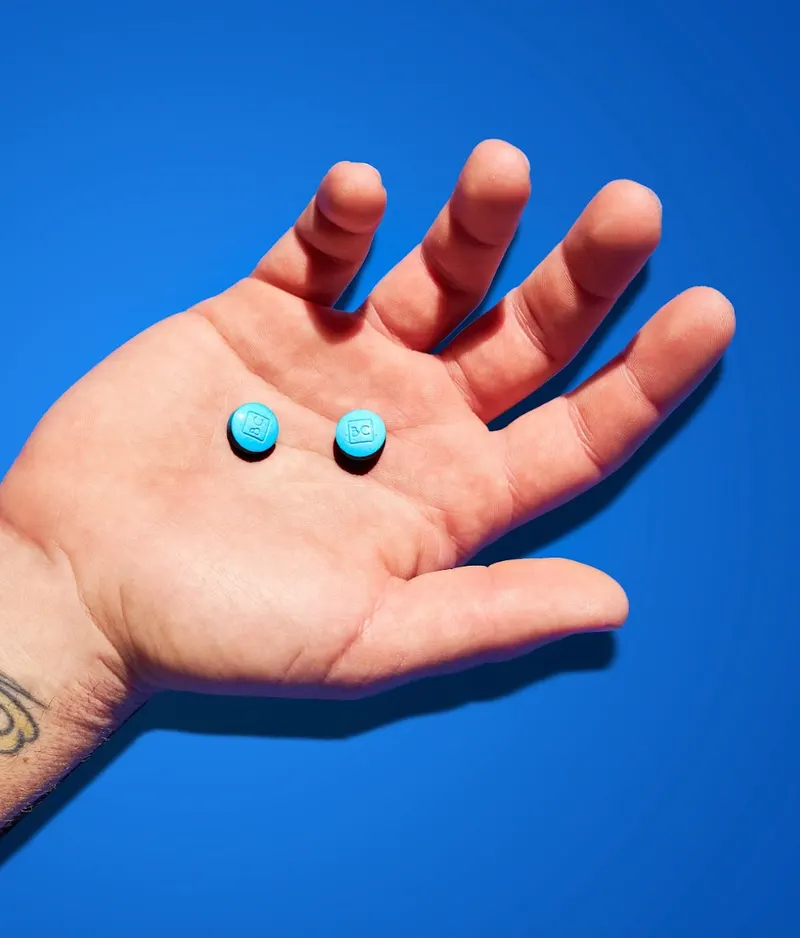
BlueChew offers prescription compounded medications for erectile dysfunction and sexual performance enhancement after an online provider review. For eligible patients, this can be part of a broader plan that also includes communication, realistic expectations, health habits, and medical guidance when needed.
Two New-Customer Options to Discuss With a Provider
New customers can choose from MAX or GOLD only.
- MAX may be worth discussing if you are looking for a sublingual tablet that combines sildenafil and tadalafil. Because tadalafil is associated with a longer duration window, MAX may support flexibility around timing for eligible patients.
- GOLD may be worth discussing for people dealing with SSRI-related sexual side effects or arousal-related concerns because it includes ingredients that may support both blood-flow and arousal-related pathways. You can also review the BlueChew GOLD overview for more product-specific information.
Neither option should be viewed as a guarantee. A licensed provider should review your health history, medications, and risk factors before treatment is prescribed.
BlueChew Product Lineup
- SIL: 30 mg or 45 mg sildenafil, from $2.95/tablet, works in 15 minutes, lasting up to 6 hours
- TAD: 6 mg or 9 mg tadalafil, from $3.58/tablet, effective within 15 minutes, lasting up to 36 hours
- VAR: 8 mg vardenafil, from $4.34/tablet, takes effect in 15 minutes, lasting up to 6 hours
- DailyTAD: 9 mg tadalafil plus 7 essential vitamins, $2.23/tablet, lasting up to 36 hours
- MAX: 45 mg sildenafil + 18 mg tadalafil combo, $5.63/tablet, lasting up to 36 hours
- VMAX: 14 mg vardenafil + 18 mg tadalafil combo, $5.63/tablet, lasting up to 36 hours
- GOLD: sildenafil, tadalafil, oxytocin, and apomorphine sublingual tablet, from $7.30/tablet, lasting up to 36 hours
To learn more about the platform, review how BlueChew works or learn how to manage your BlueChew account.
Frequently Asked Questions
Can a long dry spell cause ED?
A long dry spell does not automatically cause ED. However, returning to intimacy after time away can bring nerves, pressure, or self-monitoring that may make erections feel less predictable. Health, sleep, alcohol, medications, and stress can also play a role.
Is it normal to feel nervous the first time back?
Yes. Feeling nervous after a long break from sex is common. The situation may feel unfamiliar, even if you are attracted to your partner. Slowing down, communicating, and focusing on connection instead of performance may help reduce pressure.
What should I do if ED happens during the first encounter?
Pause and avoid treating the moment as a failure. Shift to kissing, touching, or other forms of intimacy that feel lower pressure. If ED continues over several encounters or causes distress, consider speaking with a healthcare provider.
When should I consider ED treatment after a dry spell?
Consider discussing treatment with a licensed provider if ED persists, affects confidence, or causes you to avoid intimacy. A provider can review your health history, current medications, and risk factors to determine whether prescription treatment may be appropriate.
Can BlueChew be an option after a long dry spell?
BlueChew may be an option for eligible patients who want to discuss prescription ED treatment with a licensed provider. BlueChew offers compounded sublingual medications after an online provider review. The right option depends on your health history, current medications, and provider approval.
This article is provided for informational purposes only and does not constitute medical advice. The information presented is not a substitute for professional medical advice, diagnosis, or treatment. Always consult your healthcare provider to discuss the risks, benefits, and appropriateness of any treatment.
BlueChew offers access to healthcare providers who may prescribe compounded medications for the treatment of erectile dysfunction.
The featured products include compounded medications that have not been approved by the FDA. Compounded medications may be prescribed under federal law but are not the same as, nor are they generic versions of, any FDA-approved medication. The FDA does not review compounded medications for safety, effectiveness, or manufacturing quality of compounded products. A prescription will only be written if deemed appropriate after the digital consultation by the licensed medical provider. Individual results may vary.
BlueChew is not a compounding pharmacy but a telemedicine service that links patients to licensed medical providers.
Other Helpful Articles