Key Takeaways
Key Takeaways
SEX9 minute read
Green Flags vs Red Flags When Exploring New Sex Ideas

Trying something new in the bedroom can be one of the most exciting parts of a relationship—but it can also feel like navigating uncharted territory. Whether you're considering a new position, introducing toys, or exploring fantasies together, knowing the difference between healthy exploration and problematic dynamics is essential for both partners' wellbeing and satisfaction. The couples who thrive in sexual exploration aren't necessarily the most adventurous—they're the ones who've mastered the art of communication and reading signals.
Research consistently shows a strong positive correlation between sexual communication and satisfaction—couples who openly discuss desires and boundaries report significantly higher relationship satisfaction. Understanding the green flags that signal healthy dynamics and the red flags that warn of potential harm can transform your intimate life from uncertain to deeply connected.
Key Takeaways
- Green flags include enthusiastic consent, ongoing check-ins, and immediate respect when boundaries are expressed
- Red flags involve pressure, guilt-tripping, ignoring "no," or continuing despite hesitation
- Consent is an ongoing conversation, not a one-time checkbox—it can be withdrawn at any point
- Clear boundaries actually deepen intimacy by creating emotional safety for vulnerability
- When performance concerns are addressed, partners can focus entirely on connection and communication

Understanding Nonverbal Cues: Reading Your Partner's Signals
Before words are exchanged, bodies communicate volumes. Learning to read nonverbal cues is foundational to healthy sexual exploration—and it's a skill that improves with intentional practice.
Signs of Enthusiasm vs. Hesitation
Enthusiastic participation looks unmistakable: leaning in, reciprocating touch, relaxed facial expressions, and sounds of pleasure. Hesitation, however, can be subtle—and missing these signals is where many well-intentioned partners go wrong.
Green flag nonverbal cues:
- Active participation and reciprocation
- Relaxed body posture and facial muscles
- Moving toward you rather than pulling away
- Natural sounds of enjoyment
- Eye contact that feels connected, not frozen
Red flag nonverbal cues:
- Body tension or rigidity
- Pulling away or creating physical distance
- Frozen or blank facial expressions
- Silence when they're usually vocal
- Looking away or appearing distracted
Research confirms that people often freeze or go silent when uncomfortable, especially if they've experienced past trauma. This "freeze response" can be misinterpreted as consent when it's actually a stress reaction. Always err on the side of checking in verbally when nonverbal cues seem ambiguous.
The Power of Active Observation
Staying attuned to your partner requires presence—which means your mind needs to be in the moment, not somewhere else. When you're distracted by performance worries or racing thoughts, you miss crucial information your partner is communicating through their body.
The best lovers aren't mind readers; they're careful observers who create space for honest feedback. A simple "How does that feel?" or "Do you want more of that?" invites your partner to participate in directing the experience.
 Reviewed by a licensed provider
 Green Flags of Open Communication: Building Trust Through Dialogue
The strongest indicator of healthy sexual exploration is what happens before, during, and after intimate moments—the conversations that create safety for both partners.
Pre-Communication: Setting the Stage
Discussing new ideas outside the bedroom removes pressure and allows both partners to think clearly. This isn't about killing spontaneity—it's about creating the safety that makes genuine spontaneity possible.
Healthy pre-communication includes:
- Sharing fantasies or curiosities without expectation
- Discussing boundaries and hard limits clearly
- Establishing safe words for more adventurous exploration
- Agreeing on how to signal comfort or discomfort
- Talking about concerns or past experiences that might affect comfort
A partner who actively participates in these conversations—asking questions, sharing their own boundaries, expressing genuine interest in your comfort—is demonstrating a major green flag.
During-Activity Check-Ins
Consent is ongoing, not a one-time agreement. Checking in during sexual activity isn't a mood killer—it's actually one of the most intimate things you can do. It communicates: "Your experience matters to me."
Natural check-in phrases:
- "Is this still feeling good?"
- "Do you want me to keep going?"
- "Tell me what you need"
- "Should we slow down or try something different?"
Partners who check in naturally, adjust based on feedback, and treat your comfort as a priority are showing you exactly how they'll handle your vulnerability.
Post-Activity Debriefs
What happens after trying something new matters enormously. Green flag partners want to know how you experienced it—not just whether they "performed well."
Healthy post-exploration conversations:
- "What worked for you? What didn't?"
- "Would you want to try that again?"
- "Is there anything you'd change?"
- "How are you feeling emotionall
These conversations build trust over time, creating a foundation where both partners feel safe being honest about their experiences.
Recognizing Red Flags: When Boundaries Are Ignored
Understanding red flags isn't about assuming the worst in partners—it's about protecting yourself and recognizing dynamics that undermine healthy intimacy.
Pressure and Coercion Tactics
The line between expressing desire and applying pressure can feel blurry, but there's a clear distinction: healthy partners accept "no" without negative consequences.
Red flag behaviors include:
- Repeatedly asking after receiving "no" or "not tonight"
- Using guilt ("If you really loved me, you would...")
- Threatening consequences (silent treatment, withholding affection)
- Dismissing concerns as "not a big deal"
- Continuing to push despite visible discomfort
Sexual coercion isn't always dramatic—it can look like persistent badgering, emotional manipulation, or making someone feel obligated. Any of these patterns should be taken seriously.
Ignoring the "No"
A "no" doesn't require explanation, justification, or negotiation. Red flag partners treat boundaries as obstacles to overcome rather than information to respect.
Warning signs around boundaries:
- Asking "why not?" after you've declined
- Pouting or withdrawing affection after rejection
- Bringing up the same request repeatedly
- Acting as if your boundaries are temporary hurdles
- Making you feel guilty for having limits
Green flag partners, by contrast, respond to "no" with acceptance—maybe even appreciation that you're being honest with them.
Green Flags for Sexual Compatibility: Mutual Desire in Action
When both partners genuinely want to explore together, the dynamic feels collaborative rather than transactional. This mutual enthusiasm is the gold standard for healthy sexual exploration.
Enthusiastic Consent: More Than Just "Yes"
True consent isn't the absence of "no"—it's the presence of an engaged, enthusiastic "yes." Both partners should be excited participants, not reluctant accommodators.
Signs of mutual desire:
- Both partners initiate conversations about new ideas
- Excitement is visible in body language and verbal responses
- Willingness to take turns suggesting and trying new things
- Shared laughter and playfulness during exploration
- Mutual interest in each other's pleasure
Research indicates that emotional and sexual intimacy are deeply interconnected—neither thrives without the other in long-term relationships. When emotional connection is strong, sexual exploration feels like a natural extension of your bond.
Creating Space for Genuine Spontaneity
Paradoxically, the couples who communicate most clearly about boundaries often report the most spontaneous, exciting sex lives. When you trust that your partner will respect your limits, you can relax into the experience fully.
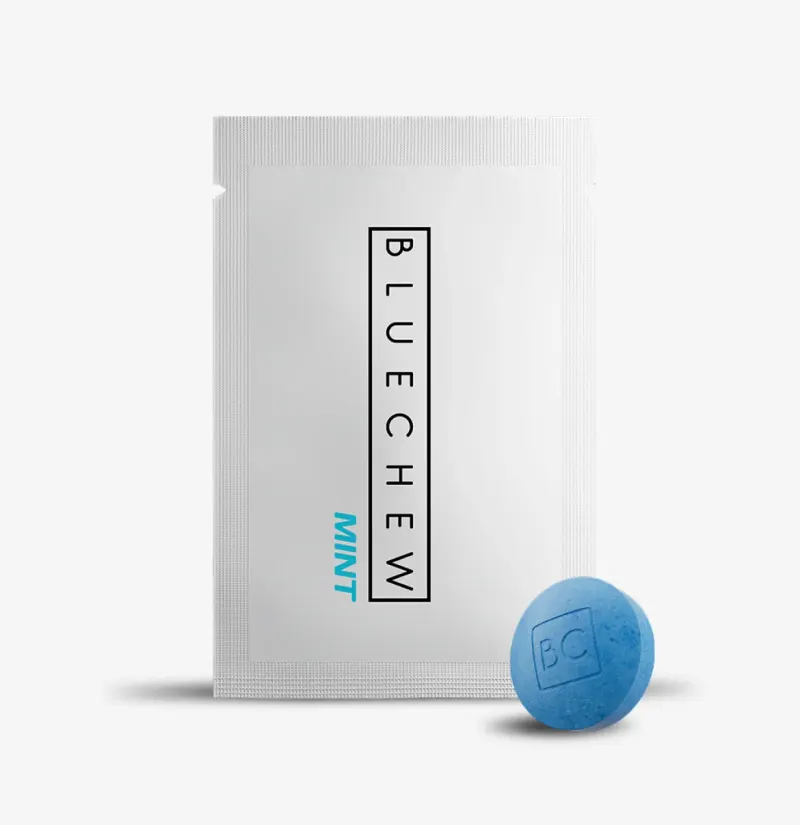
For partners who want that spontaneity without physical concerns getting in the way, BlueChew GOLD—a sublingual tablet that combines sildenafil, tadalafil, oxytocin, and apomorphine—is designed to support sexual performance for eligible men through a unique, multi-ingredient approach. And when performance worries are better managed, it can be easier to stay present and focus on connection and communication.
Navigating Healthy Exploration: Practical Steps for Couples
Moving from understanding green and red flags to actually implementing healthy exploration takes practical strategies both partners can use.
The Check-In Method
Develop a simple system for communicating comfort levels during exploration:
Before trying something new:
- Discuss the idea outside the bedroom
- Share any concerns or boundaries
- Agree on signals for "slow down" or "stop"
- Set expectations about checking in during
During the experience:
- Start slowly and build gradually
- Pause to ask how your partner is feeling
- Watch for nonverbal cues of comfort or discomfort
- Respond immediately to any hesitation
Afterward:
- Create space for honest conversation
- Share what worked and what didn't
- Express appreciation for vulnerability
- Discuss whether to revisit or retire the experience
Incremental Exploration
Healthy exploration typically happens gradually, not all at once. Start with smaller versions of new experiences before diving into more intense territory.
For example:
- Before full role-play, try lighter dirty talk
- Before purchasing toys, discuss what appeals to you
- Before more adventurous positions, master communication in familiar ones
- Before exploring power dynamics, establish deep trust in everyday moments
This incremental approach builds confidence and communication skills while minimizing the risk of overwhelming either partner.
Red Flags: When Exploration Becomes One-Sided
Even without obvious coercion, sexual exploration can become unhealthy when one partner's experience consistently takes priority.
Signs of Imbalanced Dynamics
Watch for patterns like:
- One partner always suggests; the other always accommodates
- New ideas only reflect one person's desires
- Satisfaction seems to matter more for one partner
- Concerns raised by one partner are minimized
- Post-experience check-ins feel performative rather than genuine
Healthy exploration feels reciprocal—both partners' desires, boundaries, and satisfaction matter equally.
When Enthusiasm Feels Forced
If you find yourself saying "yes" to avoid conflict rather than because you genuinely want to, that's worth examining. Similarly, if your partner seems to be going along with things without real enthusiasm, that's a signal to pause and check in.
Genuine consent feels free, not obligated. Both partners should feel empowered to decline without fear of negative consequences.
Building Confidence for Shared Sexual Ventures
Confidence plays a crucial role in healthy sexual exploration. When partners feel secure in themselves, they communicate more openly and engage more fully.
Addressing Performance Concerns
For many men, worries about physical performance create mental barriers to being fully present during intimate moments. When you're stuck in your head about whether your body will cooperate, you can't focus on your partner's signals or your own pleasure.
Understanding how BlueChew works can help address these concerns. When physical confidence is handled, you're free to focus on emotional connection, communication, and mutual exploration.
Creating a Judgment-Free Zone
The couples who explore most successfully create environments where both partners feel safe expressing desires, concerns, and boundaries without fear of judgment or rejection.
This requires:
- Responding to vulnerability with acceptance
- Normalizing conversations about sex
- Treating each other's desires with curiosity rather than criticism
- Acknowledging that preferences and boundaries can evolve
How BlueChew Supports Confident Exploration
When performance worries occupy mental bandwidth, there's little room left for the communication and presence that healthy exploration requires. BlueChew addresses physical concerns so you can show up fully for the emotional and relational aspects of intimacy.
BlueChew provides compounded prescription medications containing the active ingredients sildenafil, vardenafil, and tadalafil. Sildenafil, vardenafil, and tadalafil are the active ingredients in Viagra, Levitra, and Cialis, respectively.
BlueChew's complete lineup includes:
- SIL: 30 mg or 45 mg sildenafil, works within 15 minutes, lasting up to 6 hours
- TAD: 6 mg or 9 mg tadalafil, effective within 15 minutes, lasting up to 36 hours
- VAR: 8 mg vardenafil, takes effect within 15 minutes, lasting up to 6 hours
- DailyTAD: 9 mg tadalafil plus 7 essential vitamins, lasting up to 36 hours
- MAX: 45 mg sildenafil + 18 mg tadalafil combo, lasting up to 36 hours
- VMAX: 14 mg vardenafil + 18 mg tadalafil combo, lasting up to 36 hours
- GOLD: sildenafil, tadalafil, oxytocin, and apomorphine sublingual tablet, lasting up to 36 hours
For couples exploring new territory, GOLD's fast-acting formula is designed to support sexual performance through multiple pathways. Individual results vary, but when performance anxiety is less of a distraction, many couples find it easier to stay present and communicate.
Moving Forward Together: The Foundation of Healthy Exploration
Sexual exploration at its best isn't about checking boxes or pushing boundaries—it's about deepening connection through vulnerability, trust, and mutual respect. When both partners feel heard, respected, and prioritized, intimacy naturally flourishes.
The green flags outlined in this article—enthusiastic consent, ongoing communication, respect for boundaries, and mutual desire—create the foundation for exploration that enhances your relationship rather than straining it. When you can navigate these conversations with confidence and presence, every intimate experience becomes an opportunity to strengthen your bond.
For men concerned about physical performance interfering with emotional presence, BlueChew's range of options—from fast-acting chewables to long-lasting sublingual tablets—provides the physical confidence needed to focus on what matters most: your partner, your connection, and the shared journey of exploration. When performance anxiety is addressed, you're free to be fully present for the communication, vulnerability, and trust that make sexual exploration truly transformative.

Frequently Asked Questions
How can I tell if my partner is genuinely interested in a new idea or just trying to please me?
Genuine interest shows through enthusiasm in their body language, questions about the experience, and willingness to discuss logistics or concerns. If they seem hesitant, give minimal responses, or always defer to your preferences without expressing their own, check in directly. Ask: "I want to make sure you actually want this—not just that you're willing to go along with it."
What's the best way to set clear boundaries before trying something new?
Have the conversation outside the bedroom when both partners are relaxed. Use specific language: "I'm interested in trying X, but I want Y to stay off the table." Establish safe words and agree on how you'll check in during the experience. Revisit boundaries as needed—they can evolve as trust deepens.
If I notice a red flag during exploration, how should I address it?
Trust your instincts and pause the activity. Use clear language: "I need us to stop" or "I'm not comfortable continuing." Afterward, have an honest conversation about what happened. If patterns of red flag behavior continue despite discussion, consider whether the relationship dynamic supports healthy intimacy.
Can a relationship recover from a boundary violation?
Recovery depends on the severity of the violation, the response when it's addressed, and both partners' commitment to rebuilding trust. Genuine accountability, changed behavior, and sometimes professional support can help couples move forward. However, repeated violations or dismissive responses are signs that the dynamic may not be healthy.
How do green flags in sexual exploration affect overall relationship satisfaction?
Research consistently shows that couples who communicate openly about sex—including desires, boundaries, and concerns—report significantly higher relationship satisfaction. The skills that make sexual exploration healthy (communication, respect, presence) strengthen the relationship in all areas.
This article is provided for informational purposes only and does not constitute medical advice. The information presented is not a substitute for professional medical advice, diagnosis, or treatment. Always consult your healthcare provider to discuss the risks, benefits, and appropriateness of any treatment.
BlueChew offers access to healthcare providers who may prescribe compounded medications for the treatment of erectile dysfunction.
The featured products include compounded medications that have not been approved by the FDA. Compounded medications may be prescribed under federal law but are not the same as, nor are they generic versions of, any FDA-approved medication. The FDA does not review compounded medications for safety, effectiveness, or manufacturing quality of compounded products. A prescription will only be written if deemed appropriate after the digital consultation by the licensed medical provider. Individual results may vary.
BlueChew is not a compounding pharmacy but a telemedicine service that links patients to licensed medical providers.
BLUECHEW EDITORIAL STANDARDS
BlueChew is committed to providing accurate, clear, and up-to-date health information. Our writers and medical reviewers rely on peer-reviewed research, clinical guidelines, academic institutions, government health agencies, and professional medical organizations. Whenever possible, we cite primary sources and update our content as new evidence becomes available.
See something that needs correction? Let us know at blog@bluechew.com.



 Medically reviewed