How to Build a Pre-Sex Routine That Actually Works

Great sex rarely happens by accident. Behind those memorable encounters is usually some combination of intention, preparation, and presence—the elements that transform routine intimacy into something genuinely connecting. Building a pre-sex routine isn't about rigid choreography; it's about creating the mental, physical, and emotional conditions where both you and your partner can fully show up for each other.
Intentional foreplay is associated with higher orgasm rates and greater satisfaction for many women. For men, the benefits can extend beyond their partner's pleasure—structured pre-sex preparation can ease performance pressure, support more reliable arousal, and help things build naturally rather than feeling rushed.
The challenge? Most advice on sexual preparation is either too clinical to be useful or too vague to implement. This guide offers practical, research-informed strategies you can put into practice tonight—from mindfulness techniques that may help ease performance worries to communication scripts that build anticipation throughout the day.
Key Takeaways
- A pre-sex routine addresses both physical readiness and psychological presence—important because psychological factors like stress and performance anxiety can contribute to erectile difficulties for some men
- Building anticipation hours before intimacy can heighten desire by engaging the brain's reward pathways—often making the experience feel more exciting
- Extended, unhurried foreplay (often 20+ minutes) can improve comfort, arousal, and satisfaction for many couples.
- Simple environmental changes—lighting, phones away, privacy ensured—create the mental shift from daily stress to intimate connection
- Combining behavioral preparation with performance support offers the most comprehensive approach to sexual confidence

Understanding Why Pre-Sex Routines Matter
Sex involves your whole self—body, mind, and emotional state. When any of these elements is off, the experience suffers. A thoughtful pre-sex routine addresses all three, creating conditions where great intimacy becomes possible rather than hoped for.
The Mind-Body Connection in Sexual Performance
Performance anxiety creates a frustrating cycle: worry about erectile function triggers stress hormones that actually impair erectile function. This psychological component affects many men experiencing erectile difficulties, according to clinical sexology research.
The good news is that mindfulness-based interventions have shown promising results in some studies for reducing sexual distress and performance anxiety, though outcomes vary by individual and study design. These aren't complicated techniques—simple breathing exercises and present-moment awareness can interrupt the anxiety cycle before it derails your experience.
Some clinical research on mindfulness suggests it may help reduce sexual distress and support sexual satisfaction for certain people, especially when performance anxiety is part of the picture.
Building Anticipation: The Science of Desire
Some sex educators note that anticipation can feel especially exciting because the brain’s reward system responds strongly to novelty and expectation.
This neurological insight changes how we think about pre-sex preparation. The routine isn't just about getting physically ready—it's about building pleasurable anticipation that enhances the eventual experience.
Setting the Mood: Creating an Environment for Intimacy
Your environment sends powerful signals to your nervous system. The same bedroom where you answer work emails, watch stressful news, and scroll social media needs intentional transformation to become a space for connection.
Environmental Elements That Support Intimacy
Lighting matters more than you think. Harsh overhead lights trigger alertness; soft, warm lighting signals relaxation. Candles or dimmed lamps create an atmosphere that helps both partners transition into a more receptive state.
Sound shapes the experience. Silence can feel charged with expectation (sometimes uncomfortably so), while the right music creates a sensory backdrop that helps you both relax. Create a shared playlist you can use as a non-verbal signal that intimate time is approaching.
Remove distractions ruthlessly. Phones in another room entirely—not just silenced, but physically absent. Environmental distractions can pull attention away from pleasurable sensations, which may make it harder to stay aroused and connected.
Ensure privacy. Locked doors, handled logistics, no possibility of interruption. The mental freedom of knowing you won't be disturbed allows complete presence.
Mind-Body Relaxation Techniques for Better Sex
When your body is tense and your mind is racing, connected intimacy becomes nearly impossible. These techniques help you shift from daily stress into a state where pleasure and presence are possible.
Simple Breathing Exercises to Center Yourself
Before initiating intimacy, try this 5-minute practice:
- Find a comfortable seated position
- Breathe in slowly for 4 counts
- Hold gently for 4 counts
- Exhale slowly for 6 counts
- Repeat 5-10 times, focusing entirely on the sensation of breath

This activates your parasympathetic nervous system—the "rest and digest" mode that supports healthy arousal. You can practice this alone before joining your partner, or make it a shared ritual that signals transition into intimate time.
Mindful Touch: Reconnecting with Your Partner
Sensate focus exercises, developed by sex researchers, help couples reconnect through non-goal-oriented touch. Before sex, spend 5-10 minutes simply touching your partner—hands, arms, shoulders, back—without any expectation of it leading anywhere.
This accomplishes several things: it reduces performance pressure, builds physical connection, and allows arousal to develop naturally rather than being forced.
The Role of Lifestyle: Daily Habits That Support Sexual Health
Your pre-sex routine really starts long before the bedroom. Daily habits create the foundation that makes great sex possible.
Nutrition, Exercise, and Sleep
What you eat matters. Heavy meals—especially high-fat foods—can interfere with medication absorption and leave you feeling sluggish rather than energized. Light meals earlier in the evening keep energy available for intimacy.
Regular exercise supports erectile function directly through improved cardiovascular health and blood flow. Even 30 minutes of moderate activity most days makes a measurable difference.
Sleep quality may be the most underrated factor in sexual wellness. Sleep deprivation tanks testosterone levels and cognitive function—making it harder to be present, responsive, and physically capable.
For men wanting daily support, DailyTAD combines 9mg tadalafil with seven essential vitamins, supporting both erectile readiness and overall vitality as part of a daily wellness routine.
Communication: Discussing Desires and Expectations
Great sex requires communication, and the best time for that communication is often before you're in the bedroom.
Building Anticipation Through Connection
Sex researcher Sarah Hunter Murray recommends a simple approach: "Give your partner a lingering kiss in the morning, a flirtatious text during the day, or a suggestive wink when they walk in the door. Something that indicates sex could very well be on the horizon but gives time for your imagination to wander and your body to get warmed up."
This strategy addresses a common challenge: mismatched desire types. Some partners experience spontaneous desire (ready quickly), while others experience responsive desire (needing mental and emotional warm-up time). Building anticipation throughout the day helps both partners arrive at the same place.
Communication scripts that work:
- Morning: "I keep thinking about last weekend..."
- Afternoon: "Really looking forward to tonight."
- Evening: "I want to take our time tonight. No rush."
Discussing What You Both Want
Open communication about desires, boundaries, and preferences before sexual encounters reduces performance pressure and increases emotional safety. Research consistently shows couples who communicate openly about sex report higher relationship satisfaction and better sexual experiences.
This doesn't require a formal conversation. Simple check-ins—"What sounds good to you tonight?" or "Is there anything you've been wanting to try?"—open the door for genuine connection rather than assumed expectations.
Pre-Sex Preparations: Practical Steps
Sometimes the most practical preparation has the biggest impact on confidence.
Personal Care and Grooming
Feeling physically prepared reduces self-consciousness and allows you to focus on pleasure rather than insecurity. Many men report that simple routines—like showering, grooming, and putting on fresh clothes—help them feel more confident and present.
These practices also signal care for your partner—showing that you've prepared intentionally for intimate time together.
Timing Considerations
If you're using performance support, build medication timing into your routine. BlueChew's chewable tablets typically work within 30 minutes, while sublingual options like GOLD may work within 15 minutes. Planning ahead removes timing anxiety from the equation.
Building Anticipation: Foreplay as Part of Your Routine
Foreplay isn't a preliminary event—it's central to the sexual experience. Research shows a clear relationship between foreplay duration and satisfaction, with the most significant improvements occurring after the 20-minute mark.
The 20-Minute Framework
Consider structuring your foreplay intentionally:
- Minutes 1-5: Kissing and touching while clothed—building anticipation without rushing
- Minutes 5-10: Gradual undressing with verbal appreciation and body exploration
- Minutes 10-15: Non-genital massage and sensual touch—back, shoulders, thighs
- Minutes 15-20: More direct stimulation as arousal builds naturally
This framework removes guesswork while maintaining flexibility. The goal isn't clockwork precision—it's ensuring both partners have time for genuine arousal to develop.
Confidence in Your Corner: Addressing Performance Support
A complete pre-sex routine often includes addressing the physical component of sexual readiness. When performance concerns are handled, you're free to focus on connection rather than anxiety.
How BlueChew Fits Into Your Routine
BlueChew provides compounded prescription medications containing the active ingredients sildenafil, vardenafil, and tadalafil—the active ingredients in Viagra, Levitra, and Cialis, respectively. Our chewable and sublingual formats integrate easily into any pre-sex routine.
The complete BlueChew lineup:
SIL, VAR, and TAD come in a sublingual tablet, and DailyTAD comes in a chewable tablet. MAX, VMAX, and GOLD are available as a sublingual tablet.
- SIL: 30 mg or 45 mg sildenafil, works within 15 minutes, lasting up to 6 hours
- TAD: 6 mg or 9 mg tadalafil, effective within 15 minutes, lasting up to 36 hours
- VAR: 8 mg vardenafil, takes effect within 15 minutes, lasting up to 6 hours
- DailyTAD: 9 mg tadalafil plus 7 essential vitamins, lasting up to 36 hours
- MAX: 45 mg sildenafil + 18 mg tadalafil combo, lasting up to 36 hours
- VMAX: 14 mg vardenafil + 18 mg tadalafil combo, lasting up to 36 hours
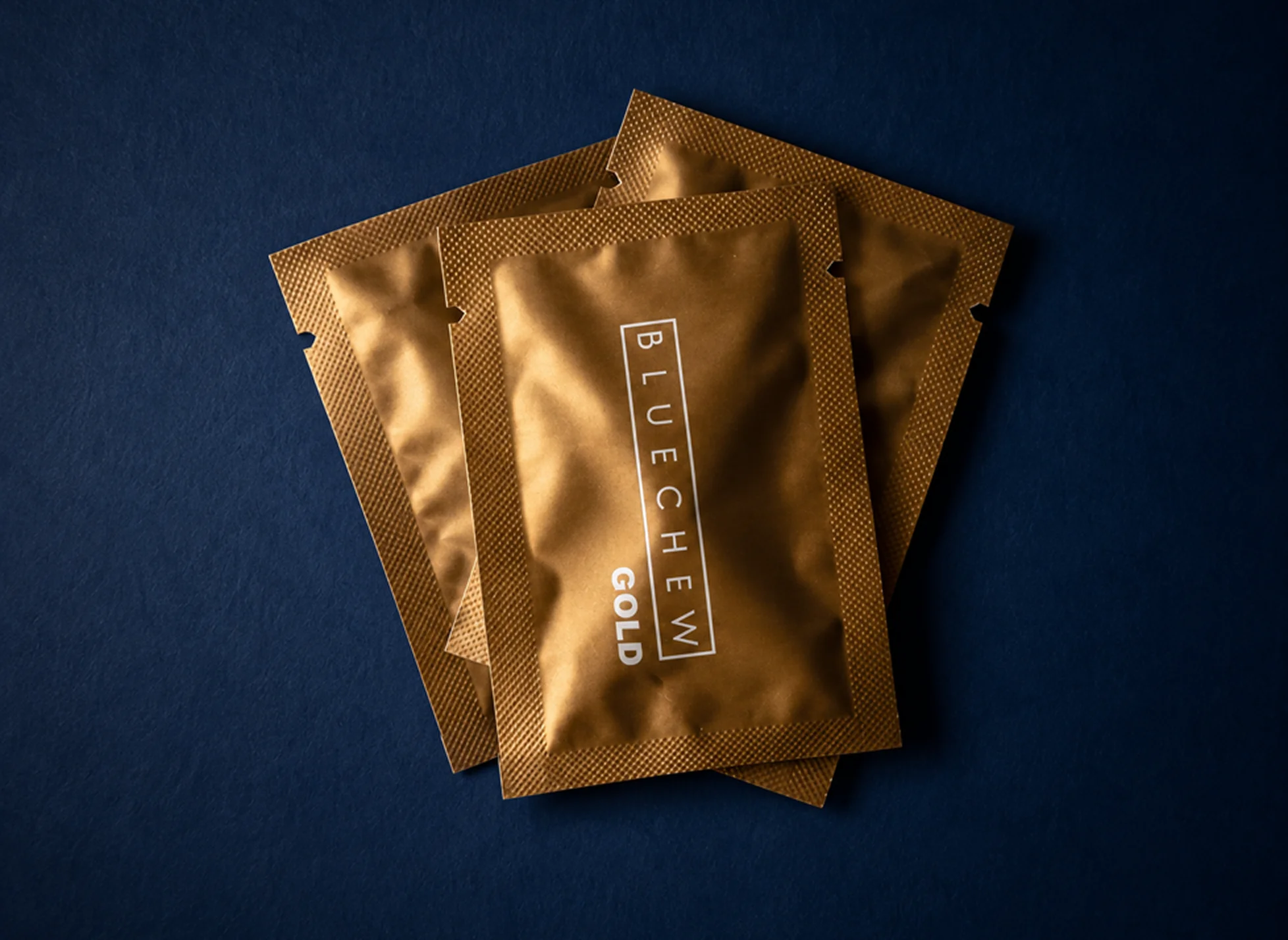
- GOLD: sildenafil, tadalafil, oxytocin, and apomorphine sublingual tablet, lasting up to 36 hours
For planned encounters, SIL or TAD integrate smoothly into a 30-minute pre-sex preparation window. For extended spontaneity without timing pressure, TAD's 36-hour duration removes the need to plan precisely. And for men looking for a more comprehensive option, GOLD includes oxytocin and apomorphine alongside sildenafil and tadalafil—ingredients your provider may consider depending on your goals and medical history.
Getting started is straightforward: complete a brief online consultation, receive provider review, and have your prescription delivered discreetly.
Customizing Your Routine: Finding What Works
There's no universal pre-sex routine—what works depends on your relationship, schedule, and preferences.
Experimentation and Adaptation
Start with the elements that address your specific challenges:
- Performance anxiety? Prioritize mindfulness and breathing exercises
- Mismatched desire? Focus on anticipation-building throughout the day
- Feeling disconnected? Invest in non-sexual touch and communication
- Rushed experiences? Build in structured foreplay time
Talk with your partner about what you're trying. Making routine-building a shared project creates investment from both sides and opens ongoing communication about what's working.
Building Confidence Through Preparation
The most effective pre-sex routines combine mental preparation, environmental setup, and physical readiness. When you've addressed performance concerns through reliable support like BlueChew, practiced mindfulness to reduce anxiety, and built genuine anticipation with your partner, you create the conditions where great intimacy becomes not just possible, but likely.
Whether you choose SIL for predictable timing, TAD for weekend-long spontaneity, or GOLD for comprehensive support, integrating prescription performance support into your routine removes one of the biggest sources of sexual anxiety—allowing you to focus entirely on connection, pleasure, and presence with your partner.

Frequently Asked Questions
How long should a pre-sex routine be?
There's no fixed duration, but research suggests that extended foreplay of 20 or more minutes significantly improves outcomes for both partners. Your full routine—including anticipation-building, environment preparation, and foreplay—might span hours when you include morning texts and evening preparations.
Can a pre-sex routine help with performance anxiety?
Absolutely. Mindfulness-based interventions have shown promising results in some studies for reducing sexual distress and performance anxiety, though outcomes vary by individual and study design. Combining relaxation techniques with reliable performance support addresses both the psychological and physical components.
How do I talk to my partner about building a pre-sex routine?
Frame it positively—you want to make your intimate life even better, not fix something broken. Try: "I've been thinking about ways we could make sex even more connected. Would you be interested in trying some new approaches together?"
Is it okay to use performance aids as part of a routine?
Prescription erectile support is simply one component of a complete approach to sexual wellness. When physical confidence is handled, you can focus entirely on connection and pleasure rather than monitoring your body's response.
What if our schedules make elaborate routines impossible?
Even abbreviated routines help. A quick breathing exercise, phones put away, and 10 minutes of focused connection is far better than rushed, distracted intimacy. Work with the time you have and prioritize the elements that matter most.
BLUECHEW EDITORIAL STANDARDS
This article is provided for informational purposes only and does not constitute medical advice. The information presented is not a substitute for professional medical advice, diagnosis, or treatment. Always consult your healthcare provider to discuss the risks, benefits, and appropriateness of any treatment.
BlueChew offers access to healthcare providers who may prescribe compounded medications for the treatment of erectile dysfunction.
The featured products include compounded medications that have not been approved by the FDA. Compounded medications may be prescribed under federal law but are not the same as, nor are they generic versions of, any FDA-approved medication. The FDA does not review compounded medications for safety, effectiveness, or manufacturing quality of compounded products. A prescription will only be written if deemed appropriate after the digital consultation by the licensed medical provider. Individual results may vary.
BlueChew is not a compounding pharmacy but a telemedicine service that links patients to licensed medical providers.
RELATED ARTICLES



Have Better Sex
- 100% online process
- No office visit required
- Discreet shipping, if prescribed
*Prescription products require an online review by a licensed provider. Restrictions apply.

 Medically reviewedEvery article is reviewed by a licensed provider on the BlueChew medical team.