Key Takeaways
Key Takeaways
SEX6 minute read
How to Use "Tease & Please" for Hotter Sex

If your intimate life feels more routine than riveting, you're not alone. Many couples find themselves in a pattern where sex becomes predictable—same timing, same approach, same outcome. But here's the thing: the "tease and please" approach can transform ordinary encounters into mind-blowing experiences by harnessing your brain's natural reward system. Research shows that sexual anticipation activates dopamine pathways that intensify desire and create more powerful satisfaction for both partners.
The beauty of tease and please is that it works on multiple levels—psychological, physical, and emotional. When you deliberately build anticipation before satisfaction, you're not just playing games. You're actually creating neurochemical responses that make everything more intense. Plus, research suggests that extended foreplay—typically 15-20 minutes or longer—can significantly increase the likelihood of orgasm and overall satisfaction for many women, as rushing can be a barrier to arousal.
Whether you're looking to reignite the spark in a long-term relationship or simply want to take your intimate moments to the next level, mastering the art of tease and please offers practical techniques you can start using tonight. From verbal anticipation-building to strategic timing and touch variation, this guide will help you create the kind of sexual tension that makes both partners eager for what comes next.
Key Takeaways
- Sexual teasing activates your brain's dopamine reward system, making eventual satisfaction significantly more intense
- Building anticipation throughout the day—through texts, touches, and verbal hints—creates compound arousal effects by the time you're together
- Communication about boundaries and desires is essential for successful teasing; explicit conversations prevent frustration and enhance pleasure
- Extended foreplay (15-20+ minutes) with varied touch and pacing can dramatically improve satisfaction for both partners
- Physical confidence removes mental barriers to presence—when performance concerns are handled, you can fully focus on connection and pleasure

The Science Behind Sexual Anticipation
Understanding why tease and please works helps you use it more effectively. Your brain's reward system doesn't just respond to pleasure—it responds even more powerfully to the anticipation of pleasure.
How Your Brain Creates Desire
When you experience sexual teasing, your brain releases dopamine in anticipation of what's coming. This neurochemical response creates a feedback loop: the longer you wait (within reason), the more intense the eventual satisfaction becomes.
Think of it like this—when arousal builds slowly through multiple sensory channels (what you see, hear, feel, and imagine), your brain activates compound arousal systems. This is why a suggestive text at lunch, a lingering kiss after work, and deliberate touch before bed creates more excitement than diving straight into intimacy.
Key neurochemical responses include:
- Dopamine release during anticipation phases
- Oxytocin production during physical touch
- Increased nerve sensitivity as arousal builds
- Enhanced blood flow throughout the body
The brain's reward pathways evolved to make us pursue what feels good. When you harness delayed gratification intentionally, you're working with your biology to create more satisfying experiences.
Why Delayed Gratification Enhances Pleasure
Techniques like edging and the stop-start method are commonly recommended for improving ejaculatory control. While formal research is limited, many men report that these practices can lead to improved stamina and more intense satisfaction. The same principle applies to overall sexual experiences—building tension and releasing it strategically creates more memorable encounters.
Relationship experts also note that scheduling intimate time 1-2 weeks in advance while building anticipation through the waiting period can help recreate "new relationship" excitement even in long-term partnerships. The key is actively creating tension during the waiting period rather than just waiting passively.

Building Emotional Connection Before Physical Touch
Great sex starts long before anyone gets undressed. The emotional foundation you create determines how safe, excited, and present both partners can be.
Communication That Creates Safety
Before you can successfully tease, you need to establish what's enjoyable versus what's frustrating for your partner. Research on consent communication shows that explicit verbal communication produces better outcomes than relying solely on nonverbal cues.
Have a conversation outside the bedroom about:
- What kinds of teasing feel exciting versus frustrating
- How much build-up feels good before wanting release
- Verbal cues that mean "keep going" versus "ready now"
- Boundaries around specific types of touch or talk
Try this conversation starter: "I've been thinking about ways we could build more anticipation together. What sounds exciting to you—playful texts during the day, longer foreplay, or trying something new?"
Creating Trust Through Vulnerability
Successful tease and please requires both partners to be comfortable expressing desires and setting boundaries. When you create psychological safety—an environment where either person can say "more of that" or "let's shift gears"—you open up possibilities for more adventurous, satisfying intimacy.
Share what turns you on without shame. If your partner knows that whispered promises drive you wild or that slow touches make you melt, they can use that knowledge to build anticipation effectively.
Practical Foreplay Techniques That Build Tension
Foreplay isn't just a warm-up—it's where the magic of tease and please really happens. The goal is to build arousal gradually through varied stimulation.
The Extended Foreplay Advantage
Research suggests that extended foreplay—typically 15-20 minutes or longer—can significantly increase the likelihood of orgasm and overall satisfaction for many women, as rushing can be a barrier to arousal. For men, extended foreplay also builds arousal and can improve stamina.
Effective foreplay progression:
- Start with non-genital touch—shoulders, back, thighs
- Gradually move closer to erogenous zones without direct contact
- Use varied pressure and pacing to keep sensations unpredictable
- Pay attention to breathing and body language for cues
The key is being fully present rather than treating foreplay as a checklist to complete before "the main event." When you're genuinely enjoying the journey, your partner feels it.
Touch Variation Techniques
One of the simplest ways to create excitement is varying your touch. Alternate between:
- Feather-light fingertip touches and firmer palm contact
- Slow deliberate movements and quicker teasing touches
- Warm breath and cool air across sensitive skin
- Smooth caresses and textured touches (try silk or soft fabrics)
Effective teasing techniques include the "almost kiss"—bringing your lips close without touching—and "echo touch," where you mirror your partner's movements with a slight delay. These create psychological tension that amplifies physical sensations.
Verbal Teasing: Words That Ignite Desire
What you say (and how you say it) can be just as arousing as physical touch. Verbal anticipation-building works because it engages imagination—and imagination has no limits.
Building Anticipation Throughout the Day
Sexual anticipation can start hours before you're together physically. Text messages, voice notes, and in-person comments all contribute to building mental arousal.
Effective verbal teasing examples:
- "I can't stop thinking about tonight..."
- "Remember what we did last weekend? I have ideas for tonight."
- "Just so you know, I'm planning to take my time with you later."
- Detailed description of what you're looking forward to doing
The specificity matters—vague hints are nice, but detailed (tasteful) promises create vivid mental imagery that builds genuine anticipation.
In-the-Moment Communication
During intimacy, verbal feedback keeps both partners engaged and builds confidence. Saying specifically what feels good ("that pressure is perfect" or "slower is better") helps your partner know they're on the right track.
Playful teasing during intimate moments—"not yet" or "patience"—can heighten anticipation if both partners enjoy that dynamic. Always pay attention to whether verbal teasing is increasing excitement or creating frustration.
Strategic Timing: Spontaneity Meets Planning
One of the biggest misconceptions about great sex is that it has to be completely spontaneous. In reality, some of the hottest encounters come from strategic planning combined with built-up anticipation.
The Power of Scheduled Anticipation
Relationship experts confirm that scheduling intimate encounters 1-2 weeks in advance and building tension during the waiting period can create "new relationship" excitement even in long-term partnerships. The key is what happens during that waiting period.
Between scheduling and the actual encounter:
- Send flirty messages building anticipation
- Share fantasies or desires for the planned time
- Light teasing touches when you're together
- Create mental anticipation through conversation
This transforms "scheduled sex" from a chore into an exciting countdown.
Physical Confidence: Removing Mental Barriers
You can't be fully present during tease and please if part of your mind is worried about performance. Addressing physical confidence creates space for genuine connection.
When Performance Concerns Interfere
Many men find that concerns about erectile reliability create mental distraction that prevents them from enjoying the teasing process. You might rush through foreplay because you're worried about "losing it," or you avoid building anticipation because unpredictability feels risky.
These concerns are incredibly common—and they're also addressable. Performance anxiety often creates a cycle where worry about function interferes with the psychological arousal that supports function.
Creating the Right Environment
Your surroundings significantly impact your ability to relax, focus, and enjoy extended intimate encounters. Small environmental adjustments make big differences.
Lighting and Ambiance
Harsh overhead lighting doesn't create the mood for slow, teasing intimacy. Instead:
- Use dimmable lamps or candles for softer lighting
- Try warm-toned bulbs rather than cool white light
- Consider colored bulbs or smart lights for variety
- Use shadows strategically—partial lighting can be more enticing than full brightness
Comfort and Privacy
For extended sessions, comfort matters. Ensure:
- Room temperature is comfortable (slightly cool is better than too warm)
- You have water nearby for longer encounters
- Privacy is secure—lock the door, silence phones
- The bed or surface is comfortable for both partners
Simple environmental changes like adding soft textures, playing ambient music at low volume, or using subtle scents create a multi-sensory experience that supports longer, more connected intimacy.
Eye Contact and Non-Verbal Connection
During tease and please, non-verbal communication creates intimacy that words can't quite capture. Eye contact in particular builds powerful connection.
The Power of Sustained Gaze
Maintaining eye contact during intimate moments—especially during teasing phases—creates psychological intensity. You're seeing and being seen, which requires vulnerability and creates deeper connection.
Try this: during foreplay, pause touching and just make eye contact for 10-15 seconds. Notice how it shifts the energy between you.
Reading Your Partner's Responses
Non-verbal cues tell you whether your teasing is building excitement or crossing into frustration:
- Breathing pattern changes
- Body movements toward or away from touch
- Muscle tension or relaxation
- Facial expressions and vocalizations
Effective teasing means staying attuned to these signals and adjusting accordingly. The goal is to ride the edge of anticipation without tipping into genuine frustration.
Pacing for Extended Pleasure
Once you've mastered building anticipation, you can extend intimate encounters into multi-phase experiences that create deeper satisfaction.
Planning Longer Sessions
For couples comfortable with extended intimacy, longer encounters allow for multiple arousal phases, breaks for connection, and varied activities that keep things interesting.
A multi-hour intimate session might include:
- Extended massage and non-sexual touch
- Gradual progression through different types of stimulation
- Breaks for conversation, water, or simply being close
- Multiple peaks and valleys in arousal
- Varied positions and activities throughout
Aftercare: Completing the Cycle
The "please" part of tease and please doesn't end at climax. How you connect afterward significantly impacts overall satisfaction and relationship intimacy.
Post-Intimacy Connection
After intense teasing and satisfaction, your brain releases oxytocin—the bonding hormone. This is an ideal time for:
- Physical closeness and gentle touch
- Verbal affirmation of what felt good
- Expressing appreciation for your partner
- Simply being present together
Many couples rush this phase, but aftercare matters for long-term intimacy. Taking 10-15 minutes to stay connected after intense encounters builds relationship satisfaction beyond the physical experience.
Building Rituals of Appreciation
Create small rituals that honor your intimate connection:
- A specific phrase you say to each other after particularly good encounters
- A favorite way to fall asleep together
- Morning-after texts acknowledging the previous night
- Planning the next adventure together
These rituals transform individual encounters into an ongoing narrative of connection and shared pleasure.
How BlueChew Supports the Tease-and-Please Approach
Tease-and-please works best when both partners can relax into the moment—mentally and physically. But for many men, concerns about erectile reliability can create just enough worry to interrupt the anticipation-building that makes this approach so powerful. When you’re unsure whether your body will cooperate, having options helps.
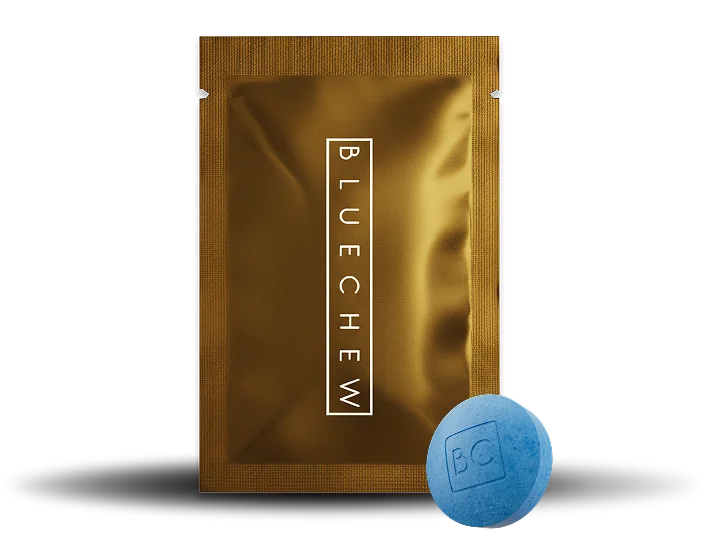
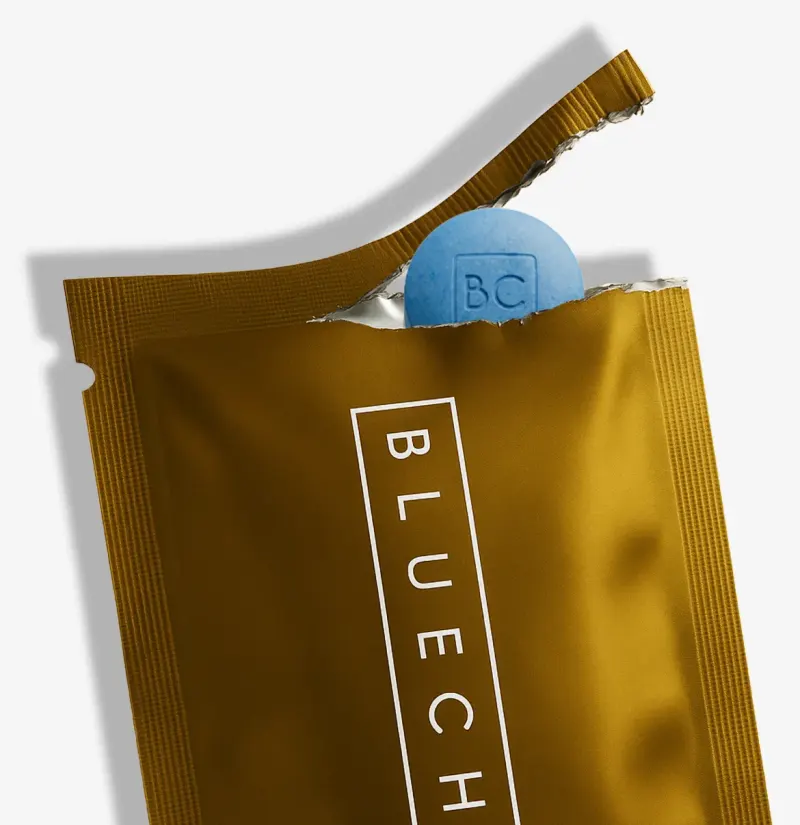
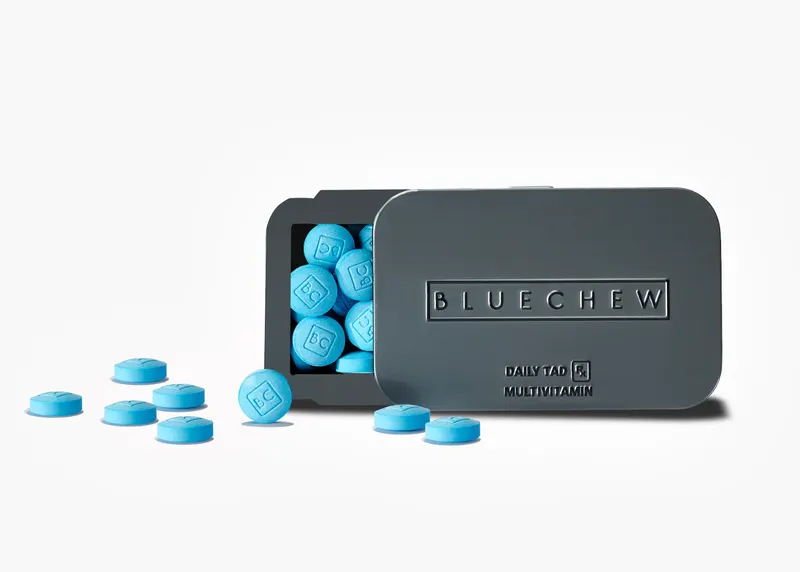
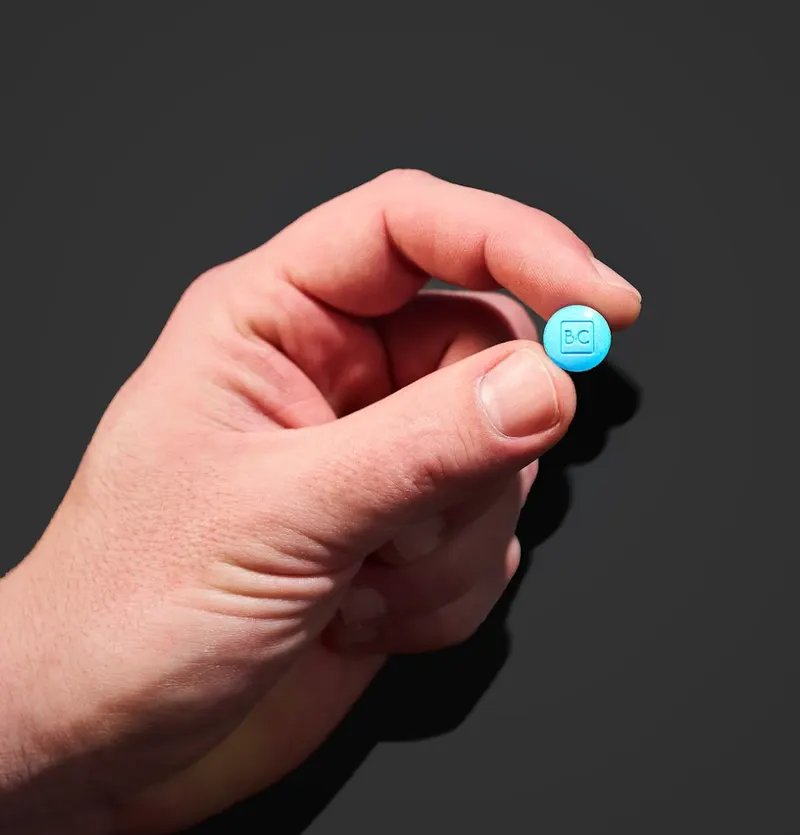
BlueChew provides prescription medications containing the active ingredients sildenafil, vardenafil, and tadalafil. Sildenafil, vardenafil, and tadalafil are the active ingredients in Viagra, Levitra, and Cialis, respectively.
BlueChew’s complete product lineup includes:
- SIL: 45 mg sildenafil, works within 15 minutes, lasting up to 6 hours
- TAD: 9 mg tadalafil, effective within 15 minutes, lasting up to 36 hours
- VAR: 8 mg vardenafil, takes effect within 15 minutes, lasting up to 6 hours
- DailyTAD: 9 mg tadalafil plus 7 essential vitamins, lasting up to 36 hours
- MAX: 45 mg sildenafil + 18 mg tadalafil combo, lasting up to 36 hours
- VMAX: 14 mg vardenafil + 18 mg tadalafil combo, lasting up to 36 hours
- GOLD: sildenafil, tadalafil, oxytocin, and apomorphine sublingual tablet, lasting up to 36 hours
This removes the "we have to do this now" pressure and allows for natural anticipation-building throughout the day. The extended duration means you can tease in the morning, build tension through the afternoon, and still have confidence when the moment feels right—whether that's evening or the next morning.
Frequently Asked Questions
How long should foreplay last to build enough sexual tension?
While there's no magic number, research suggests that extended foreplay—typically 15-20 minutes or longer—can significantly increase satisfaction for both partners. The key is varying stimulation and staying present rather than watching the clock. Pay attention to arousal cues—increasing breathing, body movements, and verbal feedback all indicate building excitement.
What's the difference between teasing and frustrating your partner?
Great teasing builds anticipation that makes satisfaction more intense. Frustration happens when teasing goes on too long or ignores signals that your partner is ready to move forward. The difference is communication and attunement—check in verbally ("are you enjoying this pace?") and watch for non-verbal consent cues. If your partner seems tense or withdrawn rather than excited, it's time to shift gears.
Can tease-and-please techniques help with stamina concerns?
Absolutely. Techniques like edging and the stop-start method are commonly recommended for improving ejaculatory control. While formal research is limited, many men report that these practices can lead to improved stamina and more intense satisfaction. When you deliberately practice building arousal and backing off repeatedly, you develop better body awareness and control. This transforms stamina concerns into an opportunity for prolonged pleasure for both partners.
How can couples with busy schedules incorporate tease-and-please dynamics?
Start small with text-based anticipation building during the day—a suggestive message at lunch creates mental arousal that builds until evening. Schedule intimate time 1-2 weeks in advance and build tension during the waiting period through small touches, verbal hints, and shared fantasies. Even 10 minutes of focused, teasing foreplay before bed creates more connection than 30 minutes of distracted routine.
What if my partner seems uncomfortable with verbal teasing?
Some people love dirty talk while others find it distracting or uncomfortable. Start with simple, non-explicit verbal appreciation ("you feel amazing" or "I love when you touch me like that") and gauge response. If your partner responds positively, gradually become more specific. If verbal teasing isn't their thing, focus on physical teasing, visual cues, and non-verbal communication instead. The goal is shared pleasure, and that looks different for every couple.
This article is provided for informational purposes only and does not constitute medical advice. The information presented is not a substitute for professional medical advice, diagnosis, or treatment. Always consult your healthcare provider to discuss the risks, benefits, and appropriateness of any treatment.
BlueChew offers access to healthcare providers who may prescribe compounded medications for the treatment of erectile dysfunction.
The featured products include compounded medications that have not been approved by the FDA. Compounded medications may be prescribed under federal law but are not the same as, nor are they generic versions of, any FDA-approved medication. The FDA does not review compounded medications for safety, effectiveness, or manufacturing quality of compounded products. A prescription will only be written if deemed appropriate after the digital consultation by the licensed medical provider. Individual results may vary.
BlueChew is not a compounding pharmacy but a telemedicine service that links patients to licensed medical providers.
BLUECHEW EDITORIAL STANDARDS
BlueChew is committed to providing accurate, clear, and up-to-date health information. Our writers and medical reviewers rely on peer-reviewed research, clinical guidelines, academic institutions, government health agencies, and professional medical organizations. Whenever possible, we cite primary sources and update our content as new evidence becomes available.
See something that needs correction? Let us know at blog@bluechew.com.

 Medically reviewed