Sleepover Etiquette: After Sex Done Right

The moments following intimacy can be just as meaningful as the act itself—yet they're rarely discussed. Research suggests that affectionate, attentive connection after sex is associated with higher sexual and relationship satisfaction, making the moments after intimacy an important part of the overall experience. Whether you're navigating a new connection or deepening a long-term relationship, mastering the morning after transforms good sexual experiences into genuinely memorable ones.
The period after sex is when vulnerability peaks and emotional bonds either strengthen or weaken. In some dating situations, leaving immediately after sex can feel abrupt or emotionally distant. A brief check-in, affectionate moment, or clear communication often lands better than disappearing without context. The good news? Simple, thoughtful practices can elevate your post-intimacy experience from potentially confusing to genuinely connecting.
Key Takeaways
- Post-sex communication and affection are associated with higher relationship satisfaction, and even brief cuddling or conversation can create meaningful bonding opportunities
- Discuss sleepover expectations before intimacy to reduce anxiety and perceived rejection for both partners
- Postcoital dysphoria affects nearly half of adults—simple aftercare practices like hydration, physical touch, and verbal affirmation may help some people feel more grounded
- Sexual activity may improve sleep quality for some people, providing a mutual benefit to staying over beyond emotional bonding
- Preparation and discretion matter—having essentials ready and respecting privacy needs builds confidence

Navigating the Morning After: Communication Is Key
The hours following intimacy set the tone for everything that comes next in a relationship. Whether you're staying until morning or heading home, how you communicate makes all the difference.
Pre-Emptive Planning: Setting Expectations
The most effective sleepover etiquette actually starts before sex happens. Discussing whether you'll stay over—and what that means for both of you—eliminates the guesswork that creates tension.
Conversation starters that work:
- "I have an early morning tomorrow, but I'd love to stay for a bit after"
- "I sleep better in my own bed, but let's have breakfast together?"
- "I'm hoping you'll stay the night—is that comfortable for you?"
When boundaries are communicated clearly beforehand, departures feel respectful rather than rejecting. Your partner isn't left wondering what your leaving means.
The Post-Coital Conversation: What to Say
Not everyone wants deep conversation after sex—and that's completely valid. What matters is that both partners feel valued.
What matters most is helping your partner feel valued. For some people, that means verbal affirmation; for others, it looks more like cuddling, bringing water, or simply staying present.
Simple connection phrases:
- "That was amazing with you"
- "How are you feeling?"
- "Can I get you anything?"
- Comfortable silence with physical closeness
The goal isn't scripted perfection—it's presence. Put your phone away (seriously, immediate phone checking after intimacy can feel disconnecting) and give your partner your attention.
Respectful Departures and Lingering: When to Stay or Go
There's no universal right answer about staying over—what matters is handling the decision thoughtfully.
The Art of the Gracious Exit
If you need to leave, frame it positively rather than apologetically. "I had a wonderful time and need to head home for my morning routine" lands better than slipping out silently or making excuses.
Exit etiquette essentials:
- Don't leave immediately after—even 15-20 minutes of connection matters
- Thank your partner genuinely for the experience
- Make follow-up plans if you want to see them again
- A goodbye kiss or hug maintains warmth
The Extended Stay: Making Yourself at Home (Appropriately)
Staying over comes with its own considerations. Be a thoughtful guest by respecting their space and morning routine.
Good guest practices:
- Ask before using toiletries or making coffee
- Offer to help with breakfast or cleanup
- Be mindful of their schedule—don't overstay if they have obligations
- Leave their space as you found it
Ensuring Comfort and Addressing Practical Needs
The practical side of sleepovers often gets overlooked, but addressing basic needs shows care and consideration.
Hygiene Habits: Shared Spaces and Personal Care
Post-sex hygiene matters for both comfort and health. Using the bathroom, freshening up, and staying hydrated are normal parts of the experience—not mood-killers.
Practical aftercare checklist:
- Offer water or a snack
- Make bathroom access comfortable ("Feel free to use whatever you need")
- Have clean towels available if you're the host
- Keep spare toiletries for overnight guests
Packing Your Essentials: Be Prepared
If sleepovers might happen spontaneously, a small "go-bag" with essentials prevents the morning scramble for a toothbrush or clean underwear.
Sleepover survival kit:
- Basic toiletries (travel-sized)
- Phone charger
- Any medications you take regularly
- Fresh underwear
- Contact lens supplies if needed
Being prepared signals maturity and reduces the "walk of shame" feeling that comes from being unprepared for the morning after.

Understanding Postcoital Dysphoria: Why Aftercare Matters
Here's something rarely discussed: 46% of women and 41% of men experience postcoital dysphoria (PCD) at least once—unexpected sadness, anxiety, or emotional numbness after pleasurable sex.
This doesn't necessarily mean something is wrong with you or your relationship. Researchers do not fully understand why PCD happens, but emotional, psychological, and physiological factors may all play a role.
Aftercare Practices That Help
Aftercare may help some people feel more grounded, connected, and emotionally supported after sex. Simple practices like these can make the experience feel calmer and more reassuring:
Physical aftercare:
- Cuddling or non-sexual touch
- Staying hydrated together
- Sharing a light snack
- Maintaining comfortable physical proximity
Emotional aftercare:
- Verbal affirmation ("I really enjoyed being with you")
- Checking in ("How are you feeling right now?")
- Creating a calm, low-pressure environment
- Avoiding immediate departure or distraction
Emotional closeness after intimacy can help some partners feel more connected, supported, and reassured.
The Case for Staying: Benefits of Post-Sex Connection
While personal boundaries always come first, research offers compelling reasons to consider staying over when circumstances allow.
Sleep Quality Benefits
A recent pilot study using polysomnography found that sexual activity was associated with improved sleep measures in the study sample. While that does not mean everyone will sleep better after sex, it does suggest that intimacy may support relaxation and sleep for some people.
For some couples, that can be one more reason to slow down, stay present, and enjoy the post-intimacy downtime together.
Relationship Building
The post-sex window is prime time for bonding. This isn't about grand gestures—even 5-10 minutes of physical closeness creates meaningful connection.
For men managing erectile dysfunction, this insight is particularly valuable: relationship satisfaction isn't solely about achieving erections. For men managing erectile dysfunction, open communication and intimacy beyond penetrative sex can still play an important role in relationship satisfaction.
Building Confidence for Future Intimacy
How you handle the morning after influences your confidence—and your partner's—for future encounters.
Addressing Performance Concerns Openly
If performance anxiety affects you, addressing it openly with a partner creates space for understanding rather than assumption. Many men find that when physical concerns are handled, they can focus entirely on emotional presence and connection.
Understanding your options for managing performance concerns can remove a significant source of anxiety. When you're not worried about what might happen physically, you're free to be present with your partner.
The Role of Aftercare in Confidence
Positive post-sex experiences build confidence for the next time. When both partners feel valued and cared for, anticipation replaces anxiety. This creates a positive feedback loop: good aftercare leads to better future intimacy.

Discretion and Privacy: Respecting Boundaries
Not everyone wants their intimate life on display—and that's completely valid.
Managing Shared Living Spaces
If either partner has roommates or family at home, discretion becomes practical necessity. Plan exits considerately, respect noise levels, and be mindful of others who share the space.
Keeping Personal Health Private
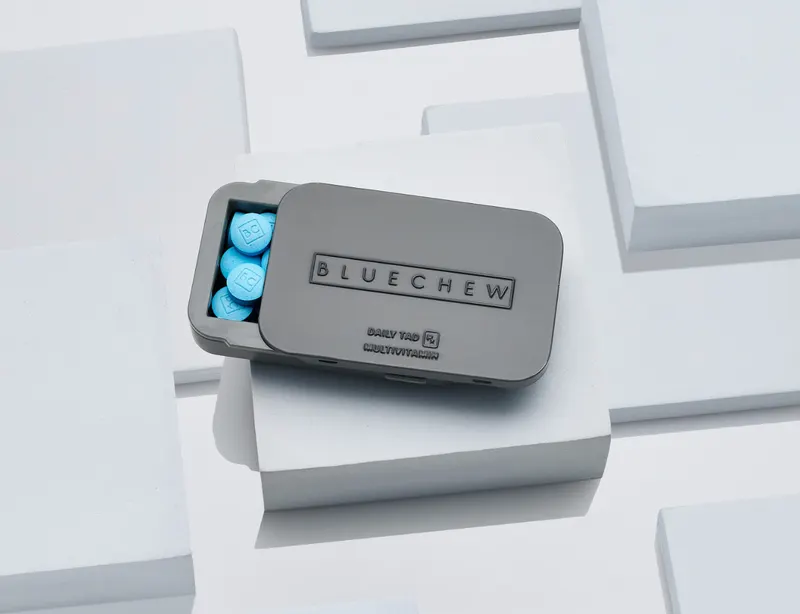
Sexual health products—whether contraception, medications, or wellness items—deserve privacy. This is one reason discreet packaging matters. BlueChew medications arrive in unmarked kraft mailers with no logos, and single-dose sachets fit easily into a wallet or pocket.
How BlueChew Supports Confident, Connected Intimacy
When performance concerns are off the table, you're free to focus on what really matters: connection with your partner.
BlueChew provides prescription medications containing the active ingredients sildenafil, vardenafil, and tadalafil. Sildenafil, vardenafil, and tadalafil are the active ingredients in Viagra, Levitra, and Cialis, respectively.
For sleepovers and extended intimacy, consider:
- TAD: 6 mg or 9 mg tadalafil sublingual tablet, from $3.58/tablet, effective within 15 minutes and lasting up to 36 hours—ideal for spontaneous connection without timing pressure
- GOLD: Sildenafil, tadalafil, oxytocin, and apomorphine sublingual tablet, from $7.30/tablet, lasting up to 36 hours—addresses both physical and emotional aspects of intimacy
The complete BlueChew lineup includes options for every preference:
- SIL: 30 mg or 45 mg sildenafil sublingual tablet, from $2.95/tablet, works in 15 minutes, lasting up to 6 hours
- VAR: 8 mg vardenafil sublingual tablet, from $4.34/tablet, takes effect in 15 minutes, lasting up to 6 hours
- DailyTAD: 9 mg tadalafil plus 7 essential vitamins, $2.23/chew, lasting up to 36 hours
- MAX: 45 mg sildenafil + 18 mg tadalafil combo sublingual tablet, $5.63/tablet, lasting up to 36 hours
- VMAX: 14 mg vardenafil + 18 mg tadalafil combo sublingual tablet, $5.63/tablet, lasting up to 36 hours
When physical confidence is handled, you can focus on being present—maintaining eye contact, practicing aftercare, and building the connection that makes intimacy meaningful.
Making Post-Intimacy Connection Work for You
The sleepover question doesn't have one right answer, but it does have better and worse ways to navigate it. Whether you stay until morning or leave after meaningful connection time, what matters is communicating openly, respecting boundaries, and making your partner feel valued.
When physical performance is no longer a source of anxiety, the entire post-sex experience changes. BlueChew's chewable, sublingual, and liquid medications provide convenient, discreet options that let you focus on what really matters: building genuine connection with your partner. From spontaneous intimacy to planned sleepovers, having confidence in your physical response frees mental space for the emotional presence that creates truly memorable experiences.
Frequently Asked Questions
How important is it to communicate expectations before a sleepover that might involve sex?
Pre-sex communication about sleepover plans can help both partners feel more comfortable and reduce misunderstandings. When boundaries are discussed beforehand, departures are more likely to feel respectful rather than rejecting. Simple conversations like "I'd love to stay for a while but need to head home before morning" eliminate guesswork and prevent hurt feelings.
What are some key considerations for a respectful departure the morning after?
Don't leave immediately—even 15-20 minutes of post-sex connection matters for relationship satisfaction. Thank your partner genuinely, make follow-up plans if interested, and frame your departure positively. Avoid slipping out silently or making excuses; direct, warm communication lands better than avoidance.
Why do I sometimes feel sad or anxious after sex?
You may be experiencing postcoital dysphoria (PCD), which affects roughly 46% of women and 41% of men at least once. This doesn't necessarily mean something is wrong with you or your relationship—researchers don't fully understand why PCD happens, but emotional, psychological, and physiological factors may all play a role. Simple aftercare practices like cuddling, hydration, and verbal affirmation may help some people feel more grounded.
How can I ensure both partners feel comfortable and confident during sleepovers?
Focus on practical preparation (toiletries, phone charger, clean clothes) and emotional attunement (checking in, offering aftercare, respecting boundaries). Being a thoughtful guest—or host—shows care and builds confidence for future intimacy. When performance concerns exist, addressing them proactively with options like BlueChew frees mental bandwidth for genuine connection.
Does staying overnight after sex actually benefit the relationship?
Research suggests that post-sex affection and connection are associated with higher relationship satisfaction. Additionally, sexual activity may improve sleep quality for some people. However, personal boundaries always come first; what matters most is that both partners feel comfortable with whatever arrangement works for them.
This article is provided for informational purposes only and does not constitute medical advice. The information presented is not a substitute for professional medical advice, diagnosis, or treatment. Always consult your healthcare provider to discuss the risks, benefits, and appropriateness of any treatment.
BlueChew offers access to healthcare providers who may prescribe compounded medications for the treatment of erectile dysfunction.
The featured products include compounded medications that have not been approved by the FDA. Compounded medications may be prescribed under federal law but are not the same as, nor are they generic versions of, any FDA-approved medication. The FDA does not review compounded medications for safety, effectiveness, or manufacturing quality of compounded products. A prescription will only be written if deemed appropriate after the digital consultation by the licensed medical provider. Individual results may vary.
BlueChew is not a compounding pharmacy but a telemedicine service that links patients to licensed medical providers.
Other Helpful Articles