Social Media and Sex: What to Keep Private

In an era where sharing everything online feels second nature, protecting your sexual privacy requires intentional boundaries. While sexting and other forms of intimate digital sharing are common, many people still underestimate the risks associated with sharing intimate content digitally—and the gap between perceived privacy and actual data security can have lasting consequences. Whether you're navigating dating apps, discussing health concerns, or maintaining boundaries in a long-term relationship, understanding what to keep private online is essential for protecting both your digital footprint and your peace of mind.
The intersection of social media and sexuality creates unique vulnerabilities. From health apps that transmit data to third parties without adequate protection to platform features that create a false sense of security, the digital landscape presents challenges that previous generations never faced. The good news? With the right knowledge and practical strategies, you can enjoy the benefits of digital connection while keeping your most intimate information protected.
Key Takeaways
- Digital "privacy" features like disappearing messages don't guarantee protection—screenshots, cloud backups, and metadata can preserve content you believe is temporary
- Many reproductive health apps raise legitimate privacy and transparency concerns, making selective sharing essential when handling sensitive information
- The 2025 TAKE IT DOWN Act provides federal legal protections against non-consensual intimate imagery, but prevention remains more effective than remediation
- Telehealth platforms designed with privacy in mind offer discreet alternatives to public forums for discussing sexual health concerns
- Establishing clear boundaries with partners about digital sharing protects both individuals in the relationship
Understanding the Risks: Why Online Privacy Matters for Your Sex Life
Your digital footprint extends far beyond what you intentionally share. Every interaction online generates data that can be collected, analyzed, and potentially exposed—making privacy protection an essential component of sexual wellness.
The Hidden Vulnerabilities
Many people operate under the assumption that intimate content shared through encrypted apps or "disappearing" messages remains truly private. The reality is more complex:
Common privacy misconceptions:
- Screenshot capabilities bypass disappearing message features on most platforms
- Cloud backup systems automatically preserve content users believe is deleted
- Metadata (EXIF data) embedded in photos can reveal exact GPS location and device information
- Platform terms of service often grant broad usage rights to shared content
- Legal processes can compel disclosure even from "secure" platforms
Research on reproductive health and mHealth apps has raised concerns about third-party data sharing, limited transparency, and inconsistent privacy protections.
Real-World Consequences
The risks of digital exposure extend beyond embarrassment. Data breaches can lead to identity theft, cyberstalking, and reputational damage that affects both personal relationships and professional opportunities.
Studies show that digital sexual abuse and image-based abuse disproportionately affect women, though men are also increasingly targeted by sextortion and related online exploitation schemes. These statistics underscore the importance of proactive privacy protection regardless of gender.
Protecting Personal Information: Safeguarding Your Digital Privacy
Effective digital privacy requires a multi-layered approach combining technical tools, behavioral habits, and ongoing vigilance.
Essential Security Measures
Account protection basics:
- Enable two-factor authentication on all accounts containing personal information
- Use unique, strong passwords managed through a dedicated password manager
- Regularly audit which apps have access to your accounts and revoke unnecessary permissions
- Be cautious of phishing attempts that target login credentials
Communication security:
- Choose messaging apps with end-to-end encryption for sensitive conversations
- Understand that "encrypted" doesn't mean invulnerable—the person you're communicating with can still share content
- Consider using VPN services when accessing accounts on public Wi-Fi networks
- Strip metadata from photos before sharing (apps like ObscuraCam can help)
Evaluating Platform Security
Not all apps and platforms offer equal protection. Before sharing sensitive information, consider:
- Does the platform have a clear, understandable privacy policy?
- How does the company generate revenue? (Ad-supported platforms often monetize user data)
- What happens to your data if the company is sold or goes bankrupt?
- Does the platform have a track record of data breaches?
When to Keep Quiet: Sexual Health and Medical Information on Social Media
Your sexual health information deserves the highest level of protection. While sharing experiences can help destigmatize important topics, there's a significant difference between advocacy and overexposure.
What to Protect
Medical details that should stay private:
- Specific diagnoses and treatment plans
- Prescription medications and dosages
- STI test results or exposure concerns
- Fertility treatments or reproductive health procedures
- Names of healthcare providers
Why this matters: Research shows that hospital websites and health platforms often transmit patient tracking data through third-party tools. Even searching for health information on seemingly trustworthy sites can generate data that follows you across the internet.
The Discretion Advantage
When seeking treatment for sensitive health concerns, the platform you choose matters. Telehealth services designed with privacy as a priority—like those offering unmarked packaging and consultations that don't require video—provide alternatives to the exposure risks of public forums or traditional pharmacies.
For men addressing erectile function, discreet delivery options eliminate the pharmacy pickup experience entirely. This approach allows you to address health concerns more discreetly and, when insurance is not used, can help reduce insurer-linked records and other unnecessary exposure points.
Relationship Boundaries: Navigating Intimate Details in the Digital Space
Digital intimacy requires the same respect for consent and boundaries as physical intimacy. What you share about your relationship affects both you and your partner.
Consent in Digital Spaces
Before sharing anything intimate online—from relationship status updates to private photos—consider whether your partner has explicitly agreed to that level of exposure.
Questions to discuss together:
- What are each of you comfortable having shared publicly vs. privately?
- Who can see photos that include both of you?
- How would you handle intimate content if the relationship ends?
- What are your boundaries around discussing your sex life with others?
The Partner Privacy Paradox
Research on non-consensual image sharing reveals that most violations come from current or former romantic partners rather than external hackers. The person you trust most today could become a source of exposure in the future—making clear agreements about digital content essential from the start.
The 2025 TAKE IT DOWN Act now provides federal criminal protections against non-consensual intimate imagery. Beginning in May 2026, the law will also require platforms to remove reported content within 48 hours. However, prevention through clear communication and careful sharing practices remains far more effective than legal remediation after the fact.
The Impact of Disclosure: Professional and Personal Repercussions
What you share online can follow you indefinitely. Understanding potential consequences helps inform smarter decisions about digital boundaries.
Professional Implications
Employers increasingly screen candidates' social media presence during hiring processes. Content that seems harmless among friends may appear differently to a potential employer or professional contact.
Career-related considerations:
- Background checks may surface old posts you've forgotten about
- Professional reputation can be affected by association with certain content
- Future opportunities may be limited by current sharing decisions
- Industry-specific standards vary widely—what's acceptable in creative fields may be career-ending elsewhere
Relationship and Social Effects
Beyond employment, digital exposure affects family relationships, friendships, and community standing. Content shared in one context (dating apps, private messages, closed groups) can migrate to others in unexpected ways.
The psychological toll of privacy violations is well-documented. Studies indicate that victims face threats to employment, fear of stigma and judgment, impact on personal relationships, and ongoing anxiety about potential exposure.
Avoiding Oversharing: Practical Tips for Maintaining Your Digital Privacy
Building privacy-first habits reduces risk without requiring you to disconnect entirely from digital life.
Before You Post Checklist
Ask yourself:
- Would I be comfortable with this appearing on a billboard with my name attached?
- Could this content be used against me in a professional, legal, or personal context?
- Does this reveal information about someone else without their consent?
- Am I sharing this for connection, or am I seeking validation that might not be worth the exposure?
Technical Precautions
Practical steps to implement:
- Disable geotagging on your camera and social media apps
- Use audience selection features to limit who sees specific content
- Avoid connecting to accounts on public Wi-Fi without VPN protection
- Regularly audit and clean up old posts that no longer reflect your boundaries
- Consider separate accounts for different areas of your life
The 100% Online Privacy Model
For sensitive matters like sexual health treatment, choosing services that operate entirely online eliminates many exposure points. No in-person doctor visits means no pharmacy lines where you might encounter acquaintances, no insurance paperwork creating records, and no package deliveries with identifying branding.
Understanding Platform Settings: Taking Control of Your Social Media Privacy
Every platform offers privacy controls—but defaults typically favor exposure over protection. Taking control requires active management.
Privacy Audit Essentials
On each platform, review:
- Who can see your posts (public, friends, custom lists)
- Whether your account appears in search results
- Which third-party apps have access to your data
- What information is visible on your profile
- How your data is used for advertising purposes
Default Settings Are Not Your Friend
Platforms benefit when users share more and share publicly. Their default settings reflect these business interests, not your privacy needs. Take time to adjust settings proactively rather than assuming protection is automatic.
Seeking Support Discreetly: Alternatives to Public Forums for Sensitive Topics
When you need information or support related to sexual health, public social media isn't your only option—and often isn't your best one.
Private Channels for Sensitive Discussions
Better alternatives to public posting:
- Telehealth platforms with licensed providers offer confidential consultations
- Encrypted messaging apps provide more security for conversations with trusted friends
- Anonymous forums (used carefully) allow information gathering without identity exposure
- Professional counseling offers protected spaces for discussing intimate concerns
- Support groups with clear privacy guidelines provide community without public exposure
The Telehealth Advantage
Modern telehealth platforms designed for sexual wellness offer the support many people seek from social media—information, reassurance, professional guidance—without the privacy risks of public disclosure.
Online consultations with licensed providers allow you to discuss concerns confidentially, get personalized recommendations, and access treatment without turning to public social media posts that could surface later.
How BlueChew Prioritizes Your Privacy
When performance concerns require professional support, BlueChew offers a privacy-first approach designed for discretion at every step.
Privacy by design includes:
- 100% online process: No in-person doctor visits or pharmacy pickups required
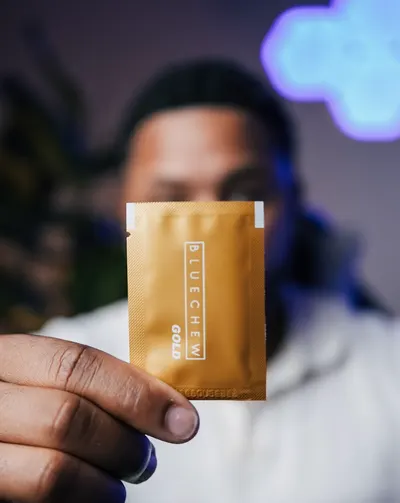
- Unmarked packaging: Medications arrive in plain kraft mailers with no logos or identifying marks
- Discreet billing: Payment descriptors don't reveal the nature of your purchase
- No insurance required: Paying directly can help reduce insurer-linked records and add another layer of discretion
- Text-based consultations: Discuss concerns without video calls
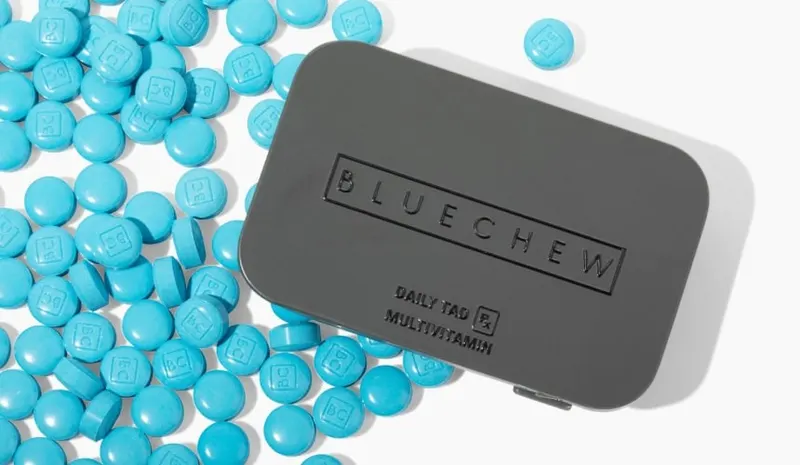
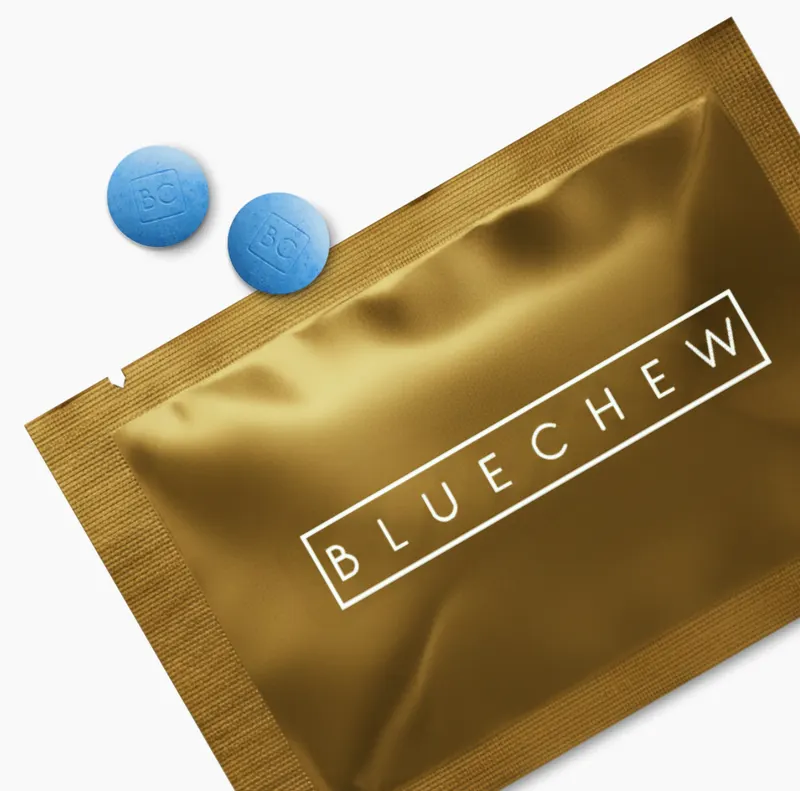
SIL, VAR, TAD, MAX, VMAX, and GOLD are available as a sublingual tablet. DailyTAD is available as a chewable.
BlueChew’s complete product lineup includes:
- SIL: 30 mg or 45 mg sildenafil, from $2.95/tablet, works in 15 minutes, lasting up to 6 hours
- TAD: 6 mg or 9 mg tadalafil, from $3.58/tablet, effective within 15 minutes, lasting up to 36 hours
- VAR: 8 mg vardenafil, from $4.34/tablet, takes effect in 15 minutes, lasting up to 6 hours
- DailyTAD: 9 mg tadalafil plus 7 essential vitamins, $2.23/tablet, lasting up to 36 hours
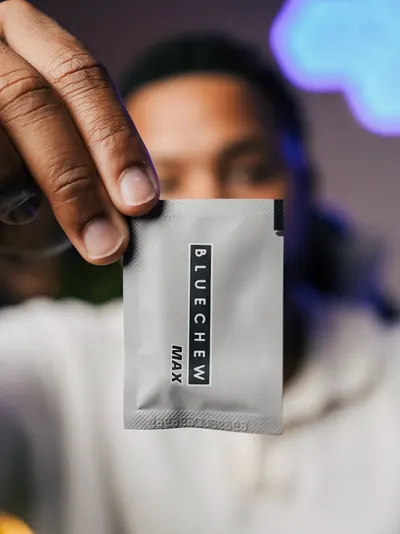
- MAX: 45 mg sildenafil + 18 mg tadalafil combo, $5.63/tablet, lasting up to 36 hours
- VMAX: 14 mg vardenafil + 18 mg tadalafil combo, $5.63/tablet, lasting up to 36 hours
- GOLD: sildenafil, tadalafil, oxytocin, and apomorphine sublingual tablet, from $7.30/tablet, lasting up to 36 hours
BlueChew provides prescription medications containing the active ingredients sildenafil, vardenafil, and tadalafil. Sildenafil, vardenafil, and tadalafil are the active ingredients in Viagra, Levitra, and Cialis, respectively.

Frequently Asked Questions
What kind of sexual health information is safest to keep off social media?
Specific diagnoses, treatment plans, prescription details, test results, and provider names should remain private. Even general discussions about sexual health can generate data that follows you across platforms. When you need support or information, consider telehealth consultations or encrypted conversations with trusted individuals rather than public posts.
Are private messages on social media truly private?
Not entirely. While many platforms offer encryption, the person you're messaging can screenshot, forward, or share content. Platform employees may have access under certain circumstances, and legal processes can compel disclosure. For truly sensitive content, use dedicated encrypted messaging apps and understand that no digital communication is completely risk-free.
What are the risks of sharing photos or videos related to my sex life online?
Even content shared privately can be preserved through screenshots, cloud backups, or simple forwarding. Photos contain metadata revealing location and device information. The 2025 TAKE IT DOWN Act provides legal recourse against non-consensual sharing, but prevention through careful sharing practices offers better protection than post-hoc remediation.
How can I discuss sensitive health issues like ED discreetly if not on social media?
Telehealth platforms designed for sexual wellness offer confidential consultations with licensed providers. Services like BlueChew provide entirely online processes with unmarked packaging and discreet billing—allowing you to address concerns without public exposure, pharmacy visits, or insurance records.
Can employers access my social media posts about sex or health?
Public posts are accessible to anyone, including potential employers. Even posts to friends may surface through screenshots or mutual connections. Background check services aggregate publicly available information. The safest approach is assuming anything you post online could eventually be seen by anyone.
This article is provided for informational purposes only and does not constitute medical advice. The information presented is not a substitute for professional medical advice, diagnosis, or treatment. Always consult your healthcare provider to discuss the risks, benefits, and appropriateness of any treatment.
BlueChew offers access to healthcare providers who may prescribe compounded medications for the treatment of erectile dysfunction.
The featured products include compounded medications that have not been approved by the FDA. Compounded medications may be prescribed under federal law but are not the same as, nor are they generic versions of, any FDA-approved medication. The FDA does not review compounded medications for safety, effectiveness, or manufacturing quality of compounded products. A prescription will only be written if deemed appropriate after the digital consultation by the licensed medical provider. Individual results may vary.
BlueChew is not a compounding pharmacy but a telemedicine service that links patients to licensed medical providers.
Other Helpful Articles