How to Talk Sexual Health Like a Grown-Up (Sexy, Not Scary)

Talking about sexual health shouldn't feel like a high-stakes negotiation—but for most people, it does. Whether it's bringing up performance concerns with a partner, discussing erectile dysfunction with a doctor, or simply asking for what you want in bed, these conversations often get stuck before they even start. Research shows that over 70% of ED patients remain undiagnosed simply because men are reluctant to discuss sexual health issues. That's millions of treatable conditions going unaddressed because the conversation feels too uncomfortable.
The good news? Sexual health communication is a skill—and like any skill, it gets easier with practice. When you understand why these talks feel difficult and learn specific strategies for navigating them, you can transform intimidating conversations into opportunities for deeper connection, better health outcomes, and a more satisfying intimate life. This isn't about becoming a smooth-talking expert overnight. It's about building confidence one conversation at a time.
Key Takeaways
- 74% of men with ED cite embarrassment as their primary barrier to seeking help—normalizing these conversations is the first step
- Timing matters: bring up sensitive topics outside of heated moments or intimate situations
- Use "I" statements to express needs without creating defensiveness
- Telemedicine removes many traditional barriers to discussing sexual health concerns
- Open communication about sexual wellness strengthens relationships and improves satisfaction for both partners

Building a Foundation: Why Open Sexual Health Communication Matters
Sexual health isn't separate from your overall wellness—it's deeply connected to physical health, emotional well-being, and relationship satisfaction. When communication breaks down around intimate topics, the effects ripple outward.
The Real Cost of Staying Silent
Studies show that many young adults experience significant anxiety when starting conversations about sexual health with partners. Research on sexual communication
consistently links more open sexual communication with higher relationship and sexual satisfaction—yet many couples still find it hard to talk openly about what they want and need. This silence creates distance, breeds assumptions, and leaves real concerns unaddressed.
What silence costs relationships:
- Partners make assumptions instead of understanding actual needs
- Treatable conditions go undiagnosed and untreated
- Emotional intimacy suffers alongside physical connection
- Both partners may feel isolated in their concerns
- Small issues compound into larger relationship tensions
The Benefits of Speaking Up
Research consistently shows that couples who communicate openly about sexual health report higher relationship satisfaction. Research indicates that couples who communicate openly about sexual health report higher relationship satisfaction, with many identifying feelings of safety and trust as a key outcome—even above practical health benefits.
What partners gain from open communication:
- Deeper emotional connection and vulnerability
- Reduced anxiety around intimate encounters
- Better understanding of each other's needs and boundaries
- Earlier identification and treatment of health concerns
- Increased satisfaction for both partners

Breaking the Ice: Simple Steps to Start Sexual Health Conversations
Starting the conversation is often the hardest part. These practical strategies make that first step more manageable.
Choose the Right Moment
Timing significantly impacts how well these conversations go. The goal is creating space where both partners feel relaxed and receptive.
Best times to talk:
- During a quiet evening at home without distractions
- On a walk or drive—side-by-side positioning can feel less intense than face-to-face
- After a positive shared experience when you're both feeling connected
- During scheduled "check-in" times you've established as a couple
Times to avoid:
- Immediately before or during intimacy
- When either partner is stressed, tired, or distracted
- During arguments or moments of tension
- When alcohol or other substances might impair clear communication
Use Permission-Giving Language
Rather than diving straight into a heavy topic, frame your opening in ways that invite dialogue without pressure.
Effective conversation starters:
- "I've been thinking about how we can make our intimate life even better. Can we talk about it?"
- "I want to understand your perspective on something. Is now a good time?"
- "I care about us, and there's something on my mind I'd like to share when you're ready."
- "How do you feel about our level of intimacy lately? I'd love to hear your thoughts."
These approaches signal that you're opening a dialogue, not delivering a verdict.
Addressing Performance Concerns: Talking About Erectile Dysfunction
Erectile dysfunction affects a significant number of men, with one major study finding a prevalence of 52% in men aged 40 to 70, yet it remains one of the most difficult topics to discuss. Breaking through this barrier opens the door to effective treatment and renewed confidence.
Why Men Stay Silent
The reluctance to discuss ED often stems from deeply ingrained beliefs about masculinity and sexual performance. 74% of men with ED cite embarrassment as their primary reason for not seeking help.
Common barriers include:
- Viewing ED as a failure rather than a medical condition
- Fear of judgment from partners or healthcare providers
- Misconception that nothing can be done
- Belief that the issue will resolve on its own
Starting the Conversation with Your Partner
When you're ready to talk with your partner about performance concerns, approach it as a health discussion rather than a confession.
Helpful framing:
- "I want to talk about something that's been affecting me physically"
- "This is about my health, and I want us to work through it together"
- "I'm taking steps to address this because our connection matters to me"
Most partners respond with support rather than judgment. Research indicates that open dialogue reduces feelings of isolation and actually strengthens relationships.
The Role of Telemedicine in Discreet Sexual Health Solutions
For many men, the biggest barrier to addressing ED isn't the condition itself—it's the process of seeking help. Telemedicine eliminates many traditional obstacles.
Why Online Consultations Work
Studies show high rates of patient satisfaction with telehealth, with many reporting feeling comfortable and at ease attending appointments from home. The privacy of your own environment creates space for honest conversation without the anxiety of waiting rooms or face-to-face encounters.
Telemedicine advantages:
- Complete privacy during consultations
- No scheduling around work or commutes
- Ability to involve a partner if desired
- Reduced anxiety compared to in-person visits
- Discreet delivery of prescribed treatments
What to Expect from Online Consultations
A quality telemedicine platform makes the process straightforward. You'll complete a health questionnaire, have your information reviewed by a licensed provider, and receive personalized treatment recommendations—all without leaving home.
Effective Communication Techniques for Better Sex and Relationships
Beyond specific topics, developing strong communication skills serves every aspect of your intimate life.
The Power of "I" Statements
Framing concerns in terms of your own experience prevents defensiveness and opens dialogue.
Compare these approaches:
❌ "You never initiate anymore"
✅ "I've been feeling like I want more connection with you"
❌ "You're always too tired"
✅ "I notice we've both been exhausted lately, and I miss being close"
Active Listening Practices
Communication isn't just about expressing yourself—it's about genuinely receiving what your partner shares.
Active listening techniques:
- Maintain comfortable eye contact
- Reflect back what you heard: "It sounds like you're saying..."
- Ask clarifying questions without interrupting
- Validate emotions even when you see things differently
- Resist the urge to problem-solve immediately
Creating Regular Check-Ins
Rather than waiting for issues to arise, schedule periodic conversations about your intimate life.
Monthly intimacy check-in framework:
- What's been working well for both of us?
- Is there anything either of us would like more of?
- Are there any concerns we should address together?
- How can we better support each other?
Beyond the Bedroom: Connecting Sexual Health to Overall Well-being
Sexual health doesn't exist in isolation. Lifestyle factors significantly impact intimate function and satisfaction.
The Mind-Body Connection
Stress, sleep, diet, and exercise all influence sexual wellness. Addressing these foundational elements often improves intimate function alongside overall health.
Lifestyle factors that support sexual health:
- Regular physical activity improves circulation and energy
- Quality sleep supports hormone balance and mood
- Stress management reduces performance anxiety
- Balanced nutrition supports overall vitality
For those wanting to address multiple aspects of wellness simultaneously, DailyTAD combines 9mg tadalafil with seven essential vitamins—linking sexual health support with broader nutritional well-being.
Confidence in Your Corner: How BlueChew Supports Sexual Wellness
Open communication about sexual health is the foundation—but sometimes you need more than words. When performance concerns are handled, you're free to focus on connection rather than worry.
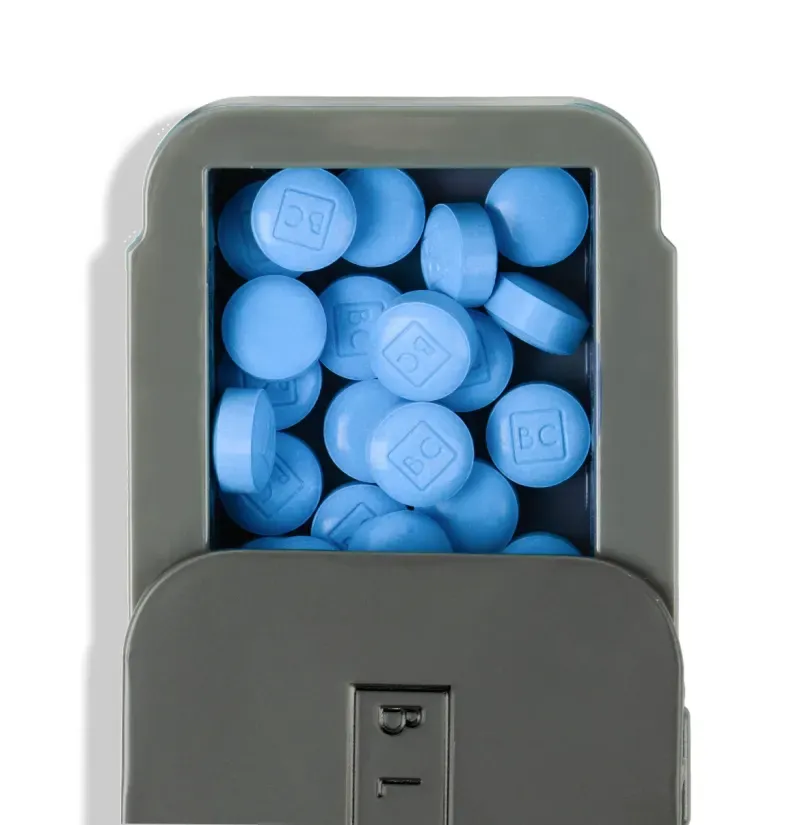
BlueChew provides prescription medications containing the active ingredients sildenafil, vardenafil, and tadalafil. Sildenafil, vardenafil, and tadalafil are the active ingredients in Viagra, Levitra, and Cialis, respectively. DailyTAD comes in a chewable tablet. SIL, TAD, VAR, MAX, VMAX, and GOLD are available as a sublingual tablet.
BlueChew's complete lineup includes:
- SIL: 30 mg or 45 mg sildenafil, works within 15 minutes, lasting up to 6 hours
- TAD: 6 mg or 9 mg tadalafil, effective within 15 minutes, lasting up to 36 hours
- VAR: 8 mg vardenafil, takes effect within 15 minutes, lasting up to 6 hours
- DailyTAD: 9 mg tadalafil plus 7 essential vitamins, lasting up to 36 hours
- MAX: 45 mg sildenafil + 18 mg tadalafil combo, lasting up to 36 hours
- VMAX: 14 mg vardenafil + 18 mg tadalafil combo, lasting up to 36 hours
- GOLD: sildenafil, tadalafil, oxytocin, and apomorphine sublingual tablet, lasting up to 36 hours
Every order ships in unmarked packaging, and free online consultations with licensed providers are included—making it easier to take that first step toward better sexual confidence.

Frequently Asked Questions
What are common barriers to talking about sexual health?
The most common barriers include embarrassment, fear of judgment, not knowing how to start the conversation, and concern about hurting a partner's feelings. Research shows that a common barrier to these conversations is the fear of hurting a partner's feelings. Recognizing these barriers as normal—and temporary—is the first step to working through them.
How can I effectively bring up sensitive sexual health topics with my partner?
Choose a relaxed moment outside of intimate situations, use "I" statements to express your feelings without blame, and frame the conversation around your relationship health rather than individual problems. Starting with curiosity ("How do you feel about...") rather than statements tends to invite more open dialogue.
When should I consider seeing a doctor for sexual health concerns?
If you experience persistent erectile difficulties, changes in libido that concern you, pain during intimacy, or any symptoms that affect your quality of life, consulting a healthcare provider is worthwhile. Telemedicine options make this process private and convenient—you don't need to wait for symptoms to become severe before seeking guidance.
Is it normal to experience erectile dysfunction, and how can it be addressed?
ED is extremely common, affecting a significant number of men. It's a medical condition with multiple effective treatments, not a character flaw or inevitable decline. Treatment options include lifestyle modifications, prescription medications like sildenafil and tadalafil, and addressing underlying health conditions. The key is recognizing ED as treatable and taking action.
How does online telemedicine make discussing and treating sexual health easier?
Telemedicine eliminates the need for in-person appointments, waiting rooms, and pharmacy pickups. Patients complete consultations from home, receive provider review within 24-48 hours, and have treatments shipped in discreet packaging. This privacy removes many barriers that prevent men from seeking help for sexual health concerns.
BLUECHEW EDITORIAL STANDARDS
This article is provided for informational purposes only and does not constitute medical advice. The information presented is not a substitute for professional medical advice, diagnosis, or treatment. Always consult your healthcare provider to discuss the risks, benefits, and appropriateness of any treatment.
BlueChew offers access to healthcare providers who may prescribe compounded medications for the treatment of erectile dysfunction.
The featured products include compounded medications that have not been approved by the FDA. Compounded medications may be prescribed under federal law but are not the same as, nor are they generic versions of, any FDA-approved medication. The FDA does not review compounded medications for safety, effectiveness, or manufacturing quality of compounded products. A prescription will only be written if deemed appropriate after the digital consultation by the licensed medical provider. Individual results may vary.
BlueChew is not a compounding pharmacy but a telemedicine service that links patients to licensed medical providers.
RELATED ARTICLES



Have Better Sex
- 100% online process
- No office visit required
- Discreet shipping, if prescribed
*Prescription products require an online review by a licensed provider. Restrictions apply.

 Medically reviewedEvery article is reviewed by a licensed provider on the BlueChew medical team.