Will Smith's Marriage Advice: Keeping Long-Term Intimacy Alive

Medically reviewed by: Dr. Nicolette Natale, D.O.
Few celebrity couples have been as transparent about the realities of long-term love as Will Smith and Jada Pinkett Smith. Over 25+ years together, they've publicly navigated everything from career pressures to personal challenges—and emerged with hard-won wisdom about what it truly takes to maintain connection over decades. Their journey offers valuable lessons for anyone seeking to keep intimacy alive in a lasting partnership, where both emotional closeness and physical confidence play essential roles. For men looking to support their intimate wellness, understanding that great relationships require intentional effort—on multiple levels—is the first step.
Key Takeaways
- Intimacy has multiple dimensions (emotional, physical, intellectual, experiential) that all need nurturing for lasting connection
- Simple daily practices like the six-second kiss can help you slow down, reconnect, and make affection feel intentional again
- Responsive desire—getting in the mood after connection begins—is completely normal in long-term relationships
- Novel activities together can significantly boost relationship satisfaction
- Physical intimacy solutions work best when combined with emotional connection practices

What Will Smith Can Teach Us About Long-Term Relationships
Will and Jada Pinkett Smith have been remarkably open about their relationship evolution since marrying in 1997. Rather than presenting a picture-perfect facade, they've shared the real work that goes into maintaining a decades-long partnership—including working with intimacy coach Michaela Boehm.
The Power of Shared Growth
One of the most striking aspects of the Smith's approach is their emphasis on continuous evolution. Will has spoken about experiencing "multiple relationships within one marriage"—acknowledging that both partners change over time, and the relationship must adapt accordingly.
Key lessons from their journey:
- Learn to fight respectfully: Conflict is inevitable, but how you handle it determines your relationship's health
- Listen to actual needs: Will admitted early on that he projected what he thought Jada wanted rather than truly listening to her
- Maintain individual identity: Both partners continued pursuing personal growth and careers
- Embrace transformation: Accept that the relationship you have at year 20 won't look like year 1—and that's healthy
Their intimacy coach Michaela Boehm emphasized that taking responsibility for your own energy and pleasure is essential. Your partner is also navigating their own stresses and exhaustion—expecting them to be the sole source of your fulfillment sets both of you up for disappointment.
Cultivating Connection: Keys to Relationship Intimacy That Last
Relationship intimacy goes far beyond physical touch. Research suggests emotional closeness is strongly linked with sexual desire and relationship satisfaction—making connection a key part of sustaining physical intimacy over time. In other words, building emotional closeness is foundational to sustained physical passion.
Beyond the Physical: Building Emotional Bonds
The Interpersonal Process Model of Intimacy describes how connection deepens through a three-step exchange:
- Self-Disclosure: One partner shares something vulnerable
- Responsive Listening: The other responds with empathy and validation
- Deepening Connection: Positive responses encourage more openness
Without this nurturing exchange, intimacy fades. Couples often fall into transactional communication—discussing logistics and schedules rather than feelings and dreams. Research shows that when intimacy collapses into fusion, it's not a lack of closeness but too much sameness that impedes desire.
Practical strategies for emotional connection:
- Schedule tech-free check-ins beyond "how was your day"
- Share one appreciation and one vulnerability daily
- Practice active listening without problem-solving
- Celebrate what's working before addressing challenges
Understanding the Different Types of Intimacy in a Partnership
Intimacy research identifies multiple distinct types that interconnect and reinforce each other. Focusing exclusively on sexual intimacy while neglecting other dimensions rarely leads to lasting satisfaction.
Physical, Emotional, Intellectual: A Holistic View
Core intimacy dimensions:
- Emotional intimacy: Sharing feelings, fears, and dreams with vulnerability
- Physical intimacy: Touch, affection, and sexual connection
- Intellectual intimacy: Engaging minds through conversation, debate, and shared learning
- Experiential intimacy: Creating memories through shared activities and adventures
- Spiritual intimacy: Connecting around values, meaning, and purpose
The key insight? These dimensions support each other. Couples who try new, engaging activities together often report higher relationship satisfaction—because novelty helps you feel more present, curious, and connected with each other.
When one intimacy dimension struggles, strengthening others can help. A couple experiencing physical distance might reconnect through experiential intimacy (taking a class together) or intellectual intimacy (reading and discussing the same book), creating pathways back to physical closeness.
Marriage Advice That Actually Works: Wisdom for a Strong Union
Research based on decades studying thousands of couples reveals that everything positive you do in your relationship contributes to overall intimacy. Couples who know each other's likes, dislikes, quirks, hopes, and dreams are couples who make it.
Practical Strategies for Everyday Success
Relationship researcher John Gottman recommends the “six-second kiss” as a simple ritual for creating moments of connection and physical intimacy between partners. It’s long enough to create a real moment of connection, while still being simple enough to fit into daily life.
Try this tonight: Commit to a six-second kiss twice daily—once when you wake or part for the day, and once when you reunite.
Additional research-backed practices:
- Daily appreciations: Express specific gratitude for something your partner did
- Physical touch rituals: Extended hugs, hand-holding, nonsexual touch throughout the day
- Novelty injection: Regular new experiences trigger excitement similar to early dating
- Conflict repair: Learn to make and accept repair attempts during disagreements
The pursuer-distancer pattern—where one partner seeks more intimacy while the other withdraws—is associated with relationship challenges. Recognizing and addressing this dynamic early is crucial.
Beyond the Jokes: Finding Joy and Humor in Marriage
Will Smith built his career on making people laugh, and research confirms laughter plays a vital role in relationship health. Shared humor creates inside jokes that reinforce your unique bond and provides stress relief during challenging periods.
The Science of Laughter in Relationships
Laughter can lower tension, make hard moments feel lighter, and help you both feel more at ease together. Couples who laugh together report higher relationship satisfaction and handle conflicts more constructively.
How humor supports intimacy:
- Diffuses tension during disagreements
- Creates positive associations with your partner
- Signals safety and comfort
- Reinforces your unique shared history
The key is shared humor—laughing with your partner rather than at them. Playfulness, inside jokes, and finding lightness even during stressful times all contribute to relationship resilience.
Timeless Relationship Tips to Keep Your Love Strong and Happy
Couples who actively invest in their relationship report higher satisfaction. This investment doesn't require grand gestures—consistent small actions matter more.
Small Gestures, Big Impact
Understanding responsive vs. spontaneous desire transforms how many couples approach intimacy. Many people—especially in long-term relationships—experience "responsive desire." They don't feel spontaneous sexual urges but become interested once connection and arousal begin.
This is completely normal, not a dysfunction. Desire often emerges after arousal starts, not before. Understanding this prevents couples from feeling "broken" when the spontaneous passion of early romance evolves.
Practical tips for sustained connection:
- Schedule intimate time intentionally—it's not less romantic, it's prioritizing
- Extend foreplay beyond physical touch through all-day connection building
- Focus on quality over frequency
- Communicate preferences openly rather than expecting mind-reading
Key Relationship Tips for Men: Enhancing Connection and Satisfaction
For men specifically, showing up fully in a relationship means engaging emotionally while also addressing practical concerns about physical intimacy. Performance worries can create cycles of avoidance that damage overall connection over time.
Becoming a Better Partner
Proactive communication about needs—both yours and your partner's—builds trust. This includes being willing to discuss sensitive topics like changes in sexual response or desire differences.
Key areas of focus:
- Emotional availability: Being present for conversations about feelings, not just logistics
- Understanding desire patterns: Recognizing that your partner may have responsive desire
- Physical affection without agenda: Touch that isn't always leading to sex builds safety
- Taking responsibility: Your pleasure and confidence are your responsibility, not solely your partner's job
Addressing Intimacy Challenges
When concerns about physical performance arise, addressing them proactively prevents the avoidance patterns that damage emotional intimacy. Medical solutions can provide confidence that allows you to focus on connection rather than worry.
Research on oxytocin's role in intimacy shows this "love hormone" enhances emotional bonding, reduces stress, and supports arousal. Both physical and emotional approaches to intimacy work together—neither alone is sufficient for lasting satisfaction.
Relationship Tips for Couples: Building a Foundation of Trust and Passion
Working together on your intimate life strengthens partnership. Many committed couples report experiencing periods of reduced sexual novelty—but this is a challenge to address together, not a sign of fundamental incompatibility.
Navigating Life's Changes Together
Life transitions—career changes, parenthood, health challenges—impact intimacy. Couples who communicate openly about these changes and adjust expectations together fare better than those who avoid the conversation.
Building shared solutions:
- Discuss how stress and fatigue affect each of you differently
- Identify barriers to intimacy and problem-solve as a team
- Explore new experiences together—in and out of the bedroom
- Seek support when needed, whether from counselors or medical providers
The Smiths' example of working with intimacy coaches demonstrates that seeking help isn't weakness—it's investment. We get education in most areas of life but rarely receive guidance on intimacy.
How BlueChew Supports Long-Term Intimate Wellness
Physical confidence plays a real role in relationship intimacy. When concerns about erectile function arise, they can create anxiety that spills into emotional connection—men may avoid intimate situations altogether, damaging overall closeness over time.
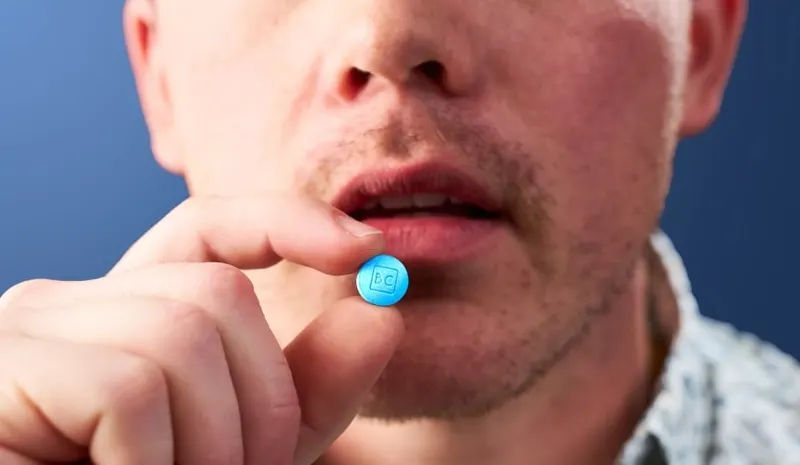
BlueChew provides prescription medications containing the active ingredients sildenafil, vardenafil, and tadalafil. Sildenafil, vardenafil, and tadalafil are the active ingredients in Viagra, Levitra, and Cialis, respectively. SIL, VAR, TAD, MAX, VMAX, and GOLD are available as sublingual tablets. DailyTAD is available as a chewable tablet.
BlueChew options for different needs:
- SIL: 45 mg sildenafil, from $2.95/tablet, works in 15 minutes, lasting up to 6 hours
- TAD: 9 mg tadalafil, from $3.58/tablet, effective within 15 minutes, lasting up to 36 hours
- VAR: 8 mg vardenafil, from $4.34/tablet, takes effect in 15 minutes, lasting up to 6 hours
- DailyTAD: 9 mg tadalafil plus 7 essential vitamins, $2.23/tablet, lasting up to 36 hours
- MAX: 45 mg sildenafil + 18 mg tadalafil combo, $5.63/tablet, lasting up to 36 hours
- VMAX: 14 mg vardenafil + 18 mg tadalafil combo, $5.63/tablet, lasting up to 36 hours
- GOLD: sildenafil, tadalafil, oxytocin, and apomorphine sublingual tablet, from $7.30/tablet, lasting up to 36 hours
The key insight from relationship research applies here: physical readiness removes one barrier, allowing emotional and relational work to flourish. BlueChew is part of a holistic approach to intimate wellness—not a replacement for the communication, connection, and intentional effort that lasting relationships require.
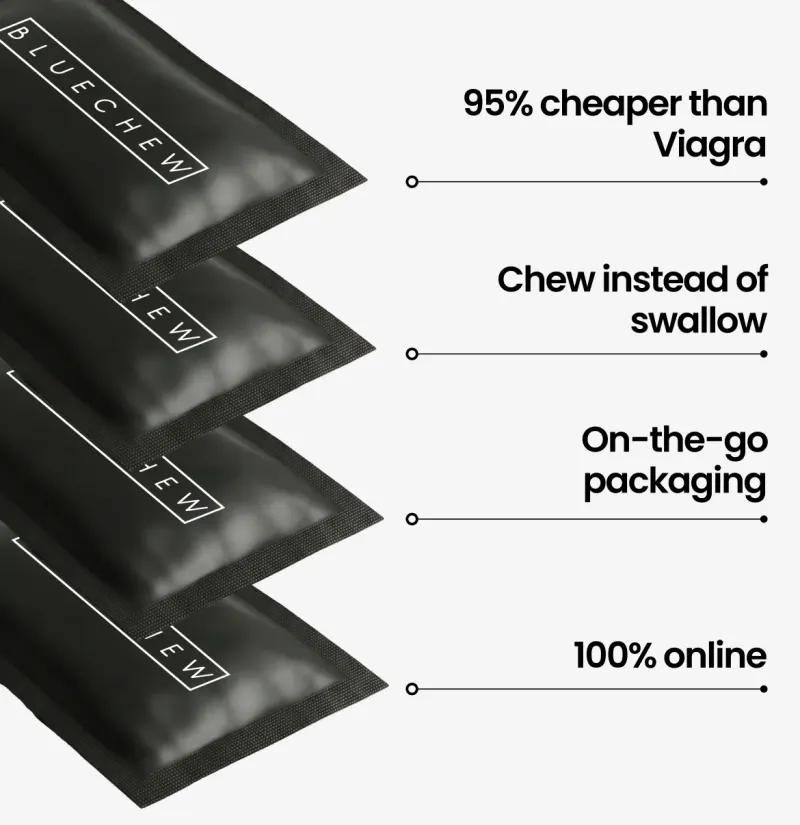
Our 100% online process includes a free consultation with a licensed medical provider, discreet delivery in unmarked packaging, and flexible subscription plans you can adjust or cancel anytime.

Frequently Asked Questions
How does emotional intimacy differ from physical intimacy in a long-term relationship?
Emotional intimacy involves sharing your inner world—feelings, fears, dreams, and vulnerabilities—with your partner. Physical intimacy encompasses touch, affection, and sexual connection. Research shows these dimensions are deeply connected: emotional closeness predicts sexual desire, which then predicts sexual activity. Couples need both working in tandem for lasting satisfaction. Strengthening one often naturally improves the other.
What role does communication play in keeping the spark alive over decades?
Communication is foundational. Research suggests that couples who know each other intimately—their likes, dislikes, quirks, hopes, and dreams—are couples who make it long-term. This requires ongoing conversation beyond daily logistics. Will and Jada Smith credit learning to truly listen (rather than projecting assumptions) as essential to their 25+ year relationship.
Can lifestyle factors and sexual health support tools genuinely improve relationship satisfaction?
Yes, when part of a comprehensive approach. Addressing physical concerns like erectile function can break cycles of avoidance and performance anxiety that damage emotional intimacy. Research suggests that medical support works best when paired with communication and relationship practices. Lifestyle factors—exercise, stress management, quality time together—all contribute to both physical and emotional wellness.
Are there specific habits that lead to a stronger, happier marriage, according to experts?
Research-backed habits include: daily expressions of appreciation, the six-second kiss practiced twice daily, regular novel experiences together, nonsexual touch throughout the day, and tech-free quality time. Decades of research emphasizes that consistent small positive interactions matter more than occasional grand gestures.
What are some common misconceptions about maintaining passion in long-term relationships?
The biggest misconception is that desire should always be spontaneous. Many people experience responsive desire—becoming interested after connection and arousal begin—which is completely normal. Another misconception is that passion should be effortless. Every relationship researcher emphasizes that long-term intimacy requires intentional investment. Finally, many believe physical and emotional intimacy are separate; in reality, they're deeply interconnected and mutually reinforcing.
This article is provided for informational purposes only and does not constitute medical advice. The information presented is not a substitute for professional medical advice, diagnosis, or treatment. Always consult your healthcare provider to discuss the risks, benefits, and appropriateness of any treatment.
BlueChew offers access to healthcare providers who may prescribe compounded medications for the treatment of erectile dysfunction.
The featured products include compounded medications that have not been approved by the FDA. Compounded medications may be prescribed under federal law but are not the same as, nor are they generic versions of, any FDA-approved medication. The FDA does not review compounded medications for safety, effectiveness, or manufacturing quality of compounded products. A prescription will only be written if deemed appropriate after the digital consultation by the licensed medical provider. Individual results may vary.
BlueChew is not a compounding pharmacy but a telemedicine service that links patients to licensed medical providers.
Other Helpful Articles