Key Takeaways
Key Takeaways
MINDSET10 minute read
How to Break the Depression-ED Cycle

If you’ve noticed erection difficulties getting worse as your mood declines, or depression creeping in as erectile dysfunction becomes more persistent, you’re not imagining things. Depression and ED are closely connected, and research has found evidence that each condition may increase the risk of the other.
That cycle can feel frustrating, but it is not permanent. With the right combination of medical evaluation, mental health support, lifestyle changes, and appropriate treatment, many men can address both mood and sexual performance concerns at the same time.
Whether you’re exploring therapy, reviewing medications with your healthcare provider, or considering prescription ED treatment through BlueChew, this guide explains how depression and ED may be connected and what can help support both concerns.
Key Takeaways
- Depression and ED can reinforce each other through psychological, vascular, hormonal, and neurochemical pathways.
- Some medications used for mood disorders may contribute to sexual side effects, but any medication changes should be discussed with a healthcare provider.
- PDE5 inhibitors such as sildenafil, tadalafil, and vardenafil may help support erectile function when prescribed appropriately.
- Psychological support, lifestyle changes, and medical treatment may work better together than relying on one approach alone.
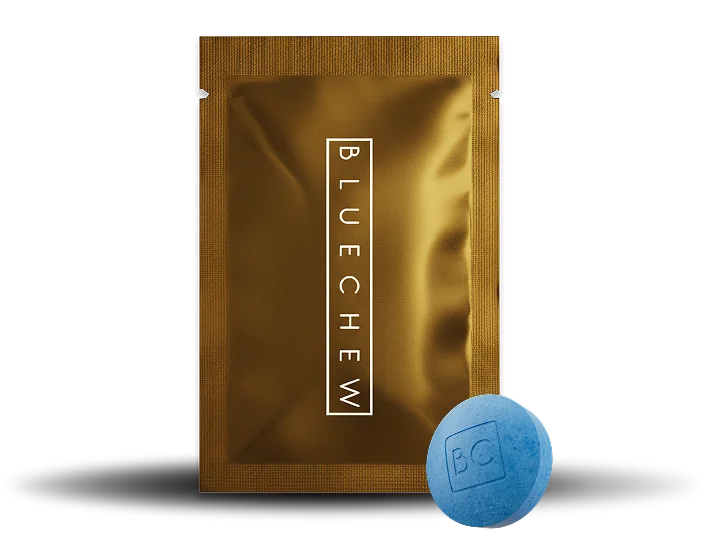
- BlueChew offers multiple prescription ED treatment options, including chewable and sublingual formulations.
Understanding the Depression-ED Cycle
The connection between depression and erectile dysfunction is not only emotional. It may involve brain chemistry, stress, blood flow, sleep, self-confidence, relationship dynamics, and medication-related factors.
Depression can reduce sexual desire, make it harder to feel pleasure, increase fatigue, and make it more difficult to stay present during intimacy. ED can then create embarrassment, frustration, and performance anxiety, which may make future sexual experiences feel more stressful.
Over time, this can turn into a loop. Low mood may reduce arousal and confidence. ED may then increase stress, shame, or avoidance. Those feelings can worsen depression or anxiety, making the next intimate experience feel more pressured.
Breaking the cycle usually means addressing both sides: the physical mechanics of erections and the emotional patterns that can make ED harder to manage.
 Reviewed by a licensed provider
 How Depression Can Contribute to ED
Depression may affect sexual function in several ways. It can reduce interest in sex, increase fatigue, and make it harder to experience pleasure or emotional connection.
It may also contribute to stress patterns that work against the relaxed state needed for sexual arousal. When the body is under ongoing stress, intimacy can feel pressured instead of natural.
Depression can also affect daily habits that support erectile function. Poor sleep, low physical activity, increased alcohol use, and reduced motivation can all make sexual performance concerns harder to manage.
Common depression-related factors that may affect erections include:
- Low libido
- Fatigue
- Negative self-talk
- Difficulty concentrating during intimacy
- Reduced pleasure or emotional connection
- Increased stress or anxiety
- Lower confidence after repeated erection difficulties
For many men, depression-related ED is not purely physical or purely psychological. It can involve both.
How ED Can Worsen Depression
ED can affect more than sexual performance. It can influence confidence, identity, relationships, and emotional well-being.
A single frustrating experience may not lead to depression, but repeated erection difficulties can create ongoing worry. Some men begin avoiding intimacy to prevent embarrassment. Others may feel like they are disappointing their partner, even when their partner is supportive.
This avoidance can reduce closeness and communication. When intimacy becomes something to worry about, both partners may feel disconnected.
The reverse can also be true. When ED becomes more manageable, some men may feel less anxious and more confident. That can make it easier to reconnect emotionally and sexually.
The Role of Medications in the Depression-ED Cycle
For some men, medications used to treat depression may contribute to sexual side effects. These side effects can include changes in libido, arousal, orgasm, or erectile function.
This does not mean you should stop taking medication. Depression treatment is important, and stopping or changing medication without guidance can be unsafe.
If you think a medication may be affecting your sexual function, talk with your healthcare provider. They can review your symptoms, current prescriptions, and health history to determine whether adjustments or additional treatment options may be appropriate.
Possible provider-guided strategies may include:
- Reviewing the dose
- Adjusting medication timing
- Considering another treatment option
- Addressing ED directly with an appropriate prescription medication
- Adding mental health or relationship support when performance anxiety is part of the pattern
Never stop or change depression medication without medical guidance.
Treating the Physical Side of ED
PDE5 inhibitors are among the most common prescription treatments for erectile dysfunction. They are used to support the blood flow process involved in erections during sexual stimulation.
Common PDE5 inhibitor options include sildenafil, tadalafil, and vardenafil.
Sildenafil is often used before sexual activity. Tadalafil is known for a longer active window, which may allow for more flexibility. Vardenafil is another PDE5 inhibitor option used for erectile dysfunction.
For men dealing with depression-related ED, treatment may help reduce some of the physical uncertainty that contributes to performance anxiety. When erections become more reliable, it may be easier to focus on connection rather than worry.
Why Combined Support Often Works Best
ED connected to depression often has more than one contributing factor, so it may require more than one type of support. A treatment plan may include therapy, lifestyle changes, medication review, relationship communication, and prescription ED treatment when appropriate.
Research on psychogenic ED suggests that combining psychological interventions with PDE5 inhibitor treatment may improve outcomes compared with either approach alone in some cases. This kind of combined approach can be helpful because it addresses both the physical erection response and the mental pressure that may surround intimacy.
The right approach depends on the person. Your symptoms, medical history, current medications, stress levels, and relationship dynamics can all affect what type of support may be most useful.
Therapy and Mental Health Support
Therapy can help reduce the emotional pressure that often surrounds ED. This is especially important when anxiety, avoidance, shame, or relationship stress has become part of the cycle.
Cognitive behavioral therapy may help identify negative thought patterns, such as assuming ED will happen every time or believing a partner will judge you. Sex therapy may help reduce performance pressure and rebuild intimacy. Couples counseling can also help when ED has created distance or miscommunication.
Helpful therapy goals may include:
- Reducing performance anxiety
- Improving communication with your partner
- Rebuilding sexual confidence
- Addressing depression symptoms
- Creating intimacy without pressure
- Managing shame, avoidance, or fear of failure
Therapy does not mean ED is “all in your head.” It can be one part of a broader approach to a condition that often involves both mind and body.
Lifestyle Changes That Support Mood and Erections
Lifestyle changes are not a quick fix, but they may support both mental health and erectile function. Small, consistent changes are often more realistic than trying to overhaul everything at once.
Regular movement may support circulation, energy, stress management, and confidence. Sleep is also important because poor sleep can worsen mood, reduce energy, and make sexual performance concerns harder to manage.
Other supportive habits include:
- Limiting alcohol
- Avoiding nicotine
- Managing stress
- Eating more whole foods
- Staying connected socially
- Reducing late-night screen time
- Practicing mindfulness or breathing exercises
These habits are not a replacement for medical care. They work best as part of a broader plan when depression or ED is persistent.
How BlueChew May Help Support ED Treatment
BlueChew offers prescription ED treatments through an online process, with provider review and discreet delivery when prescribed. This can be helpful for men who feel uncomfortable discussing ED in person or who want a more convenient way to access treatment.
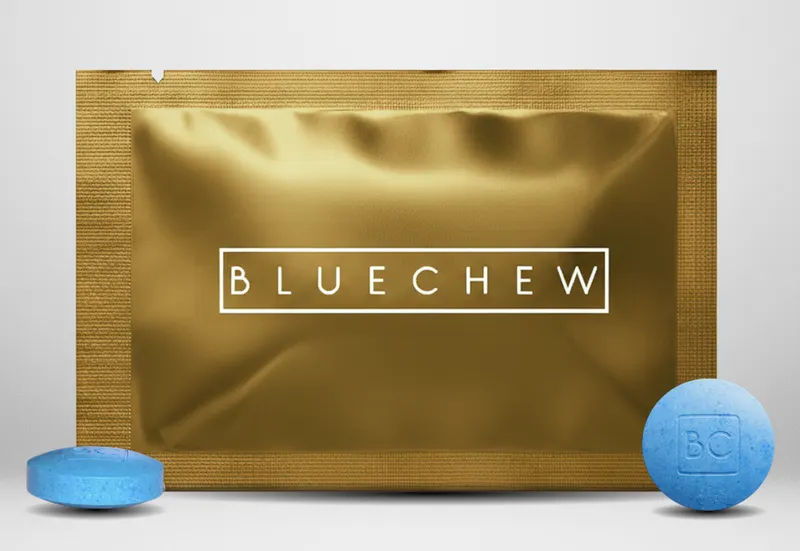
BlueChew treatments are designed for erectile dysfunction and sexual performance enhancement. Depending on the plan, formulations may include sildenafil, tadalafil, vardenafil, or multi-ingredient options.
For men dealing with depression-related ED, treatment may help address the physical side of the cycle. When erection support is part of the plan, it may be easier to focus on intimacy, communication, and confidence.
BlueChew Product Options
- SIL: 30 mg or 45 mg sildenafil, works within 15 minutes, lasting up to 6 hours
- TAD: 6 mg or 9 mg tadalafil, effective within 15 minutes, lasting up to 36 hours
- VAR: 8 mg vardenafil, takes effect within 15 minutes, lasting up to 6 hours
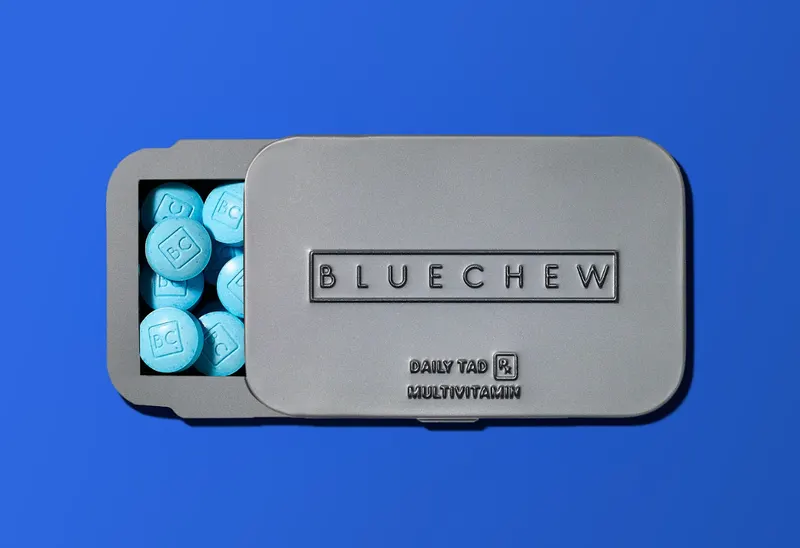
- DailyTAD: 9 mg tadalafil plus 7 essential vitamins, lasting up to 36 hours
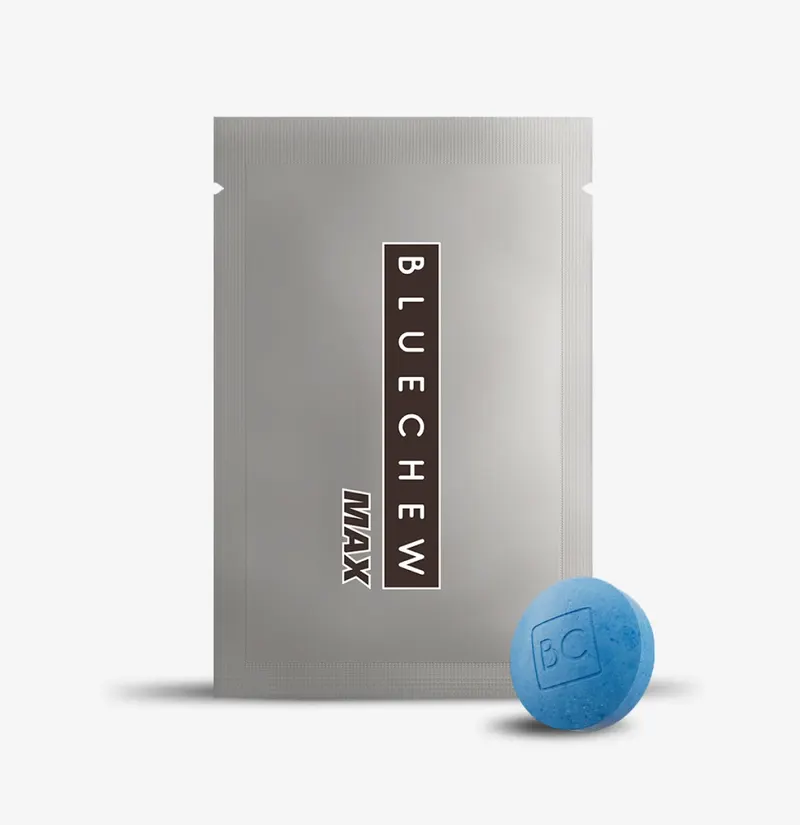
- MAX: 45 mg sildenafil + 18 mg tadalafil combo, lasting up to 36 hours
- VMAX: 14 mg vardenafil + 18 mg tadalafil combo, lasting up to 36 hours
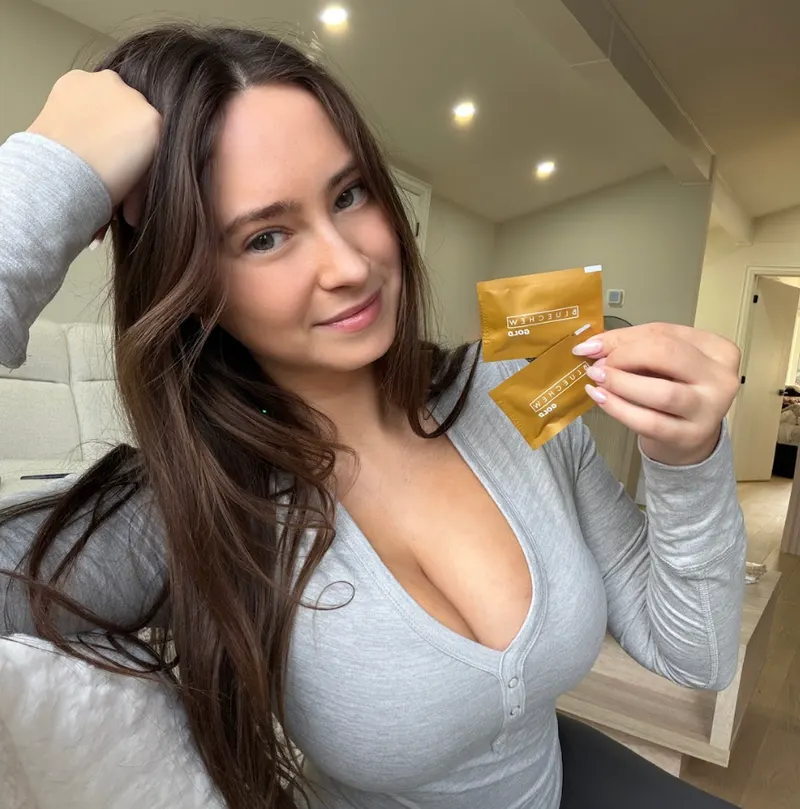
- GOLD: sildenafil, tadalafil, oxytocin, and apomorphine sublingual tablet, lasting up to 36 hours
To learn more about BlueChew’s process, visit this guide on how BlueChew works.
Frequently Asked Questions
Can treating depression improve ED?
It may help, especially when low mood, stress, fatigue, or reduced sexual interest are contributing to ED. Depression can affect arousal, confidence, sleep, and relationship connection, all of which may influence sexual performance. However, ED can also have physical, medication-related, or lifestyle-related causes, so treating depression alone may not fully resolve it. A healthcare provider can help determine whether mental health support, ED treatment, or a combined approach is most appropriate.
Can ED treatment help improve confidence?
ED treatment may help some men feel more confident by reducing uncertainty around sexual performance. When the physical side of erections is better supported, it may be easier to stay present during intimacy instead of focusing on worry. That said, ED medications do not treat depression directly and are not a replacement for mental health care. If anxiety, avoidance, or low mood is part of the pattern, therapy or counseling may also be helpful.
Do all depression medications cause ED?
No, not everyone experiences sexual side effects from depression medication. Some people may notice changes in libido, arousal, orgasm, or erectile function, while others do not. The effect can vary depending on the medication, dose, individual response, and other health factors. If you think your medication is affecting your sexual function, speak with your healthcare provider before making any changes.
Can I take ED medication while on depression medication?
Many men may be able to use ED medication while taking treatment for depression, but it depends on their health history and current medications. A licensed healthcare provider should review your prescriptions, cardiovascular health, and any other relevant conditions before recommending an ED treatment. This is especially important if you take nitrates or have certain heart-related concerns. Do not combine medications without medical guidance.
What if my ED is mostly psychological?
Psychological ED is still real ED, and it deserves appropriate support. Stress, depression, performance anxiety, and relationship concerns can all affect the erection process. Therapy, partner communication, stress management, and prescription ED treatment may all play a role depending on the situation. A combined approach can be especially useful when both emotional pressure and physical performance concerns are involved.
This article is provided for informational purposes only and does not constitute medical advice. The information presented is not a substitute for professional medical advice, diagnosis, or treatment. Always consult your healthcare provider to discuss the risks, benefits, and appropriateness of any treatment.
BlueChew offers access to healthcare providers who may prescribe compounded medications for the treatment of erectile dysfunction.
The featured products include compounded medications that have not been approved by the FDA. Compounded medications may be prescribed under federal law but are not the same as, nor are they generic versions of, any FDA-approved medication. The FDA does not review compounded medications for safety, effectiveness, or manufacturing quality of compounded products. A prescription will only be written if deemed appropriate after the digital consultation by the licensed medical provider. Individual results may vary.
BlueChew is not a compounding pharmacy but a telemedicine service that links patients to licensed medical providers.
BLUECHEW EDITORIAL STANDARDS
BlueChew is committed to providing accurate, clear, and up-to-date health information. Our writers and medical reviewers rely on peer-reviewed research, clinical guidelines, academic institutions, government health agencies, and professional medical organizations. Whenever possible, we cite primary sources and update our content as new evidence becomes available.
See something that needs correction? Let us know at blog@bluechew.com.
 Medically reviewed