Key Takeaways
Key Takeaways
MINDSET5 minute read
The Right Way to Bring Up ED With Your Partner

Erectile dysfunction can be one of the most difficult sexual health topics for couples to discuss openly. It can affect confidence, communication, and intimacy, even when attraction and emotional connection are still strong. The important thing to remember is that ED is not automatically a reflection of desire or relationship quality.
Whether you are considering BlueChew or simply want to strengthen your relationship through better communication, knowing how to approach this conversation can make a meaningful difference. The right tone can help your partner feel supported instead of blamed, which makes it easier to talk about next steps together.
Key Takeaways
- ED can affect both partners, making open communication important for relationship health.
- The timing and setting of the conversation matter.
- “We” language can create a more supportive and collaborative tone.
- ED may involve physical, psychological, medication-related, or lifestyle-related factors.
- Partner support can make the treatment process feel less isolating.

Understanding Erectile Dysfunction
Before starting any conversation about ED, it helps to understand what you are actually dealing with. Erectile dysfunction is the recurring difficulty getting or maintaining an erection firm enough for satisfying sexual activity. An evidence-based guideline on erectile dysfunction diagnosis and treatment describes ED as a condition that can be evaluated through medical, sexual, and psychosocial history before treatment options are considered.
ED is not the same as an occasional off night after stress, fatigue, or alcohol. It usually becomes a concern when it happens repeatedly or starts affecting confidence, intimacy, or relationship connection.
What Causes ED?
ED can have physical, psychological, or mixed causes. It is not automatically a sign that your partner is not attracted to you or that something is wrong with the relationship.
Physical factors to discuss with a provider may include:
- Cardiovascular health
- Blood flow
- Diabetes
- Hormonal changes
- Medication side effects
- Neurological conditions
- Activity level
- Sleep habits
Psychological factors may include:
- Performance anxiety
- Work stress
- Financial stress
- Depression or low mood
- General anxiety
- Relationship tension
- Past negative sexual experiences
Understanding ED as a health concern can help both partners move away from blame and toward problem-solving.
Dispelling Common Myths
One of the biggest barriers to discussing ED is the misunderstanding that it is always about desire. In reality, a man can feel attracted to his partner and still have trouble getting or maintaining an erection.
It can also help to remember that ED may involve more than one factor. A physical concern may start the pattern, while stress or worry can make intimacy feel more pressured over time. A supportive conversation can help reduce that pressure.
 Reviewed by a licensed provider
 Preparing for the Conversation
How and when you bring up ED matters just as much as what you say. Thoughtful preparation can turn a difficult topic into a more productive conversation.
Choose the Right Moment
Avoid bringing up ED during or immediately after intimacy. That moment can feel too vulnerable and may make your partner defensive or ashamed.
Instead, choose:
- A neutral place
- A calm time
- A private setting
- A moment without distractions
- A time when neither partner is rushed
Good options include a walk, a quiet conversation over coffee, or a relaxed evening at home.
Prepare Yourself First
Before initiating the conversation, take a moment to check in with yourself. You may feel rejected, confused, worried, or frustrated. Those feelings are valid, but leading with them too strongly may make your partner shut down.
Before you talk, try to:
- Name your own feelings.
- Release blame.
- Prepare to listen.
- Stay open to his perspective.
- Remember that one talk may not solve everything.
The first conversation should open the door, not force an immediate decision.
Starting the Dialogue
The words you choose can either open the conversation or make your partner feel criticized. A gentle, collaborative tone usually works best.
Use “We” Language
“We” language can help frame ED as something you are handling together, not something he has failed at.
Instead of saying:
- “You have been avoiding intimacy.”
- “You seem different in bed.”
- “Why can’t you get an erection?”
Try saying:
- “I miss feeling close to you.”
- “Can we talk about intimacy?”
- “I want us to feel connected.”
- “I care about what you’re feeling.”
This approach helps reduce defensiveness and keeps the focus on connection.
Conversation Starters
Here are a few ways to begin gently:
If you are initiating:
- “I love you, and I miss our closeness.”
- “Can we talk about intimacy?”
- “I want us to handle this together.”
- “I care about your health.”
- “I’m here to support you.”
If you are experiencing ED:
- “I want to talk honestly.”
- “This is not about attraction.”
- “I have been feeling embarrassed.”
- “I want to get help.”
- “I need your support.”
Lead with reassurance, then give the conversation room to unfold.
Expect Mixed Reactions
Your partner may respond with embarrassment, denial, frustration, or silence. Try not to treat that first reaction as the final answer.
If the conversation becomes tense, pause instead of pushing. You might say, “We do not have to solve this right now. I just want you to know I am here.” That keeps the door open without creating pressure.

Addressing Partner Concerns
ED can affect both people in a relationship. The partner who is not experiencing ED may still feel rejected or uncertain, while the partner experiencing ED may feel shame or pressure.
Common Feelings
Partners may wonder:
- “Is it me?”
- “Is he still attracted to me?”
- “Are we losing intimacy?”
- “Should I say something?”
- “Will this get better?”
These feelings are understandable. However, ED is not a reliable measure of attraction, love, or relationship quality.
Reassure Each Other
A journal article on patient and partner perspectives notes that ED can affect quality of life for both the patient and partner. That is why reassurance matters on both sides.
Helpful reassurance can sound like:
- “I am still attracted to you.”
- “This does not change us.”
- “We can handle this together.”
- “You are not alone.”
- “I care about more than sex.”
Reassurance should not ignore the issue. It should make the issue safer to discuss.
Maintain Intimacy
While addressing ED, try not to make every intimate moment a test. Pressure can make intimacy feel more stressful for both partners.
You can stay connected through:
- Kissing
- Cuddling
- Massage
- Sensual touch
- Oral pleasure
- Manual stimulation
- Verbal affection
- Quality time
Intimacy does not have to disappear while treatment is being explored.
Exploring ED Solutions Together
After opening the conversation, the next step is exploring possible solutions as a team. This does not mean one partner has to manage the other’s health. It means both people can support the process.
Seek Medical Guidance
A healthcare provider can help identify possible causes, review medications, and recommend appropriate treatment. This is especially important if ED is new, recurring, or connected to other symptoms.
ED may also overlap with broader health concerns. A systematic review and meta-analysis in The Journal of Sexual Medicine found that erectile dysfunction predicted cardiovascular events as an independent risk factor, so recurring ED is worth discussing with a provider.
A medical review may include questions about:
- Heart health
- Blood pressure
- Diabetes
- Medication use
- Mental health
- Sleep
- Alcohol use
- Smoking
- Exercise habits
This step helps shift the conversation from blame to care.
Treatment Options
Treatment depends on the cause, health history, and provider recommendations.
Options may include:
- PDE5 inhibitors
- Lifestyle changes
- Counseling
- Sex therapy
- Medication adjustments
- Hormone testing
- Other medical treatments
For many couples, knowing that multiple options exist can make the situation feel less overwhelming.
Telehealth Options
For some men, the idea of discussing ED in person can feel uncomfortable. Telehealth can make the first step easier by allowing patients to complete an online intake, receive a provider review, and, if prescribed, receive medication discreetly.
How ED Medications Work
Most prescription ED medications are PDE5 inhibitors. These medications support the blood-flow process involved in erections during sexual stimulation. They do not create automatic erections, and arousal is still needed.
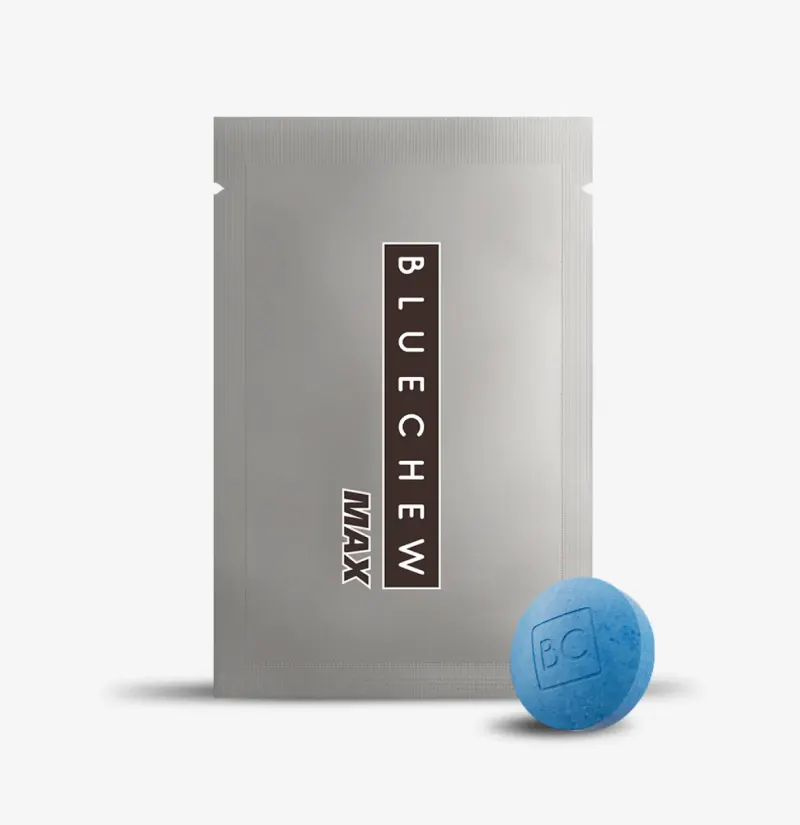
BlueChew provides prescription medications containing the active ingredients sildenafil, vardenafil, and tadalafil. Sildenafil, vardenafil, and tadalafil are the active ingredients in Viagra, Levitra, and Cialis, respectively.
Results can vary by person, dose, timing, formulation, health history, and other medications. A provider can help determine whether ED medication is appropriate and which option may fit a patient’s needs.
Medications and ED
Sometimes ED may be connected to medications your partner already takes. This is important information to share during a medical review.
A study from the Boston Area Community Health Survey examined common prescription medication use and ED, including categories such as antihypertensive, psychoactive, pain, and anti-inflammatory medications.
Medication categories to discuss with a provider may include:
- Certain blood pressure medications
- Some antidepressants
- Antihistamines
- Prostate medications
- Some pain medications
- Certain anti-anxiety drugs
- Sedatives or sleep aids
Never stop or adjust prescribed medications without medical guidance. A healthcare provider can review current medications and make safe recommendations.
Lifestyle Support
Lifestyle changes are not a guaranteed cure for ED, but they can support overall health, energy, and confidence. The goal is not to “fix” your partner. It is to build habits that support both health and connection.
Helpful lifestyle areas may include:
- Regular physical activity
- Heart-healthy eating
- Maintaining a healthy weight
- Limiting heavy alcohol use
- Quitting smoking
- Managing stress
- Prioritizing sleep
A systematic review and meta-analysis on physical activity and exercise found that physical activity interventions were associated with improved erectile function in ED trials.
Consider making changes as a couple when it feels natural. Cooking balanced meals, taking walks, setting a bedtime routine, or finding ways to reduce stress can support his health while strengthening your connection.
Moving Forward Together
Bringing up ED with your partner takes care, patience, and courage. The goal is not to deliver a perfect speech. It is to create a conversation where both of you can be honest without blame.
Start with reassurance. Choose a calm moment. Focus on connection, health, and teamwork. ED can feel isolating, but it does not have to be handled alone.
If the issue continues or creates distance between you, a healthcare provider, therapist, sex therapist, or couples counselor can help you both find a path forward.
Why BlueChew Helps
When couples decide to explore ED medication, practical concerns like privacy, convenience, and product options often become part of the conversation. BlueChew offers an online telemedicine platform that connects patients with licensed medical providers for prescription compounded ED medications.
Discreet Access
The process starts online and is designed to be private and convenient.
How it works:
- Complete an online health intake.
- A licensed provider reviews the information.
- If prescribed, medication ships discreetly.
- Patients can manage their plan online.
This can make treatment feel more approachable for men who might otherwise avoid seeking help.
Understanding BlueChew’s Options
BlueChew provides prescription medications containing the active ingredients sildenafil, vardenafil, and tadalafil. Sildenafil, vardenafil, and tadalafil are the active ingredients in Viagra, Levitra, and Cialis, respectively.
BlueChew offers chewable and sublingual compounded medications, giving eligible patients different formats to discuss with a provider.
BlueChew’s complete product lineup includes:
- SIL: 30 mg or 45 mg sildenafil, works within 15 minutes, lasting up to 6 hours
- TAD: 6 mg or 9 mg tadalafil, effective within 15 minutes, lasting up to 36 hours
- VAR: 8 mg vardenafil, takes effect within 15 minutes, lasting up to 6 hours
- DailyTAD: 9 mg tadalafil plus 7 essential vitamins, lasting up to 36 hours
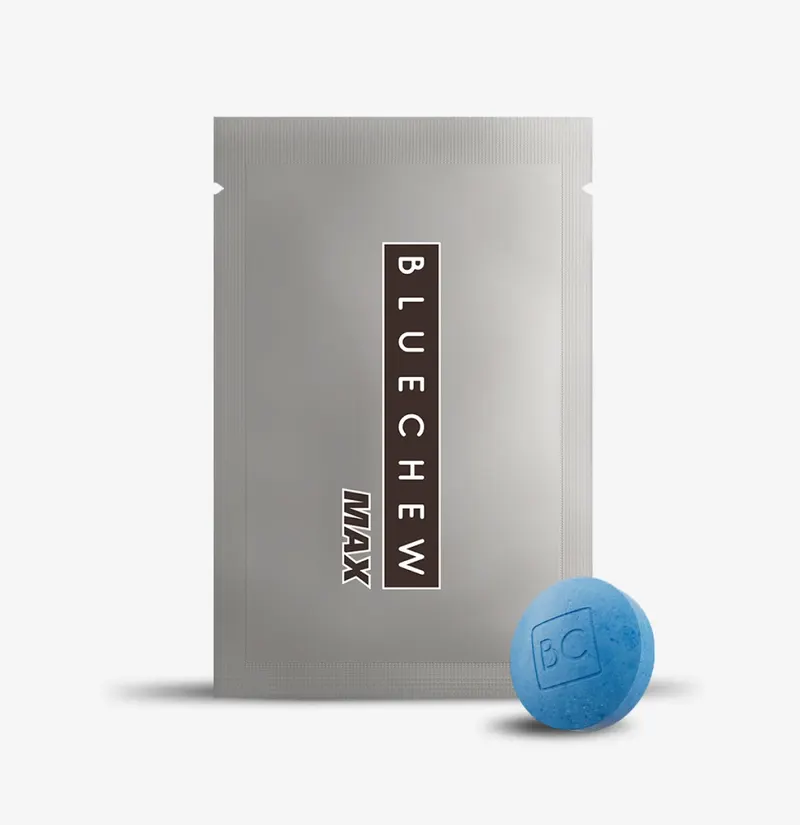
- MAX: 45 mg sildenafil + 18 mg tadalafil combo, lasting up to 36 hours
- VMAX: 14 mg vardenafil + 18 mg tadalafil combo, lasting up to 36 hours
- GOLD: sildenafil, tadalafil, oxytocin, and apomorphine sublingual tablet, lasting up to 36 hours
For new customers, MAX and GOLD are the available plan options. GOLD is a sublingual tablet that includes sildenafil, tadalafil, oxytocin, and apomorphine.
Learn more about GOLD timing to set expectations together.
Starting Treatment Together
For couples ready to explore BlueChew, the process is straightforward:
- Complete the online intake.
- Receive a licensed provider review.
- If prescribed, receive discreet shipping.
- Discuss timing and expectations together.
Some couples find that simply having a plan reduces pressure. It can turn an uncomfortable topic into a shared step forward.
You can also review the account guide to understand how patients manage account details online.

Frequently Asked Questions
How do I start talking about ED?
Choose a private, neutral setting where neither of you feels rushed or pressured. Lead with care by saying something like, “I miss feeling close to you, and I want us to talk about it together.” Avoid bringing it up during or immediately after sex, since that can make the conversation feel more sensitive.
Is it normal to feel rejected?
Yes, it is common to feel rejected when ED affects your relationship. However, ED is not a reliable sign that your partner has lost attraction or interest. It often involves physical, psychological, medication-related, or lifestyle factors that are not about you.
Should partners choose treatment together?
It can help to discuss treatment options together, especially if ED is affecting your relationship or intimacy. However, the person using treatment should make medical decisions with a licensed provider. Your role as a partner is to offer support, ask respectful questions, and help reduce pressure around the process.
How can we maintain intimacy?
Focus on connection instead of making intercourse the only goal. Kissing, cuddling, massage, sensual touch, and honest conversation can help you stay close while treatment is being explored. Reducing performance pressure can make intimacy feel more relaxed for both partners.
Are discreet options available?
Yes, telehealth platforms can make ED treatment feel more private and convenient. BlueChew offers online provider review and discreet shipping when compounded medication is prescribed. This can help couples take the first step without an in-person doctor visit or pharmacy pickup.
This article is provided for informational purposes only and does not constitute medical advice. The information presented is not a substitute for professional medical advice, diagnosis, or treatment. Always consult your healthcare provider to discuss the risks, benefits, and appropriateness of any treatment.
BlueChew offers access to healthcare providers who may prescribe compounded medications for the treatment of erectile dysfunction.
The featured products include compounded medications that have not been approved by the FDA. Compounded medications may be prescribed under federal law but are not the same as, nor are they generic versions of, any FDA-approved medication. The FDA does not review compounded medications for safety, effectiveness, or manufacturing quality of compounded products. A prescription will only be written if deemed appropriate after the digital consultation by the licensed medical provider. Individual results may vary.
BlueChew is not a compounding pharmacy but a telemedicine service that links patients to licensed medical providers.
BLUECHEW EDITORIAL STANDARDS
BlueChew is committed to providing accurate, clear, and up-to-date health information. Our writers and medical reviewers rely on peer-reviewed research, clinical guidelines, academic institutions, government health agencies, and professional medical organizations. Whenever possible, we cite primary sources and update our content as new evidence becomes available.
See something that needs correction? Let us know at blog@bluechew.com.


 Medically reviewed