Conversation Scripts for Bringing Up ED

Talking about erectile dysfunction can feel difficult, especially when the conversation involves a partner, a healthcare provider, or your own uncertainty about what is happening. Having the right words ready can make the first step feel more manageable. A scoping review on erectile disorder guidelines describes ED as repeated difficulty achieving or maintaining an erection and notes that it can involve vascular, nerve-related, hormonal, medication-related, psychological, or mixed causes.
The good news is that ED is a health issue, not a personal failure. Treatment options are available, and BlueChew offers discreet access to prescription compounded ED medications after an online provider review. This guide gives you practical scripts for talking with your partner, preparing for a medical conversation, and keeping communication open during treatment.
Key Takeaways
- Having exact phrases ready can make conversations about ED feel less intimidating.
- Timing and setting matter, especially when talking with a partner.
- Framing ED as a health issue can reduce shame and blame.
- Partner support can help keep the conversation calm and collaborative.
- BlueChew offers prescription compounded ED medications after an online provider review.

Understanding Erectile Dysfunction
Before using conversation scripts, it helps to understand what you are talking about. ED is a recurring difficulty getting or maintaining an erection firm enough for satisfying sexual activity. Occasional erection changes can happen, but recurring ED may be worth discussing with a healthcare provider.
Common Causes of ED
ED can have physical, psychological, lifestyle-related, or medication-related causes. Many men have more than one contributing factor.
Physical factors may include:
- Blood flow issues
- Cardiovascular health concerns
- Diabetes
- Nerve changes
- Hormonal changes
- Medication side effects
Psychological factors may include:
- Performance anxiety
- Relationship stress
- Depression
- General anxiety
- Work pressure
- Fear of disappointing a partner
Understanding ED this way can make the conversation easier. Instead of framing it as “I can’t perform,” you can frame it as “I want to understand what may be affecting my health.”
The Impact on Relationships
ED can affect both people in a relationship. The person experiencing ED may feel embarrassed or anxious, while the partner may worry that attraction or intimacy has changed. When neither person brings it up, both partners can end up feeling alone.
Breaking the silence can help reduce pressure. A calm conversation does not need to solve everything immediately, but it can make the next step feel possible.
Recognizing When to Seek Help
Not every erection change requires medical treatment. Temporary issues can happen for many reasons, including stress, sleep changes, alcohol, or relationship tension. However, recurring ED is worth discussing with a provider, especially if it starts affecting confidence, intimacy, or emotional wellbeing.
Signs Help May Be Useful
Consider reaching out when:
- ED happens repeatedly.
- The issue has lasted for several months.
- You are avoiding intimacy.
- It is affecting your relationship.
- It is affecting self-esteem.
- You also notice fatigue, mood changes, or other health concerns.
A provider can help identify possible causes and discuss treatment options. This can also help determine whether any broader health concerns need attention.
Scripts for Talking to Your Partner
Partner conversations can feel emotionally loaded. You may worry about disappointing someone you love, hurting your partner’s feelings, or making the problem feel bigger. A study on ED-related distress and communication compared distress, responsibility, and marital communication in patients and partners, which reinforces why the way couples talk about ED matters.
Choose the Right Moment
The best time to talk about ED is usually outside the bedroom. Choose a private, calm setting where both of you can speak without feeling exposed or rushed.
Good times to talk include:
- During a walk
- Over a relaxed meal
- During a quiet evening
- During a relationship check-in
- While sitting together calmly
Times to avoid include:
- During sex
- Right after sex
- During an argument
- When either person is exhausted
- When either person is distracted
The goal is to make the conversation feel safe, not urgent or confrontational.
Script 1: Reassurance First
“I’ve noticed we haven’t been as intimate lately, and I want you to know I love you. I’m not upset with you. I just want to understand what you’ve been feeling and how I can support you.”
This script works because it leads with reassurance. It also avoids blame while making space for your partner to respond honestly.
Script 2: Normalizing ED
“I’ve been reading that ED is common and treatable. I know this can be hard to talk about, but you do not have to deal with it alone. We can look at options together when you feel ready.”
This approach helps reduce shame. It also makes treatment feel like a shared step instead of a personal failure.
Script 3: Health-Focused
“I care about your health, and I know erection changes can sometimes have more than one cause. Would you feel open to talking with a provider? I can support you however you want.”
This script keeps the focus on wellness. It can feel less threatening because it frames ED as a health concern rather than a relationship judgment.
Script 4: Direct but Gentle
“I miss feeling close to you, and I’ve noticed intimacy has felt different lately. I’m not blaming you. I want us to be able to talk about what is happening and figure out what would help.”
This version is direct without being harsh. It acknowledges the change while keeping the tone collaborative.
What Not to Say
Certain phrases can increase shame or defensiveness. Even if you are hurt or confused, try not to lead with accusations.
Avoid saying:
- “What is wrong with you?”
- “Why can’t you just fix it?”
- “Are you not attracted to me?”
- “Just take something.”
- “This never used to happen.”
These comments can make ED feel like a failure. A better approach is to focus on connection, care, and next steps.
Using “I” Statements
“I” statements help you express your feelings without blaming your partner. They can be especially useful when the topic feels sensitive.
Instead of: “You never want sex anymore.”
Try: “I’ve been missing our physical closeness.”
Instead of: “You are avoiding me.”
Try: “I’ve been feeling distant from you, and I want to understand why.”
Instead of: “You need to see a doctor.”
Try: “I would feel better if we could talk to a provider together.”
This kind of wording keeps the conversation open. It also gives your partner less reason to feel attacked.

Scripts for Talking to a Provider
Talking to a healthcare provider about ED may feel uncomfortable, but it is a common medical topic. You do not need a perfect explanation. You only need to describe what is happening honestly.
Before the Appointment
Before a medical consultation, it can help to write down a few details.
Consider noting:
- Whether getting or keeping an erection is harder.
- How often it happens.
- How long it has been happening.
- Whether morning erections still happen.
- What medications you take.
- Any recent stress or health changes.
- What you want from treatment.
This information helps the provider understand the pattern. It also gives you something to rely on if you feel nervous during the conversation.
Scheduling Script
“I’d like to schedule an appointment to discuss a men’s health concern.”
You do not need to explain everything when scheduling. You can save the details for the provider.
Direct Opening Script
“I think I may have ED. I’ve been having trouble getting or keeping an erection, and I’d like to talk about what could be causing it.”
This is simple and clear. It helps the provider understand the concern right away.
Symptom-First Script
“I’ve noticed changes in my erections during sex. It has been happening more than once, and I want to understand what might be going on.”
This approach can feel easier if saying “ED” directly feels uncomfortable. It still gives the provider enough information to start asking useful questions.
Health-Context Script
“I’ve read that erection changes can sometimes be connected to other health factors. I want to make sure there is not something else I should address.”
This script frames the conversation around preventive care. It may help if embarrassment has been stopping you from asking for help.
What a Provider May Ask
A provider may ask about:
- Symptoms
- Medical history
- Current medications
- Blood pressure
- Diabetes risk
- Smoking
- Alcohol use
- Exercise
- Sleep
- Stress
- Anxiety or depression
- Relationship context
Answer as honestly as possible. The goal is not judgment; it is finding the safest and most appropriate next step.
Bringing Your Partner
Some people prefer to attend a medical visit alone, while others appreciate partner support. Either option is valid. If relationship stress or communication is part of the issue, involving your partner may help the provider understand the broader picture.
Script for inviting your partner:
“I have an appointment to talk about my erection issues. Would you be willing to come with me? I think your perspective might help, and I would feel supported having you there.”
This keeps the invitation respectful. It also makes clear that your partner is there for support, not blame.
Overcoming Conversation Barriers
Even with scripts, talking about ED can feel difficult. It helps to prepare for the thoughts that may keep you silent.
Barrier 1: “It’s Too Embarrassing”
Self-talk script:
“This is a health issue. I do not have to feel ready or confident to ask for help. I only need to take one step.”
Partner support script:
“I know this feels difficult. I respect you for talking about it, and I am not judging you.”
Embarrassment often gets smaller after the first conversation. Avoiding the topic usually gives it more power.
Barrier 2: “My Partner Will Blame Themself”
Reassurance script:
“I want you to know this is not about my attraction to you. I still want you and care about our intimacy. My body just is not responding the way I want it to right now.”
This reassurance can prevent your partner from making the issue about their attractiveness. It also keeps the focus on health and support.
Barrier 3: “Talking Will Make It Worse”
Counter-script:
“Silence is already creating pressure. Talking about it calmly may help us feel less alone. We do not have to solve everything today.”
This helps reduce the fear that one conversation has to fix the problem. The goal is to open communication, not force immediate answers.
Barrier 4: “My Partner May Get Defensive”
De-escalation script:
“I can tell this is hard to talk about. I am not trying to criticize you. I love you, and we can pause if you need time.”
This gives your partner space while keeping the door open. Sometimes the most productive move is to stop before the conversation becomes painful.

Following Up After Treatment Starts
The conversation should not end once treatment begins. Ongoing communication can help both partners feel supported while expectations, timing, or treatment details are adjusted.
Partner check-in script:
“How are you feeling about the treatment so far? I do not want to pressure you. I just want to know how I can support you.”
If treatment is not working as expected:
“I know we hoped this would work right away, but it may take adjustment. I am not disappointed in you. We can ask the provider about other options.”
Provider follow-up script:
“I have been using the medication as directed. Here is what I noticed: [improvements or issues]. Should we adjust anything?”
These follow-ups help keep the process collaborative. They also reduce the pressure to treat every intimate moment like a test.
How BlueChew Helps
One reason many men delay ED care is discomfort with discussing sexual health in person. BlueChew offers an online telemedicine platform that connects patients with licensed medical providers for prescription compounded ED medications.
The Online Process
BlueChew’s process is designed to be private and convenient.
The process includes:
- Online health intake
- Licensed provider review
- Prescription decision when appropriate
- Discreet shipping if prescribed
- Online account management
For many men, starting online can make the first step feel less intimidating. BlueChew’s guide to how BlueChew works explains the process in more detail.
Script for Mentioning BlueChew
Proactive approach:
“I’ve been thinking about my health and our intimacy. I found BlueChew, where I can complete an online provider review for ED treatment. I wanted to let you know because this affects both of us.”
Collaborative approach:
“I found an online option for ED treatment that seems more private than starting with an in-person visit. Would you be open to looking at it with me?”
Post-consultation approach:
“I completed an online intake with BlueChew. A provider will review my information and decide whether treatment is appropriate. I wanted to keep you included because I care about us.”
These scripts help make treatment part of an honest conversation. They also show your partner that you are taking action instead of avoiding the issue.
BlueChew Product Options
BlueChew provides prescription medications containing the active ingredients sildenafil, vardenafil, and tadalafil. Sildenafil, vardenafil, and tadalafil are the active ingredients in Viagra, Levitra, and Cialis, respectively.
BlueChew’s complete product lineup includes:
- SIL: 30 mg or 45 mg sildenafil, from $2.95/tablet, works in 15 minutes, lasting up to 6 hours
- TAD: 6 mg or 9 mg tadalafil, from $3.58/tablet, effective within 15 minutes, lasting up to 36 hours
- VAR: 8 mg vardenafil, from $4.34/tablet, takes effect in 15 minutes, lasting up to 6 hours
- DailyTAD: 9 mg tadalafil plus 7 essential vitamins, $2.23/tablet, lasting up to 36 hours
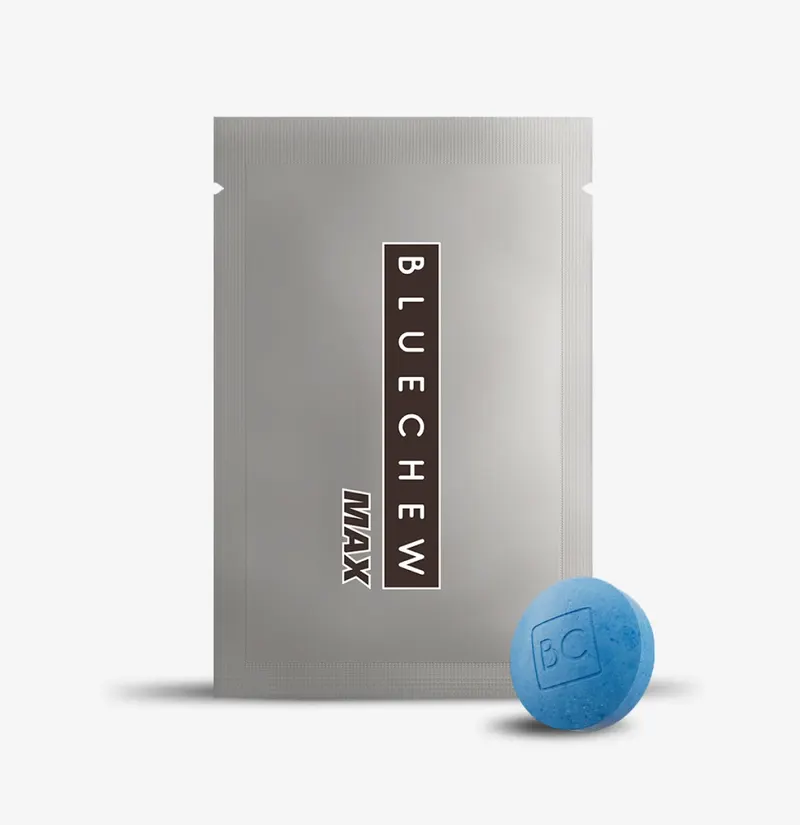
- MAX: 45 mg sildenafil + 18 mg tadalafil combo, $5.63/tablet, lasting up to 36 hours
- VMAX: 14 mg vardenafil + 18 mg tadalafil combo, $5.63/tablet, lasting up to 36 hours
- GOLD: sildenafil, tadalafil, oxytocin, and apomorphine sublingual tablet, from $7.30/tablet, lasting up to 36 hours
Frequently Asked Questions
How do I start a conversation about ED with my partner?
Choose a calm, private setting outside the bedroom where neither of you feels rushed. Lead with reassurance by making it clear that you care about your partner and want to handle the issue together. A simple script like “I miss feeling close to you, and I want us to talk about it” can open the door without blame.
Is it normal to feel embarrassed about ED?
Yes, it is normal to feel embarrassed, especially because ED can feel tied to confidence and identity. That said, ED is a health concern, not a personal failure. Preparing a few simple phrases before the conversation can make it easier to ask for support or speak with a provider.
What is the difference between chewable and sublingual options?
Chewable tablets are chewed and swallowed, while sublingual tablets are placed under the tongue. BlueChew offers chewable and sublingual compounded medications depending on the product and subscriber eligibility. SIL, VAR, TAD, MAX, VMAX, and GOLD are sublingual tablets, while DailyTAD is available as a chewable tablet.
Can BlueChew help with ED?
BlueChew offers access to prescription compounded ED medications after an online provider review. A licensed provider reviews health information and determines whether treatment is appropriate. If ED also involves stress, anxiety, or relationship pressure, counseling or sex therapy may be helpful alongside medical treatment.
How quickly can treatment start?
Timing depends on the provider review, prescription decision, shipping, and the specific medication prescribed. BlueChew’s product lineup includes options with different listed onset and duration windows, including options that may last up to 36 hours. A provider can help determine which option fits the patient’s health history, treatment goals, and medication safety needs.
This article is provided for informational purposes only and does not constitute medical advice. The information presented is not a substitute for professional medical advice, diagnosis, or treatment. Always consult your healthcare provider to discuss the risks, benefits, and appropriateness of any treatment.
BlueChew offers access to healthcare providers who may prescribe compounded medications for the treatment of erectile dysfunction.
The featured products include compounded medications that have not been approved by the FDA. Compounded medications may be prescribed under federal law but are not the same as, nor are they generic versions of, any FDA-approved medication. The FDA does not review compounded medications for safety, effectiveness, or manufacturing quality of compounded products. A prescription will only be written if deemed appropriate after the digital consultation by the licensed medical provider. Individual results may vary.
BlueChew is not a compounding pharmacy but a telemedicine service that links patients to licensed medical providers.
Other Helpful Articles