Key Takeaways
Key Takeaways
SEX6 minute read
The Connection Between Emotional Intimacy and Erectile Function

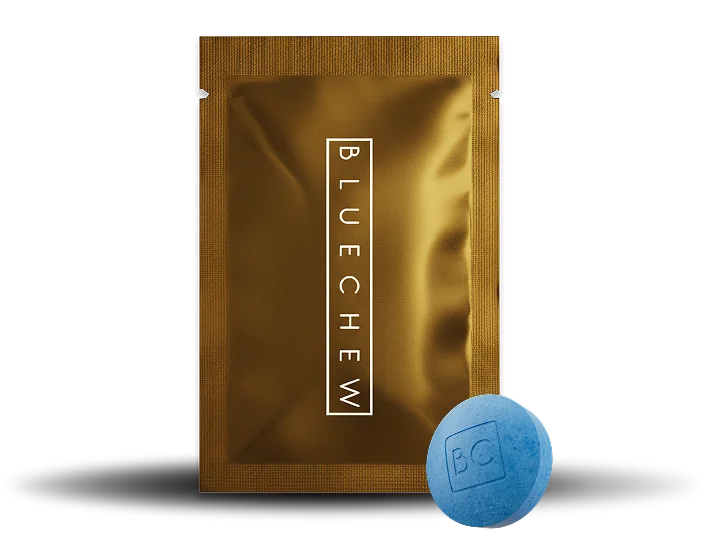
When erections don't cooperate, most men immediately think about blood flow, hormones, or physical health. But here's what the research actually reveals: psychological factors are a common contributor to ED. That means your emotional connection with your partner, stress levels, and mental state may matter just as much as circulation when it comes to getting and staying hard. For men navigating both the physical and psychological sides of sexual performance, BlueChew GOLD offers a multi-ingredient approach that combines PDE5 inhibitors with additional compounds involved in arousal-related pathways.
The good news? Understanding how emotional intimacy shapes erectile function gives you more tools to work with, not fewer. And when you address both mind and body, the results tend to stick around longer.
Key Takeaways
- Psychological factors dominate ED in men under 40, with relationship dynamics and emotional connection playing significant roles
- Combined treatment approaches—medication plus communication or therapy—show superior long-term outcomes compared to medication alone
- Performance anxiety creates a self-perpetuating cycle that can be interrupted with the right strategies
- Partner involvement significantly improves treatment success and relationship satisfaction
- BlueChew GOLD is formulated to address multiple pathways involved in erectile function through its four-ingredient formula
Understanding Erectile Dysfunction: Beyond the Physical Symptoms
Erectile dysfunction affects over 30 million men in the US, and while cardiovascular health, diabetes, and hormonal imbalances certainly play roles, the picture is more nuanced than most men realize. ED isn't just a plumbing problem—it's often a whole-body, whole-mind situation.
The multi-faceted nature of ED:
- Vascular factors: Blood flow issues remain the most commonly discussed cause
- Neurological components: Brain signals must reach the penis for arousal to translate into erection
- Hormonal balance: Testosterone and other hormones influence desire and function
- Psychological factors: Anxiety, depression, stress, and relationship issues directly impact arousal
- Relationship dynamics: Emotional disconnection can manifest physically in the bedroom
Research from a study examining attachment patterns found that, in that sample of men with ED, all participants showed high attachment avoidance, with 69.6% tending toward a dismissive-avoidant pattern. This suggests that how men connect emotionally in relationships has measurable effects on sexual function.
Physical vs. Psychogenic ED: How to Tell the Difference
Understanding whether your ED has primarily physical or psychological roots helps guide the most effective approach.
Signs pointing toward psychological causes:
- ED occurs with partners but not during masturbation
- Morning and nighttime erections remain intact
- Sudden onset that coincides with stress, relationship conflict, or life changes
- Normal cardiovascular health and testosterone levels
Signs pointing toward physical causes:
- Gradual onset over time
- Consistent across all situations
- Loss of morning erections
- Cardiovascular risk factors present
For most men, the reality is a mix of both. A mild physical issue can trigger performance anxiety, which worsens the problem—creating a cycle where mind and body compound each other's effects.
 Reviewed by a licensed provider
 How Emotional Intimacy Shapes Sexual Performance
Sexual arousal isn't just about physical stimulation. Your brain is your largest sex organ, and emotional connection with your partner directly influences what happens below the belt.
When you feel emotionally safe, connected, and desired, your nervous system shifts into a state that supports arousal. The parasympathetic system—your "rest and digest" mode—triggers nitric oxide release, blood vessel dilation, and ultimately, erection. But when emotional disconnection, resentment, or relationship tension enters the picture, the sympathetic "fight or flight" system takes over, and that system actively works against erections.
How emotional intimacy supports better sex:
- Trust reduces performance pressure: When you feel accepted regardless of what happens physically, anxiety decreases
- Vulnerability enhances arousal: Emotional openness often translates to physical responsiveness
- Communication improves timing: Partners who talk openly can better navigate when and how intimacy happens
- Shared experiences deepen desire: Couples who maintain emotional connection often report stronger attraction
Research on oxytocin in sexual response highlights one possible link between bonding-related neurochemistry and sexual function. Oxytocin increases during emotional bonding, physical touch, and orgasm, creating a neurochemical reinforcement loop between intimacy and pleasure.
The Impact of Emotional Disconnect on Desire
When emotional intimacy falters, sexual function often follows. Unresolved conflicts, feeling unappreciated, or emotional distance can suppress desire and arousal at a physiological level.
Research shows that erectile dysfunction can negatively affect a partner's sexual satisfaction and relationship well-being—highlighting how interconnected couples' sexual health really is. This creates a feedback loop where one partner's difficulties affect the other, potentially worsening the original problem.
Navigating Relationship Problems That Affect Your Sex Life
Relationship issues don't stay neatly contained outside the bedroom. Conflicts, communication breakdowns, and emotional distance often show up as sexual difficulties.
Common relationship factors contributing to ED:
- Unresolved arguments or lingering resentment
- Poor communication about needs and desires
- Emotional disconnection or feeling like roommates
- Partner's own sexual difficulties
- Trust issues or past betrayals
- Mismatched sexual desires or expectations
The good news is that addressing relationship issues often improves sexual function—sometimes even without additional medical intervention.
Open Communication: The Foundation of Intimacy
Starting the conversation about ED can feel daunting, but research consistently shows that involving a partner in ED treatment can improve communication, treatment engagement, and relationship satisfaction when the issue is addressed together rather than as an individual problem.
Effective conversation approaches:
- Choose the right moment: Not during intimacy or conflict—pick a relaxed, neutral setting
- Use "I" statements: "I've noticed some difficulties and want us to work through this together" works better than blame language
- Reassure your partner: Many partners wonder "Is it me?" Be clear that ED is a medical issue, not a reflection of attraction
- Explore solutions together: Research treatment options as a team, including what you both want from your intimate life
Red flags in communication patterns:
- Avoiding the topic and hoping it resolves on its own
- Bringing it up during arguments or intimate moments
- Minimizing the emotional impact ("It's not a big deal")
- Making unilateral decisions about treatment without partner input

Overcoming Performance Anxiety in the Bedroom
Performance anxiety is one of the most common psychological contributors to ED—and one of the most frustrating, because the worry itself causes the problem.
The Self-Perpetuating Anxiety Cycle
Here's how it typically unfolds:
- Initial trigger: A one-time ED episode (could be caused by fatigue, alcohol, stress)
- Worry develops: "Will this happen again?"
- Anticipatory anxiety: Stress before sexual encounters
- Stress hormones release: Cortisol and adrenaline prevent arousal
- ED occurs: The anxiety itself causes the physical failure
- Reinforcement: Fears confirmed, increasing future anxiety
This cycle can be incredibly persistent because the mechanism is self-fulfilling. But here's what's helpful to know: it can also be interrupted.
Breaking the Performance Anxiety Cycle
Strategies that work:
- Reframe intimacy: Focus on connection and pleasure rather than penetration as the goal
- Sensate focus exercises: Structured touch-based activities that remove performance pressure
- Mindfulness techniques: Stay present rather than catastrophizing about what might happen
- Medication support: Reliable erections from ED medication can interrupt the anxiety cycle and rebuild confidence
- Partner reassurance: Creating emotional safety reduces anxiety triggers
Cognitive behavioral therapy (CBT) approaches have shown improved outcomes when combined with medication, particularly for men whose ED has a strong performance-anxiety or psychogenic component.
Understanding dopamine's role in desire also explains why brain-based approaches matter. Dopamine drives desire and arousal at a neurological level, and anxiety states actively suppress dopamine signaling.
The Role of Mental Health in Erectile Function
Mental health and sexual health are deeply intertwined. Depression increases ED risk 3-fold, and the relationship goes both ways—ED can trigger depression, and depression can cause ED.
Depression and ED: A Bidirectional Challenge
How depression affects erections:
- Disrupts neurotransmitters (serotonin, dopamine) involved in arousal
- Blunts the brain's pleasure response
- Leads to withdrawal from intimacy and social situations
- SSRI medications used for treatment cause sexual dysfunction in 25-73% of users
Other mental health factors:
- 23% of men seeking ED treatment have social anxiety disorder
- PTSD increases sexual dysfunction risk by 3x
- Chronic stress creates lasting vascular changes that affect erectile function
If you're experiencing depression or anxiety alongside ED, addressing the mental health component isn't optional—it's essential for lasting improvement.
Effective Erectile Dysfunction Treatment Options
The most effective approach to ED typically isn't "either medication or therapy"—research shows combined approaches work better than either alone.
Why Combined Treatment Works Better
A systematic review of 13 studies found that psychological intervention combined with PDE5 inhibitor medication was more effective than medication alone in men with psychogenic ED. Combined approaches showed:
- Better erectile-function outcomes for psychogenic ED than medication alone
- Better long-term sexual satisfaction in several studies
- Higher treatment adherence compared to medication alone
- Greater partner satisfaction with outcomes
Medication alone has discontinuation rates of 14-50%, often because men don't see the full results they hoped for when underlying psychological factors go unaddressed.
Treatment Approaches at a Glance
PDE5 inhibitors alone work best for primarily physical ED, with 60-80% effectiveness rates.
CBT combined with medication shows improved outcomes for performance anxiety and psychogenic ED, particularly when treatment addresses the anxiety cycle directly.
Couples therapy combined with medication helps relationship-related ED by improving communication and partner involvement in the treatment process.
Combined comprehensive approaches that address both physical and psychological factors show the best outcomes for men with mixed ED causes.
BlueChew GOLD: Addressing Mind and Body for Better Intimacy
For men whose ED involves both physical and psychological components—which describes most cases—BlueChew GOLD is formulated to support multiple components involved in erectile function, including blood-flow and arousal-related pathways.
What Makes GOLD Different
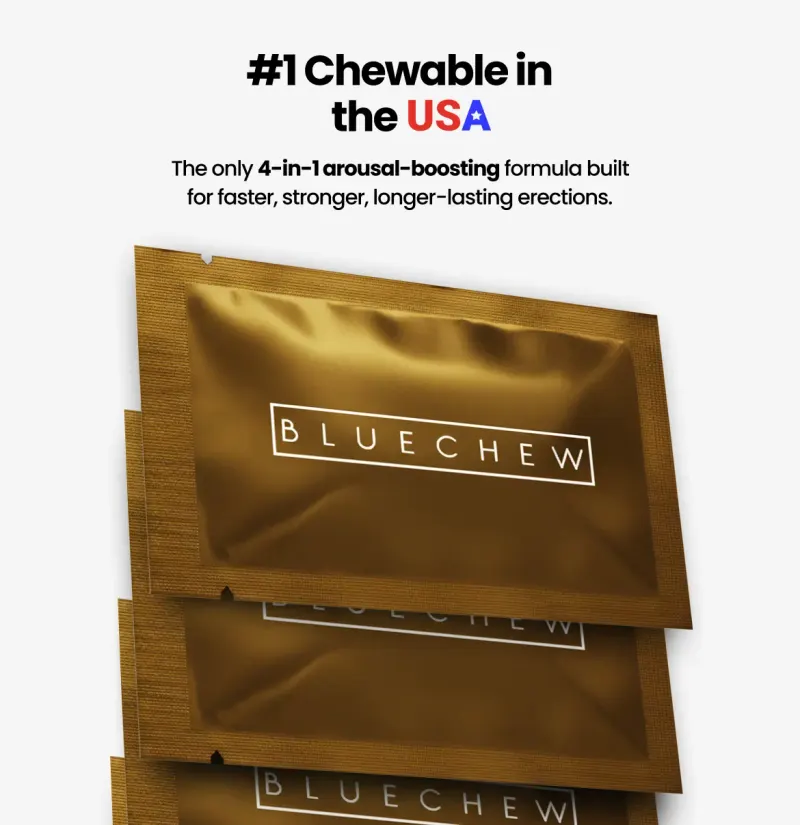
GOLD is a sublingual tablet containing four active ingredients designed to work together:
- Sildenafil + Tadalafil: These PDE5 inhibitors support blood flow to achieve and maintain erections
- Apomorphine: A dopamine agonist that supports brain-based arousal and desire
- Oxytocin: A hormone involved in bonding and social behavior that is being studied for its role in sexual response
This combination is designed to support both blood-flow and arousal-related pathways involved in erectile function. By combining support for blood flow with compounds involved in arousal-related pathways, GOLD is positioned as a broader formulation than single-ingredient ED medications.
The sublingual format means faster onset compared to traditional tablets—placed under the tongue, the medication absorbs directly into the bloodstream. Effects can last up to 36 hours, allowing for spontaneity rather than rigid timing.
Who GOLD Works Well For
GOLD may be particularly suited for men experiencing:
- Performance anxiety that creates a self-perpetuating cycle
- ED related to stress, relationship issues, or emotional factors
- Situations where desire feels disconnected from physical response
- Mixed ED with both physical and psychological components
- Partial response to single-ingredient PDE5 inhibitors
BlueChew's Complete Lineup
While GOLD is designed for comprehensive support, BlueChew offers multiple options depending on your needs.
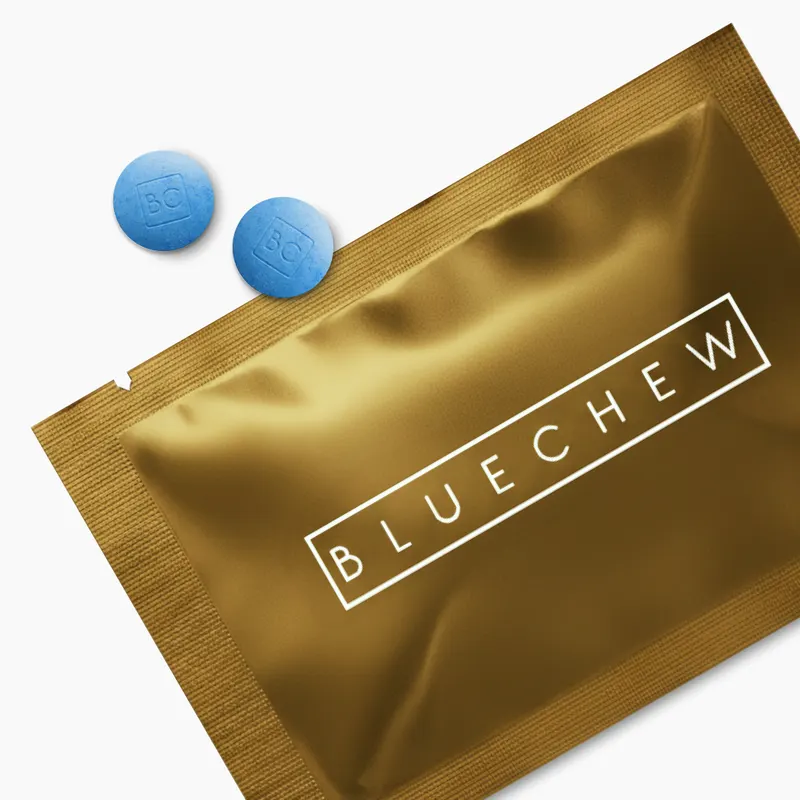
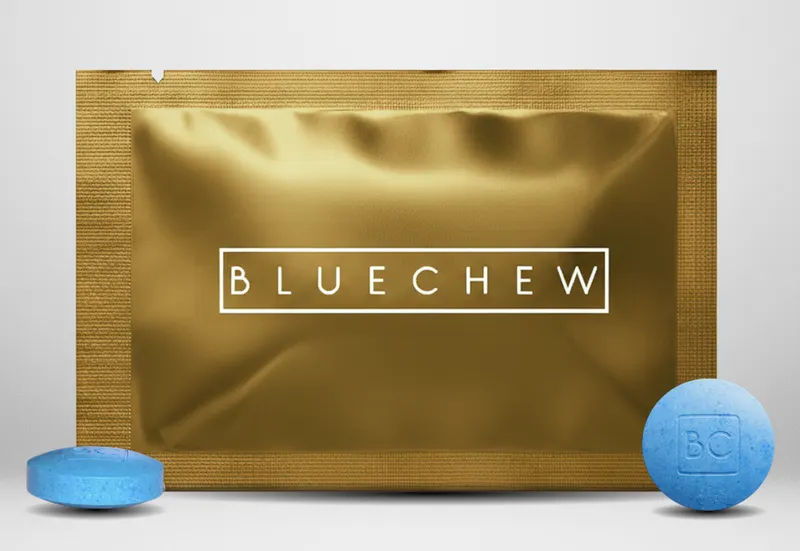
DailyTAD comes in a chewable tablet. SIL, VAR, TAD, MAX, VMAX, and GOLD are available as a sublingual tablet.
BlueChew’s complete product lineup includes:
- SIL: 30 mg or 45 mg sildenafil, works within 15 minutes, lasting up to 6 hours
- TAD: 6 mg or 9 mg tadalafil, effective within 15 minutes, lasting up to 36 hours
- VAR: 8 mg vardenafil, takes effect within 15 minutes, lasting up to 6 hours
- DailyTAD: 9 mg tadalafil plus 7 essential vitamins, lasting up to 36 hours
- MAX: 45 mg sildenafil + 18 mg tadalafil combo, lasting up to 36 hours
- VMAX: 14 mg vardenafil + 18 mg tadalafil combo, lasting up to 36 hours
- GOLD: sildenafil, tadalafil, oxytocin, and apomorphine sublingual tablet, lasting up to 36 hours
Ready to explore which option fits your situation? Understanding BlueChew is a great place to start, and you can set up your account in minutes to connect with a licensed provider.
Taking the Next Step: A Comprehensive Approach
The connection between emotional intimacy and erectile function isn't just theoretical—it's backed by research and plays out in real relationships every day. For men experiencing ED, addressing both the physical mechanisms and the psychological components offers the best path forward.
BlueChew provides prescription medications containing the active ingredients sildenafil, vardenafil, and tadalafil. Sildenafil, vardenafil, and tadalafil are the active ingredients in Viagra, Levitra, and Cialis, respectively. Whether you choose a single-ingredient option like SIL, TAD, or VAR, a combination formulation like MAX or VMAX, or the comprehensive GOLD formulation, you're taking an important step toward addressing ED on your terms.
Combined with open communication with your partner, stress management, and attention to your relationship health, medication can help interrupt the performance anxiety cycle and rebuild confidence. The goal isn't just functional erections—it's reclaiming intimacy, connection, and satisfaction in your relationship.
Frequently Asked Questions
Can emotional problems directly cause erectile dysfunction?
Yes. Research shows that psychological factors are a common contributor to ED in men under 40. Stress, anxiety, depression, relationship conflicts, and performance pressure can all directly interfere with the neurological signals and hormonal states required for erection. Emotional factors trigger the sympathetic nervous system (fight-or-flight mode), which actively works against the parasympathetic arousal state needed for erections.
How important is communication with my partner when dealing with ED?
Partner involvement significantly improves outcomes. Studies show that involving a partner in ED treatment can improve communication, treatment engagement, and relationship satisfaction when the issue is addressed together rather than as an individual problem. Open communication reduces shame, helps partners understand it's not about attraction, and allows couples to explore solutions as a team. Avoiding the conversation often makes things worse for both partners.
Can BlueChew help if my ED is primarily caused by performance anxiety or stress?
BlueChew GOLD is formulated to support multiple components involved in erectile function, including blood-flow and arousal-related pathways. Unlike single-ingredient medications that only address blood flow, GOLD includes apomorphine (a dopamine agonist supporting brain-based arousal) and oxytocin (a hormone involved in bonding and social behavior). This combination is intended to provide physical support for erections while also targeting arousal-related pathways.
What's the difference between physical and psychogenic ED, and how does treatment vary?
Physical ED typically shows gradual onset, affects all situations consistently (including morning erections), and often relates to cardiovascular health or other medical conditions. Psychogenic ED tends to have sudden onset coinciding with stress or relationship changes, affects erections with partners but not during masturbation, and preserves morning erections. Most ED involves a mix of both. Treatment for physical ED focuses on blood flow support, while psychogenic ED benefits from addressing anxiety, relationship dynamics, and emotional factors. Combined approaches that address both dimensions show the best long-term results.
When should I consider seeking professional help for ED related to emotional issues?
Consider seeking help if: ED persists despite lifestyle changes; you're experiencing depression or anxiety symptoms beyond sexual situations; relationship strain is worsening; you've tried medication but aren't seeing expected results; or ED is significantly affecting your quality of life or relationship. A healthcare provider can help determine whether physical factors need evaluation, and therapists specializing in sexual health can address psychological components. Many men benefit from both medical treatment and therapeutic support working together.
This article is provided for informational purposes only and does not constitute medical advice. The information presented is not a substitute for professional medical advice, diagnosis, or treatment. Always consult your healthcare provider to discuss the risks, benefits, and appropriateness of any treatment.
BlueChew offers access to healthcare providers who may prescribe compounded medications for the treatment of erectile dysfunction.
The featured products include compounded medications that have not been approved by the FDA. Compounded medications may be prescribed under federal law but are not the same as, nor are they generic versions of, any FDA-approved medication. The FDA does not review compounded medications for safety, effectiveness, or manufacturing quality of compounded products. A prescription will only be written if deemed appropriate after the digital consultation by the licensed medical provider. Individual results may vary.
BlueChew is not a compounding pharmacy but a telemedicine service that links patients to licensed medical providers.
BLUECHEW EDITORIAL STANDARDS
BlueChew is committed to providing accurate, clear, and up-to-date health information. Our writers and medical reviewers rely on peer-reviewed research, clinical guidelines, academic institutions, government health agencies, and professional medical organizations. Whenever possible, we cite primary sources and update our content as new evidence becomes available.
See something that needs correction? Let us know at blog@bluechew.com.



 Medically reviewed