Foreplay 101: How to Start Sex Before You're in Bed

If you think foreplay is just what happens for 10 minutes before sex, you're missing out on the whole opening act. Great intimacy starts long before the bedroom—with building anticipation, creating connection, and making your partner feel desired throughout the day. The truth is, foreplay isn't just a physical warm-up—it's a mental, emotional, and sensory experience that can begin hours (or even days) before you're anywhere near undressed.
Most couples rush through foreplay, treating it like a quick checkbox before getting to the "main event." But here's what changes everything: only around 18% of women achieve orgasm from penetration alone. That means the majority of satisfaction comes from everything else—the touching, the talking, the anticipation, and yes, the foreplay. When you start thinking about intimacy as an all-day experience instead of a 10-minute sprint, everything gets better for both of you.
The best part? Starting foreplay before you're in bed doesn't just improve your partner's experience—it reduces performance pressure, builds your confidence, and creates the kind of connection that makes physical intimacy more natural and enjoyable. Whether you're dealing with performance concerns or just want to take your intimate life to the next level, understanding how to build desire throughout the day is a game-changer.
Key Takeaways
- Foreplay begins hours before physical intimacy through texts, compliments, and small gestures that build anticipation
- Communication—both verbal and nonverbal—creates the emotional safety that leads to better physical connection
- Extended foreplay reduces performance anxiety by shifting focus from "getting it right" to mutual pleasure and exploration
- Simple daily habits like playful touch and genuine appreciation strengthen intimate bonds outside the bedroom
- Confidence in your ability to satisfy your partner comes from understanding what they need—and foreplay gives you time to figure that out

What Foreplay Really Means (Beyond the Physical)
Most of us learned that foreplay is kissing and touching right before sex. But that definition is way too narrow. Foreplay is actually any activity—physical, emotional, or mental—that builds sexual tension and desire. It's the flirty text you send at noon, the compliment you give over coffee, the way you hold eye contact a little longer than usual.
Think of sexual arousal like a slow-burning fire rather than flipping a light switch. Some people (often men) experience spontaneous desire—they think about sex and feel ready to go. But many people (especially women) have what's called responsive desire—they don't feel turned on until something stimulates that response.
This means your partner might need advance notice to mentally shift gears from work stress, parenting duties, or daily worries into a sexual mindset. When you start foreplay in the morning instead of waiting until bedtime, you give them that crucial time to let desire build naturally.
The Three Layers of Intimacy
- Mental intimacy starts with communication—sharing thoughts, fantasies, and desires. When you text "I can't stop thinking about you" during a workday, you're activating the mental arousal pathways that prime the brain for physical connection later.
- Emotional intimacy comes from feeling seen, valued, and safe with your partner. Small acts of appreciation, quality time together, and showing genuine interest in their day all contribute to the emotional closeness that makes physical intimacy better.
- Physical intimacy is the touching part—but it works best when the mental and emotional foundations are already in place. When you've been building connection all day, the physical part feels like a natural continuation rather than a sudden shift.

Morning Texts and Digital Anticipation
Want to know the simplest way to start foreplay before breakfast? Send a message that makes your partner think about you—and what might happen later.
The Psychology of Anticipation
Anticipation of pleasurable experiences activates reward centers in your brain. When you plant a seed of desire in the morning, your partner's mind returns to it throughout the day, building arousal naturally without any physical contact.
This works especially well for partners with responsive desire who need time to mentally prepare for intimacy. A morning comment like "I love that outfit on you... might like it even better off you tonight" gives them hours to think about sex, which increases the likelihood they'll actually be in the mood when evening arrives.
Try these text approaches:
- The compliment setup: "You looked amazing getting out of bed this morning. Can't wait to get you back there tonight."
- The mysterious hint: "I've been thinking about something I want to try with you later..."
- The direct approach: "Fair warning: I have plans for you after dinner."
- The playful tease: "Counting down to when I get you alone tonight."
Voice notes work even better than texts. Hearing your actual voice—maybe a little lower, a little slower—adds an intimacy that typed words can't quite capture.
Building Tension Throughout the Day
Don't just send one message and call it done. Creating sexual tension is about maintaining that thread of connection through small touches—both digital and physical when you're together.
If you're both home during the day, playful physical contact keeps the anticipation simmering. Grab your partner's waist as you pass in the kitchen. Kiss their neck while they're making coffee. These non-sexual touches throughout the day create physical intimacy that naturally leads to sexual connection later.
The key is consistency without being overwhelming. You're not trying to turn every moment into foreplay—you're just reminding your partner that you desire them, appreciate them, and are thinking about them.
Nonverbal Communication: The Silent Language of Desire
Sometimes the most powerful foreplay happens without saying a word. Your body language, the way you touch, how you look at your partner—these all send signals about desire and availability.
Reading and Sending Body Language Cues
Eye contact is probably the most underrated intimacy tool. Holding your partner's gaze for a few seconds longer than normal creates a moment of connection that can feel surprisingly intimate. Try it during dinner—make eye contact, let a small smile cross your face, and watch how they respond.
Physical proximity matters too. Standing a little closer when you talk, leaning in when they speak, finding small reasons to touch their arm or hand—these subtle moves communicate interest and desire without being overtly sexual.
The "getting warmer" principle applies here. Start with touch that's clearly affectionate but not sexual—hand-holding, shoulder rubs, playing with their hair. As the evening progresses and you're both relaxed, you can gradually move toward more intentionally sensual touch.
Creating an Inviting Environment
Studies show that environment significantly impacts arousal and sexual satisfaction. You can use nonverbal cues to signal your intentions without saying anything directly:
- Dimming the lights and lighting a candle while you're both still dressed
- Putting on music that you both associate with intimacy
- Clearing the bedroom of distractions (phones away, door closed)
- Wearing something you know your partner finds attractive
These environmental setups communicate "I'm thinking about us being intimate" without the pressure of a direct verbal request. Your partner picks up on these cues and can choose to engage or suggest another time—all without anyone having to feel rejected or pushy.
Creating Connection Through Everyday Acts
The strongest foundation for great sex isn't what happens in bed—it's what happens in your relationship every single day. Research shows that improved communication significantly contributes to both sexual and relationship satisfaction.
Small Gestures That Build Big Intimacy
Think about what makes your partner feel valued and appreciated. It's different for everyone, but common themes include:
- Words of affirmation: Genuine compliments about their appearance, intelligence, humor, or character. Not just "you look nice" but "the way you handled that situation was impressive—I admire how thoughtful you are."
- Quality time: Putting your phone away during dinner, actually listening when they talk about their day, doing an activity together without distractions.
- Physical affection: Non-sexual touch like hugs, hand-holding, sitting close on the couch. Extended kissing releases oxytocin, the bonding hormone that creates emotional closeness.
- Acts of service: Handling a chore they usually do, bringing them coffee without being asked, taking something off their plate when they're stressed.
- When your partner feels appreciated and valued outside the bedroom, they're much more likely to want physical intimacy inside it. Resentment, feeling taken for granted, or emotional disconnection are all major barriers to desire.
The Connection Between Emotional Safety and Physical Openness
Sexual vulnerability requires emotional safety. When you know your partner won't judge you, mock you, or use your vulnerability against you, you can relax into intimacy instead of guarding yourself.
Building that safety happens through consistent, kind communication. When your partner expresses a preference or boundary, you respect it without making them feel bad. When they share something that didn't work for them, you listen without getting defensive. When they ask for what they need, you respond with curiosity rather than criticism.
This emotional groundwork is foreplay—it creates the conditions where both of you can show up fully, ask for what you want, and enjoy the experience without fear or pressure.
Engaging All Five Senses
Great foreplay isn't just about touch—it's about creating a complete sensory experience that engages sight, sound, smell, taste, and touch.
Scent: The Most Direct Path to Arousal
Your sense of smell connects directly to the brain's limbic system, which processes emotion and memory. Wearing a cologne or perfume your partner loves, using scented candles, or even the natural scent of clean skin can trigger arousal responses.
Some people find that showering together is incredibly intimate foreplay—the combination of warm water, soap scents, and being naked together in a non-sexual context creates closeness and comfort.
Touch: Beyond the Obvious Zones
Extended touching and massage before moving to more sensitive areas allows arousal to build gradually. Start with shoulders, back, hands, or feet. Use different pressures and speeds to keep things interesting.
Temperature play adds another dimension—warm massage oil or a cool touch from ice can heighten nerve sensitivity. The contrast between warm and cool sensations keeps your partner focused on physical sensation rather than getting stuck in their head.
Sound: The Power of Voice
Verbal reassurance during foreplay matters more than most people realize. Simple phrases like "you feel amazing" or "I love touching you" provide positive feedback that reduces anxiety and increases pleasure.
Music can also set the mood—something that makes you both relax and feel connected. Avoid anything too distracting or with lyrics that might pull you out of the moment.
What to Say (and When to Say It)
Verbal communication during intimacy can feel vulnerable, but couples who talk openly about sex report higher satisfaction levels. The trick is finding natural ways to communicate that don't feel forced or clinical.
Compliments That Build Desire
Throughout the day, offer specific compliments that show you notice and appreciate your partner:
- "That color looks incredible on you"
- "I love how passionate you get when you talk about [their interest]"
- "You have no idea how attractive you are when you're focused like that"
These aren't just foreplay techniques—they're relationship builders that happen to create desire as a side effect.
During Intimacy: Guidance Without Criticism
When you're physically together, positive direction works better than criticism:
- Instead of "not like that," try "I really love it when you..."
- Instead of "that doesn't work," try "could we try this instead?"
- Ask questions: "Does this feel good?" or "Should I keep doing this?"
- Offer encouragement: "That's perfect" or "don't stop"
The goal is creating a feedback loop where both of you feel confident asking for what you want and giving your partner guidance without anyone feeling inadequate.
Discussing Preferences Outside the Bedroom
Some conversations about sex work better when you're not in the middle of it. Find a relaxed moment—maybe over dinner or during a walk—to check in:
"I've been thinking about our intimate life, and I'd love to try [something new]. What do you think?"
"What's something you've always wanted to try but haven't mentioned?"
"Is there anything I do that you especially love? I want to make sure I do more of that."
These conversations normalize talking about sex and make it easier to communicate in the moment.
Confidence When Performance Concerns Show Up
Here's something that doesn't get said enough: performance anxiety itself can interfere with your ability to relax and enjoy intimacy. When you're worried about whether you'll "perform well," that stress creates the exact problem you're trying to avoid.
Extended foreplay helps with this in multiple ways. First, it shifts the focus from penetration to pleasure—when oral sex, manual stimulation, and toys are all part of the experience, there's less pressure for any one thing to be "the main event."
Second, focusing on your partner's pleasure takes your mind off your own performance. Research shows that men who concentrate on providing pleasure rather than achieving erection report better sexual experiences and reduced anxiety.
When You Want Extra Support
If performance concerns are affecting your confidence or ability to initiate intimacy, know that you're not alone—and there are solutions designed specifically for this.
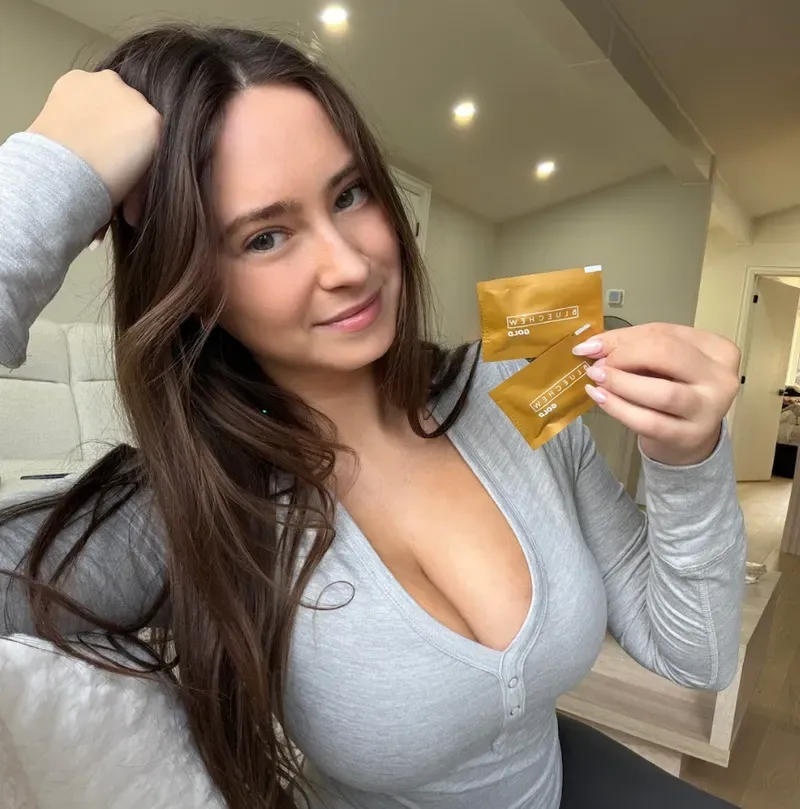
BlueChew provides prescription medications containing the active ingredients sildenafil, vardenafil, and tadalafil. Sildenafil, vardenafil, and tadalafil are the active ingredients in Viagra, Levitra, and Cialis, respectively.
Our product lineup offers options tailored to different needs:
- SIL: 30 mg or 45 mg sildenafil, works within 15 minutes, lasting up to 6 hours
- TAD: 6 mg or 9 mg tadalafil, effective within 15 minutes, lasting up to 36 hours
- VAR: 8 mg vardenafil, takes effect within 15 minutes, lasting up to 6 hours
- DailyTAD: 9 mg tadalafil plus 7 essential vitamins, lasting up to 36 hours
- MAX: 45 mg sildenafil + 18 mg tadalafil combo, lasting up to 36 hours
- VMAX: 14 mg vardenafil + 18 mg tadalafil combo, lasting up to 36 hours
- GOLD: sildenafil, tadalafil, oxytocin, and apomorphine sublingual tablet, lasting up to 36 hours
The point isn't replacing connection and foreplay with medication. It's about removing one source of anxiety so you can focus on what matters: building anticipation, communicating with your partner, and enjoying the experience together. When you're confident in your physical response, you can relax into the mental and emotional aspects of intimacy that make sex truly satisfying.
Many customers find that combining prescription support with the foreplay techniques we're discussing creates the best overall experience—the medication handles the physical side while communication and connection handle everything else.
Timing Your Approach: Morning, Afternoon, and Evening
Different times of day offer different advantages for building intimacy and desire.
Morning: The Testosterone Window
Testosterone levels peak in the early morning for most people, which can mean higher spontaneous desire. Morning sex or morning foreplay takes advantage of this natural hormonal rhythm.
Even if you don't have time for full intimacy before work, morning connection sets the tone. A longer-than-usual kiss goodbye, a suggestive comment, or a few extra minutes of closeness all plant seeds for later.
Afternoon: The Surprise Element
There's something thrilling about breaking routine. An unexpected text during the workday, a surprise lunch date, or coming home midday if schedules allow all create novelty that activates dopamine—the pleasure and motivation neurotransmitter.
Evening: The Wind-Down Connection
Evening intimacy works well when you build it into your unwinding routine. Showering together, giving each other massages, or just spending distraction-free time together all serve as natural transitions from daily stress to intimate connection.
The key is understanding your partner's energy patterns. Some people feel most energetic and open in the morning, while others don't fully relax until evening. Matching your approach to their natural rhythms increases the chances you're both on the same page.
Physical Foreplay Techniques Worth Trying
When you've built anticipation throughout the day and you're finally together, here's how to make the physical part as satisfying as possible.
Start Slow and Build Gradually
Extended kissing activates oxytocin release and serves as a transition into more intimate touch. Kiss like you did when you first got together—not just a quick peck, but making out like it's the main activity rather than just a step on the way to something else.
Move from kissing to touching non-sexual areas: back, neck, arms, thighs. This gradual escalation allows arousal to build naturally rather than rushing straight to the most sensitive areas.
Oral and Manual Stimulation
For partners with vulvas, remember that only 18% achieve orgasm from penetration alone—which means clitoral stimulation during foreplay isn't optional; it's essential. Take your time, pay attention to responses, and don't treat this as a quick checkbox before moving on.
For partners with penises, touch that varies in pressure and speed maintains interest and arousal. Avoid making everything goal-oriented—the point is pleasure and connection, not racing toward orgasm.
The Power of Teasing and Anticipation
Get close to more sensitive areas, then pull back. Build anticipation by slowing down when your partner seems most aroused. This "edging" approach—bringing them close to peak arousal then backing off—can intensify the eventual experience.
The key is reading their responses. If they're pulling you closer or asking for more, you know the teasing is working. If they seem frustrated rather than excited, adjust your approach.
Frequently Asked Questions
How long should foreplay actually last?
Longer foreplay is associated with higher orgasm rates in several studies. That said, there's no "right" answer—the best duration is whatever feels good for both of you. Some encounters benefit from extended foreplay, while others work better with less buildup. The important thing is ensuring both partners have time to become fully aroused rather than rushing for the sake of efficiency.
What if my partner doesn't seem interested in foreplay?
First, have a conversation outside the bedroom about what they enjoy and what they're comfortable with. Some people prefer different types of stimulation, and what you think of as "foreplay" might not match what actually turns them on. They might prefer different timing, different activities, or a different approach altogether. Communication about preferences is the foundation—find out what actually works for them rather than assuming.
How do I initiate foreplay without making it feel forced?
The best initiation often doesn't feel like initiation at all—it's a natural continuation of the connection you've been building all day. Start with affectionate, non-sexual touch while you're both relaxed. Pay attention to how your partner responds. If they lean into your touch, reciprocate it, or seem receptive, you can gradually increase the intimacy. If they seem distracted or pull away, it might not be the right time. Creating a pattern where you both feel comfortable saying "not tonight" without guilt makes it easier to say "yes" when the timing is right.
Can foreplay help with performance anxiety?
Absolutely. Extended foreplay reduces performance pressure by shifting the focus from "achieving erection and completing intercourse" to "providing and experiencing pleasure." When you and your partner both understand that satisfying sex includes oral, manual, and other types of stimulation—not just penetration—there's less pressure to perform in any specific way. Many men find that when they stop worrying about their erection and focus on their partner's pleasure, their own physical response improves naturally.
What if we're in a long-term relationship and foreplay has become routine?
Novelty activates dopamine and reignites excitement. Try mixing up your routine: different locations, different times of day, new techniques, or incorporating elements you haven't explored before. Sometimes just changing small details—lights on instead of off, music you've never used, starting in a different room—can make familiar activities feel fresh. Long-term couples often fall into patterns, but breaking those patterns doesn't require dramatic changes. Even small variations can restore that sense of discovery and anticipation.
BLUECHEW EDITORIAL STANDARDS
This article is provided for informational purposes only and does not constitute medical advice. The information presented is not a substitute for professional medical advice, diagnosis, or treatment. Always consult your healthcare provider to discuss the risks, benefits, and appropriateness of any treatment.
BlueChew offers access to healthcare providers who may prescribe compounded medications for the treatment of erectile dysfunction.
The featured products include compounded medications that have not been approved by the FDA. Compounded medications may be prescribed under federal law but are not the same as, nor are they generic versions of, any FDA-approved medication. The FDA does not review compounded medications for safety, effectiveness, or manufacturing quality of compounded products. A prescription will only be written if deemed appropriate after the digital consultation by the licensed medical provider. Individual results may vary.
BlueChew is not a compounding pharmacy but a telemedicine service that links patients to licensed medical providers.
RELATED ARTICLES


Have Better Sex
- 100% online process
- No office visit required
- Discreet shipping, if prescribed
*Prescription products require an online review by a licensed provider. Restrictions apply.

 Medically reviewedEvery article is reviewed by a licensed provider on the BlueChew medical team.