How to Keep Sexual Chemistry Strong in Long-Term Love

If you've been with your partner for years, you might notice that the white-hot spark you felt early on has settled into something more... comfortable. Maybe you're wondering if that sizzling chemistry is just supposed to fade. The short answer? It doesn't have to. The reality is that sexual chemistry in long-term relationships doesn't disappear—it transforms. And with the right approach, you can keep that connection vibrant, exciting, and deeply satisfying.
Here's the thing: maintaining sexual chemistry isn't about recapturing exactly what you had in those early months. It's about intentionally cultivating something even better—a connection that combines deep emotional intimacy with playful exploration. Research shows that approximately 13% of long-term couples maintain intense romantic and sexual passion in long-term relationships. What do they know that others don't? They understand that great long-term intimacy requires both psychological and physical elements working together.
Whether you're noticing a dip in desire, feeling stuck in a routine, or just want to take your intimate life to the next level, this guide will give you practical strategies to reignite and sustain that spark. We'll explore everything from communication techniques to novelty-building, emotional connection to physical confidence—because keeping chemistry alive means addressing all the pieces of the puzzle.
Key Takeaways
- Sexual chemistry in long-term relationships requires intentional effort—it's about shifting from spontaneous to purposeful connection
- Open communication about desires and boundaries significantly increases sexual satisfaction, making it your most powerful tool
- Emotional intimacy and physical chemistry feed each other—daily connection predicts sexual desire up to 12 months later
- Novelty and psychological arousal matter as much as physical stimulation for sustained passion
- Performance concerns don't have to dampen chemistry—addressing them openly can actually strengthen your bond

Understanding How Sexual Chemistry Evolves
Sexual chemistry isn't static—it changes as your relationship deepens. In the beginning, your brain is flooded with hormones like dopamine, norepinephrine, and oxytocin that create that intoxicating rush. But in long-term relationships, maintaining chemistry requires shifting from hormone-driven spontaneous desire to psychologically-generated arousal.
This doesn't mean the passion is gone—it means you're building something more sustainable. Think of it as moving from fireworks to a well-tended flame that can burn just as hot when you stoke it right.
The dual-control model of arousal explains why this matters. Sexual arousal depends on two systems: exciters (turn-ons) and inhibitors (turn-offs). In new relationships, everything is novel and exciting, so the exciters are firing on all cylinders while inhibitors are low. In long-term relationships, the challenge is that inhibitors start stacking up—stress, exhaustion, resentment, routine—while those early exciters lose their punch.
The good news? You can actively manage both systems. By reducing inhibitors (addressing stress, conflict, and fatigue) and ramping up exciters (novelty, anticipation, emotional connection), you create the conditions for sexual chemistry to thrive.
The Foundation: Emotional Intimacy Fuels Physical Chemistry
You might think sexual chemistry is all about what happens in the bedroom, but the research tells a different story. Emotional intimacy predicts sexual satisfaction over 12-month periods, with daily emotional closeness having lasting positive effects on sexual desire.
Building Deeper Emotional Connection
Emotional intimacy creates the safety and vulnerability that make great sex possible. When you feel truly seen, understood, and valued by your partner, you're more willing to be adventurous, communicate openly, and let go.
Try these daily connection practices:
- The 15-minute check-in - Spend a quarter-hour each day talking about something other than logistics. Share feelings, dreams, or just what made you laugh today.
- Non-sexual touch - Hold hands, hug for at least six seconds, cuddle while watching TV. Physical affection releases oxytocin, the bonding hormone that creates foundation for sexual connection.
- Active appreciation - Tell your partner something specific you appreciate about them. "I love how you made me coffee this morning" beats generic compliments.
- Vulnerability moments - Share something you're worried about or excited for. Letting your guard down builds intimacy.
Research shows that couples who develop detailed "Love Maps"—knowing each other's inner worlds, hopes, and dreams—report significantly higher sexual satisfaction. Everything positive you do in your relationship becomes foreplay.
Types of Intimacy That Support Sexual Connection
Relationship intimacy extends beyond the physical. Building multiple types of intimacy creates a stronger foundation for sexual chemistry:
- Emotional intimacy - Sharing feelings, fears, and vulnerabilities
- Intellectual intimacy - Engaging in meaningful conversations and shared interests
- Experiential intimacy - Creating memories together through adventures and experiences
- Spiritual intimacy - Connecting on values, purpose, and meaning
When you strengthen these different dimensions, your physical intimacy naturally deepens too.
Communication: The Secret Weapon for Lasting Chemistry
Here's a finding that might surprise you: research published in the Journal of Sex Research shows that communication about sexual preferences and desires is strongly associated with higher relationship and sexual satisfaction. Yet most couples avoid these conversations due to fear of judgment or hurting their partner's feelings.
How to Talk About Sex Without Killing the Mood
The key is making sexual communication feel natural, not clinical. Here are some approaches that work:
Outside the bedroom conversations:
- "I've been thinking about ways we could make our intimate time even more fun. Want to brainstorm together?"
- "I read something interesting about [technique/idea]. What do you think about trying that sometime?"
- "What's something you've been curious about but haven't mentioned?"
In-the-moment communication:
- "That feels amazing when you [specific action]"
- "Could we try [adjustment]? I think that would feel even better"
- "Tell me what you want right now"
The goal is to create a feedback loop where you're both comfortable expressing desires and preferences. Start with positive reinforcement—tell your partner what you love—before offering gentle suggestions for changes.
Navigating Desire Discrepancies
Understanding the difference between spontaneous desire (feeling aroused out of the blue) and responsive desire (arousal that emerges in response to physical stimulation or emotional connection) is crucial. Many people, especially in long-term relationships, experience responsive desire—meaning they need to create the context for arousal rather than waiting for it to strike.
Strategies that help:
- Schedule intimate time to build anticipation (yes, "scheduled sex" can be hot when you spend the day flirting and building tension)
- The lower-desire partner can initiate non-sexual physical intimacy to stay connected
- Explore PDE5 inhibitors like the ones offered by BlueChew or other options if physical performance is a factor
- Focus on "partnered strategies" (doing things together) rather than solitary ones
Reigniting Physical Chemistry: Practical Strategies
Many couples report experiencing sexual boredom at some point in long-term relationships. The antidote? Intentional novelty and psychological arousal.
The Power of Novelty
Novelty stimulates dopamine production—the brain's pleasure chemical that fuels attraction and desire. You don't need to do anything extreme; small changes can make a big difference.
Easy ways to introduce novelty:
- Change the location (different room, hotel, even a different spot in your bedroom)
- Vary the time of day (morning sex feels different than nighttime)
- Try new forms of touch or foreplay
- Share a fantasy or role-play scenario
- Introduce a new element (music, lighting, temperature play)
The research is clear: couples who maintain sexual excitement focus on generating "mind-based arousal" alongside physical stimulation. This means engaging your imagination, anticipation, and playfulness.
Beyond Intercourse: Expanding Your Definition of Intimacy
Many couples focus exclusively on penetrative sex, missing out on the psychological arousal that comes from "outercourse"—oral sex, manual stimulation, sensual massage, and everything else that isn't penetrative sex.
Expanding your intimate repertoire does two things: it takes pressure off performance and opens up new avenues for pleasure and connection. When sex becomes less goal-oriented, you can focus on the journey.
Building Anticipation Throughout the Day
Sexual chemistry doesn't start when you get into bed—it builds throughout the day. Think of arousal as having a gas pedal (exciters) and a brake (inhibitors). Your job is to press the gas pedal gradually while releasing the brake.
Anticipation-building techniques:
- Send flirty texts during the day
- Leave a suggestive note for your partner
- Dress in something that makes you feel confident
- Create a "willingness window"—20-30 minutes where you're both open to intimacy without pressure
- Use non-sexual touch as a preview of what's to come
Addressing Performance Concerns Openly
Performance anxiety and erectile challenges affect millions of men and can significantly impact relationship chemistry. But here's what the research shows: when couples address these issues together with open communication and practical solutions, it often strengthens their bond rather than weakening it.
When Performance Gets in the Way
Physical confidence plays a real role in sexual chemistry. If you're worried about maintaining an erection or lasting long enough, those concerns can create a cycle of anxiety that makes the problem worse.
The good news is that these challenges are highly treatable. Understanding that ED is a medical condition—not a personal failing—is the first step. Stress, fatigue, certain medications, and various health factors can all contribute.
The Role of Both Partners
Supporting each other through sexual challenges requires empathy, patience, and open dialogue. Partners can contribute to erectile confidence by:
- Creating a non-judgmental environment for discussion
- Focusing on pleasure and connection rather than just performance
- Being willing to explore different forms of intimacy
- Showing enthusiasm and desire regardless of erection status
Research shows that partners confirm benefits like improved sexual arousal and satisfaction when physical confidence is addressed. When both people feel secure and supported, chemistry naturally flourishes.
The Science of Sustained Desire
Understanding what drives sexual chemistry can help you maintain it more effectively. At the biological level, sexual chemistry originates from hormones like testosterone, estrogen, oxytocin, and dopamine, along with other biological and psychological factors.
But in long-term relationships, you're working with different brain chemistry than in the early days. The key is stimulating those same pleasure centers through intentional actions:
Dopamine boosters:
- Novelty and surprise
- Anticipation and delayed gratification
- Achieving shared goals
- Trying new experiences together
Oxytocin enhancers:
- Physical touch and cuddling
- Eye contact during intimacy
- Vulnerable conversations
- Acts of service and kindness
When you understand these mechanisms, you can consciously create the conditions for desire to emerge.
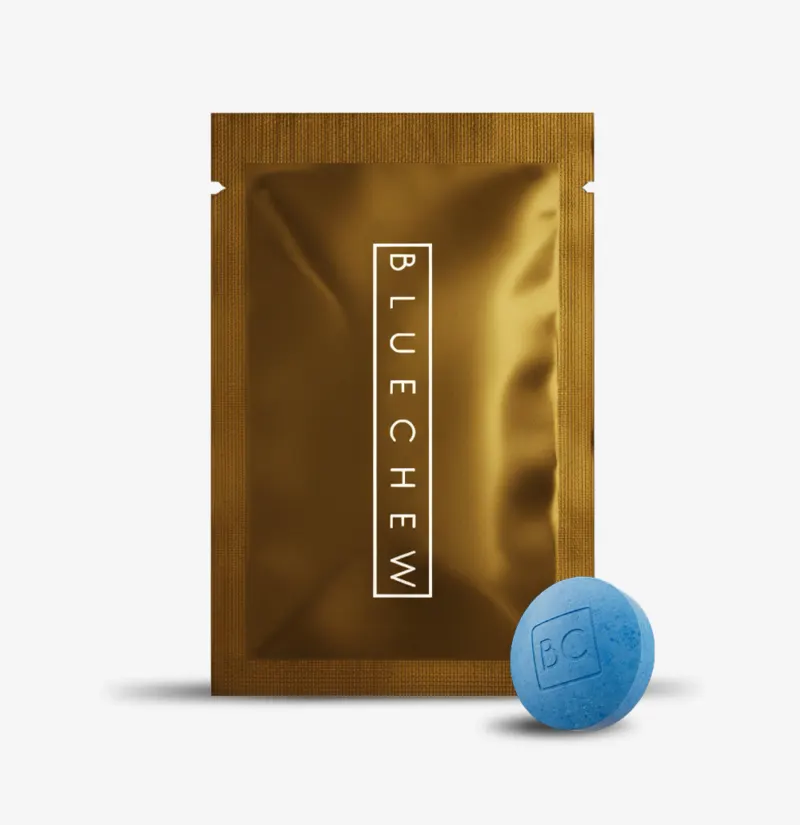
Confidence in Your Corner: How BlueChew Supports Chemistry
Physical performance is just one piece of the sexual chemistry puzzle, but it's an important one. When you're confident in your body's ability to respond, you can focus on connection, pleasure, and playfulness rather than worrying about whether things will work.
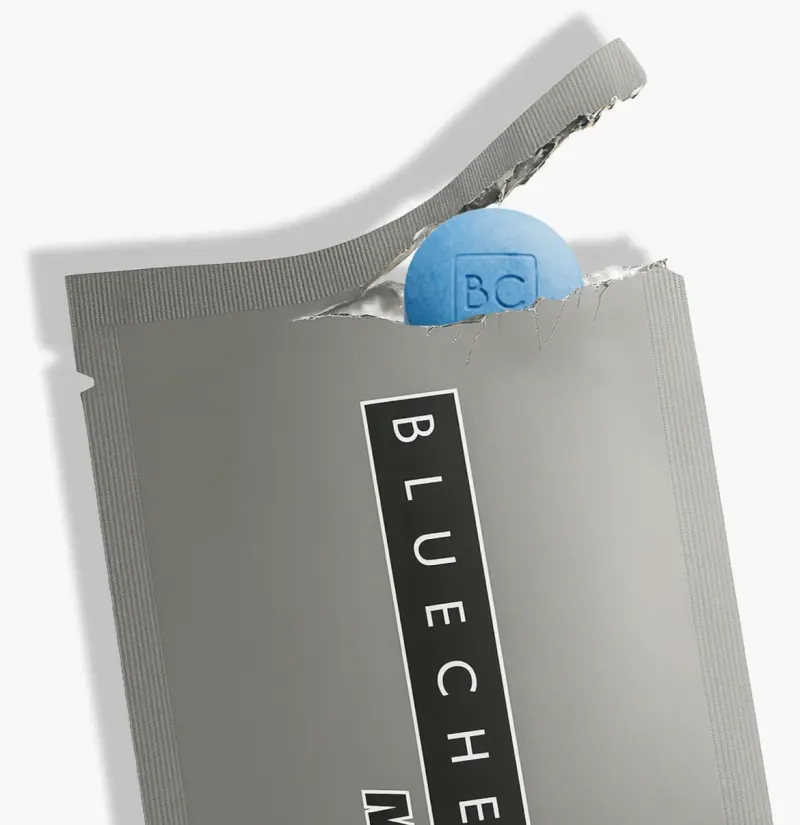
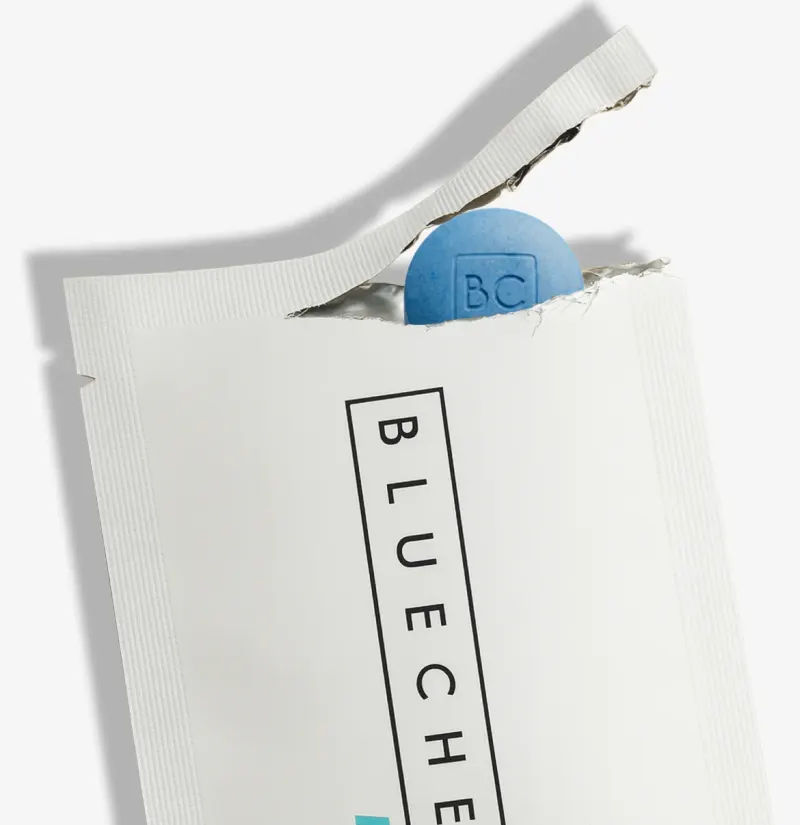
BlueChew provides prescription medications containing the active ingredients sildenafil, vardenafil, and tadalafil. Sildenafil, vardenafil, and tadalafil are the active ingredients in Viagra, Levitra, and Cialis, respectively. We offer compounded medications designed to fit different needs and preferences:
- SIL: 30 mg or 45 mg sildenafil, from $2.94/chew, works in 30 minutes, lasting up to 6 hours
- TAD: 6 mg or 9 mg tadalafil, from $3.57/chew, effective within 30 minutes, lasting up to 36 hours
- VAR: 8 mg vardenafil, from $4.33/chew, takes effect in 30 minutes, lasting up to 6 hours
- DailyTAD: 9 mg tadalafil plus 7 essential vitamins, $2.22/chew, lasting up to 36 hours
- MAX: 45 mg sildenafil + 18 mg tadalafil combo, $5.63/tablet, lasting up to 36 hours
- VMAX: 14 mg vardenafil + 18 mg tadalafil combo, $5.63/tablet, lasting up to 36 hours
- GOLD: sildenafil, tadalafil, oxytocin, and apomorphine sublingual tablet, from $6.94/tablet, lasting up to 36 hours
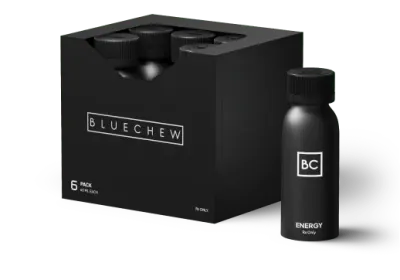
- ENERGY: 30 mg sildenafil + 60 mg caffeine, $4.50/ea, lasting up to 6 hours
Customer testimonials consistently mention that BlueChew "boosted my confidence" and led to feeling "more confident"—and that confidence translates directly into better chemistry. When you're not worried about performance, you can be present, adventurous, and fully engaged with your partner.
The best part? Our completely online process means no uncomfortable doctor visits, and discreet packaging protects your privacy. You can focus on what matters: building and maintaining that spark with your partner.
Practical Tips You Can Try Tonight
Sexual chemistry thrives on intentional action. Here are some strategies you can implement immediately:
Create a device-free zone: Put phones away for at least an hour before bed. This simple act removes distractions and creates space for connection.
The appreciation practice: Before falling asleep, share three things you appreciate about your partner. Positive feelings before bed set the stage for morning intimacy.
Sensual focus exercises: Take turns touching each other non-sexually for 10-15 minutes, focusing on texture, temperature, and sensation. This builds mind-body connection and reduces performance pressure.
Fantasy sharing: Start with something simple like "where's the most exciting place you can imagine being intimate?" and build from there.
The 6-second kiss: Research shows that kissing for at least six seconds releases bonding hormones and increases connection. Make it a daily habit.
Navigating Life Changes Together
Sexual chemistry naturally ebbs and flows through different life stages—parenthood, career changes, health challenges, transitions. The couples who maintain strong chemistry are those who adapt their approach rather than expecting things to stay the same.
During high-stress periods:
- Lower expectations for frequency but increase quality
- Prioritize sleep and stress management
- Schedule intimate time like you would important meetings
- Practice compassion for yourself and your partner
Through health challenges:
- Communicate openly about limitations and needs
- Explore alternative forms of pleasure and connection
- Seek medical support when appropriate
- Remember that intimacy extends beyond sex
The key is viewing these challenges as opportunities to deepen your connection rather than threats to your chemistry.

Frequently Asked Questions
How does sexual chemistry change over the course of a long-term relationship?
Sexual chemistry naturally shifts from hormone-driven spontaneous desire to something more intentional. The initial rush of dopamine and norepinephrine that creates instant attraction gradually settles, but this doesn't mean passion disappears. Instead, successful couples learn to generate psychological arousal through novelty, anticipation, and emotional connection. The chemistry becomes deeper and more sustainable when you actively cultivate it.
What are some non-physical ways to maintain intimacy and connection with my partner?
Emotional intimacy has lasting effects on sexual desire that persist up to 12 months. Focus on daily 15-minute check-ins where you share feelings beyond logistics, practice active appreciation by noting specific things you love about your partner, develop shared interests and experiences together, and engage in vulnerable conversations where you share hopes and fears. Building "Love Maps" of each other's inner worlds creates the foundation for physical chemistry.
Can medical conditions like ED affect relationship chemistry, and what are the solutions?
Absolutely—performance concerns can impact chemistry, but they don't have to derail it. The key is addressing them together as a team. Open communication about challenges actually strengthens bonds rather than weakening them. Medical solutions like prescription ED treatments provide physical confidence, while couples therapy and sex therapy can address psychological factors. When both partners approach it with empathy and willingness to explore different forms of intimacy, chemistry often becomes even stronger.
How important is communication in sustaining long-term desire and satisfaction?
Communication is the single most powerful tool you have. Research shows that couples who talk openly about sex report significantly higher satisfaction. This includes discussing preferences, desires, boundaries, and what you enjoy. The challenge is that many couples avoid these conversations due to fear or discomfort. Start with positive reinforcement—tell your partner what you love—before offering suggestions. Creating a non-judgmental space for sexual communication transforms your intimate life.
What role does spontaneity play in keeping passion alive in a long-term relationship?
Spontaneity matters, but it looks different in long-term relationships than in new ones. The paradox is that you often need to "plan for spontaneity" by creating windows of availability and building anticipation throughout the day. Products with extended duration like tadalafil (lasting 24-36 hours) support true spontaneity by eliminating the need to perfectly time intimate moments. The key is reducing inhibitors (stress, fatigue, conflict) so you're ready when the mood strikes, while also intentionally creating conditions for desire to emerge.
This article is for informational purposes only and does not constitute medical advice. The content provided here is not a substitute for, and should never be relied upon as, professional medical advice. Always consult your doctor to discuss the risks, benefits, and appropriateness of any treatment. BlueChew offers compounded medications prescribed solely for the treatment of erectile dysfunction and sexual performance enhancement. Compounded medications are not FDA-approved.
Other Helpful Articles