How to Make Aftercare Part of Great Sex

The moments after sex matter just as much as everything that came before. Yet most couples rush straight to cleanup mode, reach for their phones, or simply roll over and fall asleep. What happens in those 10-30 minutes after intimacy can significantly impact your relationship satisfaction, emotional connection, and even how you feel about the next encounter. Sexual aftercare—the intentional practice of caring for yourself and your partner after sex—is one of the most overlooked aspects of a healthy intimate life.
Research shows that affectionate post-sex behavior correlates directly with higher sexual and relationship satisfaction. During sex, your body floods with dopamine, oxytocin, and endorphins. When those chemicals dissipate afterward, some people experience what's called postcoital dysphoria—feelings of sadness, anxiety, or emotional distance. Aftercare can help you cope with the emotional ups and downs that sometimes follow sex and can reinforce the bond you've just created, especially when it includes affectionate touch and time together.
Whether you're in a long-term relationship or exploring something new, understanding how to transition from physical intimacy to emotional connection can transform your sex life. The good news? It requires no special skills—just a little intention and a willingness to stay present with your partner.
Key Takeaways
- Sexual aftercare enhances both relationship satisfaction and emotional connection after intimacy
- The 4 C's framework—Communication, Cuddling, Cleaning, Check-in—provides a simple structure to follow
- 41% of men experience postcoital dysphoria at least once, making aftercare especially valuable for emotional regulation
- Aftercare needs are personal—what works for one couple may not work for another
- Even 5-10 minutes of intentional post-sex connection can make a meaningful difference

Understanding Sexual Aftercare
Sexual aftercare is the intentional care partners give each other after sex, addressing emotional, physical, and psychological needs through touch, presence, and communication. Originally developed within BDSM communities to address the intense emotional shifts after scenes, aftercare has evolved into a mainstream sexual wellness practice that benefits everyone.
Why Aftercare Matters for Everyone
The science behind aftercare is straightforward. During sexual activity, your brain releases a cocktail of feel-good chemicals—dopamine for pleasure, oxytocin for bonding, and endorphins for that post-orgasm glow. When these chemicals recede, the drop can trigger unexpected emotions.
Research indicates that 46% of women and 41% of men have experienced postcoital dysphoria at least once in their lives. Symptoms can include:
- Unexplained sadness or tearfulness
- Anxiety or agitation
- Irritability or emotional numbness
- Feelings of isolation, even when your partner is right there
Physical touch, like cuddling, can increase oxytocin and is associated with lower cortisol in some studies, which may help both partners feel safer and more connected.
The Emotional Benefits
Beyond managing the post-sex hormone crash, aftercare builds relationship trust over time. When you consistently show up for your partner after intimacy, you're communicating that you value them beyond the physical act.
Studies show that couples who engage in affectionate post-sex behavior report higher overall relationship satisfaction. This makes sense—aftercare creates a space for vulnerability, appreciation, and genuine connection.

The 4 C's of Effective Aftercare
A practical framework for aftercare includes four key components. You don't need to do all four every time, but understanding each helps you build a routine that works for your relationship.
1. Communication
Verbal check-ins help prevent misunderstandings and build intimacy. Simple questions work best:
- "How are you feeling?"
- "What felt good for you?"
- "Is there anything you need right now?"
This isn't about performance reviews—it's about connecting. Sharing what you enjoyed and asking about your partner's experience improves future encounters naturally.
2. Cuddling (Physical Touch)
Non-sexual physical touch is incredibly powerful after sex. Spooning, holding hands, gentle stroking, or simply lying close releases oxytocin and helps regulate emotions.
Physical aftercare options:
- Spooning or holding each other
- Gentle back or scalp massage
- Holding hands
- Lying with your head on their chest
Even 5-10 minutes of physical closeness makes a difference. The key is a non-demanding touch that feels comforting rather than leading somewhere.
3. Cleaning Up
Practical care shows thoughtfulness. This includes:
- Getting water for both of you
- Bringing a warm washcloth
- Adjusting the room temperature
- Grabbing a snack if you're hungry
These small acts of service demonstrate care and help transition from intimacy back to everyday comfort.
4. Check-In (Self-Care)
Individual emotional processing matters too. Ask yourself: Do I feel safe? Satisfied? Connected? Acknowledge any emotions without judgment—even unexpected ones are normal.
Simple Aftercare Practices for Deeper Connection
You don't need an elaborate routine to practice meaningful aftercare. Start with what feels natural and build from there.
Physical Aftercare Ideas
Quick options (5-10 minutes):
- Cuddle in your favorite position
- Share a glass of water
- Pull up a cozy blanket
Extended options (15-30+ minutes):
- Take a shower together
- Give each other a gentle massage
- Nap together
Emotional Aftercare Ideas
Low-effort connection:
- Exchange one thing you appreciated about the experience
- Simply say "That was really nice" and mean it
- Breathe deeply together for a few moments
Deeper connection:
- Watch a comfort show episode together
- Have pillow talk about your day or future plans
- Share something you've been meaning to say
The goal isn't perfection—it's presence. Even staying in bed together for an extra five minutes rather than immediately jumping up signals that you value the connection.

Tailoring Aftercare to Your Relationship
Aftercare isn't one-size-fits-all. What feels nurturing to one person might feel overwhelming to another. The key is communication—ideally before you need it.
Understanding Different Needs
Some people need verbal affirmation after sex. Others prefer quiet closeness. Some want immediate physical proximity, while others need a few minutes of personal space before reconnecting.
Questions to explore with your partner:
- "Do you prefer talking or quiet time after sex?"
- "What makes you feel most cared for afterward?"
- "How much time feels right before we move on to other things?"
Adapting to Different Situations
Your aftercare needs may change based on:
- Relationship stage - New partners might need more verbal reassurance
- Emotional state - Stressful days may require more intensive aftercare
- Intensity of the experience - More adventurous encounters often need a longer recovery time
- Time constraints - When rushed, even brief check-ins matter
The best aftercare adapts to the moment while maintaining consistent care.

Building Confidence for More Satisfying Intimacy
Confidence in the bedroom extends beyond physical performance—it includes feeling secure in the emotional aspects of intimacy too. When you know how to care for yourself and your partner after sex, you approach the entire experience with less anxiety.
Breaking the Performance Anxiety Cycle
For many men, concerns about sexual performance can create a cycle of anxiety. Worry leads to stress, stress affects function, and that outcome creates more worry for next time.
Aftercare helps break this cycle by shifting focus from performance metrics to connection. When you know you'll have time to process the experience together, the pressure of any single encounter decreases.
How aftercare builds confidence:
- Partner validation reinforces that intimacy was enjoyable regardless of "perfect" performance
- Communication allows discussion of what worked and what to try differently
- Emotional connection reminds both partners that sex is about more than mechanics
- Consistent care builds trust that reduces future anxiety
When You Want Extra Support
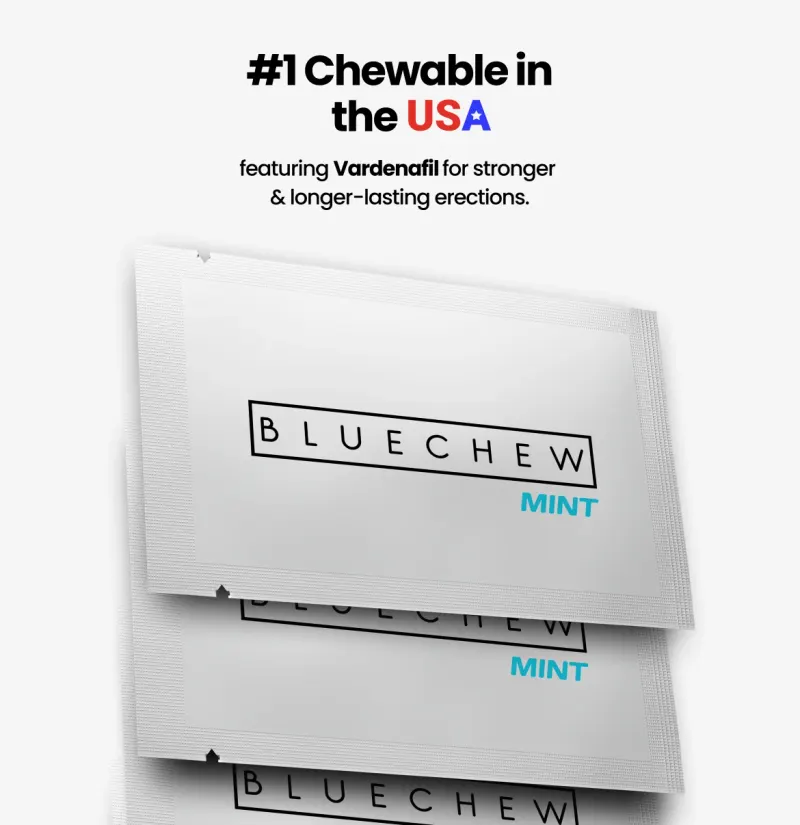
Physical confidence and emotional confidence work together. For men who want to feel more prepared for intimacy, BlueChew provides compounded prescription medications containing the active ingredients sildenafil, vardenafil, and tadalafil. Sildenafil, vardenafil, and tadalafil are the active ingredients in Viagra, Levitra, and Cialis, respectively.
BlueChew's product lineup:
- BlueChew’s complete product lineup includes:
- SIL: 45 mg sildenafil, from $3.53/tablet, works in 15 minutes, lasting up to 6 hours
- TAD: 9 mg tadalafil, from $4.47/tablet, effective within 15 minutes, lasting up to 36 hours
- VAR: 8 mg vardenafil, from $4.34/tablet, takes effect in 15 minutes, lasting up to 6 hours
- DailyTAD: 9 mg tadalafil plus 7 essential vitamins, $2.23/tablet, lasting up to 36 hours
- MAX: 45 mg sildenafil + 18 mg tadalafil combo, $5.63/tablet, lasting up to 36 hours
- VMAX: 14 mg vardenafil + 18 mg tadalafil combo, $5.63/tablet, lasting up to 36 hours
- GOLD: sildenafil, tadalafil, oxytocin, and apomorphine sublingual tablet, from $7.30/tablet, lasting up to 36 hours
The combination of physical support and intentional emotional care creates a foundation for genuinely satisfying intimacy. BlueChew handles the physical side so you can focus on connection.

Communication Scripts That Work
Sometimes knowing what to say is half the battle. Here are conversation starters for different aftercare scenarios.
Introducing Aftercare to Your Partner
If aftercare is new to your relationship, a simple approach works best:
"I've been learning about how connecting after sex can make intimacy even better. Would you be open to cuddling and checking in for a few minutes afterward?"
Or in the moment:
"Can we stay here together for a bit? I just want to hold you and hear how you're feeling."
During Aftercare
Keep it simple and genuine:
- "What did you enjoy most about that?"
- "That was really great when you..."
- "I feel so connected to you right now."
- "Is there anything you need?"
Navigating Emotions
If either partner experiences unexpected feelings:
- "Whatever you're feeling is completely okay."
- "I'm right here with you."
- "Do you want to talk about it, or just be held?"
The key is creating safety for whatever comes up.

Recognizing Healthy vs. Unhealthy Patterns
Not all post-sex dynamics are healthy. Being aware of potential red flags helps you build better patterns.
Signs of Healthy Aftercare
- Both partners feel valued and cared for
- Communication is open and non-judgmental
- Physical and emotional needs are acknowledged
- Neither partner feels rushed or dismissed
Patterns Worth Addressing
- Consistently rushing away immediately after sex
- Avoiding any emotional connection or conversation
- Dismissing a partner's need for closeness
- Using distraction (phones, TV) to avoid intimacy
If you notice these patterns, a conversation outside the bedroom can help. These behaviors often stem from discomfort with vulnerability rather than lack of caring.
The Long-Term Benefits of Prioritizing Aftercare
Couples who consistently practice aftercare report stronger relationships overall. The benefits compound over time:
Relationship benefits:
- Deeper emotional intimacy
- Better sexual communication
- Increased relationship satisfaction
- Reduced conflict around intimacy
Individual benefits:
- Greater body confidence
- Reduced performance anxiety
- Improved emotional regulation
- Stronger sense of being valued
When aftercare becomes routine, it transforms from a "practice" into simply how you connect. The intentionality fades into natural care.

Frequently Asked Questions
What exactly is sexual aftercare?
Sexual aftercare is the intentional practice of caring for yourself and your partner physically and emotionally after sex. It can include cuddling, verbal check-ins, practical care like getting water, and emotional processing. Originally developed in BDSM communities, aftercare is now recognized as beneficial for all types of intimate encounters and relationships.
How can I start talking to my partner about aftercare preferences?
The easiest approach is raising the topic outside the bedroom at a relaxed moment. You might say something like, "I read about how connecting after sex can improve intimacy—what do you usually like to do afterward?" Starting with curiosity rather than critique opens the conversation naturally.
What if my partner and I have different aftercare needs?
Different needs are completely normal. Some people want lots of physical contact while others need a few minutes of space first. The solution is communication and compromise—perhaps your partner gets a few quiet minutes before you cuddle together, or you take turns meeting each other's preferences on different occasions.
Can improving aftercare actually strengthen our overall relationship?
Research strongly suggests yes. Studies show affectionate post-sex behavior correlates with both higher sexual satisfaction and relationship satisfaction. Consistent aftercare builds trust, improves communication, and creates a feedback loop where partners feel increasingly valued.
How does physical confidence impact aftercare?
When men feel confident about their physical performance, they're often more relaxed and present during aftercare. Addressing any erectile concerns—whether through lifestyle changes, communication, or treatment options like BlueChew—can reduce the anxiety that sometimes makes post-sex connection feel challenging. Physical confidence and emotional openness tend to reinforce each other.
This article is provided for informational purposes only and does not constitute medical advice. The information presented is not a substitute for professional medical advice, diagnosis, or treatment. Always consult your healthcare provider to discuss the risks, benefits, and appropriateness of any treatment.
BlueChew offers access to healthcare providers who may prescribe compounded medications for the treatment of erectile dysfunction.
The featured products include compounded medications that have not been approved by the FDA. Compounded medications may be prescribed under federal law but are not the same as, nor are they generic versions of, any FDA-approved medication. The FDA does not review compounded medications for safety, effectiveness, or manufacturing quality of compounded products. A prescription will only be written if deemed appropriate after the digital consultation by the licensed medical provider. Individual results may vary.
BlueChew is not a compounding pharmacy but a telemedicine service that links patients to licensed medical providers.
Other Helpful Articles