How to Switch Sex Positions Without Losing the Heat

You're in the moment, everything's clicking, and then you decide to try something new. But somewhere between missionary and cowgirl, the rhythm gets interrupted and the energy dips. Sound familiar? Switching positions smoothly is one of the most underrated skills in the bedroom, and mastering it can transform your intimate experiences from choppy to completely fluid. The good news is that seamless transitions are absolutely learnable—and when you pair technique with confidence-boosting support, you're set up for success.
The secret isn't about athletic prowess or memorizing complicated choreography. According to sex therapist Megan Fleming, Ph.D., the key is to "approach position transitions with an attitude of exploration—and then try, try again." With practice, you'll flow from one position to the next without missing a beat. Research suggests that variety in sexual positions can influence ejaculation control and overall pleasure, and that experimenting with different positions may support greater sexual satisfaction for many couples. This guide breaks down exactly how to make smooth transitions in sexual positioning happen.
Key Takeaways
- Small adjustments within your current position often work better than complete overhauls
- Communication—both verbal and physical—keeps connection strong during transitions
- Maintaining physical contact through kisses, touches, and eye contact preserves arousal
- Positions that optimize blood flow help maintain erection quality through changes
- Confidence plays a major role in seamless transitions, and addressing performance concerns removes mental barriers
Mastering the Art of Seamless Transitions
Great sex isn't about performing acrobatic position switches—it's about subtle adjustments that maintain connection and arousal. The couples who make transitions look effortless aren't doing anything complicated; they've simply learned a few key principles.
The Four-Category Framework
Sex educator Sheila Wray Gregoire offers a brilliantly simple way to think about positions. Every position falls into one of four basic categories:
- Face to face, partner on top
- Face to face, you on top
- Facing their back, partner on top
- Facing their back, you on top
Why this matters: You don't need to completely change positions to create variety. Small adjustments within these categories provide new sensations while maintaining continuity. Moving from missionary to legs-on-shoulders isn't a position change—it's a position adjustment. And adjustments are much easier to pull off smoothly.

Five Micro-Adjustments That Keep You Connected
Instead of stopping to reconfigure entirely, try these in-the-moment techniques that create variety without breaking your stride:
1. Move Your Legs Raise them, wrap them, cross them, spread wider, or bring them closer together. Changing leg position alters penetration angle and depth without losing connection.
- One leg up, one down (switch to see which feels better)
- Legs on shoulders versus wrapped around waist
- Varying leg spread width for different sensations
2. Rotate Your Hips Change where hips are facing—side, front, or diagonal. This creates a new position without requiring full disengagement.
3. Prop Yourself Up Change your angle to the bed or surface. Going from flat to sitting (or vice versa) alters pressure points and access without stopping.
4. Shift Your Weight Move from back to knees to hands to feet. This changes position dynamics while staying connected. Think squatting cowgirl versus kneeling cowgirl.
5. Change Your Movement Pattern Switch from thrusting to grinding, change your rhythm, or have the passive partner become active. New sensations, same position.
Communicating Your Desires for Better Flow
Nothing kills momentum faster than guessing what your partner wants. The couples who transition smoothly have figured out how to signal their intentions clearly.
Verbal Cues That Build Anticipation
Talking during sex doesn't have to break the mood—in fact, the right words can enhance it.
Before things heat up:
- "I've been thinking about trying [position] with you"
- "Let's see how many different ways we can connect tonight"
- "Can we check in with each other when we want to try something new?"
In the moment:
- "I want to see you on top"
- "Turn around for me"
- "How does this feel?" (mid-position check-ins)
The key to verbal communication: Frame suggestions positively. "I think it would feel amazing if we tried..." works much better than implying something's wrong with what you're doing.
Non-Verbal Signals and Body Language
Sometimes the sexiest communication doesn't involve words at all.
- Guide your partner's hand exactly where you want touch
- Push your body toward or near theirs in the direction you want to go
- Use hands to gently move your partner into a new position
- Adjust your pace and intensity to signal what you need
Combining verbal and non-verbal communication enhances desire and pleasure while making future conversations easier. Studies have found that couples who communicate openly about sexual preferences report significantly higher sexual satisfaction. You're building a shared language unique to your relationship.
Maintaining Arousal and Intimacy During Transitions
The transition itself can become part of the experience rather than an interruption. Here's how to keep the fire burning.
Keeping Physical Connection
The best transitions maintain some form of contact throughout:
- Keep kissing. A deep kiss during repositioning maintains arousal for both partners.
- Maintain skin-to-skin contact. Touch non-genital areas—neck, face, chest—during the shift.
- Hold eye contact. Visual connection maintains intimacy even when bodies are moving.
- Talk through it. Describe what you're about to do or how good things feel.
- Use affirmation. Simple phrases like "you feel amazing" keep energy high.

Blood Flow Optimization Tips
For those who experience erection changes during position shifts, certain approaches can help maintain arousal. Case reports of position-dependent erectile dysfunction show that some men experience better erectile responses in certain positions than others, likely because of differences in blood flow and vascular factors.
Positions that optimize blood flow:
- Prone positions (lying back) generally allow better blood flow than standing
- Partner-on-top variations remove physical strain
- Side-lying positions reduce cardiovascular demand
- Kneeling positions can improve flow if standing is challenging
Transition strategy: Consider moving from higher exertion to lower exertion positions if you notice changes in arousal. If needed, use the transition as a brief rest moment—15-30 seconds of repositioning while kissing and touching can actually help.
Pre-Planning and Spontaneity in Position Changes
There's a sweet spot between rigid choreography and complete improv. Finding it makes transitions feel both natural and exciting.
Building a Repertoire
Rather than trying to master every position, focus on developing smooth transitions between 3-4 favorites. Once those feel natural, you can expand.
Practice-friendly sequences:
- Missionary → legs on shoulders (simple leg adjustment)
- Cowgirl → reverse cowgirl (rotation while connected)
- Doggy style → flatiron (gradual lowering)
- Side-lying → spooning (minimal movement required)
The Element of Surprise
Once you've built confidence with planned transitions, spontaneous changes become easier. The key is reading your partner's signals and responding to what feels good in the moment.
Common Pitfalls and How to Avoid Them
Even with the best techniques, things don't always go perfectly. Here's how to handle the most common challenges.
When Momentum Stalls
Problem: Stopping to figure out a new position interrupts the flow.
Solutions:
- Master small adjustments before attempting full position changes
- Pre-plan loosely: "Want to start in missionary and see where things go?"
- Embrace the pause—use it for kissing, touching, and building anticipation
- Laugh together when things get clumsy (humor can actually increase intimacy and connection)
Regaining Lost Arousal
If arousal dips during a transition, don't panic. This happens to everyone.
Quick recovery strategies:
- Transition to a position requiring less physical strain
- Shift focus to your partner's pleasure temporarily
- Return to foreplay activities—oral stimulation, manual touch
- Take a breath and reconnect emotionally before continuing
As Dr. Megan Fleming notes, the goal is exploration, not perfection. Every experience teaches you something about what works for you and your partner.
Leveraging Lubrication and Accessories for Smooth Moves
A few simple additions can make position transitions dramatically easier.
Props That Help
- Pillows: Placed under hips, they change angles without requiring you to hold positions
- Wedges: Purpose-built supports reduce strain and improve access
- Edge of bed: Using furniture height creates new position possibilities
- Chairs: Sitting positions reduce strain and offer variety
Lubrication Benefits
Adequate lubrication makes every transition smoother. Friction can increase during position changes, so having lubricant accessible prevents interruptions. Silicone-based options last longer, while water-based varieties work well for most situations.

How BlueChew Supports Confidence in Every Position
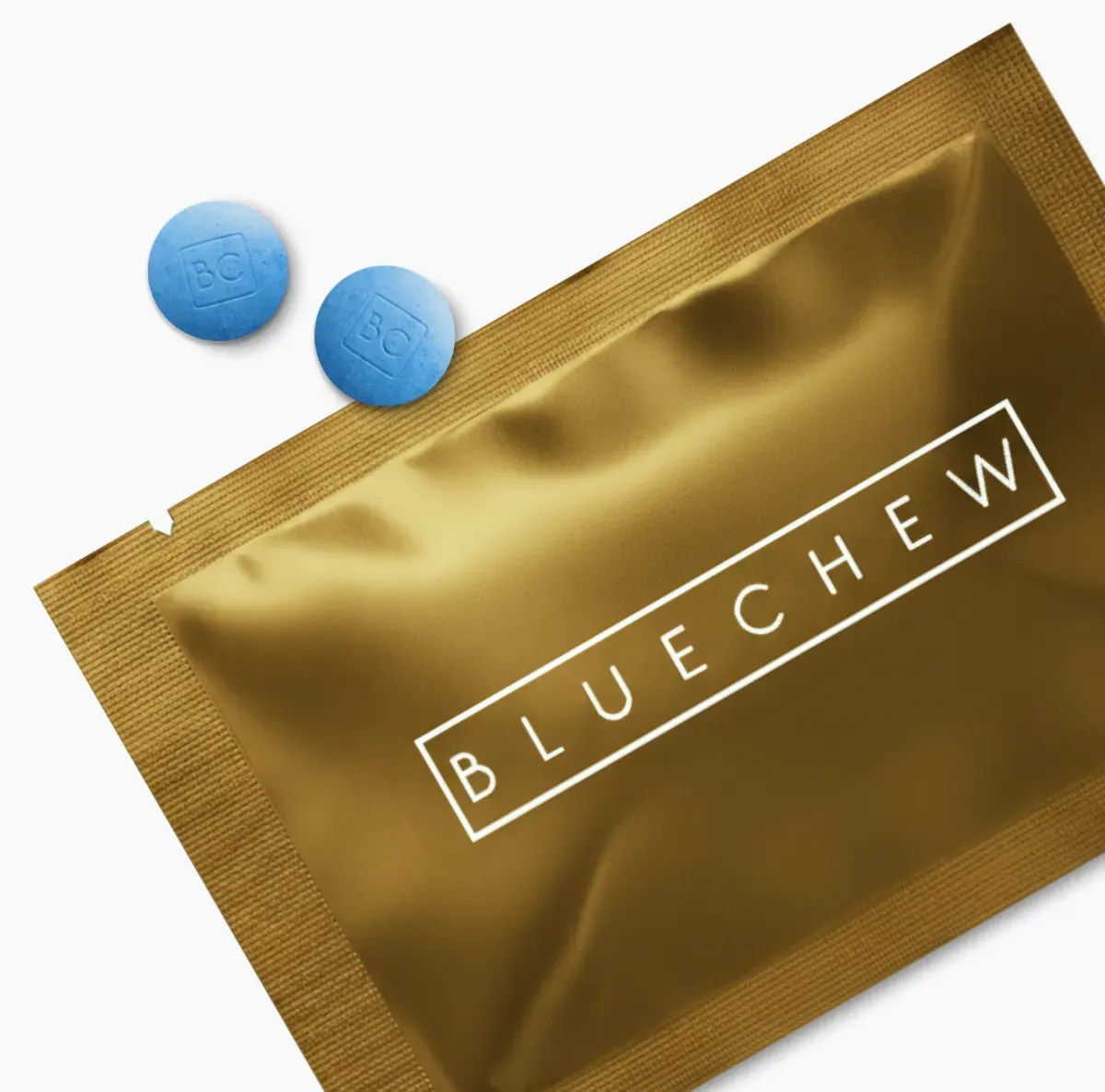
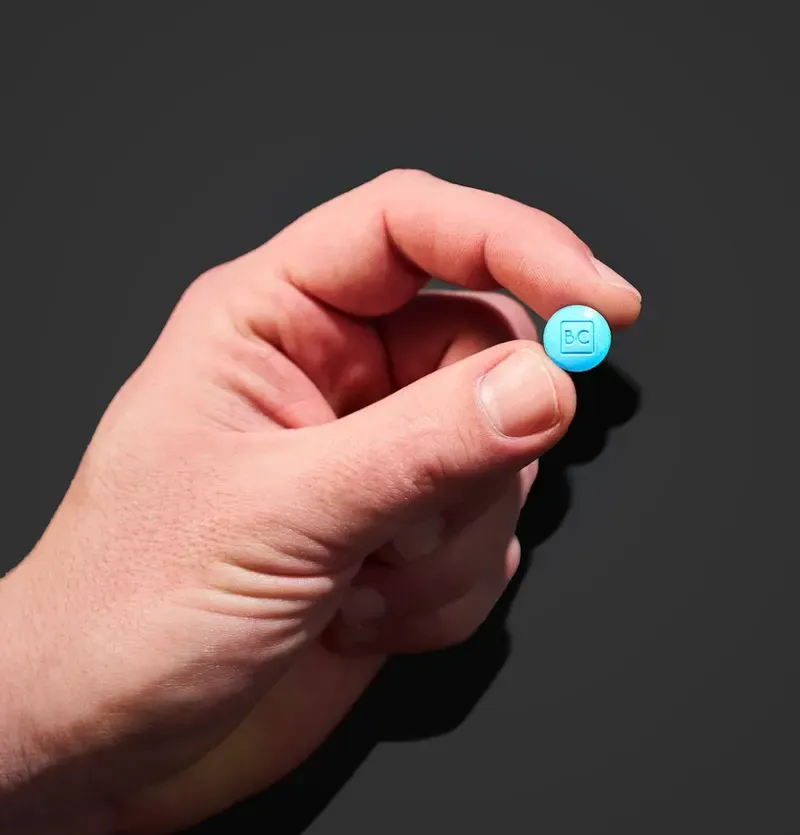
When performance concerns are off the table, you're free to focus entirely on connection and pleasure. BlueChew provides prescription medications containing the active ingredients sildenafil, vardenafil, and tadalafil. Sildenafil, vardenafil, and tadalafil are the active ingredients in Viagra, Levitra, and Cialis, respectively.
For men who experience erection changes during position transitions, knowing you have support can be a game-changer. BlueChew offers multiple compounded medications to match your needs:
- SIL: 45 mg sildenafil, works within 15 minutes, lasting up to 6 hours
- TAD: 9 mg tadalafil, effective within 15 minutes, lasting up to 36 hours
- VAR: 8 mg vardenafil, takes effect within 15 minutes, lasting up to 6 hours
- DailyTAD: 9 mg tadalafil plus 7 essential vitamins, lasting up to 36 hours
- MAX: 45 mg sildenafil + 18 mg tadalafil combo, lasting up to 36 hours
- VMAX: 14 mg vardenafil + 18 mg tadalafil combo, lasting up to 36 hours
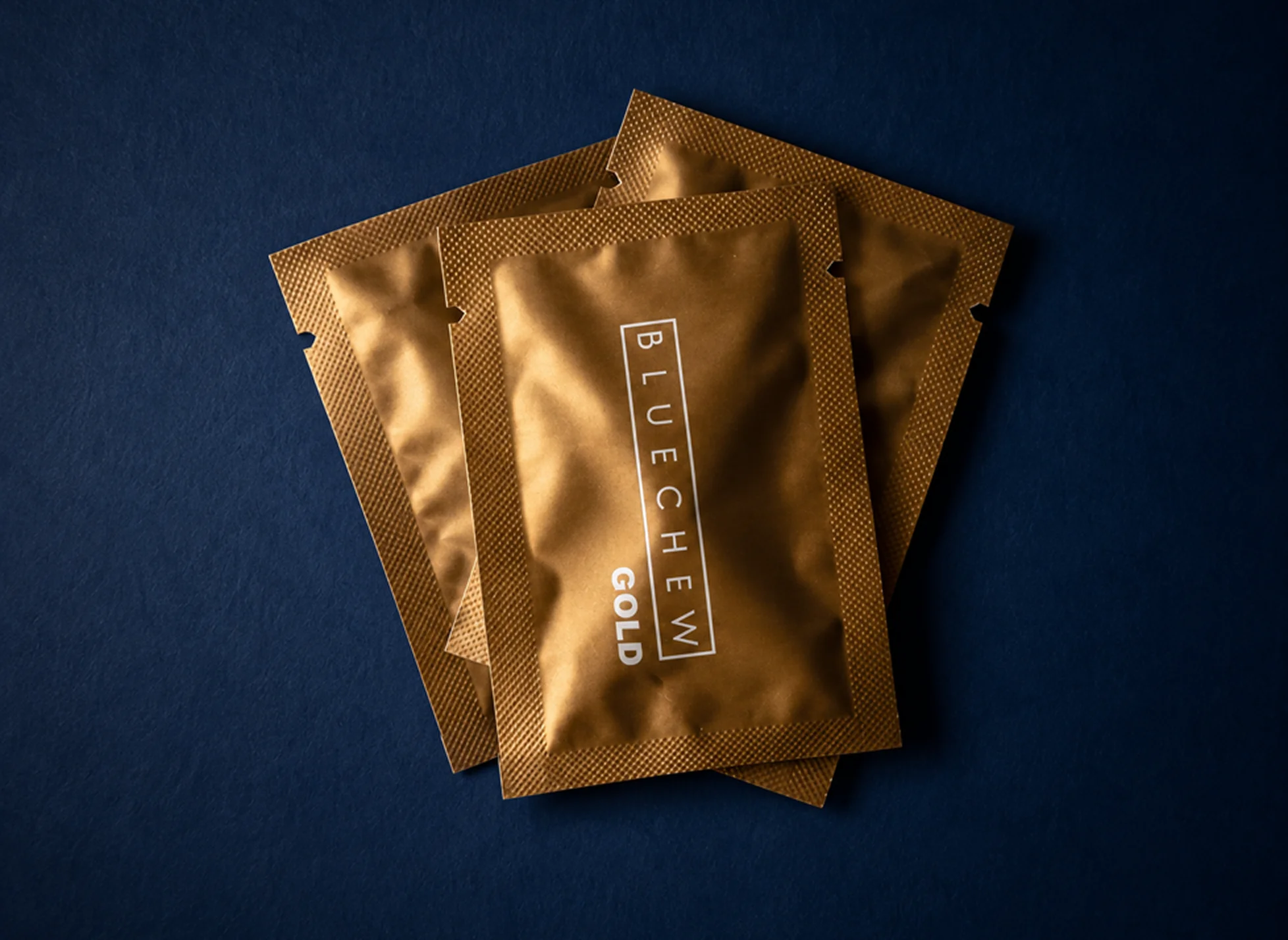
- GOLD: sildenafil, tadalafil, oxytocin, and apomorphine sublingual tablet, lasting up to 36 hours
What makes BlueChew different:
- Chewable formats work within 30 minutes
- Sublingual formats work within 15 minutes
- Prescription reviewed by licensed medical providers
- Discreet delivery directly to your door
- Multiple options to match your lifestyle
When you're confident in your body's response, you can focus on what really matters: connection, pleasure, and enjoying every moment with your partner.

Frequently Asked Questions
How can we smoothly transition between sex positions without losing an erection?
Maintaining erection quality during transitions comes down to a few key factors. First, choose transitions that maintain some physical contact or stimulation throughout the change. Second, positions that optimize blood flow—like lying on your back or partner-on-top variations—can help maintain arousal. Third, keep mental connection through eye contact, kissing, or verbal affirmation. If you're experiencing consistent concerns, BlueChew's prescription options can provide reliable support, allowing you to focus on enjoyment rather than worry.
What are some key communication strategies for changing positions during sex?
Effective communication combines verbal and non-verbal cues. Before intimacy, discuss interest in trying new positions casually. During the moment, simple phrases like "I want you on top" or "let's try this" work well. Use your hands to guide your partner's body, and check in with questions like "how does this feel?" Positive framing—expressing what you want rather than what you don't—keeps energy high.
Are there specific positions that are easier to transition from or to?
Yes. Positions within the same "category" (face-to-face or rear-facing, who's on top) are easiest to transition between. Missionary to legs-on-shoulders requires only a leg adjustment. Cowgirl to reverse cowgirl involves rotation. Doggy style to flatiron is a gradual lowering. Start with these simpler transitions before attempting more complex changes.
How can I maintain arousal and connection while switching positions?
The key is treating transitions as part of the experience rather than interruptions. Keep kissing throughout the change. Maintain skin-to-skin contact. Talk about how good things feel or what you're about to do. Make eye contact. These actions keep both partners engaged and aroused even as bodies reposition.
Can products like BlueChew help with maintaining performance during position changes?
Absolutely. BlueChew's compounded prescription medications—particularly TAD with its 24-36 hour duration—provide consistent support that removes timing pressure during intimate moments. When you're confident in your body's response, you can relax into the experience and transition between positions without concern. The combination products (MAX and VMAX) offer enhanced support for those wanting maximum confidence through multiple position changes.
BLUECHEW EDITORIAL STANDARDS
This article is provided for informational purposes only and does not constitute medical advice. The information presented is not a substitute for professional medical advice, diagnosis, or treatment. Always consult your healthcare provider to discuss the risks, benefits, and appropriateness of any treatment.
BlueChew offers access to healthcare providers who may prescribe compounded medications for the treatment of erectile dysfunction.
The featured products include compounded medications that have not been approved by the FDA. Compounded medications may be prescribed under federal law but are not the same as, nor are they generic versions of, any FDA-approved medication. The FDA does not review compounded medications for safety, effectiveness, or manufacturing quality of compounded products. A prescription will only be written if deemed appropriate after the digital consultation by the licensed medical provider. Individual results may vary.
BlueChew is not a compounding pharmacy but a telemedicine service that links patients to licensed medical providers.
RELATED ARTICLES



Have Better Sex
- 100% online process
- No office visit required
- Discreet shipping, if prescribed
*Prescription products require an online review by a licensed provider. Restrictions apply.

 Medically reviewedEvery article is reviewed by a licensed provider on the BlueChew medical team.