How to Transition From Couch Cuddles to Sex (Smoothly)

Medically reviewed by: Dr. Nicolette Natale, D.O.
You're curled up on the couch, Netflix is doing its thing, and suddenly that comfortable closeness starts feeling like something more. The question becomes: how do you shift from "just snuggling" to actual intimacy without making it feel forced?
The good news is that transitioning from cuddling to sex is a skill you can develop—and when done well, it makes the entire experience more satisfying for everyone involved. Research shows that couples who communicate openly about intimacy and maintain affectionate touch tend to report higher relationship and sexual satisfaction. The secret isn't about having the "perfect move"—it's about understanding how desire builds and learning to read (and send) the right signals.
What most people don't realize is that cuddling naturally creates the conditions for arousal. Physical closeness can increase oxytocin levels, a hormone linked with bonding, and is associated with lower stress hormones in some studies. For many people, this non-sexual touch helps them transition into a more intimate headspace—but only when it feels natural and pressure-free.
Key Takeaways
- Gradual escalation through intentional touch creates stronger arousal than jumping straight to sex
- Clear verbal communication reduces anxiety and enhances connection for both partners
- Performance concerns can be addressed with proper preparation and support
- The transition is a skill—practice makes it feel more natural over time
Building Emotional and Physical Intimacy: Beyond Just Cuddles
Physical intimacy works best when it's built on an emotional foundation. Before any transition happens, both partners need to feel genuinely connected and relaxed.
The Foundation of Connection: Deepening Emotional Bonds
Great physical intimacy starts long before you're on the couch. Shared experiences, meaningful conversations, and moments of vulnerability throughout the day create the emotional groundwork that makes physical transitions feel natural.
Ways to strengthen your connection:
- Active listening during conversations (phones down, eye contact)
- Physical affection throughout the day that isn't tied to sexual expectations
- Expressing appreciation and gratitude openly
- Creating shared rituals—morning coffee together, evening walks
Research from relationship experts suggests that couples who engage in regular non-sexual touch experience higher levels of trust and openness when intimacy does occur.
Non-Verbal Cues: Communicating Desire Without Words
Your body communicates constantly. Learning to read—and send—non-verbal signals creates a natural dialogue that can build anticipation without either partner feeling put on the spot.
Signals that often indicate interest:
- Leaning closer and reducing physical distance
- Sustained eye contact with a softened gaze
- Light touches that linger
- Relaxed, open body positioning
- Mirroring each other's movements
The key here is reciprocity. When you notice your partner responding positively to your cues, that's your green light to continue building.

Reading the Room: Understanding and Signaling Sexual Interest
Understanding desire—especially the difference between spontaneous and responsive desire—can transform how you approach these transitions.
Decoding Your Partner's Signals: Is the Mood Right?
Research on desire patterns shows that many people experience responsive desire, meaning arousal builds gradually from external stimuli rather than appearing spontaneously. This is why rushing from cuddling to sex often backfires—your partner may need more time to get into that headspace.
Signs your partner may be open to escalation:
- They're initiating touch or moving closer
- Their breathing pattern changes
- They're making more eye contact
- They respond positively to your gentle advances
- Verbal cues like sighing contentedly or playful comments
Signs to slow down or redirect:
- Physical tension or pulling away
- Distracted or disengaged body language
- Short responses or changing the subject
- Looking at their phone or the TV
Subtle Invitations: How to Initiate Playfully
The "extended invitation" technique—where you hint at your intentions hours before the actual moment—can dramatically improve reception. A flirty text during the day, a lingering kiss before work, or a whispered comment about looking forward to being close later all plant seeds of anticipation.
Low-pressure ways to signal interest:
- "I've been thinking about being close to you all day"
- Gentle touches on the neck, shoulders, or inner arm
- Whispering something you appreciate about them
- Making eye contact during the show and smiling
The Art of Foreplay: Elevating Touch and Sensation
Sex therapist Dr. Barry McCarthy developed a foreplay framework known as the 5 Gears of Touch, which explains why many couples struggle with transitions. Most jump directly from Gear 1 (affectionate touch) to Gear 5 (intercourse), skipping the buildup that creates real arousal.
From Gentle Caresses to Passionate Kisses: The Progression of Touch
The 5 Gears explained:
- Gear 1: Affectionate touch (clothed, comfortable, low arousal)
- Gear 2: Sensual non-genital touch (neck, back, inner thighs)
- Gear 3: Playful touch, semi-clothed (building anticipation)
- Gear 4: Erotic touch without intercourse (high arousal)
- Gear 5: Intercourse
Spending intentional time in each gear allows arousal to build naturally for both partners.
Exploring Erogenous Zones: What Works for Both of You
Beyond the obvious areas, the body has many spots that respond to attention:
- Neck and earlobes
- Inner wrists and forearms
- Lower back and hip bones
- Behind the knees
- Scalp and hairline
Paying attention to your partner's responses tells you what's working. A sharp inhale, moving closer, or verbal encouragement are all signals to continue.

Setting the Scene: Creating an Ambiance for Desire
Environment matters more than most people realize. Small adjustments can shift the mood from "casual evening" to "intimate moment."
Transforming Your Space
Simple mood-setters:
- Dim lighting or candles
- Music that both of you enjoy (volume low enough for conversation)
- Comfortable temperature
- Fresh sheets if you're transitioning to the bedroom
- Phones silenced and out of reach
Minimizing Distractions
Nothing breaks momentum faster than a buzzing phone or a show that demands attention. If you sense things might be heading somewhere, consider pausing the TV or choosing background content that won't require focus.
Direct Communication: Voicing Desires and Boundaries
Verbal communication isn't just polite—it's genuinely attractive. Research shows that clear communication reduces anxiety and increases satisfaction for both partners.
Asking and Affirming: The Importance of Verbal Consent
Checking in doesn't have to feel clinical. Simple phrases woven naturally into the moment work well:
- "Is this good?"
- "Do you want me to keep going?"
- "I'd love to [specific action]—would you like that?"
- "What would feel good right now?"
These questions actually enhance intimacy because they show attentiveness and care.
Sharing Your Fantasies: Enhancing Connection Through Words
Talking about what you enjoy—either in the moment or outside of it—helps both partners understand each other better. Everyone has specific ways they like to be invited to have sex. Discovering your initiation style and communicating it makes initiation feel exciting.
Overcoming Performance Anxiety During Transitions
For many men, the moment of transition brings performance concerns. This pressure can actually interfere with arousal—creating a frustrating cycle where worry makes things worse.
Normalizing Nerves: Strategies for Reducing Pre-Sexual Stress
Performance anxiety can contribute to erectile difficulties. Recognizing this can help take some pressure off—you're not alone, and it's not a reflection of your desire for your partner.
Stress-reduction strategies:
- Focus on pleasure rather than performance outcomes
- Practice mindfulness and stay present in the moment
- Communicate openly with your partner about any concerns
- Remember that great sex is about connection, not perfection
Focusing on Connection: Shifting from Performance to Pleasure
When you shift your focus from “how am I doing?” to “how does this feel for both of us?”, intimacy becomes more relaxed and more connected. The goal isn’t a specific physical outcome—it’s shared enjoyment, responsiveness, and presence in the moment.
For many men, having reliable support makes that shift easier. BlueChew offers a range of options designed to fit different needs and rhythms of intimacy—from long-lasting tadalafil options that provide 24–36 hours of readiness, to faster-acting sildenafil and vardenafil medications for more planned moments, as well as daily and combination formulas for consistent confidence. Knowing you have flexibility and support allows you to stay out of your head and engaged with your partner.
When physical readiness is handled, it’s easier to slow down, follow the connection, and let pleasure build naturally—without pressure.
Maintaining Erection Confidence for a Fulfilling Experience
Confidence plays a significant role in sexual satisfaction. When you feel prepared and supported, you can be more present with your partner.
Addressing Erectile Concerns: Options for Enhanced Confidence
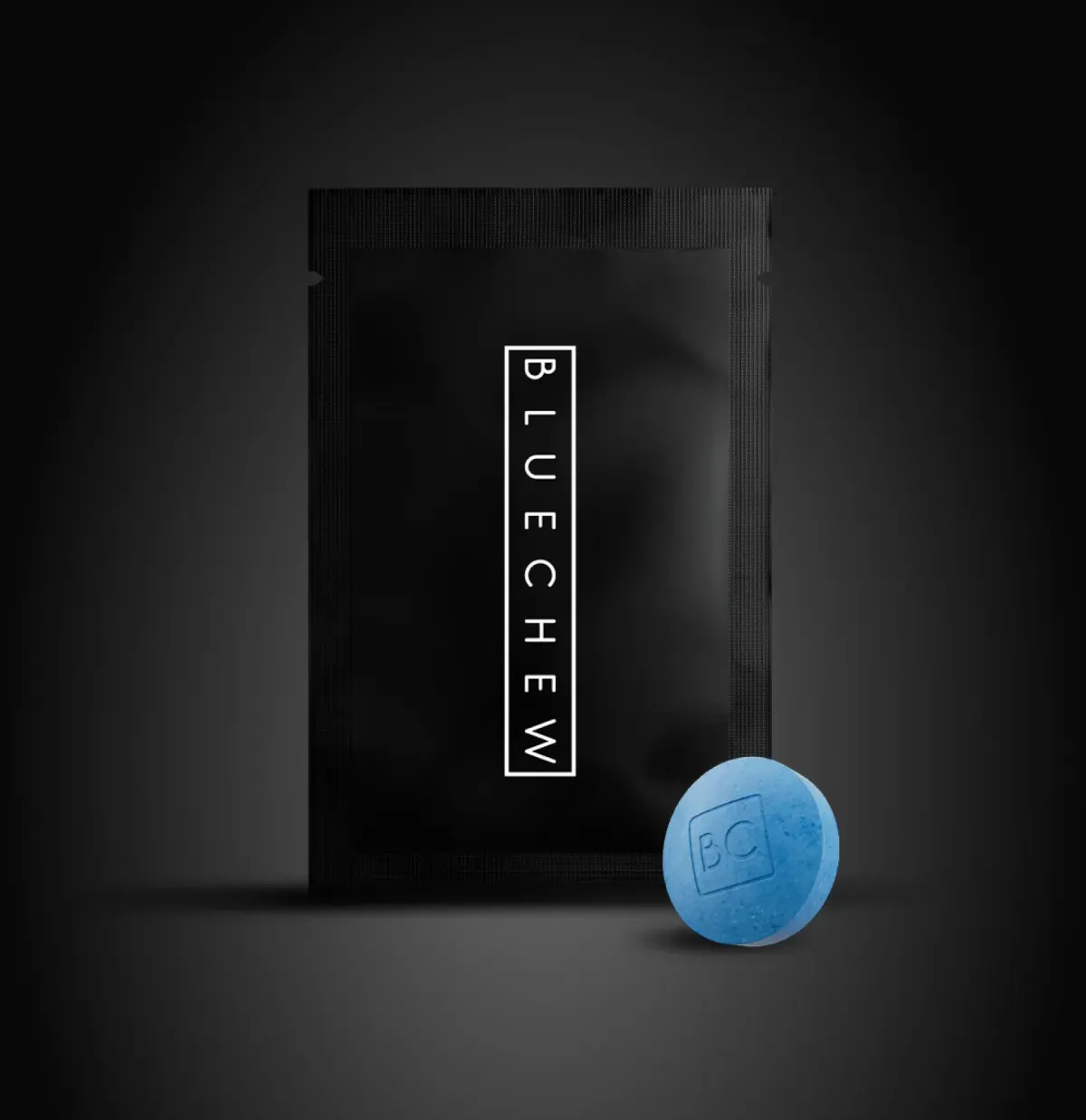
BlueChew provides compounded prescription medications containing the active ingredients sildenafil, vardenafil, and tadalafil. Sildenafil, vardenafil, and tadalafil are the active ingredients in Viagra, Levitra, and Cialis, respectively. Our chewable and sublingual formats offer convenience and discretion.
DailyTAD comes in a chewable tablet. SIL, VAR, TAD, MAX, VMAX, and GOLD are available as a sublingual tablet.
BlueChew’s complete product lineup includes:
- SIL: 45 mg sildenafil, works within 15 minutes, lasting up to 6 hours
- TAD: 9 mg tadalafil, effective within 15 minutes, lasting up to 36 hours
- VAR: 8 mg vardenafil, takes effect within 15 minutes, lasting up to 6 hours
- DailyTAD: 9 mg tadalafil plus 7 essential vitamins, lasting up to 36 hours
- MAX: 45 mg sildenafil + 18 mg tadalafil combo, lasting up to 36 hours
- VMAX: 14 mg vardenafil + 18 mg tadalafil combo, lasting up to 36 hours
- GOLD: sildenafil, tadalafil, oxytocin, and apomorphine sublingual tablet, lasting up to 36 hours
Boosting Confidence: The Link Between Preparation and Satisfaction
Knowing you have support allows you to relax into the gradual progression of intimacy rather than rushing or feeling pressured. This paradoxically often improves both erections and overall satisfaction.

Afterplay and Connection: Solidifying Your Intimate Bond
What happens after sex matters more than many couples realize. Research found that post-sex affection correlates with higher relationship satisfaction.
The Power of Post-Sex Closeness
The oxytocin released during intimacy makes the moments afterward particularly important for bonding. Cuddling, talking, and simply being present together reinforces the emotional connection.
Afterplay practices that strengthen bonds:
- Physical closeness and gentle touch
- Expressing appreciation or affection verbally
- Light conversation or comfortable silence
- Staying present rather than immediately returning to devices or tasks
Reflecting and Appreciating: Nurturing Your Intimate Space
Taking a moment to acknowledge the experience—what worked, what felt especially good—builds a positive feedback loop that makes future intimacy even better.
Why BlueChew Supports Confident Intimacy
When performance concerns are in the picture, having reliable support can transform your intimate life. BlueChew's chewable and sublingual tablets provide a convenient, discreet way to address erectile concerns so you can focus on connection rather than worry.
Our telemedicine platform connects you with licensed medical providers who can determine if treatment is right for you—all from home, with no in-person appointments required. Products ship directly in discreet packaging.
Whether you prefer the extended window of TAD for spontaneous moments or the planned reliability of SIL, having confidence in your corner allows you to embrace gradual, pressure-free intimacy.
Frequently Asked Questions
How can I tell if my partner is ready to transition from cuddling to sex?
Pay attention to reciprocal cues: leaning in closer, initiating touch, responding positively to your advances, and relaxed body language. When in doubt, a simple "Is this okay?" or "Would you like to take this further?" respects their autonomy while opening the door.
What if one partner wants to cuddle and the other wants sex?
This is completely normal. The solution often involves understanding that not every cuddling session needs to lead to sex—maintaining frequent non-sexual touch actually increases intimacy overall. When desires differ, communicate openly without pressure and find middle ground.
How does foreplay contribute to a smoother transition?
Foreplay allows arousal to build gradually for both partners. The 5 Gears of Touch framework shows that skipping the intermediate stages often leads to disconnection. Taking time in each "gear" creates natural momentum that makes the transition feel effortless.
What role does verbal communication play in increasing sexual intimacy?
Clear communication reduces uncertainty and anxiety while increasing trust and connection. Simple check-ins like "Does this feel good?" enhance the experience rather than interrupting it. Partners who communicate openly report higher satisfaction levels.
How can I maintain my erection naturally during the transition to sex?
Focusing on pleasure rather than performance, staying present, and reducing stress all support natural function. If concerns persist, treatment options like BlueChew can provide additional confidence and support. Understanding that performance anxiety is common—and addressable—helps reduce the pressure that often contributes to difficulties.
BLUECHEW EDITORIAL STANDARDS
This article is provided for informational purposes only and does not constitute medical advice. The information presented is not a substitute for professional medical advice, diagnosis, or treatment. Always consult your healthcare provider to discuss the risks, benefits, and appropriateness of any treatment.
BlueChew offers access to healthcare providers who may prescribe compounded medications for the treatment of erectile dysfunction.
The featured products include compounded medications that have not been approved by the FDA. Compounded medications may be prescribed under federal law but are not the same as, nor are they generic versions of, any FDA-approved medication. The FDA does not review compounded medications for safety, effectiveness, or manufacturing quality of compounded products. A prescription will only be written if deemed appropriate after the digital consultation by the licensed medical provider. Individual results may vary.
BlueChew is not a compounding pharmacy but a telemedicine service that links patients to licensed medical providers.
RELATED ARTICLES



Have Better Sex
- 100% online process
- No office visit required
- Discreet shipping, if prescribed
*Prescription products require an online review by a licensed provider. Restrictions apply.

 Medically reviewedEvery article is reviewed by a licensed provider on the BlueChew medical team.