Jack Nicholson ED Talk: Aging and Intimacy

Jack Nicholson has never been one to shy away from honest reflections about getting older. While we found no public interviews where Nicholson specifically discusses erectile dysfunction, his candid conversations about aging and stepping back from acting have opened up broader discussions about what it means to navigate life's later chapters—including changes in physical health and intimacy. For many men, aging brings shifts in sexual function that can feel isolating, but understanding these changes and exploring effective treatments like BlueChew's compounded ED medications can help maintain a fulfilling intimate life well into your later years.
Key Takeaways
- In the Massachusetts Male Aging Study, 52% of men aged 40-70 reported some degree of ED, with complete ED increasing from about 5% at age 40 to about 15% at age 70; ED often serves as an early warning sign for cardiovascular disease
- PDE5 inhibitors like sildenafil and tadalafil are effective for about 70% of men with ED when used properly
- Intimacy evolves with age—couples who communicate openly about ED show higher relationship satisfaction than those who avoid the topic
- Convenient, discreet options like BlueChew's compounded ED treatments make accessing care simpler than ever

Jack Nicholson's Reflections on Aging: What He's Said About Getting Older
Jack Nicholson's public statements about aging have resonated with millions because of their honest, unflinching quality. In interviews over the past decade, the three-time Academy Award winner has spoken candidly about stepping away from acting, acknowledging that energy levels and physical capabilities naturally shift as we get older.
While Nicholson hasn't made specific public statements about erectile dysfunction or sexual health, his willingness to discuss aging openly has contributed to a cultural shift. When prominent figures acknowledge the realities of getting older—rather than perpetuating myths about eternal youth—it helps normalize conversations about health changes that many men face.
Why Celebrity Transparency About Aging Matters
Celebrity openness about aging creates permission for everyday conversations about health challenges. When public figures discuss retirement, health monitoring, or simply the experience of navigating their 70s and 80s, it reduces the stigma around age-related changes.
This cultural shift matters particularly for sexual health. Men often feel pressure to maintain the same level of performance throughout their lives, creating unnecessary stress when natural physiological changes occur. Understanding that aging is universal—even for Hollywood legends—can help men seek appropriate care rather than suffering in silence.
The broader conversation about aging and health opens doors to discussing specific conditions like erectile dysfunction in medical terms rather than as sources of shame or embarrassment.
Normal Signs of Aging: What Every Man Should Expect
Physical changes as men age are part of normal human development, not personal failings. Understanding what's typical can help you distinguish between expected age-related shifts and symptoms that warrant medical attention.
Physical Changes in Aging Men
As men age, several interconnected physiological changes occur that affect sexual function and overall vitality. Testosterone levels gradually decline, typically dropping about 1% per year after age 30. This hormonal shift influences energy levels, muscle mass, and sexual desire.
Vascular changes represent another significant factor. Blood vessels become less elastic with age, and endothelial function—the lining of blood vessels—may decline. Since erections depend heavily on blood flow, these vascular changes directly impact sexual performance.
Common age-related physical changes:
- Decreased testosterone production
- Reduced vascular elasticity and blood flow
- Longer refractory period between erections
- Changes in sleep patterns affecting recovery
- Gradual loss of muscle mass and strength
- Slower metabolic rate
The refractory period—the time needed between erections—lengthens naturally with age. What might have been minutes in younger years could become hours or even a day in later decades. This is normal physiology, not dysfunction.
Energy levels often shift as well. The mitochondria that power your cells become less efficient, which can affect everything from exercise capacity to sexual stamina.
Andropause vs. Menopause: What You Need to Know
Unlike menopause in women, which involves a relatively rapid hormonal shift, andropause (sometimes called "male menopause") occurs gradually over decades. The term itself is somewhat misleading since men don't experience a complete cessation of hormone production.
Andropause typically begins in a man's late 40s to early 50s and continues progressively. The gradual nature means many men attribute symptoms to "just getting older" rather than recognizing a treatable hormonal component.
Key differences from menopause:
- Gradual rather than sudden hormone decline
- Fertility can continue, though reduced
- Symptoms vary widely between individuals
- Not all men experience significant symptoms
Symptoms associated with andropause can include reduced libido, erectile difficulties, mood changes, decreased energy, and cognitive changes. However, these symptoms overlap with many other age-related conditions, making proper medical evaluation important.
Understanding that hormonal shifts are part of normal aging—but also potentially addressable—helps men make informed decisions about whether to pursue hormone replacement therapy or other interventions.
Why Erectile Dysfunction Happens as Men Age: The Science Behind It
Understanding the mechanisms behind age-related ED helps clarify why certain treatments work and why a comprehensive approach often yields the best results.
Vascular Changes That Impact Erections
The erectile process begins with nitric oxide triggering blood flow to the penis, but this delicate vascular system becomes less efficient with age. Endothelial dysfunction—damage to the inner lining of blood vessels—reduces the release of nitric oxide and impairs the smooth muscle relaxation necessary for erection.
Arterial stiffness increases with age as well. The penile arteries need to dilate significantly to allow sufficient blood flow, but when vessel walls lose elasticity, this dilation becomes incomplete. Think of it like trying to inflate a stiff balloon versus a flexible one—the rigid material simply doesn't expand as readily.
Atherosclerosis, the buildup of plaque in arteries, further restricts blood flow. The same process that threatens your heart also impacts erectile function, which is why cardiovascular health and sexual health are so interconnected.
Vascular factors in ED:
- Reduced nitric oxide production
- Endothelial dysfunction
- Increased arterial stiffness
- Atherosclerotic plaque buildup
- Decreased smooth muscle function in penile tissue
- Impaired venous closure (blood leaking back out)
The smooth muscle cells within the penis also undergo changes. These cells need to relax to allow blood to fill the erectile chambers, but with aging, they may be partially replaced by collagen and other connective tissue, reducing their responsiveness.
Hormonal Shifts in Later Years
Testosterone plays multiple roles in sexual function, influencing libido, energy levels, and the physiological mechanisms of erection. As levels decline, some men experience reduced sexual interest even before mechanical erectile difficulties appear.
The relationship between testosterone and erectile function is complex. Low testosterone alone doesn't typically cause ED if vascular and neurological systems are healthy, but it can contribute to reduced desire and diminished response to sexual stimuli.
Beyond testosterone, other hormonal changes affect sexual function. Thyroid disorders become more common with age and can impact energy and sexual desire. Cortisol, the stress hormone, can suppress testosterone production when chronically elevated.
Age-related endothelial and smooth muscle changes can reduce responsiveness to erectile signaling, which is why PDE5 inhibitors can help counteract these effects.

Erectile Dysfunction Treatments That Work for Aging Men
Modern ED treatment has evolved significantly, offering multiple effective options for men experiencing age-related erectile difficulties. Understanding how these treatments work helps you make informed decisions about which approach suits your situation.
How PDE5 Inhibitors Restore Blood Flow
PDE5 inhibitors—including sildenafil, tadalafil, and vardenafil—work by blocking the phosphodiesterase type 5 enzyme. When PDE5 is inhibited, cyclic GMP accumulates in penile tissue, promoting smooth muscle relaxation and increased blood flow.
The key point: these medications don't create erections on their own. They enhance the natural erectile response to sexual stimulation by preserving the chemical signals that trigger blood flow. Without arousal, PDE5 inhibitors won't cause an erection.
PDE5 inhibitors are effective for about 70% of men with ED when used properly. This high success rate makes them the first-line treatment recommended by most urologists and primary care physicians.
While medications like PDE5 inhibitors are effective for most men, they work best when combined with lifestyle modifications.
Erectile Dysfunction Self-Care: What You Can Do Starting Today
Beyond formal medical treatment, specific self-care strategies can support sexual health and enhance treatment effectiveness. These evidence-based approaches put you in the driver's seat of your own wellness.
Exercise Protocols That Improve Blood Flow
Cardiovascular exercise directly impacts erectile function by improving endothelial health and increasing nitric oxide availability. The same exercise that protects your heart also supports your sexual health.
Effective exercise strategies:
- Brisk walking 30-45 minutes, 5 days per week
- Swimming or cycling for low-impact cardiovascular conditioning
- Resistance training 2-3 times weekly to maintain muscle mass and testosterone
- High-intensity interval training (with physician approval) for maximum cardiovascular benefit
Pelvic floor exercises, often called Kegels, strengthen the muscles involved in erectile function. These exercises target the bulbocavernosus and ischiocavernosus muscles, which help maintain rigidity and control ejaculation.
Guidelines recommend lifestyle and risk-factor modification for all men with ED, underscoring how seriously the medical community takes these interventions.
Nutrition Strategies for Vascular Health
The Mediterranean diet has accumulated the strongest evidence for supporting erectile function. This eating pattern emphasizes foods that reduce inflammation, improve lipid profiles, and support healthy blood vessels.
Dietary components that support erectile function:
- Leafy greens and beets (high in nitrates that convert to nitric oxide)
- Berries and dark chocolate (flavonoids that improve endothelial function)
- Fatty fish like salmon and mackerel (omega-3s reduce inflammation)
- Nuts, especially walnuts and almonds (healthy fats and arginine)
- Olive oil (monounsaturated fats that support vascular health)
- Whole grains (fiber that improves metabolic health)
Limiting processed foods, excess sodium, and added sugars helps prevent the metabolic dysfunction that contributes to ED. High blood sugar damages blood vessels through a process called glycation, where sugar molecules attach to proteins and impair their function.
For men interested in combining nutritional support with ED treatment, BlueChew offers DailyTAD, which combines 9mg tadalafil with seven essential vitamins in a chewable tablet for daily use, $2.22/chew, lasting 24-36 hours. This approach integrates both pharmaceutical and nutritional support for comprehensive sexual health.
A prescription will only be written if deemed appropriate after the digital consultation by the licensed medical provider.
How to Access Discreet, Affordable ED Treatment Online
The landscape of ED treatment has transformed significantly with the advent of telemedicine platforms. What once required potentially embarrassing in-person doctor visits can now be handled entirely online with professional medical oversight.
What to Expect from an Online ED Consultation
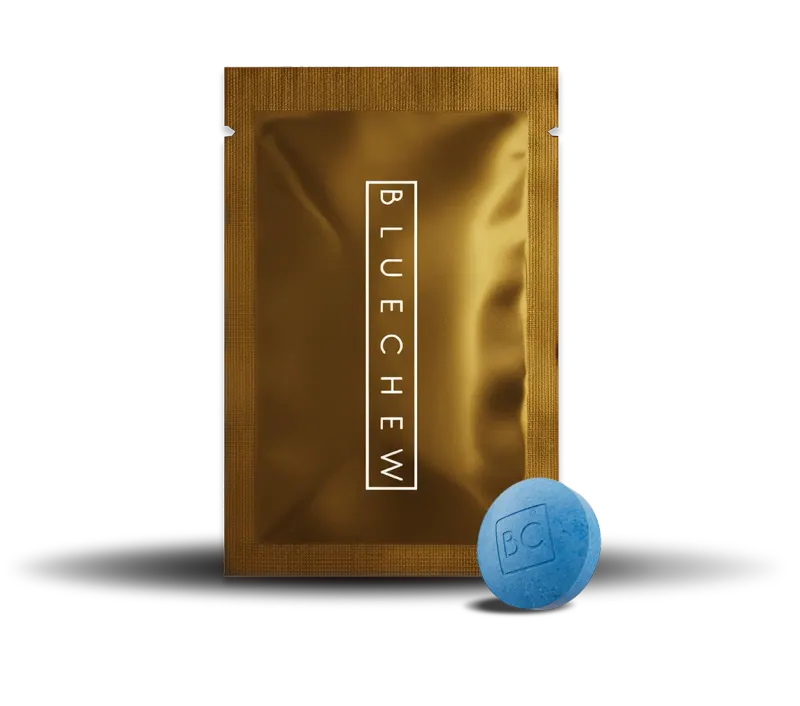
BlueChew.com is an online telemedicine platform that connects you with licensed medical providers to gain access to prescriptions for erection-enhancing medications. The process is designed to be straightforward while maintaining appropriate medical standards.
The consultation process typically involves:
- Medical questionnaire: You'll answer questions about your medical history, current medications, cardiovascular health, and specific symptoms. This information helps the healthcare provider determine if ED treatment is safe and appropriate for you.
- Provider review: A licensed U.S. medical provider reviews your information, typically within 24-48 hours. They may ask follow-up questions or request additional information if needed.
- Prescription decision: If the provider determines treatment is medically appropriate, they write a prescription for the medication and dosage best suited to your needs.
- Discreet delivery: Your medication ships directly to your door in unmarked packaging, maintaining complete privacy.
- Ongoing support: BlueChew includes 24/7 medical support with every subscription, so you can reach out with questions or concerns at any time.
The entire process eliminates the expense and potential discomfort of traditional office visits while ensuring that a qualified healthcare provider evaluates your individual situation.
Pricing Breakdown: What You'll Actually Pay
One of BlueChew's core commitments is transparent, affordable pricing without hidden fees or surprise charges. For current pricing and plan details, visit BlueChew's plans page.
BlueChew's Product Lineup:
- SIL: 30 mg or 45 mg sildenafil, from $2.94/chew, works in 30 minutes, lasting up to 6 hours
- TAD: 6 mg or 9 mg tadalafil, from $3.57/chew, effective within 30 minutes, lasting up to 36 hours
- VAR: 8 mg vardenafil, from $4.33/chew, takes effect in 30 minutes, lasting up to 6 hours
- DailyTAD: 9 mg tadalafil plus 7 essential vitamins, $2.22/chew, lasting up to 36 hours
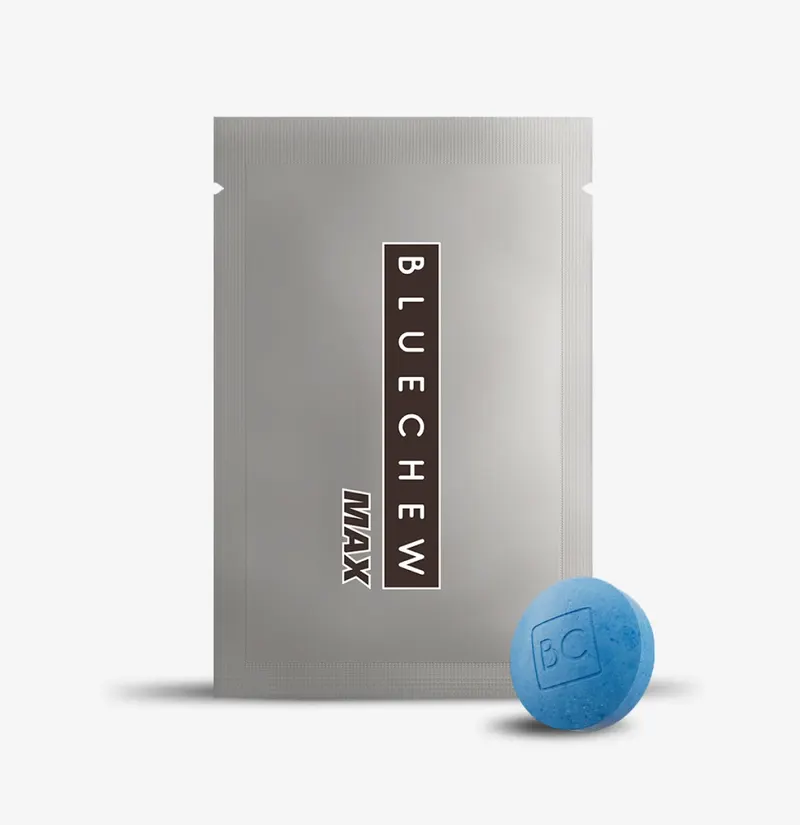
- MAX: 45 mg sildenafil + 18 mg tadalafil combo, $5.63/tablet, lasting up to 36 hours
- VMAX: 14 mg vardenafil + 18 mg tadalafil combo, $5.63/tablet, lasting up to 36 hours
- GOLD: sildenafil, tadalafil, oxytocin, and apomorphine sublingual tablet, from $6.94/tablet, lasting up to 36 hours
- ENERGY: 30 mg sildenafil + 60 mg caffeine, $4.50/ea, lasting up to 6 hours
Compare this to brand-name ED medications, which can cost significantly more per dose, and the value proposition becomes clear. BlueChew's model eliminates doctor appointment fees, avoids pharmacy markups, and delivers treatment directly to you.
No doctor appointments or patient support charges make it a stress-free experience.
Why BlueChew Supports Healthy Aging and Intimacy
At BlueChew, we understand that erectile dysfunction isn't just a medical condition—it's a challenge that affects confidence, relationships, and quality of life. That's why we've built our platform around three core principles: accessibility, affordability, and professional medical care.
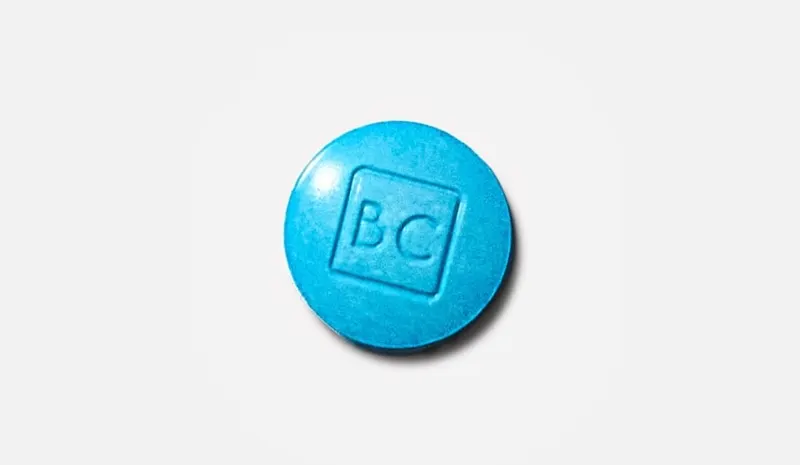
BlueChew provides prescription medications containing the active ingredients sildenafil, vardenafil, and tadalafil. Sildenafil, vardenafil, and tadalafil are the active ingredients in Viagra, Levitra, and Cialis, respectively.
Our compounded medications offer several advantages. Chewable tablets offer a convenient alternative to traditional pills, and many men find the discreet format helps maintain spontaneity.
What sets BlueChew apart:
- Medical oversight: Every prescription is written by a licensed U.S. healthcare provider after reviewing your medical profile
- Multiple options: Access to sildenafil, tadalafil, and vardenafil in various strengths, plus combination formulations for maximum effect
- True affordability: Competitive pricing with no hidden fees, doctor visit charges, or insurance complications
- Complete privacy: Discreet shipping in unmarked packaging
- Ongoing support: 24/7 access to medical professionals for questions or concerns
- Flexible subscriptions: Adjust your plan as your needs change without penalties
Healthcare should not be expensive or a hassle—that's not just our tagline, it's our commitment.
For men navigating the changes that come with aging, BlueChew provides a practical solution that respects both your health needs and your budget. Whether you're experiencing early symptoms or have struggled with ED for years, our platform offers a path forward with professional guidance and effective treatment options.
Become a legend in your own life. Take control of your sexual health with the same confidence you bring to every other aspect of your well-being.

Frequently Asked Questions
Is erectile dysfunction normal in aging men?
Erectile dysfunction becomes increasingly common as men age. In the Massachusetts Male Aging Study, 52% of men aged 40-70 reported some degree of ED, with complete ED increasing from about 5% at age 40 to about 15% at age 70. However, "common" doesn't mean "inevitable" or "untreatable." Many men maintain satisfying sexual function well into their later years, especially those who prioritize cardiovascular health and seek appropriate treatment when difficulties arise. Age-related changes in erectile function often reflect underlying vascular or hormonal issues that can be effectively managed with modern treatments.
Can erectile dysfunction be cured permanently in older men?
Whether ED can be "cured" depends on the underlying cause. For men whose ED stems primarily from lifestyle factors like obesity, smoking, or sedentary behavior, significant improvement or even resolution may be possible with sustained lifestyle changes. However, for most men with age-related ED, the condition involves chronic vascular or hormonal changes that require ongoing management rather than one-time cure. This doesn't mean lifelong medication is inevitable, but maintaining erectile function typically requires continued attention to cardiovascular health, possibly combined with medication when desired for sexual activity. The focus should be on effective management that allows for satisfying intimacy rather than seeking a "cure."
What is the best erectile dysfunction treatment for aging men?
The most effective approach typically combines PDE5 inhibitor medications with lifestyle modifications. For medications specifically, the choice between sildenafil, tadalafil, and vardenafil depends on individual preferences regarding onset time and duration of effect. Tadalafil's 24-36 hour window appeals to men who prefer spontaneity, while sildenafil's 4-6 hour duration works well for planned intimacy. The "best" treatment is the one that fits your lifestyle, health profile, and relationship needs while being used under appropriate medical supervision. BlueChew offers all three active ingredients in convenient compounded formulations.
How does aging affect intimacy in relationships?
Aging transforms intimacy in complex ways that extend beyond physical changes. While sexual frequency may decrease and erectile function may require support, many couples report deeper emotional connection and more satisfying intimacy in their later years. The key factor appears to be communication—studies associate open communication about sexual concerns with higher relationship satisfaction. Intimacy often expands to include more varied physical affection, emotional connection, and shared experiences. Successful aging couples tend to redefine sexual satisfaction beyond penetrative intercourse, embracing broader definitions of pleasure and connection that may actually enhance overall relationship quality.
Do chewable ED tablets work as well as pills?
Compounded medications containing sildenafil, tadalafil, or vardenafil can be formulated as chewable tablets or sublingual tablets. The active ingredients are what provide the therapeutic effect. BlueChew's compounded chewable medications (SIL, TAD, VAR, and DailyTAD) offer a convenient alternative to traditional pills. The sublingual formulations (MAX and VMAX) are placed under the tongue.
What self-care strategies improve erectile function?
Evidence-based self-care for ED centers on cardiovascular health, since erectile function depends heavily on blood flow. Research shows lifestyle modifications can improve erectile function, particularly in men with mild ED. The most effective strategies include regular cardiovascular exercise (150 minutes weekly), Mediterranean-style diet rich in vegetables and healthy fats, weight loss if overweight, smoking cessation, alcohol moderation, stress management, and improved sleep quality. Pelvic floor exercises strengthen the muscles involved in erections and can produce noticeable improvements after 3-6 weeks of consistent practice. While these lifestyle interventions work best for mild ED, they enhance the effectiveness of medications even in men with more severe symptoms and provide important cardiovascular benefits that extend beyond sexual health.
This article is for informational purposes only and does not constitute medical advice. The content provided here is not a substitute for, and should never be relied upon as, professional medical advice. Always consult your doctor to discuss the risks, benefits, and appropriateness of any treatment. BlueChew offers compounded medications prescribed solely for the treatment of erectile dysfunction and sexual performance enhancement. Compounded medications are not FDA-approved.
Other Helpful Articles