Kink & Curiosity: A Friendly Guide to Spicier Sex

You've been together long enough that you can practically finish each other's sentences—but lately, you're wondering if there's more to explore between the sheets. That curiosity you're feeling isn't unusual. Whether you're looking to reignite spark in a long-term relationship or simply want to expand your intimate experiences, understanding how to explore safely and communicate openly can transform your sex life.
The science backs up what many couples discover firsthand: novelty in the bedroom increases dopamine and oxytocin—the chemicals responsible for desire and bonding. Sexual satisfaction tends to decline in long-term relationships without intentional variety, but couples who explore together often report feeling closer than ever. The key isn't any particular act—it's the communication, trust, and mutual enthusiasm you bring to exploration.
Key Takeaways
- Consensual exploration can support closeness, novelty, and relationship satisfaction—especially when communication and boundaries are clear.
- Communication and consent matter more than any specific activity—start conversations before clothes come off
- "Spicy" means different things to different people; define it together with your partner rather than following someone else's script
- Begin with low-intensity exploration and progress gradually based on mutual comfort
- When physical performance concerns are addressed, you can focus fully on connection and pleasure

What Does 'Spicier Sex' Really Mean for Your Bedroom Ideas?
Before diving into techniques, it's worth asking: what does "spicy" actually mean for you? The answer varies wildly between individuals and couples—and that's exactly as it should be.
Defining 'Spicy' for You and Your Partner
For some couples, spicier sex might mean trying a new position or location. For others, it could involve sensory play like blindfolds, role-playing scenarios, or exploring power dynamics. There's no universal definition, and there shouldn't be.
What "spicy" might include:
- New positions or locations that break routine
- Sensory exploration: temperature, texture, restraint
- Fantasy and role-play scenarios
- Toys and accessories that enhance sensation
- Power exchange dynamics (with clear boundaries)
- Extended foreplay and anticipation-building techniques
A 2013 peer-reviewed study found BDSM practitioners scored differently than controls on several personality and well-being measures (including lower neuroticism and higher openness). This contradicts outdated assumptions that kink indicates dysfunction—instead, healthy exploration correlates with positive mental health.
Beyond Physical Acts: Setting the Mood
Spicier sex isn't just about what you do—it's about the environment and mindset you create. Consider lighting, music, and timing. Build anticipation throughout the day with flirty messages. Create space for connection without rushing.
When we're stressed, it's often harder to feel desire or to stay in the moment. Trying something new can create an immersive experience that lets us be present and raises sexual arousal.

Building Intimacy: Essential Steps for Bedroom Ideas for Couples
No matter what you're curious about exploring, communication forms the foundation. The couples who have the most satisfying adventures are those who've built trust through honest conversation.
Open Communication: The Foundation of New Pleasures
Talking about desires can feel vulnerable, but it's essential. Start conversations outside the bedroom when you're both relaxed—maybe during a quiet dinner or a weekend walk.
Conversation starters:
- "I've been curious about trying... What do you think?"
- "I read about something interesting—want to explore it together?"
- "What's something you've always wanted to try but never mentioned?"
- "Is there anything that's been on your fantasy list?"
Creating a shared vision for sexual exploration helps partners communicate openly about sex, break free from sexual ruts, and intentionally spice things up together.
The Power of Consent in Exploration
Consent isn't a one-time conversation—it's ongoing dialogue. The kink community has developed frameworks that mainstream couples can benefit from:
Safe, Sane, and Consensual (SSC): Activities should be physically safe, participants should be of sound mind, and everyone involved must give clear consent.
Risk-Aware Consensual Kink (RACK): Acknowledges that some activities carry inherent risk, and emphasizes informed consent with full awareness of those risks.
Both frameworks emphasize that enthusiastic, ongoing consent is non-negotiable. Check in during new experiences. "Is this okay?" and "Do you want more or less?" aren't mood-killers—they're signs of a considerate partner.
Exploring Your Curiosity: Personal Sexual Wellness and Discovery
Before involving a partner, understanding your own desires is valuable. Self-discovery helps you communicate what you want and recognize what doesn't appeal to you.
Resources and Tools for Self-Discovery
Erotic literature and educational content: Reading about different experiences can help clarify what intrigues you versus what's purely fantasy. However, erotica isn't always the best example of safe and consensual practices. Approach these materials with a critical eye.
Online questionnaires: Some couples find value in taking compatibility questionnaires separately, then comparing results to identify overlapping interests.
Solo exploration: Understanding your own body and responses makes you a better communicator with partners.
Sex-positive communities: Educational resources from certified sex educators can provide accurate information without shame or judgment.

Practical Tips for Integrating New Bedroom Ideas
Ready to move from conversation to action? Start small and build gradually.
Beginner-Friendly Exploration
Sensory play: Start with something as simple as a silk scarf blindfold. Removing sight heightens other senses and builds anticipation.
Temperature: Ice cubes or warming massage oils add novel sensations without requiring any equipment.
New locations: Simply moving from the bedroom to another room can create novelty and excitement.
Extended foreplay: Challenge yourselves to spend longer on foreplay than you normally would. Build anticipation until you're both eager.
Fantasy sharing: Take turns describing scenarios without necessarily acting on them. This builds intimacy and helps you learn what excites your partner.
Creating a Safe Space for Curiosity
Whatever you're exploring, emotional safety matters as much as physical safety:
- Establish that either partner can pause or stop at any time, no questions asked
- Debrief afterward—what worked, what didn't, what you'd like to try again
- Celebrate trying something new, regardless of whether it becomes a regular activity
- Remember that laughter is welcome; not everything goes smoothly, and that's okay
Enhancing Performance: Supporting Confidence in the Bedroom
For men, performance concerns can create a mental barrier to exploration. When you're worried about physical response, it's nearly impossible to stay present and connected.
Overcoming Performance Anxiety in New Settings
New experiences naturally bring some nervousness. That's normal. But when performance anxiety dominates your thoughts, you can't fully engage in the moment.
Strategies for staying present:
- Focus on your partner's pleasure rather than monitoring your own body
- Remember that arousal naturally ebbs and flows—this doesn't indicate failure
- Address physical concerns proactively so they don't occupy mental bandwidth
- Communicate openly about any nervousness; partners are usually more understanding than you expect
Supporting Physiological Factors for Confidence
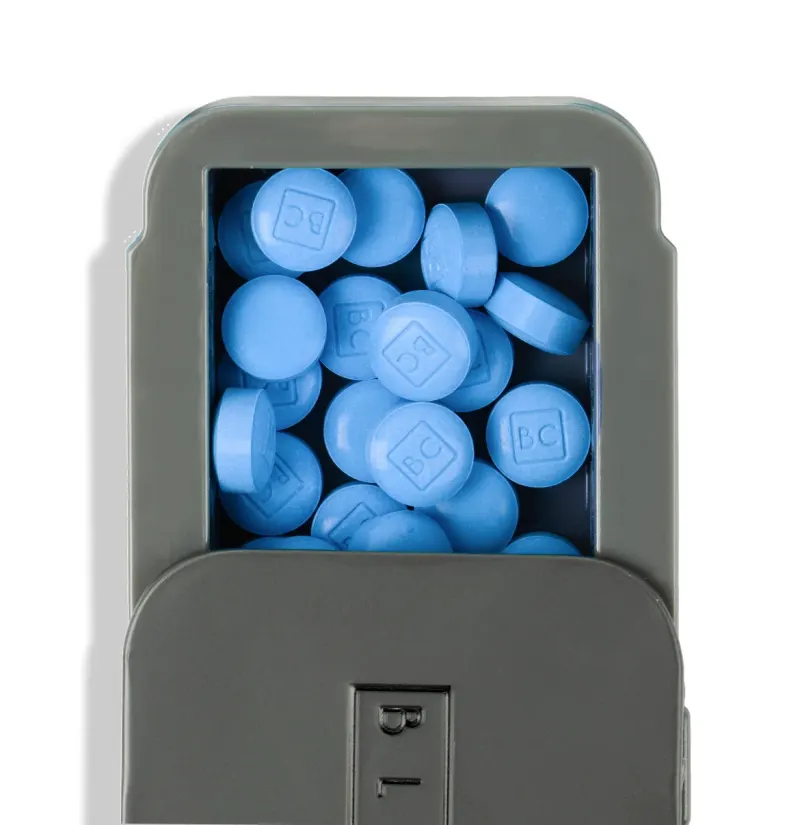
When physical concerns are handled, you're free to focus on connection and exploration. This is where options like BlueChew can support your intimate experiences—removing uncertainty so you can be fully present with your partner.
Research on oxytocin and intimacy shows that emotional connection enhances physical response. When you're confident in your body's reliability, you can focus on building that connection rather than worrying about performance.
Setting Boundaries: How to Keep Spicier Sex Safe and Fun
Boundaries aren't limitations—they're the structure that makes exploration feel safe enough to actually enjoy.
Understanding Hard and Soft Limits
Hard limits: Activities that are completely off the table. No negotiation, no exceptions.
Soft limits: Things you're uncertain about or willing to try under specific circumstances.
Discuss both before exploring. Revisit them periodically, as comfort levels may change over time.
The Art of the Safe Word
Safe words provide an immediate way to pause or stop activity. Choose something easy to remember but unlikely to come up naturally—many couples use the stoplight system:
- Green: Everything is great, keep going
- Yellow: Slow down, check in, proceed carefully
- Red: Stop immediately, no questions asked
Having this system in place actually allows more freedom because both partners know there's an emergency brake available at any moment.
Beyond the Bedroom: How Intimacy Fosters Connection in All Spaces
Sexual exploration exists within the context of your whole relationship. Couples who nurture multiple forms of intimacy often find bedroom adventures come more naturally.
Types of Intimacy to Cultivate Daily
Emotional intimacy: Sharing feelings, being understood, feeling accepted without judgment.
Intellectual intimacy: Connecting through ideas, discussions, and shared curiosity about the world.
Experiential intimacy: Building memories through shared activities and adventures together.
Physical affection: Non-sexual touch—holding hands, hugging, casual physical closeness.
Research on sexual exploration shows that when partners provide availability, non-interference, and encouragement, couples report greater sexual and relationship satisfaction. Creating emotional safety enables fuller exploration of physical intimacy.
A 2009 peer-reviewed study found that after consensual S/M activities that participants felt went well, couples showed reduced cortisol and increased feelings of closeness.
Taking the Next Step Together
Exploring new dimensions of intimacy requires both emotional readiness and physical confidence. When you've built the communication foundation and established clear boundaries with your partner, the next consideration is ensuring that physical performance concerns don't become barriers to the connection you're building.
BlueChew provides prescription medications containing the active ingredients sildenafil, vardenafil, and tadalafil. Sildenafil, vardenafil, and tadalafil are the active ingredients in Viagra, Levitra, and Cialis, respectively. Our convenient chewable and sublingual formulations offer discreet, effective support for men looking to enhance their intimate experiences.
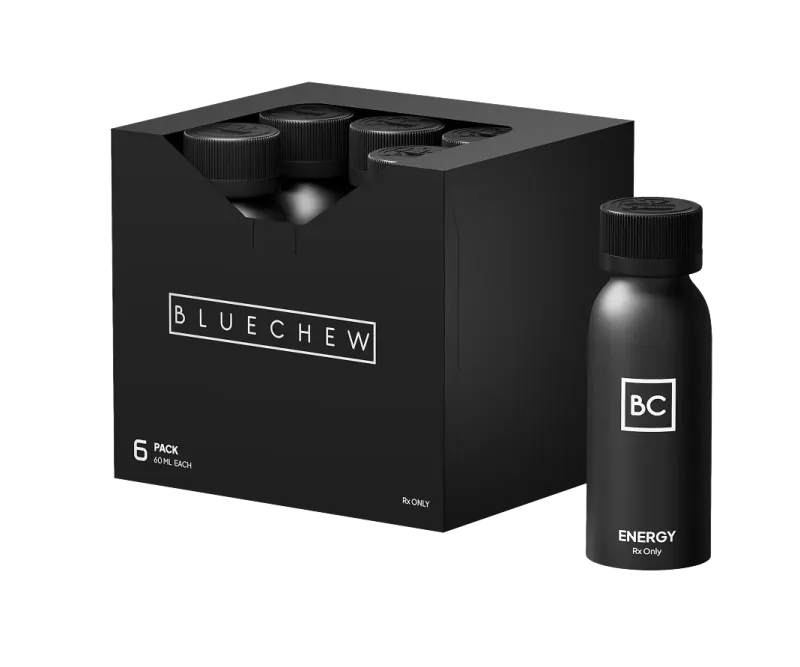
BlueChew's complete lineup:SIL, VAR, TAD, and DailyTAD come in a chewable tablet. MAX, VMAX, and GOLD are available as a sublingual tablet. ENERGY is available as liquid shot.
- SIL: 30 mg or 45 mg sildenafil, from $2.94/chew, works in 30 minutes, lasting up to 6 hours
- TAD: 6 mg or 9 mg tadalafil, from $3.57/chew, effective within 30 minutes, lasting up to 36 hours
- VAR: 8 mg vardenafil, from $4.33/chew, takes effect in 30 minutes, lasting up to 6 hours
- DailyTAD: 9 mg tadalafil plus 7 essential vitamins, $2.22/chew, lasting up to 36 hours
- MAX: 45 mg sildenafil + 18 mg tadalafil combo, $5.63/tablet, lasting up to 36 hours
- VMAX: 14 mg vardenafil + 18 mg tadalafil combo, $5.63/tablet, lasting up to 36 hours
- GOLD: sildenafil, tadalafil, oxytocin, and apomorphine sublingual tablet, from $6.94/tablet, lasting up to 36 hours
- ENERGY: 30 mg sildenafil + 60 mg caffeine, $4.50/ea, lasting up to 6 hours
For spontaneous exploration where timing is unpredictable, TAD's extended 24-36 hour window removes scheduling pressure entirely. When you want to be ready for wherever the evening leads, that flexibility can be liberating.
All products ship in unmarked packaging—just you, your partner, and the confidence to explore together.

Frequently Asked Questions
What's the difference between kink and curiosity?
Curiosity is the interest in exploring something new—it's the starting point. Kink refers to sexual practices or preferences outside conventional norms. You can be curious without identifying as kinky, and many people find that mild exploration satisfies their curiosity completely. There's no pressure to escalate; exploration is about discovering what works for you.
How can I safely introduce new ideas to my partner?
Start conversations outside the bedroom when you're both relaxed. Use "I" statements ("I've been curious about...") rather than demands. Frame it as mutual exploration rather than something one partner wants to do to the other. Be prepared for your partner to need time to think, and respect if they're not interested in specific activities.
Are there common misconceptions about kink I should know?
The biggest misconception is that kink indicates psychological problems. Research consistently shows the opposite—practitioners often demonstrate above-average well-being. Another misconception is that kink must involve pain or extreme activities. In reality, kink encompasses a wide spectrum, including many gentle, playful activities focused on sensation and connection.
What are some basic elements beginners might try?
Start with sensory exploration: blindfolds, temperature play with ice or warming oil, feathers or textured fabrics. Try establishing a power dynamic for just one encounter—one partner directs while the other follows. Experiment with restraint using silk scarves (with safety scissors nearby). The key is starting simple and building based on what you both enjoy.
When should I consider professional help for sexual wellness concerns?
If communication feels consistently blocked, if past trauma affects your intimate life, if desire discrepancy creates ongoing conflict, or if physical concerns persist despite trying solutions, a sex therapist can provide valuable guidance. For physical performance concerns specifically, BlueChew's online consultation connects you with licensed providers who can determine if prescription support is appropriate for your situation.
This article is for informational purposes only and does not constitute medical advice. The content provided here is not a substitute for, and should never be relied upon as, professional medical advice. Always consult your doctor to discuss the risks, benefits, and appropriateness of any treatment. BlueChew offers compounded medications prescribed solely for the treatment of erectile dysfunction and sexual performance enhancement. Compounded medications are not FDA-approved.
Other Helpful Articles