How to Tell If Your Low Libido Is a Medical Problem

Medically reviewed by: Dr. Nicolette Natale, D.O.
A dip in sexual desire happens to everyone at some point. Stress at work, a busy season with the kids, or simply feeling exhausted can temporarily push intimacy to the back burner. But when weeks turn into months and that spark still feels distant, you might start wondering whether something more is going on. Understanding the difference between a temporary slump and a medical condition is the first step toward finding solutions that actually work.
For men experiencing low libido alongside erectile difficulties, BlueChew provides prescription compounded medications that can support the physical side of the equation. But before exploring solutions, it helps to understand what your body might be telling you. Low libido is a common concern among men, and recognizing when professional evaluation is warranted can make all the difference.
Key Takeaways
- Low libido becomes a medical concern when it persists for six months or longer and causes personal distress or relationship difficulties
- For men, sudden loss of sex drive combined with loss of morning erections often signals hormonal issues requiring evaluation
- Certain medications, including antidepressants and some blood pressure drugs, can affect libido and sexual function. SSRIs may cause sexual side effects in about 40-65% of users, and these effects may improve with medication adjustments guided by a healthcare provider
- Erectile dysfunction and low libido frequently occur together, and addressing ED can help restore desire and confidence
- Both men and women benefit from ruling out medical causes before assuming the issue is purely psychological

Understanding Low Sex Drive: What Does "Low" Really Mean?
Sexual desire exists on a spectrum, and there's no universal "normal" when it comes to how often you want intimacy. What matters most is whether your current level of desire differs significantly from your personal baseline and whether that change bothers you or affects your relationship.
Defining "Normal" Libido
The medical definition of problematic low libido involves more than just frequency. According to DSM-5 diagnostic criteria, Male Hypoactive Sexual Desire Disorder (MHSDD) requires persistently low or absent sexual thoughts, fantasies, and desire lasting six months or longer. The condition must also cause significant personal distress or interpersonal difficulty.
This means wanting sex once a week instead of daily isn't necessarily a problem. However, going from an active sex life to having no interest whatsoever over several months warrants attention.
Recognizing Changes in Your Sex Drive
Temporary dips in desire often resolve on their own when life circumstances improve. Acute work stress, relationship conflicts, poor sleep, or recent changes in routine typically affect libido for weeks to a few months before returning to baseline.
Signs your low libido may be situational:
- Desire returns when stress decreases
- You still have sexual thoughts occasionally
- The change coincided with a specific life event
- You can engage in and enjoy sex when initiated by a partner
Signs pointing toward a medical evaluation:
- Persistent low desire for six months or longer
- Complete absence of sexual thoughts or fantasies
- Loss of morning erections (for men)
- Associated symptoms like fatigue, mood changes, or weight fluctuations
When Your Sex Drive Takes a Sudden Dip: Causes for Males
For men experiencing sudden or gradual loss of libido, several medical factors deserve consideration. Understanding these causes helps determine when self-monitoring is appropriate versus when professional evaluation becomes necessary.
Hormonal Factors Affecting Male Libido
Low testosterone represents the most common hormonal cause of decreased sex drive in men. Approximately 40% of men over 45 years old have low testosterone, and the prevalence rises to 30-50% among men with Type 2 diabetes or obesity.
Symptoms beyond low libido that suggest testosterone deficiency:
- Loss of morning erections
- Erectile dysfunction that worsens over time
- Decreased muscle mass and increased body fat
- Persistent fatigue and depressed mood
- Hot flashes or breast tissue growth
Proper diagnosis requires two separate testosterone blood tests taken in the early morning (before 10 AM). Levels below 300 ng/dL combined with symptoms typically indicate hypogonadism.
Other hormonal conditions affecting male libido include hyperprolactinemia (elevated prolactin suppressing testosterone), hypothyroidism, and hyperthyroidism.
Underlying Health Conditions
Chronic medical conditions frequently impact sexual desire through multiple mechanisms. Diabetes causes nerve damage and vascular issues. Cardiovascular disease impairs blood flow. Chronic kidney disease disrupts hormone production.
Perhaps most significantly, erectile dysfunction often serves as an early warning sign for cardiovascular problems. Research suggests ED can precede heart attack by 3-5 years. Men with new-onset ED and cardiovascular risk factors should consider cardiac screening.
Sleep apnea also deserves mention. It disrupts hormone production during sleep and can suppress testosterone levels. Treatment often improves both energy and libido.
Identifying the Roots of Low Sex Drive in Men: Medical Causes and Solutions
When medical evaluation confirms an underlying cause, targeted treatment can often restore both erectile function and desire.
The Role of Erectile Dysfunction in Low Sex Drive
ED and low libido frequently travel together. When erections become unreliable, many men unconsciously avoid sexual situations altogether. Performance anxiety compounds the problem, creating a cycle where physical difficulties lead to psychological avoidance.
For men in this situation, addressing erectile function often helps restore desire. Understanding how erections work and treating ED with PDE5 inhibitors like sildenafil or tadalafil can break this cycle, allowing confidence and desire to return.
Seeking Professional Help
Initial evaluation for low libido typically includes a comprehensive health history, physical examination, and laboratory testing. Essential tests include total testosterone (two morning samples), luteinizing hormone, thyroid panel, and hemoglobin A1C to screen for diabetes.
When to see a urologist:
- Persistent ED with low libido
- Suspected testicular problems
- Need for advanced ED treatments
- Fertility concerns
When to see an endocrinologist:
- Complicated hormone imbalances
- Suspected pituitary disorders
- Difficulty managing testosterone levels
Understanding Hormonal Imbalance and Sudden Loss of Sex Drive in Females
Women experience their own set of hormonal influences on libido. Understanding these factors helps partners communicate about changes and seek appropriate care.
Key Hormones Influencing Female Libido
Estrogen, progesterone, and yes, testosterone all play roles in female sexual desire. Estrogen affects vaginal lubrication and tissue health. Testosterone, though present in smaller amounts than in men, influences desire and arousal.
Life stage transitions significantly impact these hormone levels. Perimenopause and menopause bring declining estrogen. Thyroid dysfunction, PCOS, and certain birth control methods also affect the hormonal balance underlying sexual desire.
Recognizing Symptoms of Hormonal Imbalance
Women experiencing sudden loss of libido alongside hot flashes, vaginal dryness, irregular periods, or mood changes may be dealing with hormonal shifts. Blood testing can identify specific imbalances, and treatment options range from hormone replacement therapy to lifestyle modifications.
Exploring Holistic Approaches to Boost Female Libido
For women seeking to enhance desire through natural means, several evidence-based approaches show promise.
Lifestyle Changes for Improved Sexual Desire
Regular exercise improves body image, reduces stress hormones, and enhances blood flow throughout the body. Sleep quality directly impacts hormone production and energy levels. A Mediterranean-style diet supports both cardiovascular and hormonal health.
Stress reduction through mindfulness, meditation, or regular relaxation practices helps shift the nervous system away from the fight-or-flight mode that suppresses desire.
The Role of Mental Well-being
Depression and anxiety commonly suppress libido in both men and women. Treating underlying mental health conditions often restores sexual interest. For some, working with a therapist specializing in sexual health provides targeted support.
Psychological Factors Behind Low Libido in Men and Women
The mind-body connection in sexual desire means that psychological factors can either cause low libido independently or compound medical issues.
The Mental-Sexual Connection
Performance anxiety creates a self-fulfilling prophecy where worry about sexual function actually impairs it. Relationship stress, unresolved conflicts, and communication breakdowns affect desire. Past trauma, body image concerns, and depression all influence libido.
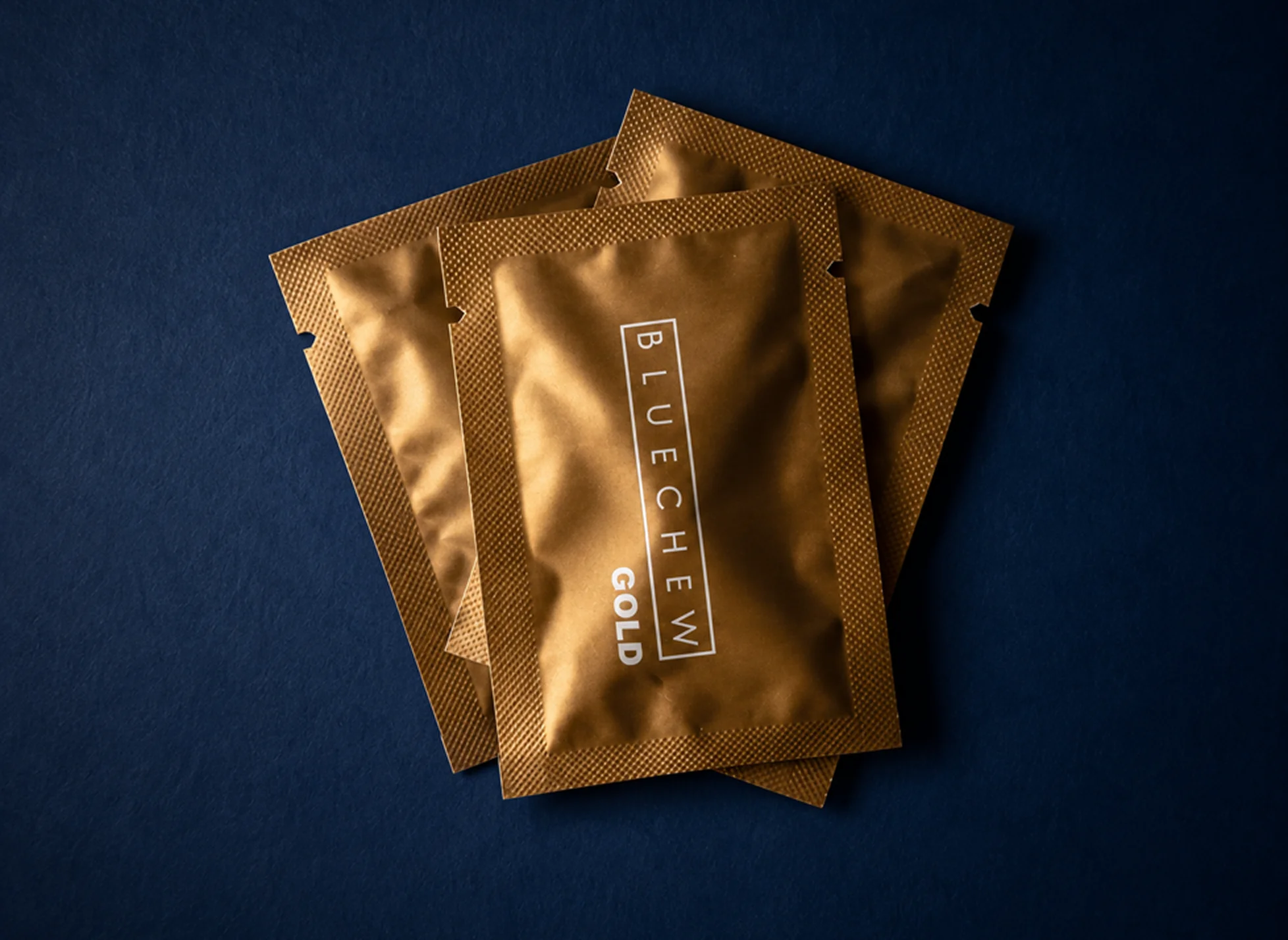
For men dealing with both psychological and physical components of ED, BlueChew GOLD offers a unique approach. This formulation contains sildenafil and tadalafil for blood flow support, plus apomorphine, a dopamine agonist involved in arousal pathways, and oxytocin, which is being studied for its potential role in intimacy and sexual response. This combination is designed to support multiple factors that can play a role in erectile function.
Addressing Stress and Anxiety
Chronic stress elevates cortisol, which suppresses sex hormones. Simple interventions like regular exercise, adequate sleep, and mindfulness practice can help restore hormonal balance naturally.
For couples, improving communication often unlocks the desire that stress has suppressed. Sometimes the most effective intervention is honest conversation about what each partner needs.
Lifestyle Choices and Medication Impacts on Libido
Daily habits and prescribed medications influence sexual function more than many people realize.
Common Medications Affecting Sexual Function
Antidepressants represent the most common medication-related cause of sexual dysfunction. Antidepressants, especially SSRIs and SNRIs, are linked with sexual side effects, with SSRIs often cited in the 40-65% range.
Other medication classes affecting libido:
- Beta-blockers and diuretics for blood pressure
- Opioid pain medications
- Antiandrogens for prostate conditions (finasteride, dutasteride)
- Antipsychotics and antihistamines
If you suspect medications are affecting your libido, never stop them abruptly. Instead, discuss alternatives with your prescriber. Switching to bupropion (which actually increases libido in some users) or adjusting doses may help.
The Influence of Daily Habits
Alcohol consumption beyond moderation suppresses testosterone and impairs sexual function. Smoking damages blood vessels critical for erections. Poor diet and obesity lower testosterone while increasing cardiovascular risk.
Exercise remains one of the most powerful interventions. Resistance training three times weekly can naturally increase testosterone. Combined with adequate sleep (7-9 hours nightly), these lifestyle factors support both libido and overall health.
When to Seek Professional Guidance for Low Sex Drive
Recognizing when self-management isn't enough helps ensure timely treatment of treatable conditions.
Recognizing Red Flags
Seek evaluation if low libido has persisted six months or longer, causes significant distress, occurs alongside other symptoms (fatigue, erectile dysfunction, mood changes), or doesn't improve with lifestyle modifications.
For men, loss of morning erections combined with low desire strongly suggests a medical cause. New-onset ED with cardiovascular risk factors warrants prompt evaluation.
The Diagnostic Process
Initial consultation involves detailed history-taking about sexual function, medical conditions, medications, and lifestyle factors. Physical examination assesses secondary sex characteristics, vital signs, and genital health. Laboratory testing confirms or rules out hormonal and metabolic causes.
Telemedicine offers a convenient starting point for many men. Understanding how BlueChew works as a telemedicine platform can help those seeking discreet, accessible evaluation and treatment for ED.
How BlueChew Can Support Men with ED-Related Low Libido
For men whose low libido connects to erectile difficulties, addressing the physical component often restores confidence and desire.
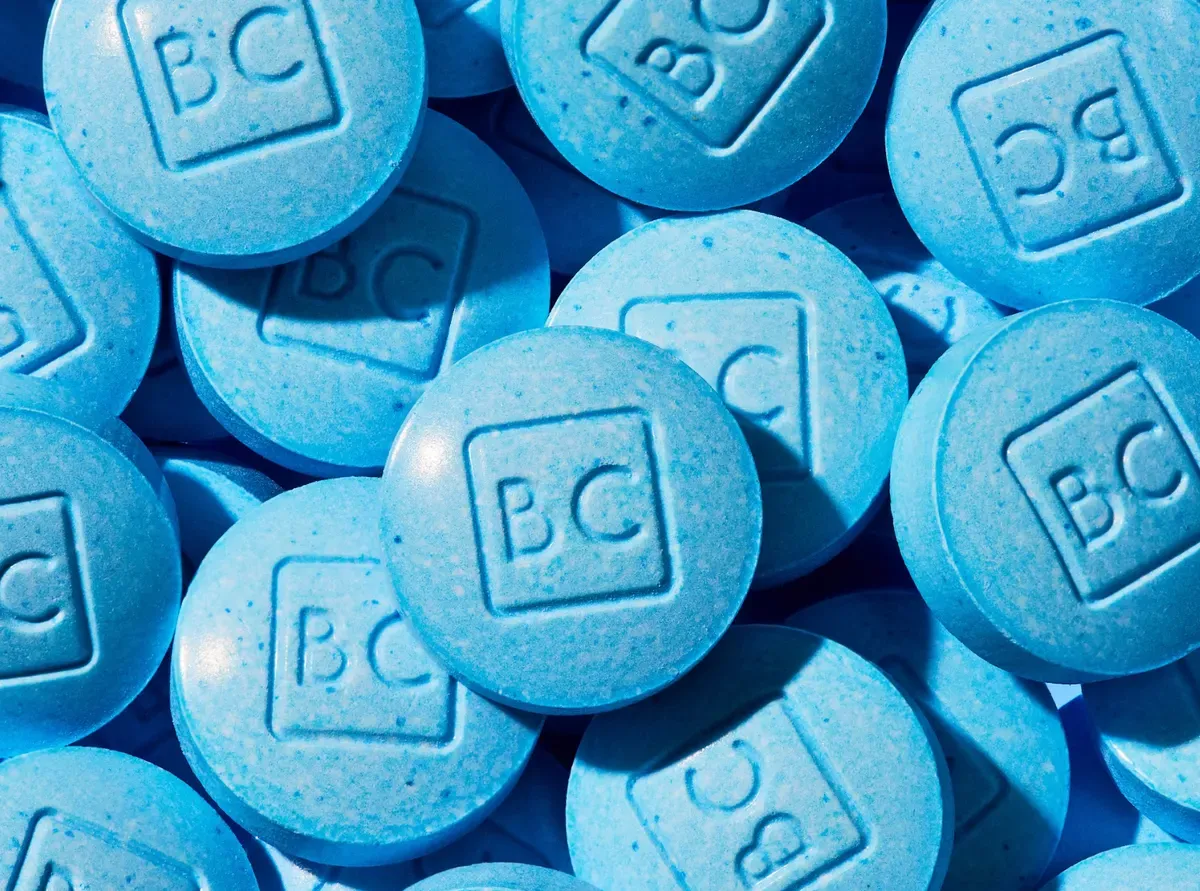
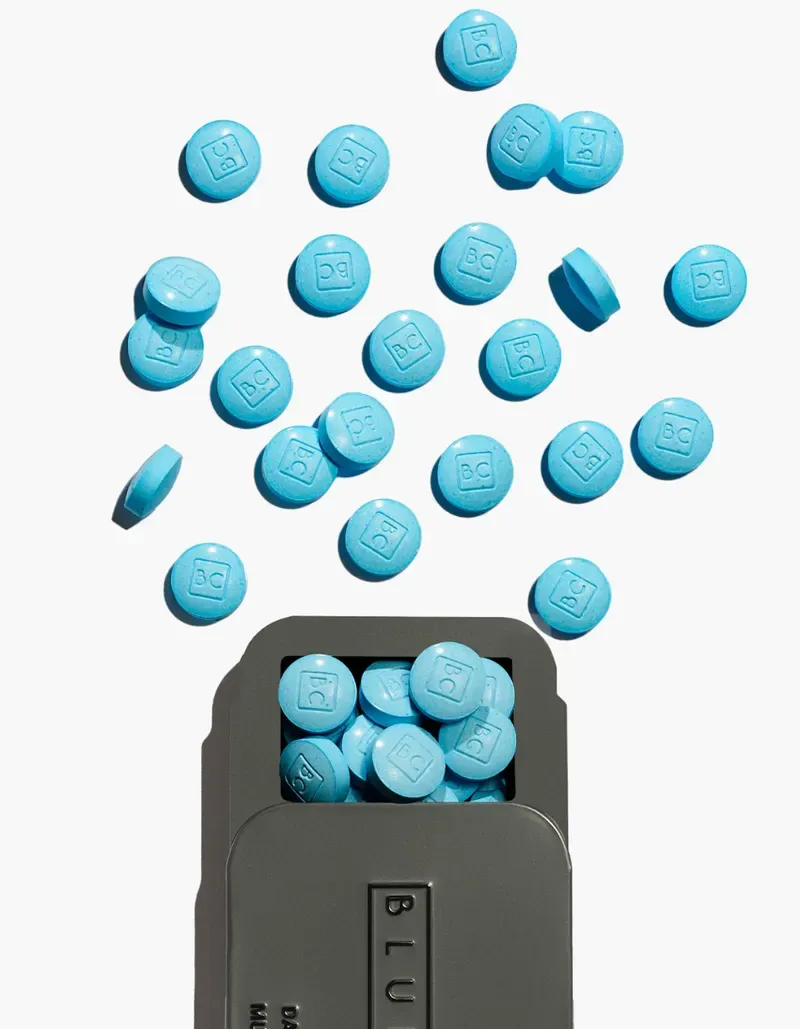
BlueChew provides prescription compounded medications containing the active ingredients sildenafil, vardenafil, and tadalafil. Sildenafil, vardenafil, and tadalafil are the active ingredients in Viagra, Levitra, and Cialis, respectively. When erectile function improves, many men may feel more confident and more open to intimacy again.
DailyTAD comes in a chewable tablet. SIL, VAR, TAD, MAX, VMAX, and GOLD are available as a sublingual tablet.
BlueChew’s complete product lineup includes:
- SIL: 45 mg sildenafil, works within 15 minutes, lasting up to 6 hours
- TAD: 9 mg tadalafil, effective within 15 minutes, lasting up to 36 hours
- VAR: 8 mg vardenafil, takes effect within 15 minutes, lasting up to 6 hours
- DailyTAD: 9 mg tadalafil plus 7 essential vitamins, lasting up to 36 hours
- MAX: 45 mg sildenafil + 18 mg tadalafil combo, lasting up to 36 hours
- VMAX: 14 mg vardenafil + 18 mg tadalafil combo, lasting up to 36 hours
- GOLD: sildenafil, tadalafil, oxytocin, and apomorphine sublingual tablet, lasting up to 36 hours
For new customers, GOLD offers a multi-ingredient approach designed to support both physical and arousal-related factors, while MAX provides dual-ingredient support for erectile function.
Frequently Asked Questions
How do I know if my low libido is just stress or a medical condition?
The key differentiator is duration and associated symptoms. Stress-related low libido typically resolves within weeks to months when circumstances improve. If your reduced desire has persisted six months or longer, causes significant distress, or comes with other symptoms like fatigue, loss of morning erections, or mood changes, medical evaluation is warranted.
Can certain medications I'm taking cause my sudden low sex drive?
Absolutely. Antidepressants, especially SSRIs and SNRIs, are linked with sexual side effects, with SSRIs often cited in the 40-65% range. Some blood pressure medications, including beta-blockers and diuretics, may also affect libido or erectile function. Opioid pain medications, antihistamines, and drugs for prostate conditions also frequently impact sexual desire. Never stop medications without consulting your prescriber, but do discuss alternatives if you suspect medication-related effects.
When should I consider seeing a doctor for low libido, and what kind of doctor should I see?
Consider evaluation after six months of persistent low desire that bothers you, or sooner if accompanied by other symptoms like erectile dysfunction, fatigue, or weight changes. Start with your primary care provider or a telemedicine service for initial screening and hormone testing. Urologists handle complex ED cases, endocrinologists manage hormonal disorders, and sex therapists address psychological components.
Are there specific differences in how low libido is treated in men versus women?
Yes. For men, treatment often focuses on testosterone replacement (if levels are low) and addressing erectile dysfunction with PDE5 inhibitors. Women may benefit from hormone replacement therapy, FDA-approved medications like flibanserin or bremelanotide, or addressing underlying conditions like thyroid dysfunction. Both genders benefit from treating contributing factors like depression, relationship issues, and medication side effects.
Can a telemedicine platform like BlueChew help if erectile dysfunction is affecting my libido?
For men whose low desire connects to erectile difficulties, yes. When ED contributes to performance anxiety or avoidance of intimacy, treating erectile difficulties may help improve confidence and make intimacy feel more approachable. BlueChew's online consultation connects you with licensed providers who can prescribe appropriate treatment, delivered discreetly to your door. This approach works best when underlying medical causes have been ruled out or are being addressed alongside ED treatment.
BLUECHEW EDITORIAL STANDARDS
This article is provided for informational purposes only and does not constitute medical advice. The information presented is not a substitute for professional medical advice, diagnosis, or treatment. Always consult your healthcare provider to discuss the risks, benefits, and appropriateness of any treatment.
BlueChew offers access to healthcare providers who may prescribe compounded medications for the treatment of erectile dysfunction.
The featured products include compounded medications that have not been approved by the FDA. Compounded medications may be prescribed under federal law but are not the same as, nor are they generic versions of, any FDA-approved medication. The FDA does not review compounded medications for safety, effectiveness, or manufacturing quality of compounded products. A prescription will only be written if deemed appropriate after the digital consultation by the licensed medical provider. Individual results may vary.
BlueChew is not a compounding pharmacy but a telemedicine service that links patients to licensed medical providers.
RELATED ARTICLES



Have Better Sex
- 100% online process
- No office visit required
- Discreet shipping, if prescribed
*Prescription products require an online review by a licensed provider. Restrictions apply.

 Medically reviewedEvery article is reviewed by a licensed provider on the BlueChew medical team.