How Magnesium Can Help With Sexual Performance for Men

When it comes to sexual health, most men focus on exercise, diet, sleep, stress, and medical treatment options. Magnesium is one nutrient that may be relevant because it plays a role in muscle function, nerve signaling, energy metabolism, and vascular health. Some research has also explored the relationship between magnesium and testosterone, though the findings should be interpreted as part of a broader health picture rather than as proof that magnesium directly improves sexual performance.
Nutritional changes usually work gradually and may be most relevant when a person’s intake is low. Men with ongoing erectile dysfunction (ED), sudden changes in erections, or concerns about libido should speak with a healthcare provider to understand possible causes. For eligible patients interested in prescription ED treatment options, BlueChew offers compounded medications after an online provider review.
Key Takeaways
- Magnesium may support overall wellness, including nerve, muscle, energy, and vascular function.
- Some research has explored magnesium’s relationship with testosterone, but it should not be treated as a guaranteed testosterone booster.
- ED can have vascular, psychological, hormonal, medication-related, and lifestyle-related causes.
- Magnesium may be one part of a broader wellness routine, but it is not a standalone ED treatment.
- BlueChew offers chewable, sublingual, and liquid medication formats depending on the product and provider review.

Magnesium and Testosterone: A Connection Worth Understanding
Testosterone can influence libido, energy, and sexual function, but testosterone levels are affected by many factors, including sleep, body composition, medications, health conditions, stress, and overall nutrition. Magnesium may be one nutrient involved in this broader system.
The Role of Magnesium in Hormonal Health
Magnesium acts as a cofactor in many biochemical reactions. Because hormone production depends on several enzyme-driven processes, researchers have studied whether magnesium status may be associated with testosterone and other anabolic hormones.
This does not mean magnesium supplementation will raise testosterone for every man. The effect may depend on baseline magnesium intake, physical activity, health status, and other individual factors. Men concerned about low testosterone should ask a healthcare provider about appropriate testing and treatment options.
Free Testosterone and Magnesium
Total testosterone is only one part of the picture. Free testosterone refers to the portion that is not tightly bound to proteins in the blood. Some research has explored whether magnesium may affect testosterone bioavailability, but the evidence is not strong enough to present magnesium as a direct treatment for low testosterone or ED.
If symptoms such as low libido, fatigue, mood changes, or persistent erection difficulties are present, a healthcare provider can evaluate possible contributors rather than relying on supplements alone.
Magnesium’s Broader Role in Men’s Wellness
Sexual health does not exist in isolation. The systems that support erections also overlap with cardiovascular health, sleep, energy, mood, and stress response. Magnesium may play a supportive role in some of these areas.
General Health Functions of Magnesium
Magnesium participates in many normal body processes, including:
- Muscle and nerve function
- Energy production
- Blood pressure regulation
- Glucose metabolism
- Bone health
- Normal heart rhythm
These functions are relevant to overall wellness. However, supporting general health is different from claiming that magnesium directly improves sexual performance.
How Magnesium May Support Vitality
Some men may notice that improving nutrition, sleep, and stress management supports energy and overall well-being. Magnesium may be part of that foundation, especially when dietary intake is low.
Still, sexual concerns can have many causes. If ED is persistent, new, or distressing, it is best to get a medical evaluation.
Magnesium and Erectile Function
Erections depend partly on blood flow, nerve signaling, sexual arousal, and smooth muscle relaxation. Magnesium may be relevant to some of these processes, but the relationship between magnesium and ED is still being studied.
Magnesium and Blood Flow
Nitric oxide helps blood vessels relax, which is an important part of the erectile response. Magnesium is involved in vascular function, and low magnesium status has been associated with cardiovascular and metabolic concerns that may also be related to ED.
A population-based analysis found an association between magnesium deficiency and ED, but observational research cannot prove that magnesium deficiency directly causes ED or that supplementation will resolve it. It does suggest that magnesium status may be worth considering as part of overall health.
Magnesium and Nerve Function
Proper nerve signaling is also important for arousal and sexual response. Magnesium helps regulate normal nerve and muscle function, which may make it relevant to overall sexual health.
That said, nerve-related ED can also be caused by diabetes, surgery, injuries, medications, and neurological conditions. Magnesium should not be used as a substitute for medical evaluation.

Magnesium Glycinate and Supplement Forms
Not all magnesium supplements are the same. Different forms may vary in tolerability, absorption, and side effects.
Why Some People Choose Magnesium Glycinate
Magnesium glycinate is a chelated form, meaning magnesium is bound to glycine. Some people prefer it because it is often marketed as gentler on the stomach than certain other forms.
Potential reasons people choose magnesium glycinate include:
- Digestive tolerability
- Ease of routine use
- Interest in sleep or relaxation support
- Preference for chelated mineral forms
These points do not mean magnesium glycinate is proven to improve sexual performance. It is simply one supplement form some people tolerate well.
Other Common Forms
Magnesium citrate is another common option. Magnesium oxide is widely available but may be less well absorbed and more likely to cause digestive effects for some people.
Before starting a supplement, consider your current diet, medications, kidney health, and any medical conditions. A healthcare provider can help determine whether supplementation is appropriate.
Magnesium With Other Nutrients
Magnesium works within a broader nutritional system. No single nutrient controls sexual function on its own.
Nutrients That May Support Men’s Health
A balanced diet may include nutrients such as:
- Zinc
- Vitamin D
- Vitamin B6
- Folate
- Omega-3 fatty acids
- Protein
- Fiber-rich carbohydrates
These nutrients support general health, but supplementing without a clear need can be unnecessary or even inappropriate in some cases. Testing and provider guidance can help when deficiency is suspected.
A Food-First Approach
For many men, improving overall diet quality is a better first step than adding multiple supplements. A diet rich in vegetables, fruits, legumes, whole grains, nuts, seeds, and lean proteins can support cardiovascular and metabolic health, which are relevant to erectile function.
Magnesium Deficiency and Sexual Health
Low magnesium intake can happen when diets are low in whole foods such as leafy greens, nuts, seeds, legumes, and whole grains. However, symptoms of low magnesium can be nonspecific and overlap with many other issues.
Possible Signs of Low Magnesium
Possible symptoms associated with low magnesium may include:
- Fatigue
- Muscle cramps or twitches
- Sleep difficulty
- Headaches
- Irritability
- Weakness
These symptoms do not confirm deficiency. They can also be related to stress, sleep problems, medications, dehydration, low iron, thyroid issues, depression, or other health concerns.
Magnesium as a Modifiable Factor
Magnesium intake may be one modifiable factor in a broader sexual health plan. If diet is low in magnesium-rich foods, increasing those foods may support overall wellness.
For persistent ED, magnesium should be viewed as supportive, not curative. A provider can evaluate vascular, hormonal, psychological, and medication-related causes.
Adding Magnesium to Your Routine
You can increase magnesium through food, supplements, or both. Food is usually the best place to start.
Food Sources Rich in Magnesium
Magnesium-rich foods include:
- Spinach and other leafy greens
- Pumpkin seeds
- Almonds and cashews
- Black beans and lentils
- Quinoa and oats
- Dark chocolate with higher cacao content
Adding these foods can support overall nutrition while also providing fiber, antioxidants, and other nutrients.
Supplement Safety
If you are considering magnesium supplements, discuss dose and form with a healthcare provider, especially if you have kidney disease or take medications.
General supplement considerations include:
- Start with a lower dose if you are sensitive to digestive effects
- Take with food if it upsets your stomach
- Avoid stacking multiple magnesium-containing products
- Use caution with kidney disease
- Ask about medication interactions
Magnesium supplements can cause diarrhea, nausea, or cramping in some people, especially at higher doses.

Beyond Supplements: Holistic Sexual Health
Magnesium works best as one part of a broader approach. Sexual function can be affected by physical health, stress, relationships, sleep, and medications.
Lifestyle Factors for Sexual Health
Helpful habits may include:
- Regular physical activity
- Consistent sleep
- Stress management
- Limiting heavy alcohol use
- Avoiding smoking
- Eating a heart-supportive diet
- Talking openly with a partner
- Seeking care for ongoing ED
These habits are not guaranteed to resolve ED, but they can support overall health and may reduce contributing factors.
Integrating Magnesium With Healthy Habits
Think of magnesium as a supportive nutrient, not a complete sexual performance plan. If you improve diet, sleep, exercise, and stress management but ED continues, a healthcare provider can help identify next steps.
How BlueChew Supports Sexual Health Goals
While magnesium may support general wellness over time, some men also want to discuss prescription ED treatment options. BlueChew provides access to prescription compounded ED medications through an online provider review.
BlueChew provides prescription medications containing the active ingredients sildenafil, vardenafil, and tadalafil. Sildenafil, vardenafil, and tadalafil are the active ingredients in Viagra, Levitra, and Cialis, respectively.
BlueChew offers:
- Online medical intake
- Review by a licensed provider
- Chewable, sublingual, and liquid medication formats depending on the product
- Discreet shipping
- Online account management
BlueChew’s complete product lineup includes:
- SIL: 30 mg or 45 mg sildenafil, from $2.95/tablet, works in 30 minutes, lasting up to 6 hours
- TAD: 6 mg or 9 mg tadalafil, from $3.58/tablet, effective within 30 minutes, lasting up to 36 hours
- VAR: 8 mg vardenafil, from $4.34/tablet, takes effect in 30 minutes, lasting up to 6 hours
- DailyTAD: 9 mg tadalafil plus 7 essential vitamins, $2.23/tablet, lasting up to 36 hours
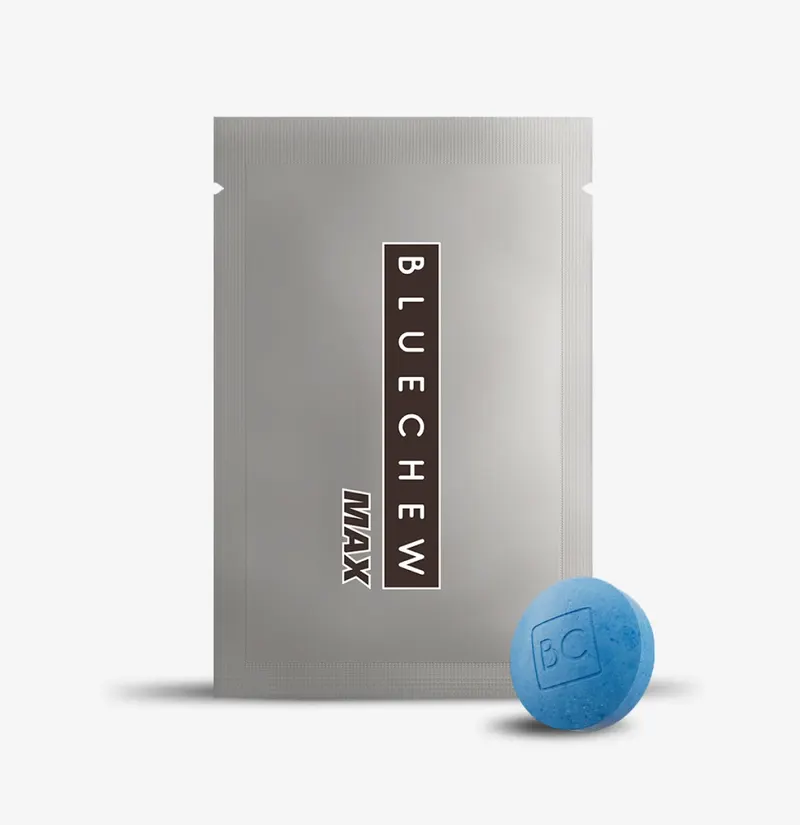
- MAX: 45 mg sildenafil + 18 mg tadalafil combo, $5.63/tablet, lasting up to 36 hours
- VMAX: 14 mg vardenafil + 18 mg tadalafil combo, $5.63/tablet, lasting up to 36 hours
- GOLD: sildenafil, tadalafil, oxytocin, and apomorphine sublingual tablet, from $7.30/tablet, lasting up to 36 hours
- ENERGY: 30 mg sildenafil + 60 mg caffeine, $4.50/ea, lasting up to 6 hours
To learn more about the platform, review how BlueChew works or learn how to manage your BlueChew account.

Frequently Asked Questions
What is the recommended magnesium intake for men?
Recommended intake depends on age, diet, health status, and supplement use. Many adult men are advised to get roughly 400 mg or more per day from food and supplements combined, but individual needs vary. A healthcare provider can help you decide whether supplementation is appropriate.
Can magnesium alone resolve erectile dysfunction?
Magnesium should not be presented as a standalone ED treatment. It may support general wellness, especially if intake is low, but ED can have many causes. Persistent ED should be evaluated by a healthcare provider.
Are there side effects of magnesium supplements?
Yes. Magnesium supplements may cause diarrhea, nausea, cramping, or stomach discomfort, especially at higher doses. People with kidney disease should avoid magnesium supplementation unless directed by a healthcare provider.
How long does magnesium take to affect sexual function?
There is no guaranteed timeline. Any effects may depend on baseline magnesium intake, diet, health status, and whether ED is related to another cause. If ED continues, speak with a provider rather than waiting for a supplement to work.
Is magnesium glycinate better for sexual performance?
Magnesium glycinate may be easier for some people to tolerate, but it is not proven to be superior for sexual performance. The best form depends on tolerability, health status, and provider guidance.
This article is for informational purposes only and does not constitute medical advice. The content provided here is not a substitute for, and should never be relied upon as, professional medical advice. Always consult your doctor to discuss the risks, benefits, and appropriateness of any treatment. BlueChew offers compounded medications prescribed solely for the treatment of erectile dysfunction and sexual performance enhancement. Compounded medications are not FDA-approved.
Other Helpful Articles