Matthew Perry ED Memoir

Matthew Perry's 2022 memoir, "Friends, Lovers, and the Big Terrible Thing," offered millions of readers an unflinching look at addiction's devastation—and the hard-won hope of recovery. The beloved Friends star detailed decades of substance abuse that began at age 14 and persisted through his career's peak, ultimately leading to life-threatening medical crises. His story resonates beyond Hollywood, illuminating how addiction affects every aspect of health, including mental wellness and physical function. For men navigating recovery, understanding the full scope of addiction's impact—from cardiovascular health to intimate relationships—becomes essential for rebuilding a fulfilling life. Whether addressing mental health challenges or physical concerns that often accompany recovery, comprehensive care makes all the difference.
Key Takeaways
- Matthew Perry's memoir documents about $9 million spent on 15 rehabilitation stays, illustrating addiction as a chronic condition requiring persistent treatment rather than a single intervention
- Integrated treatment for co-occurring mental health and substance use disorders is associated with better engagement and outcomes compared with treating either condition alone
- Substance abuse can impair sexual function through both physiological mechanisms and psychological barriers, with recovery opening pathways to restored intimacy and confidence

Matthew Perry's Memoir: Friends, Fame, and the Fight for Sobriety
"Friends, Lovers, and the Big Terrible Thing" stands as one of the most candid celebrity memoirs about addiction ever published. The "Big Terrible Thing" in the title refers to his addiction—a force that nearly killed him multiple times, including a 2018 medical emergency involving a burst colon that required emergency surgery.
The memoir's power lies in its refusal to romanticize recovery or demonize relapse. Perry estimated spending over $7 million on 15 rehabilitation stays throughout his life, filming episodes of Friends while living in treatment facilities and navigating the impossible pressure of maintaining a comedic performance while battling for his life.
What the Book Covers: From Sitcom Success to Rehab
Perry's narrative moves between his professional triumphs and personal devastation. He describes filming iconic Friends episodes while withdrawing from substances, the physical toll of opioid and alcohol abuse, and the emotional wreckage left in addiction's wake. The memoir doesn't shy away from medical details—pneumonia, multiple stomach surgeries, time on life support, and a two-week coma all feature prominently.
Despite the harrowing content, Perry frames his story around gratitude. Recovery, he writes, is "a gift you must never waste." This spiritual approach emphasizes appreciation for second chances rather than dwelling on past failures, offering readers a perspective on sustainable recovery that incorporates emotional resilience alongside clinical treatment.
Critical Reception and Reader Impact
The book received widespread acclaim for its honesty and accessibility. Addiction specialists noted how Perry's fame and resources didn't insulate him from the disease's progression—a critical message for readers who might believe addiction only affects certain demographics. Celebrity disclosures about addiction can influence public help-seeking behavior and reduce stigma around treatment.
Perry's memoir contributed to this phenomenon, humanizing the recovery process and demonstrating that persistence—not perfection—defines successful treatment outcomes.
Understanding Addiction: What Matthew Perry's Story Reveals About Dependency
Perry's decades-long battle illustrates fundamental truths about substance use disorders. The National Institute on Drug Abuse characterizes addiction as a chronic brain disease affecting decision-making, judgment, and behavior—similar to diabetes or hypertension in its chronic nature and relapse patterns.
This medical model helps frame Perry's 15 treatment attempts not as failures but as the expected course of managing a chronic condition.
The Brain Chemistry Behind Addiction
Substances like opioids and alcohol hijack the brain's reward pathways, flooding circuits with dopamine and creating powerful associations between use and pleasure. Over time, tolerance builds as the brain adapts, requiring higher doses to achieve the same effect. Withdrawal occurs when the brain, now dependent on the substance for normal function, experiences chemical imbalance in its absence.
Perry's memoir describes this progression viscerally—starting with experimentation, moving to regular use for coping, then escalating to physical dependence where stopping triggers severe withdrawal symptoms. The neurotransmitter disruption affects everything from mood regulation to physical coordination, explaining why addiction rarely occurs in isolation from mental health challenges.
Why Fame and Access Complicate Recovery
Success and resources created unique challenges for Perry. Access to prescription medications, enablers in his professional circle, and the pressure to maintain appearances while suffering internally all complicated his recovery journey. Yet these same resources—financial ability to pursue multiple treatment attempts, access to top specialists, time off from work—also gave him advantages most people lack.
The Physical Toll of Long-Term Substance Use: Health Complications Perry Faced
Perry's memoir details severe medical consequences from decades of substance abuse. His 2018 medical crisis—a gastrointestinal perforation requiring emergency surgery—left him with a colostomy bag for months and nearly ended his life. Multiple organ systems bore the brunt of long-term opioid and alcohol use.
How Opioids and Alcohol Damage the Body
Gastrointestinal System: Opioids slow digestive function dramatically, leading to severe constipation, bowel obstruction, and in Perry's case, perforation requiring surgical intervention. Chronic alcohol use inflames the digestive tract, increasing ulcer risk and impairing nutrient absorption.
Liver Function: Alcohol causes progressive liver damage—from fatty liver to cirrhosis. Opioids, particularly when combined with acetaminophen, stress the liver further. Perry's memoir mentions liver concerns that required ongoing monitoring even in recovery.
Cardiovascular System: Both substances strain the heart. Alcohol can cause arrhythmias and cardiomyopathy, while opioids affect heart rate and blood pressure regulation. Perry’s autopsy listed coronary artery disease as a contributing factor to his death, a condition exacerbated by substance use.
Immune Function: Chronic substance abuse suppresses immune response, leaving individuals vulnerable to infections. Perry reported severe medical complications including pneumonia during his 2018 crisis, requiring hospitalization and intensive treatment.
Metabolic Dysfunction: Long-term use disrupts hormone production, nutrient metabolism, and cellular energy processes. These effects persist into recovery, requiring comprehensive medical management to restore normal function.
Recovery and Physical Rehabilitation
Physical recovery often lags behind psychological progress. Perry described the grueling process of healing from surgery, managing a colostomy, and rebuilding basic physical function while simultaneously maintaining sobriety. The economic costs of tobacco, alcohol, and illicit drug use are estimated to exceed $740 billion annually in the United States, reflecting both direct medical costs and lost productivity from these health complications.
Recovery requires addressing this physical damage through:
- Comprehensive medical evaluation and ongoing monitoring
- Nutritional rehabilitation to correct deficiencies
- Physical therapy when mobility or coordination is impaired
- Specialist care for organ damage
- Mental health support as physical challenges affect emotional well-being
Matthew Perry's Treatment Journey: Rehab, Relapse, and the Road to Recovery
Perry's 15 rehabilitation stays illustrate a critical truth about addiction treatment: recovery is a process that often involves multiple attempts, learning from setbacks, and building sustainable lifestyle support. Research from the Recovery Research Institute emphasizes that recovery is not a single event but an ongoing process requiring persistence and comprehensive support.
How Many Times Perry Entered Rehab
Perry estimated 15 separate treatment episodes, including both short-term detoxification programs and longer 30-90 day residential treatment. This number places him squarely within typical patterns for severe substance use disorders.
His memoir describes various treatment modalities:
- Detoxification protocols: Medically supervised withdrawal to safely manage physical dependence
- Inpatient residential treatment: 30-90 day programs providing intensive therapy and medical support
- 12-step programs: Peer support through Alcoholics Anonymous and similar groups
- Cognitive behavioral therapy: Addressing thought patterns and triggers underlying substance use
- Medication-assisted treatment: Using prescribed medications to manage cravings and withdrawal
- Sober living environments: Transitional housing providing structure between intensive treatment and independent living
What Made Some Attempts More Successful Than Others
Perry's narrative reveals that successful recovery periods shared common elements:
Strong accountability systems: Reliable people checking in regularly and providing honest feedback
Meaningful purpose: Work he found fulfilling, particularly helping others in recovery
Physical wellness: Attention to sleep, nutrition, and exercise alongside sobriety
Mental health treatment: Addressing depression and anxiety that fueled substance use
Spiritual practice: Gratitude and connection to something beyond himself

Mental Health and Erectile Dysfunction: The Hidden Connection in Addiction Recovery
Substance abuse affects sexual function through multiple pathways, creating challenges that persist into early recovery. For men rebuilding their lives after addiction, addressing these concerns becomes part of comprehensive wellness. The connection between mental health and physical intimacy deserves honest discussion.
How Substance Abuse Affects Sexual Function
- Vascular Damage: Chronic alcohol and drug use impair blood vessel function, reducing circulation essential for erectile function. Substances that constrict blood vessels or damage endothelial tissue create physiological barriers to arousal.
- Hormonal Disruption: Opioids suppress testosterone production, affecting libido and erectile capacity. Alcohol interferes with hormone regulation, further complicating sexual function.
- Neurological Effects: Substances alter neurotransmitter systems involved in sexual response. Even after abstinence, these systems require time to recalibrate.
- Medication Side Effects: Many medications used to treat depression, anxiety, or addiction—SSRIs, for example—can impair sexual function as a side effect. This creates a frustrating situation where treating one health concern introduces another.
- Psychological Barriers: Performance anxiety, depression, shame about past behavior, and relationship damage all contribute to erectile difficulties. The stress hormone cortisol, often elevated during early recovery, further inhibits sexual response.
Rebuilding Confidence After Sobriety
Recovery offers opportunities to address sexual health concerns that may have been masked or ignored during active addiction. For many men, restored intimacy becomes an important marker of overall wellness and relationship healing.
- Addressing physiological factors: Improved cardiovascular health through sobriety, exercise, and nutrition supports better circulation and erectile function. However, damage from years of substance use may require additional support.
- Managing psychological components: Therapy addressing performance anxiety, communication skills, and relationship repair creates foundation for intimate connection. Working through shame and rebuilding trust takes time.
- Medical solutions: For men experiencing persistent erectile difficulties during recovery, evidence-based treatments offer support without interfering with sobriety.
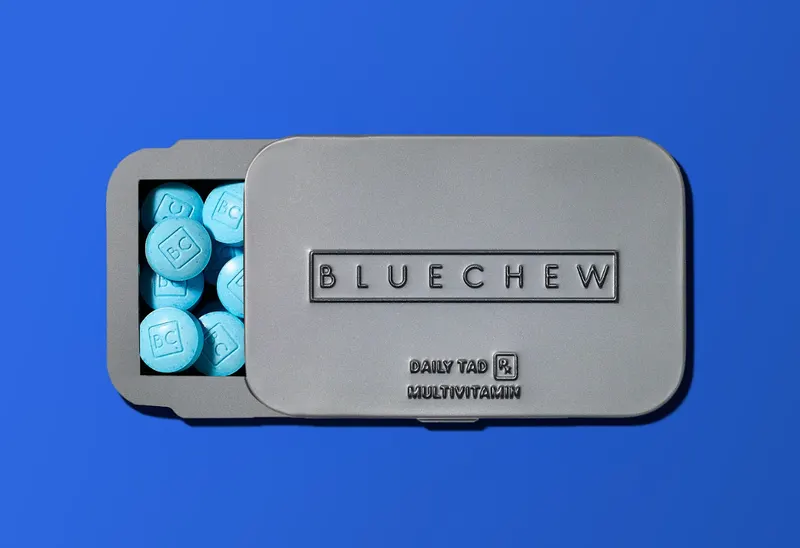
BlueChew: Supporting Sexual Wellness in Recovery
At BlueChew, we understand that recovery encompasses all aspects of health—including sexual wellness. For men navigating post-addiction challenges, we provide accessible, professional support through our online telemedicine platform.
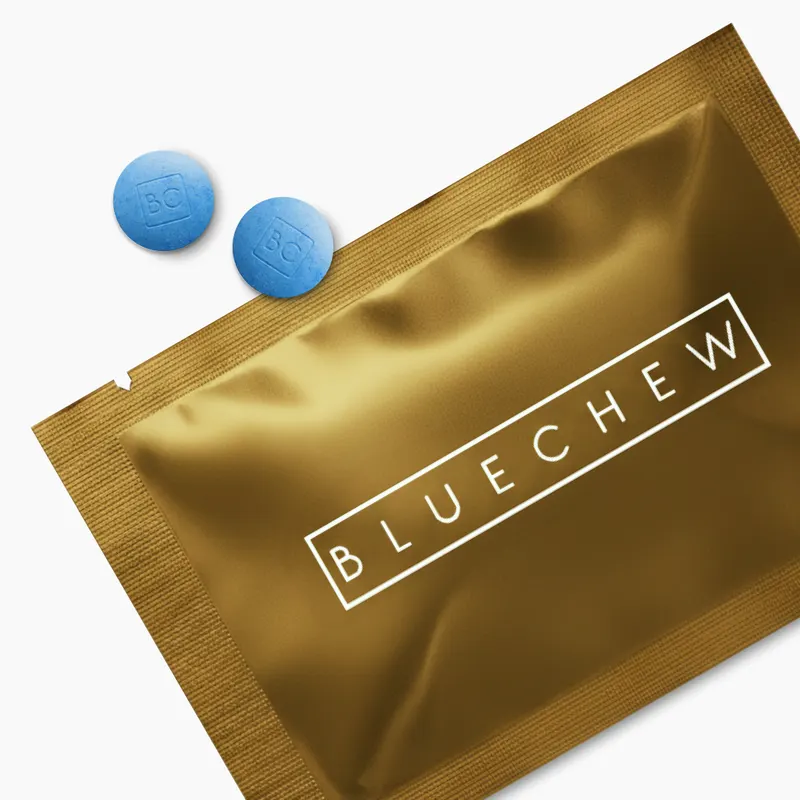
BlueChew provides prescription medications containing the active ingredients sildenafil, vardenafil, and tadalafil. Sildenafil, vardenafil, and tadalafil are the active ingredients in Viagra, Levitra, and Cialis, respectively. These medications work by improving blood flow, supporting the body's natural erectile response. Compounded medications are not FDA approved.
How Our Service Works:
- Confidential online consultation with licensed medical providers who understand complex health histories
- Discreet home delivery eliminating the need for in-person pharmacy visits
- Flexible subscription plans making treatment accessible
- 24/7 professional support for questions about your treatment
Our Comprehensive Product Line:
- SIL: 30 mg or 45 mg sildenafil, from $2.94/chew, works in 30 minutes, lasting up to 6 hours
- TAD: 6 mg or 9 mg tadalafil, from $3.57/chew, effective within 30 minutes, lasting up to 36 hours
- VAR: 8 mg vardenafil, from $4.33/chew, takes effect in 30 minutes, lasting up to 6 hours
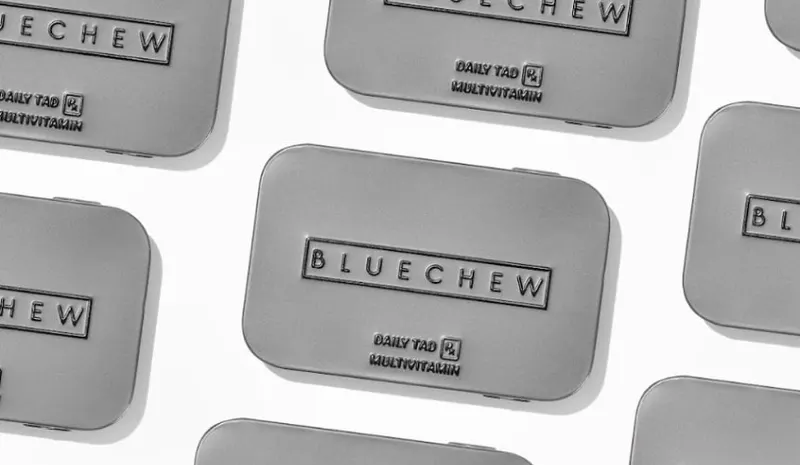
- DailyTAD: 9 mg tadalafil plus 7 essential vitamins, $2.22/chew, lasting up to 36 hours
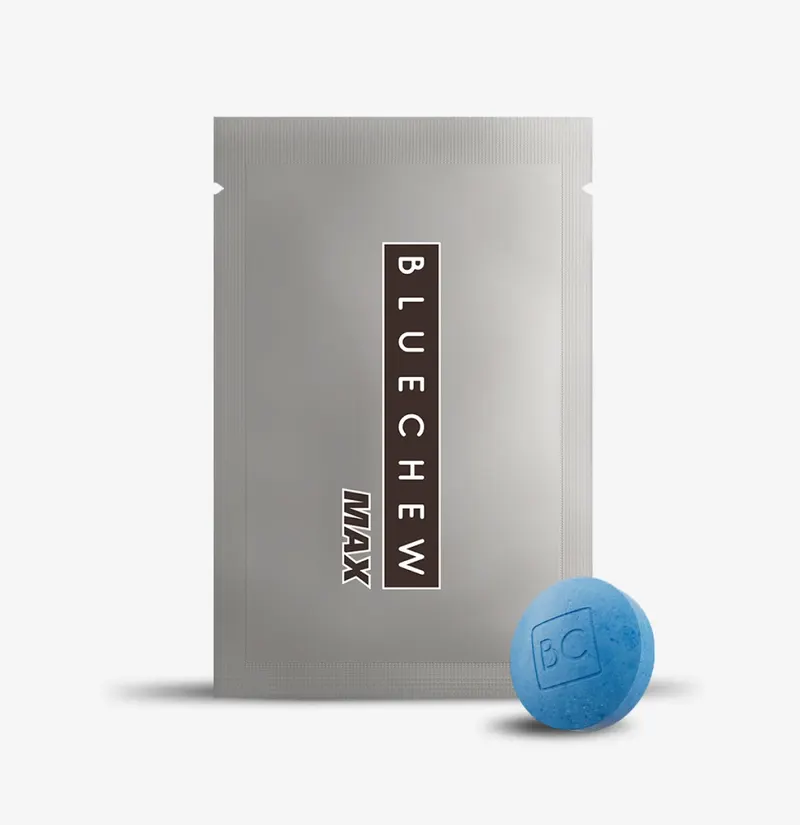
- MAX: 45 mg sildenafil + 18 mg tadalafil combo, $5.63/tablet, lasting up to 36 hours
- VMAX: 14 mg vardenafil + 18 mg tadalafil combo, $5.63/tablet, lasting up to 36 hours
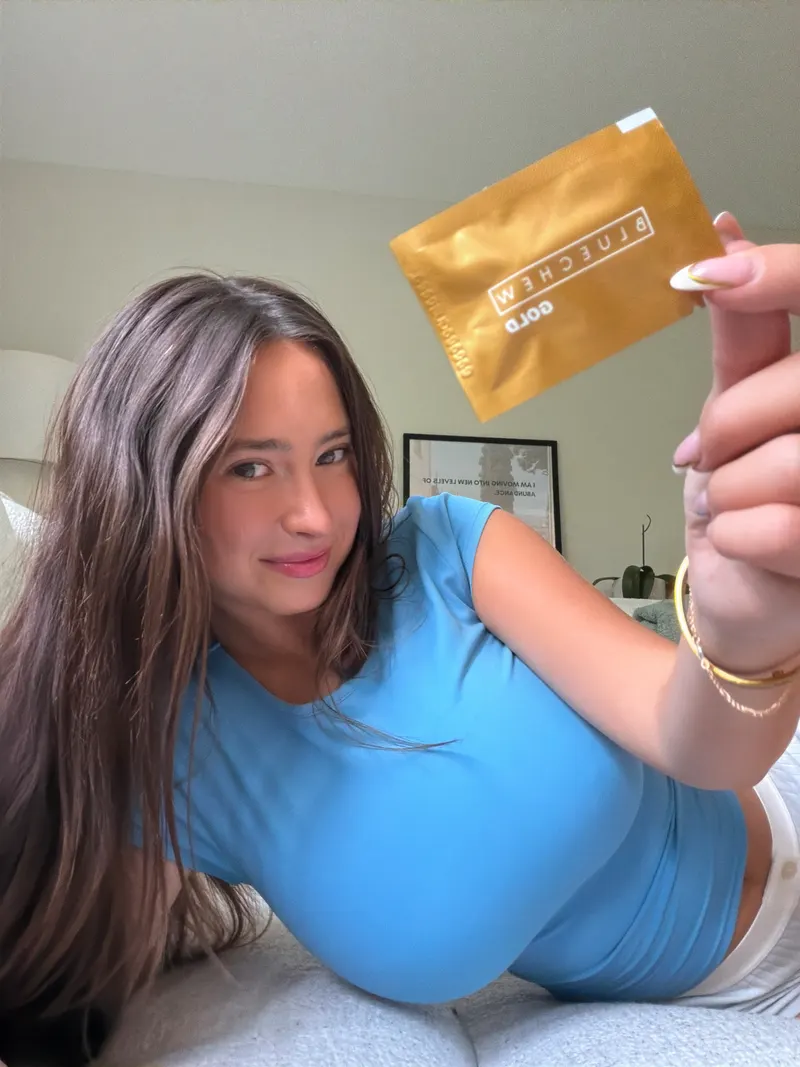
- GOLD: sildenafil, tadalafil, oxytocin, and apomorphine sublingual tablet, from $6.94/tablet, lasting up to 36 hours
- ENERGY: 30 mg sildenafil + 60 mg caffeine, $4.50/ea, lasting up to 6 hours
Both sildenafil and tadalafil enhance blood flow for better erections, addressing the vascular component of erectile function that may have been compromised by past substance use. A prescription will only be written if deemed appropriate after digital consultation by our licensed medical providers.
Recovery rebuilds life on all fronts—relationships, health, confidence. Addressing sexual wellness becomes part of that comprehensive healing, and we're here to provide professional, judgment-free support for men ready to take that step.
Learn more about our approach to accessible, effective ED treatment.

Frequently Asked Questions
What did Matthew Perry reveal in his memoir about his addiction?
Perry detailed decades of alcoholism and opioid addiction beginning at age 14, describing 15 rehabilitation stays costing approximately $9 million over his lifetime. He revealed filming Friends episodes while living in treatment facilities, surviving life-threatening medical complications including a burst colon in 2018, and the ongoing nature of his recovery work. The memoir emphasizes gratitude as a recovery cornerstone, with Perry describing sobriety as "a gift you must never waste" despite facing pneumonia, multiple surgeries, and a two-week coma.
Can addiction—or early recovery—cause erectile dysfunction?
Yes. Addiction’s brain changes can disrupt arousal pathways, while ED fundamentals show how blood flow and nerve signaling are affected; chronic opioid use also alters hormones per opioids & endocrine effects—factors that may persist temporarily during early recovery.
Is ED a warning sign of heart disease even if I’m in recovery?
Often, yes: ED as a cardiovascular risk marker suggests vascular issues can surface first as erection problems, especially alongside heart risk factors like hypertension, diabetes, or smoking.
What non-drug steps help ED while I’m rebuilding my health?
Improvements track with exercise and BP control, diabetes management, tobacco cessation, and sleep hygiene; performance anxiety responds to CBT approaches, and care plans align with AUA-recommended sex therapy/management; suspected low T warrants evidence-based testosterone testing.
How long until sexual function improves after stopping substances?
Timelines vary: some recovery occurs within weeks, but vascular and hormonal normalization can take months; persistent symptoms merit ED evaluation and discussion of treatment options.
This article is for informational purposes only and does not constitute medical advice. The content provided here is not a substitute for, and should never be relied upon as, professional medical advice. Always consult your doctor to discuss the risks, benefits, and appropriateness of any treatment. BlueChew offers compounded medications prescribed solely for the treatment of erectile dysfunction and sexual performance enhancement. Compounded medications are not FDA-approved.
Other Helpful Articles