Mike Ditka ED and Heart Health: Key Takeaways

When NFL legend Mike Ditka stepped forward to discuss erectile dysfunction, he helped shift the conversation from embarrassment to awareness. His advocacy highlighted a critical medical truth: erectile dysfunction often serves as an early warning sign for cardiovascular disease. The same blood vessel damage that affects heart health can manifest first in erectile function, making ED a potential indicator of more serious cardiovascular issues requiring medical attention.
Understanding this connection matters because men with erectile dysfunction have a significantly higher risk of developing cardiovascular disease—meta-analyses show approximately 1.4-1.6 times higher risk for CVD and coronary heart disease. The penile arteries, measuring just 1-2 mm in diameter, show signs of endothelial dysfunction before larger coronary arteries (3-4 mm) do. This provides a crucial window for preventive intervention before serious cardiac events occur.
Modern treatment options like compounded ED medications can address symptoms while comprehensive cardiovascular care tackles underlying vascular health. Whether you're dealing with new-onset symptoms or managing both conditions, the science behind ED and heart health reveals actionable strategies for improving both sexual function and cardiovascular wellness.
Key Takeaways
- Erectile dysfunction frequently precedes cardiovascular events by 2-5 years, providing a critical window for preventive care
- Both conditions share the same underlying mechanism—endothelial dysfunction affecting blood vessel health and nitric oxide availability
- Lifestyle interventions improve erectile function in 30-40% of men with mild to moderate ED while simultaneously reducing cardiovascular risk
- Treatment requires comprehensive medical evaluation to ensure both sexual health concerns and potential cardiac risks are properly addressed
- Modern telemedicine platforms provide accessible, evidence-based care that integrates ED treatment with cardiovascular health screening

Who Is Mike Ditka and Why His ED Advocacy Matters
Mike Ditka, born in 1939, built his legendary status as both an NFL player and coach, most notably leading the Chicago Bears to a Super Bowl victory in 1986. Now in his mid-80s, Ditka represents a demographic where cardiovascular disease and erectile dysfunction commonly intersect.
Mike Ditka's Career and Public Profile
Ditka's football career spanned decades as a tight end and later as one of the NFL's most recognizable coaches. His tough-guy image made his willingness to discuss erectile dysfunction particularly impactful—showing that ED affects men across all backgrounds and isn't a topic requiring shame or silence.
His public advocacy helped normalize conversations around men's sexual health at a time when many viewed ED as simply an inevitable part of aging rather than a treatable medical condition with potential cardiovascular implications.
How Ditka Brought ED Into the Public Conversation
By openly discussing erectile dysfunction in advertisements and interviews, Ditka helped shift public perception from embarrassment to medical awareness. His messaging emphasized that ED deserves the same medical attention as any other health concern.
This advocacy proved particularly valuable for men in Ditka's age demographic, where approximately 52% of men aged 40-70 experience some degree of erectile dysfunction. His willingness to discuss the condition publicly encouraged men to seek medical evaluation rather than accepting ED as unavoidable.
The Link Between Erectile Dysfunction and Heart Health
The connection between erectile dysfunction and cardiovascular disease centers on shared vascular pathways. When blood vessels throughout the body begin to show signs of damage, both heart function and erectile capability decline through the same underlying mechanisms.
Why ED Often Precedes Heart Disease
Erectile dysfunction frequently appears 2-5 years before cardiovascular events because penile arteries are significantly smaller than coronary arteries. At just 1-2 mm in diameter compared to coronary arteries at 3-4 mm, penile vessels show the effects of endothelial dysfunction earlier.
This size difference means vascular damage manifests in erectile function before causing detectable cardiac symptoms. Men with ED have a higher risk of coronary events, with studies showing approximately 1.4-1.5 times increased risk compared to age-matched controls without ED.
The early warning opportunity this provides cannot be overstated. Recognizing ED as a potential cardiovascular indicator allows for preventive intervention before more serious cardiac events occur.
Shared Mechanisms: Blood Flow and Endothelial Function
Both conditions rely on healthy blood vessels releasing nitric oxide, which relaxes smooth muscle in arteries and allows increased blood flow. When endothelial function becomes compromised due to atherosclerosis, high blood pressure, or metabolic disease, both cardiac output and erectile capability suffer.
Inflammation, arterial stiffness, and impaired oxygen delivery affect all vascular beds. This systemic nature explains why treating cardiovascular risk factors often simultaneously improves erectile function—you're addressing the same underlying vascular dysfunction.
Common Erectile Dysfunction Symptoms to Recognize
Identifying erectile dysfunction symptoms early allows for timely medical intervention and potential cardiovascular screening. The symptoms extend beyond simple inability to achieve erection and can manifest in various patterns.
Physical vs. Psychological Symptoms
Physical symptoms include difficulty achieving erection, inconsistent firmness, and reduced ability to maintain erection throughout sexual activity. The frequency and consistency of these symptoms help distinguish vascular ED from psychological causes.
Reduced sexual desire may accompany erectile difficulties, though this can stem from either physical causes (such as low testosterone) or psychological factors including performance anxiety and relationship stress.
How Heart Health Affects Erectile Function
Cardiovascular health directly influences erectile capability through multiple interconnected mechanisms. Understanding these pathways reveals why optimizing heart health can improve sexual function.
Blood Pressure and Erection Quality
Blood pressure regulation affects erectile function in complex ways. While adequate blood pressure is necessary to achieve erection, chronic hypertension damages blood vessels and impairs endothelial function.
Hypertension is highly prevalent among older men with ED, creating medication management challenges. Some blood pressure medications themselves contribute to erectile difficulties, requiring careful balancing of cardiovascular and sexual health priorities.
Cardiac output—the heart's ability to pump blood efficiently—determines whether sufficient blood flow reaches the penis during arousal. Compromised cardiac function limits the pressure and volume needed for rigid erection.
Inflammation's Role in Both Conditions
Systemic inflammation damages blood vessel linings throughout the body, impairing the release of nitric oxide necessary for both cardiac function and penile erection. C-reactive protein and other inflammatory markers correlate with both cardiovascular disease severity and erectile dysfunction.
Microvascular circulation, particularly important in penile tissue, becomes compromised when inflammation disrupts normal blood vessel function. This affects oxygen delivery to tissues and the removal of metabolic waste products.
Addressing inflammation through lifestyle modifications and medical management can simultaneously benefit both cardiovascular and erectile health, providing motivation for comprehensive treatment approaches.
Medications That Can Cause Erectile Dysfunction
Many medications used to treat cardiovascular and other conditions can contribute to erectile dysfunction as a side effect. Understanding these interactions helps with comprehensive medical management.
Blood Pressure Medications and ED
Antihypertensive medications, particularly beta-blockers and certain diuretics, are among the most common medication-related causes of erectile dysfunction. Beta-blockers reduce sympathetic nervous system activity, which can affect sexual arousal and erectile capability.
Diuretics may contribute to ED through multiple mechanisms, including reduced blood volume and potential effects on testosterone levels. However, stopping blood pressure medication without medical guidance creates serious cardiovascular risks.
Some newer antihypertensive classes, particularly ACE inhibitors and angiotensin receptor blockers, appear to have less impact on erectile function and may even improve symptoms in some men.
Antidepressants and Sexual Side Effects
Selective serotonin reuptake inhibitors (SSRIs) frequently cause sexual side effects, including erectile dysfunction, reduced libido, and delayed ejaculation. These effects can persist throughout treatment and may require medication adjustments.
Other psychiatric medications, including some antipsychotics and mood stabilizers, also affect sexual function through various mechanisms involving neurotransmitter systems.
When to Talk to Your Doctor About Alternatives
If you experience new erectile symptoms after starting a medication, discuss alternatives with your healthcare provider rather than discontinuing treatment independently. Many conditions have multiple medication options with varying side effect profiles.
Finasteride (used for hair loss and prostate enlargement) and certain antihistamines have been associated with sexual side effects. Evidence suggests statins generally do not worsen ED and may modestly improve erectile function. A comprehensive medication review helps identify contributing factors.
Your physician can adjust dosages, switch medication classes, or add treatments to address both the underlying condition and medication-related erectile dysfunction.
Proven Erectile Dysfunction Treatments
Evidence-based treatments for erectile dysfunction range from oral medications to lifestyle interventions, with treatment selection depending on underlying causes and individual health status.
Oral Medications: Sildenafil, Tadalafil, and Vardenafil
PDE5 inhibitors represent the first-line treatment for erectile dysfunction, with approximately 70% effectiveness for men with mild to moderate ED when used appropriately. These medications enhance the effects of nitric oxide, improving blood flow to the penile tissue.
Sildenafil typically takes effect within 30-60 minutes and remains active for 4-6 hours, making it suitable for planned sexual activity. Tadalafil offers extended duration, staying active for 24-36 hours, which allows for more spontaneous intimacy. Vardenafil provides a similar onset time to sildenafil with a 4-6 hour duration of action.
How Fast-Acting Treatments Work
PDE5 inhibitors don't create erections independently—they require sexual stimulation to be effective. The medications work by preventing the breakdown of cyclic GMP, a molecule that promotes smooth muscle relaxation and increased blood flow.
Taking these medications on an empty stomach optimizes absorption, while high-fat meals can delay onset of action. Starting with lower doses helps minimize side effects while determining individual response.
The medications require adequate cardiovascular function to work effectively. Men with severe coronary artery disease or recent stroke may have contraindications that require alternative treatment approaches.
Choosing the Right Treatment for Your Lifestyle
Treatment selection depends on sexual activity patterns, health status, and medication interactions. Men who prefer spontaneity may benefit from longer-acting options, while those with planned intimate encounters might choose shorter-duration medications.
Many men who initiate ED treatment maintain consistent use when provided with proper education and support, highlighting the importance of choosing treatments that fit individual lifestyles.

Is There a Permanent Cure for Erectile Dysfunction?
While "permanent cure" may be misleading, addressing underlying causes can lead to significant long-term improvement or complete resolution of erectile symptoms for many men.
Lifestyle Changes That Reverse ED
Weight loss, exercise, and smoking cessation can substantially improve or reverse erectile dysfunction in 30-40% of men with mild to moderate symptoms. Research has demonstrated that weight loss through diet and exercise improved erectile function scores while reducing cardiovascular risk.
These improvements typically require 4-8 weeks of consistent lifestyle changes to become noticeable, with continued benefits as healthy habits persist. The timeline varies based on severity of underlying vascular damage and commitment to lifestyle modifications.
Diabetes remission through weight loss and metabolic intervention can restore erectile function in men whose ED stems primarily from diabetic complications. Men with diabetes and ED who received comprehensive cardiovascular risk management showed significant improvement in erectile function compared to those receiving only ED-specific treatment.
Treating Root Causes vs. Managing Symptoms
Medications effectively manage erectile symptoms but don't address underlying vascular disease, hormonal imbalances, or metabolic dysfunction. Comprehensive treatment combines symptom management with interventions targeting root causes.
Testosterone optimization in men with documented low levels can improve both erectile function and cardiovascular health markers. However, testosterone therapy requires careful medical monitoring and isn't appropriate for all men with ED.
Vascular health restoration through aggressive cardiovascular risk factor management offers the best chance for long-term erectile function improvement. This includes blood pressure control, lipid management, glucose regulation, and smoking cessation.

Erectile Dysfunction Self-Care Strategies
Beyond medications, several lifestyle changes can improve erectile function through non-pharmaceutical mechanisms. These strategies work best when combined with comprehensive medical care.
Pelvic Floor Exercises for Men
Pelvic floor muscle exercises (Kegel exercises) strengthen the muscles involved in achieving and maintaining erections. These exercises involve contracting and relaxing the muscles you would use to stop urination midstream.
Regular pelvic floor training can improve erectile rigidity, ejaculatory control, and overall sexual function. The exercises require no equipment and can be performed discreetly throughout the day.
Proper technique matters—squeezing for 5-10 seconds, relaxing for an equal period, and repeating 10-15 times per session, three times daily. Benefits typically appear after 3-6 months of consistent practice.
Stress Management and Sexual Performance
Stress reduction techniques including mindfulness, meditation, and regular exercise can reduce performance anxiety and improve erectile function. Chronic stress elevates cortisol levels, which can suppress testosterone and impair vascular function.
Sleep quality significantly impacts sexual health. Insufficient sleep duration and poor sleep quality are associated with higher rates of erectile dysfunction, with improvements noted when sleep duration and quality improve.
Alcohol moderation supports erectile function—while small amounts may reduce anxiety, excessive consumption impairs both immediate erectile capability and long-term vascular health.
Communication Strategies with Your Partner
Open communication with sexual partners reduces performance pressure and allows for collaborative problem-solving. Many couples find that addressing ED together strengthens their relationship and leads to more satisfying intimacy.
Focusing on overall sexual satisfaction rather than just penetrative intercourse can reduce anxiety and improve sexual experiences for both partners. This broader approach often leads to better erectile function as performance pressure decreases.
Relationship counseling or sex therapy can help couples navigate the emotional and practical aspects of ED, particularly when psychological factors contribute to symptoms.
Heart-Healthy Foods That Support Erectile Function
Dietary choices that benefit cardiovascular health often simultaneously support erectile function through improved vascular health and nitric oxide production.
Nitrate-Rich Foods for Blood Flow
Leafy greens including spinach, arugula, and kale contain high levels of dietary nitrates, which convert to nitric oxide in the body. This same nitric oxide pathway supports both cardiac function and penile erection.
Beets provide concentrated nitrates and have been studied for their blood pressure-lowering effects and potential erectile benefits. The nitrates in these vegetables help relax blood vessels and improve blood flow throughout the body.
Regular consumption of nitrate-rich vegetables as part of a balanced diet supports the endothelial function necessary for both cardiovascular and erectile health.
The Mediterranean Diet and Sexual Health
The Mediterranean diet pattern—emphasizing whole grains, fruits, vegetables, fish, olive oil, and nuts—has demonstrated benefits for both cardiovascular health and erectile function. This eating pattern reduces inflammation and supports healthy blood vessel function.
Omega-3 fatty acids from fish, particularly salmon, mackerel, and sardines, improve vascular health through anti-inflammatory mechanisms. While omega-3s support overall cardiovascular health, their specific impact on erectile function remains less directly established than dietary patterns that include regular fish consumption.
Dark chocolate containing high cocoa percentages (70% or greater) provides flavonoids that may improve endothelial function and blood flow. Moderate consumption as part of an overall healthy diet can contribute to vascular health.
Foods to Avoid for Better Erections
Highly processed foods, excessive sugar, and trans fats contribute to inflammation and vascular damage. Limiting these foods supports both cardiovascular and erectile health.
Excessive sodium intake raises blood pressure and can damage blood vessels over time. Reducing processed food consumption naturally lowers sodium intake while improving overall diet quality.
Regular alcohol consumption above moderate levels (more than 2 drinks daily for men) impairs erectile function and contributes to cardiovascular risk. Moderation or abstinence supports better sexual and cardiac outcomes.
Supplements for Heart Health and Erectile Function
Certain supplements show promise for supporting both cardiovascular and erectile health, though they shouldn't replace evidence-based medications or lifestyle interventions.
L-Citrulline and Nitric Oxide Production
L-citrulline, an amino acid found in watermelon, converts to L-arginine in the body, which then produces nitric oxide. This supplement has shown modest benefits for erectile function in some studies.
Unlike L-arginine supplementation, L-citrulline bypasses first-pass metabolism in the liver, potentially making it more effective for increasing systemic arginine levels. Typical supplemental doses range from 3-6 grams daily.
The evidence for L-citrulline remains less robust than for PDE5 inhibitor medications, but it may provide an option for men seeking non-prescription approaches or adjunctive support.
Omega-3s for Vascular Health
Omega-3 fatty acids from fish oil support endothelial function, reduce inflammation, and may improve erectile function through cardiovascular mechanisms. Typical supplemental doses range from 1-3 grams of combined EPA and DHA daily.
While omega-3s support overall cardiovascular health, their specific impact on erectile function remains less directly established than dietary patterns that include regular fish consumption.
What to Look for in a Quality Supplement
Third-party testing for purity and potency provides assurance of supplement quality. Look for certifications from organizations like NSF International or USP.
Vitamin D deficiency has been associated with both cardiovascular disease and erectile dysfunction. Men with documented deficiency may benefit from supplementation, though routine supplementation without testing isn't recommended.
Magnesium supports cardiovascular function and may play a role in erectile health, though evidence for supplementation in non-deficient individuals remains limited.
Heart Health Tests Every Man Should Consider
Appropriate laboratory testing helps identify cardiovascular risk factors that may contribute to erectile dysfunction and guide comprehensive treatment.
Lipid Panels and Cardiovascular Risk
A comprehensive lipid panel measures total cholesterol, LDL cholesterol, HDL cholesterol, and triglycerides. Abnormal lipid profiles contribute to atherosclerosis and endothelial dysfunction affecting both cardiac and erectile function.
Fasting glucose and HbA1c testing identifies diabetes and prediabetes, both major risk factors for erectile dysfunction. Men with diabetes and ED who received integrated care showed significant improvement in erectile function compared to those receiving only ED-specific treatment.
Blood pressure monitoring, both in-office and at home, helps identify hypertension that may contribute to erectile dysfunction while also indicating cardiovascular risk requiring treatment.
Why Testosterone Matters for Heart and Sexual Health
Testosterone testing should be considered for men with erectile dysfunction, particularly when accompanied by reduced libido, fatigue, or other symptoms of hypogonadism.
Low testosterone contributes to both erectile dysfunction and cardiovascular risk through multiple mechanisms. However, testosterone therapy requires careful medical supervision and may not be appropriate for all men.
Morning testosterone levels provide the most accurate assessment, as levels vary throughout the day. Total testosterone combined with calculated free testosterone offers comprehensive evaluation.
When to Request Advanced Cardiac Testing
C-reactive protein (high-sensitivity) measures systemic inflammation linked to both cardiovascular disease and erectile dysfunction. Elevated levels may indicate need for more aggressive cardiovascular risk management.
Coronary calcium scoring using CT imaging can detect atherosclerosis before symptoms appear. This test may be appropriate for men under 55 presenting with ED and additional cardiovascular risk factors when risk-based decision-making is uncertain.
Stress testing evaluates cardiac function under exercise conditions and may be warranted for men with ED and concerning cardiovascular symptoms or multiple risk factors.

Practical Heart Health Tips to Improve Erectile Function
Implementing specific cardiovascular health strategies can simultaneously improve erectile function through shared vascular mechanisms.
Exercise Prescriptions for Better Erections
Aerobic exercise for at least 150 minutes weekly improves cardiovascular health and erectile function. Activities like brisk walking, jogging, cycling, or swimming enhance endothelial function and promote nitric oxide production.
High-intensity interval training (HIIT) may provide additional benefits for both cardiovascular fitness and erectile function compared to steady-state cardio alone. These workouts alternate intense effort with recovery periods.
Strength training 2-3 times weekly supports testosterone production, body composition, and overall metabolic health. Combined cardiovascular and resistance training provides comprehensive benefits for both heart and sexual health.
Cardiac rehabilitation programs have been associated with improvements in erectile function in men with cardiovascular disease who participate in structured exercise and risk factor management.
Sleep, Stress, and Sexual Performance
Adequate sleep (7-8 hours nightly) supports testosterone production, cardiovascular recovery, and erectile function. Sleep deprivation impairs endothelial function and increases cardiovascular risk.
Stress management through meditation, yoga, or other relaxation techniques reduces cortisol levels and sympathetic nervous system activation. Both chronic stress and acute performance anxiety can impair erectile function.
Consistency matters more than perfection—sustainable habits maintained over time provide greater benefits than aggressive short-term interventions followed by return to previous patterns.
Quick Wins for Cardiovascular Improvement
Smoking cessation provides immediate and progressive benefits for both cardiovascular and erectile health. Within weeks, endothelial function begins improving, with continued benefits over months and years.
Waist circumference reduction, even without significant weight loss, improves metabolic health and erectile function. Men can target visceral fat through diet modification and increased physical activity.
Blood pressure goals should be individualized based on overall cardiovascular risk, but achieving control through lifestyle and medication when necessary benefits both cardiac and erectile outcomes.
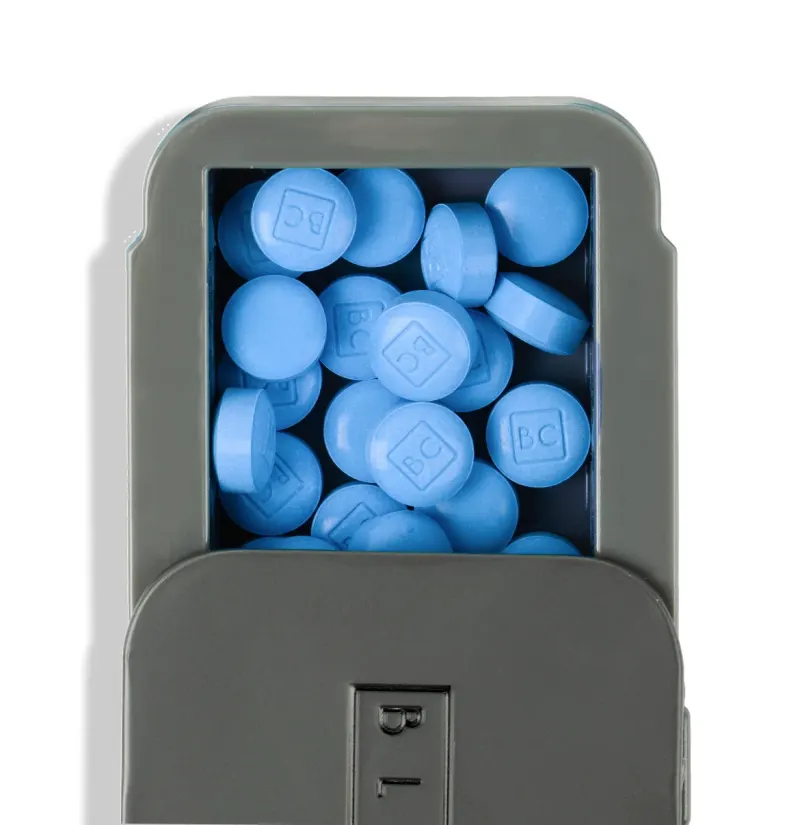
How BlueChew Supports Both Erectile and Cardiovascular Health
At BlueChew, we understand that erectile dysfunction often signals broader cardiovascular health concerns requiring comprehensive medical attention. Our approach combines convenient access to compounded ED medications with the medical oversight necessary to ensure both sexual health and cardiovascular safety.
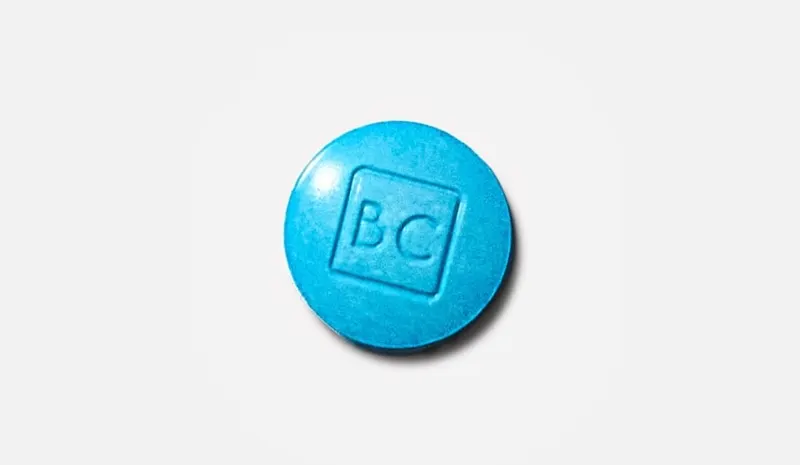
BlueChew provides prescription medications containing the active ingredients sildenafil, vardenafil, and tadalafil. Sildenafil, vardenafil, and tadalafil are the active ingredients in Viagra, Levitra, and Cialis, respectively.
Our telemedicine platform connects you with licensed medical providers who evaluate your complete health profile, including cardiovascular risk factors, before prescribing treatment. This comprehensive screening helps identify men who may benefit from additional cardiovascular evaluation while safely treating erectile symptoms.
Our Comprehensive Product Line:
- SIL: 30 mg or 45 mg sildenafil, from $2.94/chew, works in 30 minutes, lasting up to 6 hours
- TAD: 6 mg or 9 mg tadalafil, from $3.57/chew, effective within 30 minutes, lasting up to 36 hours
- VAR: 8 mg vardenafil, from $4.33/chew, takes effect in 30 minutes, lasting up to 6 hours
- DailyTAD: 9 mg tadalafil plus 7 essential vitamins, $2.22/chew, lasting up to 36 hours
- MAX: 45 mg sildenafil + 18 mg tadalafil combo, $5.63/tablet, lasting up to 36 hours
- VMAX: 14 mg vardenafil + 18 mg tadalafil combo, $5.63/tablet, lasting up to 36 hours
- GOLD: sildenafil, tadalafil, oxytocin, and apomorphine sublingual tablet, from $6.94/tablet, lasting up to 36 hours
- ENERGY: 30 mg sildenafil + 60 mg caffeine, $4.50/ea, lasting up to 6 hours
The chewable, sublingual, and liquid medications offered through BlueChew are compounded medications.
Our subscription model includes ongoing access to medical support, allowing you to adjust treatment as your needs change and ensuring continuous medical oversight. This approach recognizes that erectile dysfunction treatment works best when integrated with comprehensive cardiovascular care rather than treated in isolation.
The convenience of discreet home delivery eliminates barriers to consistent treatment. Many men maintain treatment adherence when provided with education and support—exactly what our platform provides.
We encourage all members to maintain regular cardiovascular care with their primary physicians, viewing ED treatment as one component of overall health management. By making erectile dysfunction treatment accessible and medically sound, we help men take the first step toward addressing both sexual and cardiovascular health.

Frequently Asked Questions
What did Mike Ditka say about erectile dysfunction?
Mike Ditka's advocacy focused on normalizing erectile dysfunction as a legitimate medical condition worthy of treatment rather than a source of embarrassment. He emphasized that ED affects men across all backgrounds and encouraged seeking medical evaluation.
His public messaging helped shift cultural attitudes during an era when many men avoided discussing sexual health concerns with healthcare providers. This advocacy proved particularly valuable given the cardiovascular implications of erectile dysfunction.
Can improving heart health reverse erectile dysfunction?
Improving cardiovascular health can significantly improve erectile function of men with mild to moderate ED. Weight loss, exercise, smoking cessation, and cardiovascular risk factor management address the underlying vascular dysfunction contributing to both conditions.
Are ED medications safe for men with heart disease?
PDE5 inhibitors can be safe for many men with cardiovascular disease when prescribed appropriately after comprehensive medical evaluation. However, these medications are absolutely contraindicated with nitrate medications due to risk of severe, potentially life-threatening blood pressure drops.
How long does it take for lifestyle changes to improve erectile function?
For men with vascular-related ED, it typically takes 4-8 weeks of consistent lifestyle changes to notice improvements in erectile function. This timeframe allows for improvements in endothelial function and vascular health to manifest.
What blood tests should I get if I have ED?
Men presenting with erectile dysfunction should undergo comprehensive laboratory testing including a lipid panel (cholesterol, triglycerides), fasting glucose, and HbA1c to screen for cardiovascular and metabolic risk factors.
This article is for informational purposes only and does not constitute medical advice. The content provided here is not a substitute for, and should never be relied upon as, professional medical advice. Always consult your doctor to discuss the risks, benefits, and appropriateness of any treatment. BlueChew offers compounded medications prescribed solely for the treatment of erectile dysfunction and sexual performance enhancement. Compounded medications are not FDA-approved.
Other Helpful Articles