Key Takeaways
Key Takeaways
SEX10 minute read
How to Recover the Vibe If Sex Stalls Mid-Position

You're in the moment, everything's going well, and then—during a position change—things start to shift in an unexpected direction. Maybe the erection softens, the rhythm gets lost, or the connection feels momentarily interrupted. This happens far more often than most people realize, and it's often manageable with the right approach. Research shows that erectile difficulties are common, affecting an estimated one in four men in the United States, with position-dependent changes being one of the most commonly reported scenarios.
The good news? A mid-session pause doesn't have to mean the end of intimacy. Whether the issue is physical, psychological, or simply a matter of timing, there are practical strategies to recover the connection and keep things moving forward. For those who want extra confidence going into intimate moments, BlueChew's chewable tablets can provide reliable support—but there's also plenty you can do in the moment and in your daily life to build lasting resilience.
Understanding why these stalls happen—and having a game plan ready—transforms what might feel like a setback into just another part of a dynamic, satisfying intimate life.
Key Takeaways
- Mid-position stalls are incredibly common and usually don’t mean there’s anything “wrong” with you or your relationship
- Communication with your partner is your most powerful recovery tool—specific phrases can help
- Simple breathing techniques and physical adjustments can help restore blood flow and connection
- Lifestyle factors like exercise and stress management play a significant role in consistent performance
- Prescription options like BlueChew can provide a confidence-boosting safety net for those who want extra support
Understanding the 'Stall': What Causes Sex to Halt Mid-Action?
When intimacy hits a pause, there's usually a combination of factors at play. Understanding these can help you respond effectively rather than spiraling into worry—which only makes things harder.
Physical Factors
The erection process involves a complex interplay of blood flow, nerve signals, and muscle function. During position changes, several physical mechanisms can temporarily disrupt this process.
Common physical contributors:
- Blood flow disruption – Shifting positions can temporarily redirect blood or reduce the venous compression that maintains firmness
- Venous leak – Position-dependent ED is a recognized presentation where certain angles affect blood retention
- Cardiovascular factors – Heart health directly impacts the arteries' ability to deliver blood quickly
- Muscle tension changes – Some positions require more physical effort, which can redistribute blood flow
The normal erection process relies on nitric oxide release, which triggers a cascade that relaxes smooth muscles and allows blood to flow in. Anything that interrupts this process—even briefly—can cause temporary softening.
Psychological Factors
The mind-body connection during intimacy is powerful, and it works both ways. Research indicates that for men under 40, psychological factors are a primary cause of erectile difficulties, with anxiety being a major contributor.
Psychological contributors include:
- Performance anxiety – Worrying about maintaining an erection often creates a self-fulfilling cycle
- Distraction – Mental wandering during position changes can interrupt arousal signals
- Stress response – The sympathetic nervous system (fight-or-flight) directly opposes the parasympathetic system needed for erections
- Relationship tension – Unresolved issues can surface during vulnerable moments
The anxiety-erection cycle works like this: worry triggers cortisol and adrenaline, which cause blood vessels to constrict, making erections harder to maintain, which then confirms the original fear and intensifies future anxiety.
 Reviewed by a licensed provider
 Communication is Key: Reigniting Emotional Intimacy During a Setback
When things stall, how you communicate makes all the difference—both for immediate recovery and long-term relationship health.
Reconnecting Through Words: What to Say and How to Listen
The worst thing you can do is go silent or apologize repeatedly. Instead, use communication as a bridge back to connection.
In-the-moment phrases that work:
- "Let's slow down for a minute—I want to enjoy this"
- "Can you touch me like this?" (while guiding their hand)
- "I love being close to you—let's just be here together"
- "That position was great—let's try something a little different"
What to avoid:
- Excessive apologizing ("I'm so sorry, this never happens")
- Self-deprecating comments that make your partner feel responsible
- Going completely silent and withdrawing
Research shows that when erection changes happen, partners often wonder if they're the cause. Proactive, warm communication prevents this misunderstanding and keeps you both on the same team.
Setting Expectations Before Intimacy
Having a brief conversation outside the bedroom can reduce pressure significantly.
Conversation starters:
- "I've been working on being more present during sex—let's communicate more about what feels good"
- "If we need to pause or switch things up, let's just go with it"
- "Tonight is about us connecting, however that looks"
This kind of pre-emptive communication removes the stakes and allows both partners to relax into the experience.
Physical Recalibration: Techniques to Regain Momentum and Sexual Stamina
When you notice things shifting, you have about 60 seconds to respond productively. Here's your recovery playbook.
Boosting Blood Flow: Simple Movements to Get Back on Track
1. Pause and Breathe Take 3-5 slow, deep breaths. This activates the parasympathetic nervous system—the same system responsible for erections—and counteracts the anxiety response. Signal your partner to slow down with you.
2. Maintain Physical Contact Instead of fully separating during position changes, keep some form of touch—hands, lips, bodies close together. This maintains tactile stimulation and prevents complete blood drainage.
3. Shift to Manual or Oral Stimulation Moving to other forms of stimulation removes performance pressure while maintaining arousal. Masters & Johnson's sensate focus research demonstrates this technique's effectiveness for psychogenic ED.
4. Engage Your Pelvic Floor Briefly contract your pelvic floor muscles (like you're stopping urine mid-stream) during transitions. These muscles help trap blood in the penis. Clinical research shows that consistent pelvic floor exercises significantly improve erection quality over 3 months.
5. Choose Strategic Positions Some positions require less physical effort and promote better blood flow. Positions where you're lying down or your partner is on top often work well for recovery. If certain positions consistently cause issues, it's fine to save them for later in the session.
Exploring New Horizons of Intimacy: Expanding Beyond Intercourse
One of the most liberating mindset shifts is recognizing that great sex doesn't require constant penetration.
Redefining Success: Discovering Other Paths to Pleasure
When you expand your definition of satisfying intimacy, mid-session pauses become opportunities rather than problems.
Alternative activities that maintain connection:
- Oral stimulation – Often reignites arousal naturally
- Mutual touching – Focused on pleasure, not performance
- Massage – Sensual without pressure
- Verbal intimacy – Sharing fantasies or expressing desire
- Extended foreplay – Building anticipation can enhance the eventual experience
Research on couples who communicate openly about ED shows they often report increased intimacy because they've learned to connect in multiple ways.
The key insight: erection fluctuation during sex is normal. Viewing intimacy as a varied experience rather than a linear performance removes the pressure that often causes issues in the first place.
Psychological Boosts: Building Confidence and Reducing Performance Pressure
Long-term confidence comes from changing how you think about intimate moments.
Reframing the Moment: Mindset Shifts for Resilient Intimacy
Old mental model: "If I lose my erection, sex is over and I've failed"
New mental model: "Sex is dynamic. Pausing, adjusting, or shifting to other activities is completely normal and can enhance our connection"
Building confidence through micro-successes:
- First goal: Communicate your needs calmly
- Second goal: Maintain intimacy during any pause
- Third goal: Successfully resume activity after adjustment
- Fourth goal: Have a satisfying experience (defined however you and your partner choose)
Each time you handle a fluctuation gracefully, you build neural pathways that reduce anxiety next time. This creates a positive feedback loop: successful handling → less anxiety → better physiological response → more consistent performance → increased confidence.
Stress reduction techniques that help:
- Mindfulness or meditation practice (even 5 minutes daily)
- Regular exercise for mood regulation
- Addressing relationship issues proactively
- Professional support if anxiety is persistent
The Role of Lifestyle: Enhancing Overall Well-being for Better Sex Life
What you do outside the bedroom significantly impacts what happens in it.
Fueling Desire: Diet, Exercise, and Sleep for Optimal Performance
Exercise is powerful medicine. Harvard research shows that just 30 minutes of walking daily reduces ED risk by 41%. Exercise improves cardiovascular health, increases nitric oxide production, and reduces stress—all directly beneficial for erectile function.
Dietary factors matter too:
- Mediterranean diet – Men following this dietary pattern have shown lower ED prevalence in research
- Flavonoid-rich foods – Berries, citrus, dark chocolate support blood vessel health
- Nitric oxide boosters – Leafy greens, beets, watermelon
- What to limit – High saturated fat, excessive alcohol, refined carbohydrates
Other lifestyle factors:
- Smoking cessation – Nicotine directly impairs blood vessel function
- Alcohol moderation – 1-2 drinks maximum; chronic heavy drinking causes neurological impairment
- Quality sleep – Critical for hormonal balance and stress recovery
- Weight management – Research shows men with larger waist circumferences have significantly higher ED rates
These changes take time—many people notice improvements over several weeks—but they address root causes rather than just symptoms.
When to Consider Support: Addressing Underlying Issues for Sustainable Sexual Health
Sometimes lifestyle changes and communication techniques benefit from additional support. That's where medical options come in.
Professional Guidance: Navigating Medical and Relationship Challenges
Consider seeking help if:
- Erection issues happen consistently for 3+ months
- Lifestyle modifications haven't helped after 8 weeks
- You have cardiovascular risk factors (diabetes, high blood pressure, high cholesterol)
- The issue is causing significant relationship strain
- You're experiencing depression or severe anxiety
ED can be an early health indicator. Medical research suggests erectile difficulties can appear 2-4 years before cardiovascular events. Getting evaluated isn't just about sexual health—it's about overall wellness.
How BlueChew Can Help
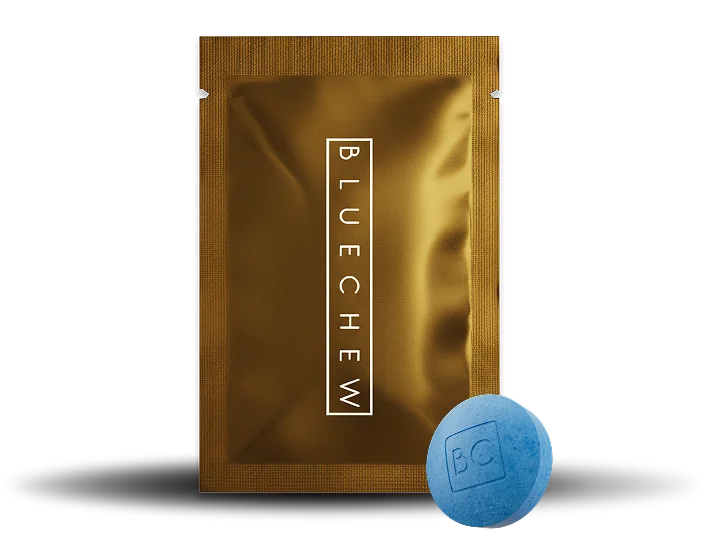
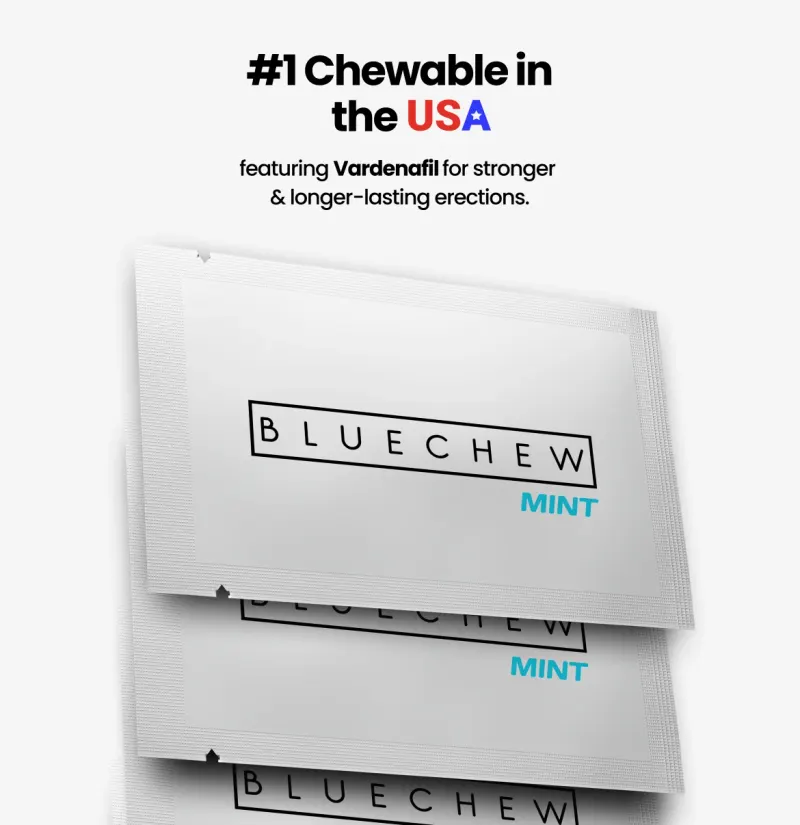
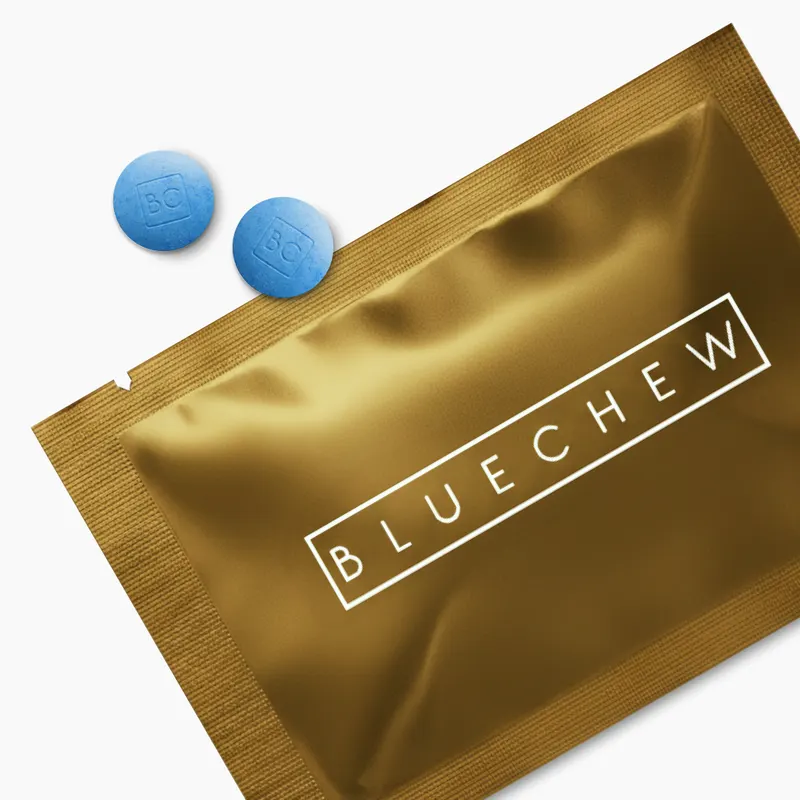
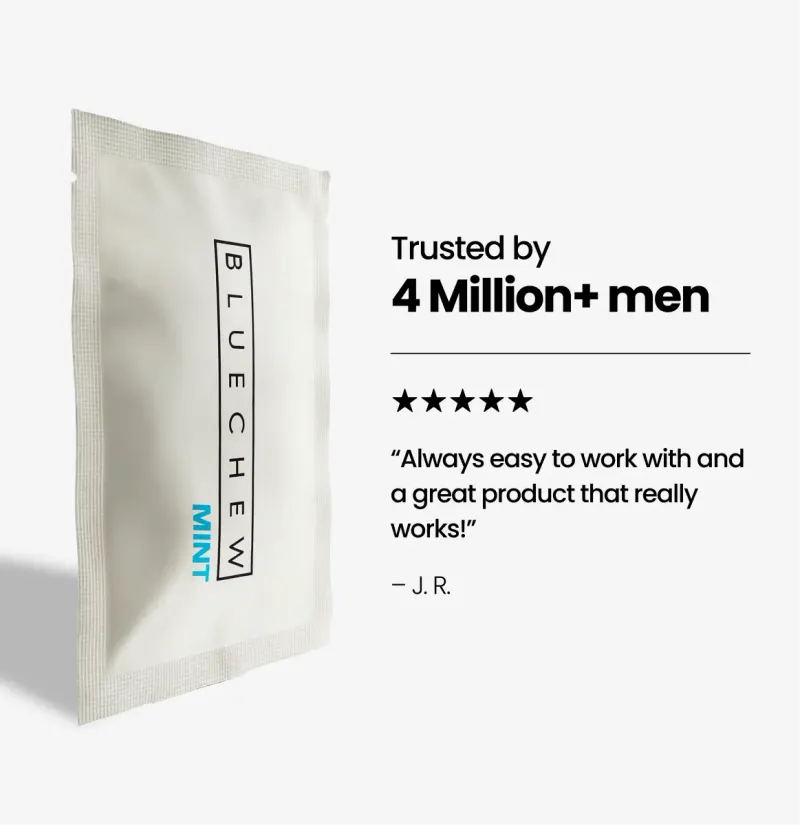
For men who want reliable support during intimate moments, BlueChew offers prescription chewable and sublingual tablets. BlueChew provides compounded prescription medications containing the active ingredients sildenafil, vardenafil, and tadalafil. Sildenafil, vardenafil, and tadalafil are the active ingredients in Viagra, Levitra, and Cialis, respectively.
How PDE5 inhibitors work for position-dependent scenarios:
These medications block the PDE5 enzyme that breaks down cGMP—the molecule responsible for smooth muscle relaxation and blood flow. By maintaining higher cGMP levels, PDE5 inhibitors can help sustain erections, including during position transitions that might otherwise lead to temporary softening.
DailyTAD comes in a chewable tablet. SIL, VAR, TAD, MAX, VMAX, and GOLD are available as a sublingual tablet.
BlueChew’s complete product lineup includes:
- SIL: 45 mg sildenafil, works within 15 minutes, lasting up to 6 hours
- TAD: 9 mg tadalafil, effective within 15 minutes, lasting up to 36 hours
- VAR: 8 mg vardenafil, takes effect within 15 minutes, lasting up to 6 hours
- DailyTAD: 9 mg tadalafil plus 7 essential vitamins, lasting up to 36 hours
- MAX: 45 mg sildenafil + 18 mg tadalafil combo, lasting up to 36 hours
- VMAX: 14 mg vardenafil + 18 mg tadalafil combo, lasting up to 36 hours
- GOLD: sildenafil, tadalafil, oxytocin, and apomorphine sublingual tablet, lasting up to 36 hours
Many men find that having this support reduces performance anxiety significantly, which can make it easier to relax and respond naturally over time.
BlueChew's telemedicine platform connects you with licensed medical providers who review your health history and prescribe appropriate treatment if medically suitable—all without in-person appointments. Explore your options to find what might work best for you.
Preventative Measures: Strategies to Dodge Mid-Action Stalls
The best recovery strategy is prevention. Here's how to set yourself up for consistent, confident intimacy.
Proactive Steps for Consistent and Confident Intimacy
Before intimate moments:
- Communicate with your partner about expectations
- Avoid heavy meals (especially high-fat foods that can delay blood flow)
- Manage stress through the day
- If using BlueChew, take it 30-60 minutes beforehand
Build long-term resilience:
- Regular cardiovascular exercise (30+ minutes, most days)
- Daily pelvic floor exercises (contract for 3-5 seconds, relax, repeat 10 times, 3x daily)
- Stress management practices
- Regular health screenings for cardiovascular risk factors
- Open, ongoing communication with your partner
During intimacy:
- Start with positions that feel comfortable and low-pressure
- Maintain physical contact during transitions
- Communicate throughout—about what feels good, when to adjust
- Remember that fluctuation is normal; respond with curiosity rather than alarm

Frequently Asked Questions
What are common reasons for sex to stall mid-position?
The most common causes include temporary blood flow disruption during position changes, performance anxiety that triggers the stress response, physical fatigue, or distraction. Position-dependent ED is a medically recognized condition where certain angles affect venous compression. The good news is that many of these are manageable or can be improved with the right approach.
How can communication help when sex stalls?
Communication prevents misunderstanding and keeps both partners connected. Simple phrases like "let's slow down" or "touch me here" redirect the moment positively. Research shows that partners often worry they're the cause of erection changes, so proactive communication reassures them while creating a collaborative atmosphere rather than a performance evaluation.
Are there quick physical fixes to regain an erection if it's lost mid-sex?
Yes. Deep breathing (3-5 slow breaths) activates the parasympathetic nervous system. Shifting to oral or manual stimulation maintains arousal while reducing pressure. Engaging pelvic floor muscles briefly can help trap blood. Maintaining physical contact during transitions prevents complete softening. These techniques work best when combined with calm communication.
When should I consider professional help for erection difficulties?
Seek evaluation if issues persist for 3+ months, lifestyle changes haven't helped after 8 weeks, you have cardiovascular risk factors, or the situation is affecting your mental health or relationship. ED can signal underlying health conditions, so getting checked is about overall wellness, not just sexual function.
Can lifestyle changes really improve sexual performance and reduce instances of stalling?
Absolutely. Research demonstrates that 30 minutes of daily walking reduces ED risk by 41%. A Mediterranean diet, pelvic floor exercises, smoking cessation, and stress management all show measurable benefits. These changes address root causes and typically show results within 6-8 weeks of consistent effort.
This article is provided for informational purposes only and does not constitute medical advice. The information presented is not a substitute for professional medical advice, diagnosis, or treatment. Always consult your healthcare provider to discuss the risks, benefits, and appropriateness of any treatment.
BlueChew offers access to healthcare providers who may prescribe compounded medications for the treatment of erectile dysfunction.
The featured products include compounded medications that have not been approved by the FDA. Compounded medications may be prescribed under federal law but are not the same as, nor are they generic versions of, any FDA-approved medication. The FDA does not review compounded medications for safety, effectiveness, or manufacturing quality of compounded products. A prescription will only be written if deemed appropriate after the digital consultation by the licensed medical provider. Individual results may vary.
BlueChew is not a compounding pharmacy but a telemedicine service that links patients to licensed medical providers.
BLUECHEW EDITORIAL STANDARDS
BlueChew is committed to providing accurate, clear, and up-to-date health information. Our writers and medical reviewers rely on peer-reviewed research, clinical guidelines, academic institutions, government health agencies, and professional medical organizations. Whenever possible, we cite primary sources and update our content as new evidence becomes available.
See something that needs correction? Let us know at blog@bluechew.com.



 Medically reviewed