Key Takeaways
Key Takeaways
MINDSET9 minute read
How to Treat ED When the Cause Is Mental

Medically reviewed by: Dr. Nicolette Natale, D.O.
When erections happen on your own but become unpredictable with a partner, it can feel confusing and frustrating. Psychological factors can play a major role in erectile dysfunction, especially when symptoms appear suddenly or only in certain situations. That does not make the problem imaginary. Stress, performance worry, depression, relationship tension, and self-monitoring can all influence arousal, attention, and the physical processes involved in erections.
Psychogenic ED, sometimes called psychological ED, often has a recognizable pattern. Morning erections may still happen. Masturbation may not be affected. But partnered intimacy can trigger pressure, doubt, or fear of repeating a difficult experience. A review on depression and erectile dysfunction notes a bidirectional relationship between ED and depression, which is one reason mental health, sexual function, and relationship stress often need to be considered together.
Treating ED with a mental or emotional component usually works best when the approach is practical, layered, and medically guided. That may include better stress management, communication, therapy, lifestyle support, and, when appropriate, prescription medication.
Key Takeaways
- Psychological ED often appears suddenly or situationally, especially when erections still occur during sleep or masturbation
- Stress, anxiety, depression, and relationship tension can interfere with arousal and attention during partnered sex
- Therapy, communication, and behavioral strategies can help reduce pressure and rebuild more relaxed sexual patterns
- Prescription ED medication may help support the physical side while you address the mental patterns involved
- A healthcare provider can help determine whether symptoms are psychological, physical, or a combination of both
Understanding Psychogenic ED: What Is Mental Erectile Dysfunction?
Psychogenic ED happens when mental or emotional factors interfere with getting or maintaining an erection. The body may still be capable of producing erections, but the conditions around partnered sex create enough stress or distraction to interrupt arousal.
This is different from saying the issue is “just mental.” Thoughts and emotions can affect breathing, muscle tension, hormone levels, blood flow, and attention. During sex, those changes can make it harder to stay physically and mentally engaged.
Common Psychological Factors Affecting Erections
Several psychological and relational factors can contribute to ED symptoms:
Anxiety and performance pressure: Worrying about whether an erection will happen can pull attention away from sensation and into monitoring mode. The more closely you check your body’s response, the more pressure the moment can carry.
Depression and low mood: Depression can affect libido, energy, motivation, and sexual confidence. It may also overlap with ED in both directions, which is why mood symptoms are worth discussing with a clinician.
Stress overload: Work pressure, money concerns, health worries, and major life changes can keep the nervous system on alert. When the body is primed for threat management, sexual arousal may feel harder to access.
Relationship strain: Unresolved conflict, poor communication, trust concerns, or emotional distance can show up physically during intimacy.
Signs Your ED May Have a Psychological Component
Some patterns suggest that mental or situational factors may be part of the picture:
- Morning erections still happen
- Erections are possible during masturbation
- Symptoms began suddenly
- Difficulties happen with a partner but not alone
- Symptoms vary depending on stress level, setting, or relationship dynamics
- Fear of the problem happening again has become part of the problem
These signs do not rule out physical contributors. ED can have mixed causes, so medical evaluation is still important.
 Reviewed by a licensed provider
 Breaking the Pattern: How to Reduce Performance Pressure
Performance anxiety can turn one difficult experience into a repeat loop. After one frustrating moment, you may begin anticipating the same outcome. That anticipation creates pressure, and pressure can make arousal more difficult.
The goal is not to force yourself to “stop thinking.” The goal is to create conditions where sex feels less like a test and more like an experience you can participate in.
Practical Strategies to Use Before and During Intimacy
- Name the thought without obeying it. If you notice “This is going to happen again,” label it as a worry rather than a prediction. Try: “That is the anxiety story showing up.”
- Shift from outcome to sensation. Instead of checking whether your body is responding, focus on what you can physically feel: warmth, pressure, breathing, movement, or touch.
- Slow the pace. Rushing can reinforce urgency. Slowing down gives your nervous system more time to settle and gives both partners a chance to reconnect.
- Use a simple reset. Take a few slow breaths, relax your jaw and shoulders, and return attention to the moment rather than the outcome.

Talking With Your Partner Without Making It Bigger Than It Is
A short conversation outside the bedroom can reduce misunderstanding. Your partner may otherwise assume the issue reflects attraction, interest, or relationship quality.
Try something simple:
- “Sometimes I get pressure in my head during sex, and I’m working on it.”
- “It helps when we slow down and focus on what feels good instead of making intercourse the only goal.”
- “This isn’t about my attraction to you. I want us to take the pressure down together.”
The point is not to turn intimacy into a therapy session. It is to remove secrecy, which often makes anxiety worse.
Beyond Medication: Behavioral Tools That Can Help
Medication may be helpful for some men, but psychological ED often benefits from non-pharmacological strategies as well. These approaches can reduce pressure, improve awareness, and support a better mind-body rhythm.
Stress Management and Daily Well-Being
Stress management does not have to be complicated. Small habits can make it easier for your body to shift out of high-alert mode:
- Move your body most days, even if it is a walk
- Create a wind-down routine before bed
- Limit alcohol before intimacy if it worsens erections or anxiety
- Use breathing exercises when stress spikes
- Make time for non-sexual closeness with your partner
These habits are not instant cures, but they can improve the conditions that support arousal and emotional steadiness.
Sensate Focus and Pressure-Free Touch
Sensate focus is a structured sex therapy technique that removes the demand to perform. Instead of aiming for intercourse or orgasm, partners take turns exploring touch with curiosity.
A simple version looks like this:
- Start with non-genital touch and no expectation of sex
- Focus on physical sensation rather than partner evaluation
- Gradually reintroduce more sexual touch only when pressure feels lower
- Pause or step back if anxiety starts taking over
This can help retrain intimacy as something safe and collaborative rather than something you must “get right.”
The Role of Therapy and Counseling for Psychological ED
Therapy can be especially useful when ED is tied to anxiety, depression, relationship strain, trauma, avoidance, or persistent negative beliefs about sex. A paper on psychosocial approaches to ED describes psychological treatment as involving strategies such as reducing anxiety, challenging dysfunctional beliefs, increasing stimulation, reducing avoidance, and improving intimacy and communication skills.
When to Consider Professional Support
Consider therapy or sex therapy if:
- ED is creating ongoing relationship distress
- You avoid intimacy because you fear what might happen
- Anxiety or depression is also present
- Self-help strategies have not helped enough
- Past experiences or beliefs about sex feel difficult to work through alone
A therapist may use cognitive behavioral strategies, communication exercises, gradual exposure, mindfulness-based tools, or couples-focused work depending on the situation.
What Therapy May Focus On
Therapy for psychological ED may include:
- Identifying the thoughts that increase pressure
- Reducing avoidance patterns
- Rebuilding sexual confidence gradually
- Improving partner communication
- Expanding intimacy beyond erection performance
- Addressing anxiety, depression, or relationship stress
The work is usually less about “fixing” one moment and more about changing the pattern around it.
How Medication Can Fit Into a Mental-ED Plan
Even when ED has a psychological component, prescription medication may still play a role. PDE5 inhibitors support the physical process of erection by improving blood-flow response during sexual stimulation. They do not create automatic erections and still require arousal.
For some men, medical support helps reduce the fear of whether the body will respond, which can make it easier to practice the behavioral tools that reduce pressure over time. A review of integrative approaches to ED treatment describes ED care as often involving both medical and psychosocial factors, including partner involvement where appropriate.
When Medication May Be Worth Discussing
Talk with a licensed healthcare provider if:
- ED is recurring, even if you think stress is the cause
- You want to rule out physical contributors
- Anxiety around erections is affecting your relationship
- You are considering prescription ED medication
- You take medications or have health conditions that could affect treatment safety
A provider can help determine whether medication is appropriate and whether additional medical evaluation is needed.
Combination Options and Mind-Body Support
Some men need a plan that addresses both physical response and the mental side of arousal. This is where a provider-guided approach matters. Psychological ED can involve attention, stress, expectation, and relationship context, while ED medications focus primarily on physical erection response.
For men interested in a multi-ingredient option, GOLD includes sildenafil, tadalafil, oxytocin, and apomorphine in a sublingual tablet. Sildenafil and tadalafil support blood-flow response. Apomorphine is a dopamine agonist, and oxytocin is associated with bonding and intimacy. This should be discussed with a provider to determine whether it fits your health profile and treatment goals.
What Not to Do When ED Feels Mental
Avoiding the problem completely can make it more intimidating over time. But chasing quick fixes can create its own risks.
Avoid Unverified ED Products
Be cautious with:
- Herbal supplements marketed as ED cures
- Unverified online medications
- Products that promise permanent results
- Advice that tells you to ignore medical evaluation
- Claims that one technique works for everyone
ED can sometimes signal an underlying health issue, so professional guidance is important even when symptoms seem psychological.
Do Not Self-Medicate Without Medical Oversight
Prescription ED medications can interact with other medications and may not be appropriate for everyone. A licensed provider should review your health history, current medications, and risk factors before prescribing treatment.
How BlueChew Fits Into ED Care
BlueChew offers compounded prescription medications for erectile dysfunction after an online provider review. For men whose ED includes performance pressure or situational anxiety, prescription support may help address the physical side while they also work on stress, communication, and other behavioral tools.
BlueChew provides compounded prescription medications containing the active ingredients sildenafil, vardenafil, and tadalafil. Sildenafil, vardenafil, and tadalafil are the active ingredients in Viagra, Levitra, and Cialis, respectively.
- DailyTAD comes in a chewable tablet. SIL, VAR, TAD, MAX, VMAX, and GOLD are available as a sublingual tablet.
BlueChew’s complete product lineup includes:
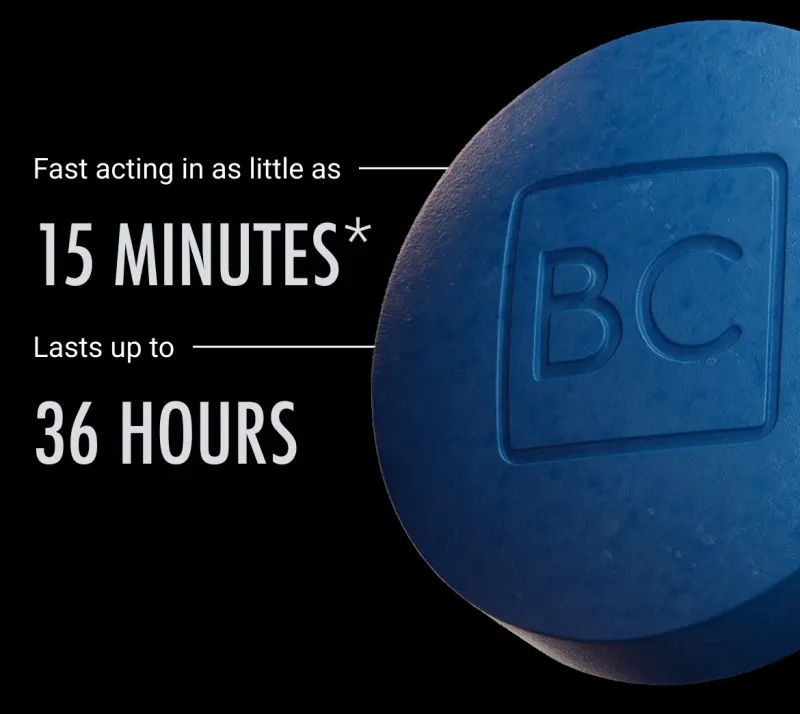
- SIL: 45 mg sildenafil, works within 15 minutes, lasting up to 6 hours
- TAD: 9 mg tadalafil, effective within 15 minutes, lasting up to 36 hours
- VAR: 8 mg vardenafil, takes effect within 15 minutes, lasting up to 6 hours
- DailyTAD: 9 mg tadalafil plus 7 essential vitamins, lasting up to 36 hours
- MAX: 45 mg sildenafil + 18 mg tadalafil combo, lasting up to 36 hours
- VMAX: 14 mg vardenafil + 18 mg tadalafil combo, lasting up to 36 hours
- GOLD: sildenafil, tadalafil, oxytocin, and apomorphine sublingual tablet, lasting up to 36 hours

Frequently Asked Questions
Can ED be purely psychological?
Yes. ED can be driven mainly by psychological or emotional factors, especially when erections still occur during sleep or masturbation but become difficult in partnered situations. However, ED can also have mixed causes, so a healthcare provider can help rule out physical contributors.
How long does psychological ED take to improve?
There is no single timeline. Some men improve after reducing pressure and improving communication, while others need therapy, medication, lifestyle changes, or a combination. The right timeline depends on the cause, severity, relationship context, and whether physical factors are also involved.
Can BlueChew help if ED is caused by stress or anxiety?
BlueChew may help support the physical side of erectile function when a licensed provider determines prescription treatment is appropriate. If stress or anxiety is involved, medication may be most useful alongside behavioral strategies such as communication, relaxation skills, and therapy when needed.
Is it common for ED to have a mental component?
Yes. Psychological factors can contribute to ED, worsen existing symptoms, or develop after a few difficult experiences. Even when physical factors are present, performance worry and avoidance can become part of the cycle.
What is the difference between physical and psychological ED treatment?
Physical ED treatment focuses on health factors such as blood flow, nerves, hormones, medications, and underlying conditions. Psychological ED treatment focuses on anxiety, stress, relationship dynamics, avoidance, self-monitoring, and beliefs about sexual performance. Many men benefit from addressing both.
This article is provided for informational purposes only and does not constitute medical advice. The information presented is not a substitute for professional medical advice, diagnosis, or treatment. Always consult your healthcare provider to discuss the risks, benefits, and appropriateness of any treatment.
BlueChew offers access to healthcare providers who may prescribe compounded medications for the treatment of erectile dysfunction.
The featured products include compounded medications that have not been approved by the FDA. Compounded medications may be prescribed under federal law but are not the same as, nor are they generic versions of, any FDA-approved medication. The FDA does not review compounded medications for safety, effectiveness, or manufacturing quality of compounded products. A prescription will only be written if deemed appropriate after the digital consultation by the licensed medical provider. Individual results may vary.
BlueChew is not a compounding pharmacy but a telemedicine service that links patients to licensed medical providers.
BLUECHEW EDITORIAL STANDARDS
BlueChew is committed to providing accurate, clear, and up-to-date health information. Our writers and medical reviewers rely on peer-reviewed research, clinical guidelines, academic institutions, government health agencies, and professional medical organizations. Whenever possible, we cite primary sources and update our content as new evidence becomes available.
See something that needs correction? Let us know at blog@bluechew.com.


 Medically reviewed