How to Build a "Great Sex" Position Playbook Together

Most couples fall into a comfortable routine in the bedroom—and that's not necessarily a bad thing. You know what works, you've got your go-to moves, and you can practically read each other's minds. But here's the thing: that same comfort can slowly shift into monotony, and before you know it, intimacy starts feeling more like a script than an adventure.
Building a personalized "position playbook" together transforms your intimate life from predictable to intentional—giving you a framework to explore, communicate, and discover what truly brings you both pleasure. Whether you're looking to enhance your sexual confidence or simply inject some novelty into your relationship, creating this playbook as a team makes the journey as enjoyable as the destination.
The concept is simple: instead of leaving intimacy to chance or defaulting to the same three positions, you and your partner collaboratively curate, test, and document what works best for both of you. Think of it as a personalized guide to your shared pleasure—one that evolves as you do.
Key Takeaways
- A position playbook is a collaborative tool that turns sexual exploration into an intentional, low-pressure adventure
- Communication outside the bedroom is the foundation—discuss desires, boundaries, and feedback when you're both relaxed
- Start with an "exploration jar" of positions you both want to try, then document what works
- Focus on mutual pleasure, not performance—the goal is connection, not perfection
- Physical readiness matters—addressing concerns like erectile function can remove barriers to exploration

Understanding Your Sex Drive: A Foundation for Better Sex
Before diving into positions, it's worth understanding the engine that drives intimacy: your libido. Sex drive isn't a fixed dial—it fluctuates based on stress, health, sleep, hormones, and even the season. Recognizing your individual patterns helps you plan for success rather than leaving things to chance.
Recognizing Individual Patterns
Some people experience higher desire in the morning, others at night. Some feel most connected after quality time together, while others need novelty to spark interest. Neither approach is right or wrong—they're just different.
Factors that commonly influence male libido:
- Sleep quality and stress levels
- Physical health and exercise habits
- Relationship connection and emotional intimacy
- Hormonal fluctuations throughout the day
- Confidence in erectile function
When both partners understand their own patterns and share them openly, you can find windows where desire naturally aligns—or intentionally create conditions that help bridge the gap. Research published in the Journal of Sex & Marital Therapy has shown that understanding individual sexual desire patterns and communicating about them is associated with improved sexual and relationship satisfaction in couples.
Communicating About Mismatched Desires
It's completely normal for partners to have different levels of desire at any given time. The key is addressing this without blame or pressure. Use "I" statements: "I feel most connected when we..." rather than "You never want to..."
For those seeking more spontaneity, products like TAD offer a 24-36 hour window of readiness, removing the need to time everything perfectly. This extended coverage can help couples act on desire when it strikes rather than scheduling around medication.

Open Communication: The Key to Relationship Intimacy and Sexual Exploration
If building a playbook sounds intimidating, that's actually the point—not because it should be scary, but because the conversation itself is where the magic happens. Research consistently shows that couples who communicate openly about sexual preferences and desires report higher levels of sexual and relationship satisfaction.
Establishing an Open Dialogue
The most productive conversations happen outside the bedroom, when you're both relaxed and clothed. Over coffee, during a walk, or after dinner—anywhere that feels low-pressure.
Starting points for conversation:
- "What's something we used to do that you'd love to bring back?"
- "Is there anything you've been curious about trying?"
- "What's one thing I do that really works for you?"
- "Are there things you'd rather we avoid?"
These questions open doors without putting anyone on the spot. The goal isn't to solve everything in one conversation—it's to establish that this is a safe, ongoing dialogue.
Nonverbal Cues in the Bedroom
Not everything needs words. Develop a shared language of touch, sounds, and movements that communicate "yes, more of that" or "let's try something different." Some couples use a simple 1-10 rating during or after, others prefer descriptive feedback.
The playbook concept formalizes this feedback loop—you're not just experiencing intimacy, you're learning from it together.
Exploring New Positions for Better Sex and Increased Sexual Activity
With communication established, you're ready to expand your repertoire. Variety isn't about performing acrobatics—it's about discovering angles, depths, and rhythms that maximize pleasure for both partners.
Benefits of Varying Positions
Different positions offer different benefits:
- Angle changes can target specific areas of stimulation
- Control shifts between partners allow different pacing
- Physical closeness varies from face-to-face intimacy to more playful configurations
- Effort distribution matters—some positions require more stamina than others
For men managing erectile concerns, lower-strain positions that allow relaxation—like side-lying or partner-on-top variations—can help you stay more comfortable and relaxed, which may support healthy arousal and reduce performance pressure.
Finding What Works for Both Partners
The most satisfying positions are those where both partners experience pleasure simultaneously. This often means prioritizing positions that allow for clitoral stimulation during penetration, since research published in the Journal of Sexual Medicine indicates that most women require clitoral stimulation for orgasm.
Quick wins for mutual pleasure:
- Modified missionary with a pillow under hips (improved angle)
- Partner-on-top variations (control over depth and rhythm)
- Side-lying positions (intimate, low-effort, sustainable)
- Seated positions (allows closeness and manual stimulation)
Products like SIL can support exploration during dedicated sessions, working within 30 minutes and lasting 4-6 hours—plenty of time to try a few variations without rushing.
Crafting Your 'Great Sex' Position Playbook: A Shared Journey
Now for the practical part: actually building your playbook. This isn't a rigid document—it's a living, evolving collection that reflects your shared preferences.
The Exploration Jar Method
One popular approach is creating an "exploration jar." Here's how it works:
- Individual lists: Each partner writes down 5-10 positions or activities they'd like to try (keep boundaries in mind)
- Combine and curate: Review together, removing anything that's a hard "no" for either partner
- Add to the jar: Fold remaining ideas and place them in a jar or box
- Draw randomly: When you're both in the mood for something new, draw one together
This gamification removes the pressure of deciding in the moment and ensures both partners' interests are equally represented.
Rating and Reviewing Experiences
After trying something new, have a brief, positive conversation about how it went. You might use a simple system:
Position Review Questions:
- Pleasure level (1-5 for each partner)
- Effort required vs. enjoyment received
- Would you want to repeat it?
- Any modifications that might improve it?
Keep notes—whether in a phone app, a shared document, or an actual notebook. Over time, you'll build a personalized guide to your best experiences.
Organizing Your Playbook
Consider categorizing positions by:
- "Go-to" favorites: Reliable, consistently satisfying
- "Special occasion": Requires more energy or preparation
- "Quick connection": Perfect for busy schedules
- "Deep intimacy": Slower, more emotionally connected
- "Exploration zone": Still testing, not yet rated
Enhancing Sexual Confidence: The Foundation of Great Intimacy
Confidence in the bedroom isn't about performance—it's about presence. When you're not worried about whether things will "work," you can focus entirely on connection and pleasure.
Overcoming Performance Anxiety
Performance concerns are incredibly common and nothing to feel ashamed about. The playbook approach actually helps here: by shifting focus from "performing" to "exploring together," you remove the pass/fail mentality that fuels anxiety.
Confidence-building strategies:
- Focus on the journey, not the destination
- Communicate that orgasm isn't the only goal
- Take turns being the "focus" of pleasure
- Build in non-penetrative intimacy as a regular part of your repertoire
The Role of Physical Readiness
When erectile concerns are part of the picture, addressing them proactively can make a meaningful difference. BlueChew's subscription plans offer options starting at $20/month, making support accessible and removing one more barrier to confident exploration.
Customer testimonials frequently mention confidence as a key benefit—knowing you have reliable support allows you to be fully present rather than worried about what might or might not happen.
Navigating Potential Challenges
Not every exploration will be a home run, and that's perfectly okay. Knowing how to navigate challenges keeps the process positive.
When Something Doesn't Work
Maybe a position looked great in theory but felt uncomfortable in practice. Maybe one partner loved it while the other didn't. This is normal—and it's valuable data for your playbook.
How to handle mismatches:
- Acknowledge the attempt: "That was interesting, but maybe not for us"
- Don't assign blame: It's not about either partner doing something wrong
- Note it: Add to your "tried but didn't love" list
- Move on: Pivot to something you both enjoy
Addressing Physical Discomfort
If any position causes pain, stop immediately. Pain during sex isn't something to push through—it's a signal that something needs attention, whether that's more lubrication, a different angle, or potentially a conversation with a healthcare provider.
For sustained intimacy without physical strain, positions that allow relaxation and steady blood flow work best. Pillows and wedges can improve angles and reduce stress on joints.
Types of Intimacy Beyond the Physical
A great position playbook isn't just about sex—it's about the full spectrum of intimacy that makes physical connection meaningful.
The Intimacy Spectrum
Physical intimacy exists within a broader context:
- Emotional intimacy: Feeling safe, understood, and accepted
- Intellectual intimacy: Sharing ideas, dreams, and thoughts
- Experiential intimacy: Creating memories through shared activities
- Recreational intimacy: Playing and having fun together
When these other forms of intimacy are strong, physical connection tends to improve naturally. The playbook becomes more than a list of positions—it's part of a larger commitment to your relationship.
Building Connection Outside the Bedroom
Consider adding non-sexual intimacy to your playbook:
- Regular date nights (no phones)
- Daily physical affection (hugs, kisses, hand-holding)
- Meaningful conversations about something other than logistics
- Shared hobbies or new experiences together

Setting the Mood: Creating Your Intimate Space
Environment matters more than most people realize. Your bedroom should feel like a sanctuary for connection, not just a place to sleep.
Quick Atmosphere Upgrades
- Lighting: Dimmable lights or candles create a completely different mood than overhead fluorescents
- Temperature: Slightly cool is typically most comfortable
- Declutter: A messy room is a mental distraction
- Scent: Subtle aromatherapy can enhance relaxation
- Sound: Music or white noise can provide privacy and ambiance
You don't need a complete bedroom overhaul—small changes can make a significant difference in how connected you feel.
How BlueChew Supports Your Exploration
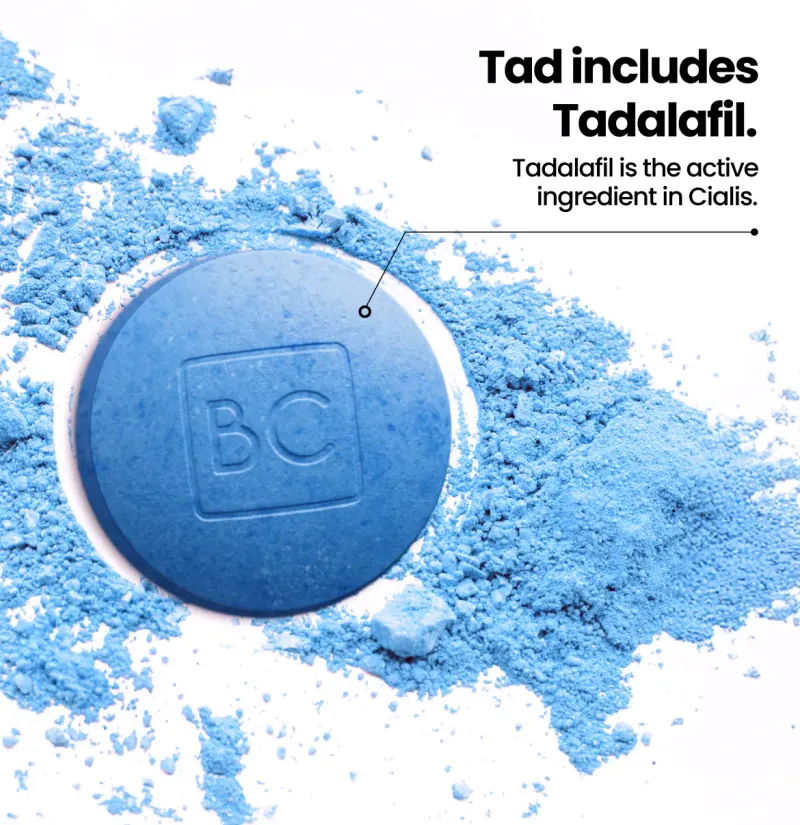
Building a position playbook is about removing barriers to intimacy, and physical readiness is one barrier that can often be addressed with the right support. BlueChew provides prescription medications containing the active ingredients sildenafil, vardenafil, and tadalafil. Sildenafil, vardenafil, and tadalafil are the active ingredients in Viagra, Levitra, and Cialis, respectively.
BlueChew offers several formulations to support your exploration:
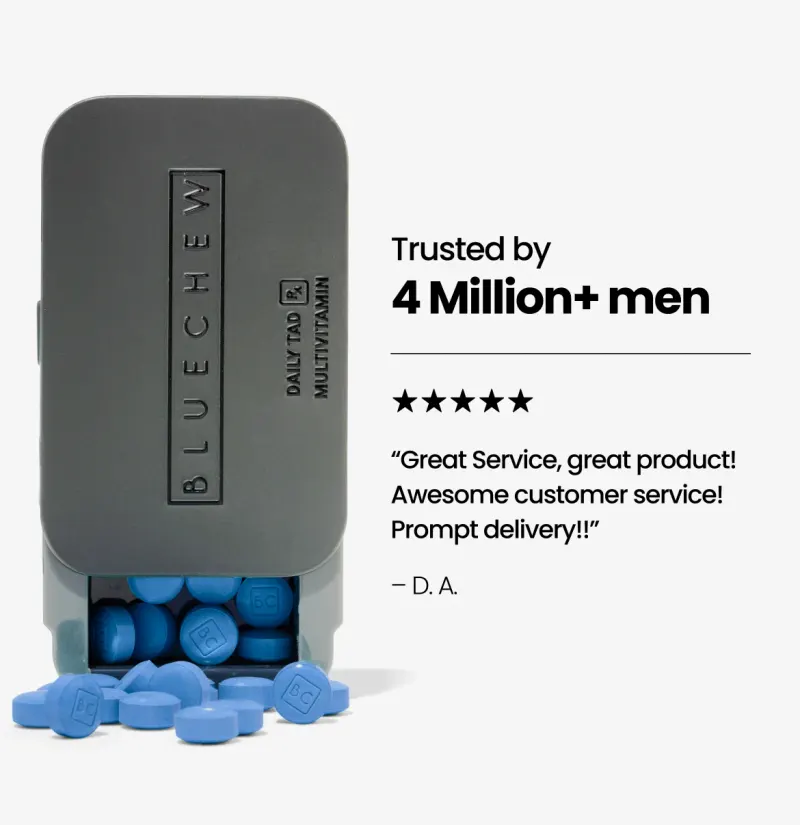
- BlueChew's complete lineup:SIL, VAR, TAD, and DailyTAD come in a chewable tablet. MAX, VMAX, and GOLD are available as a sublingual tablet. ENERGY is available as liquid shot.
- SIL: 30 mg or 45 mg sildenafil, from $2.95/chew, works in 30 minutes, lasting up to 6 hours
- TAD: 6 mg or 9 mg tadalafil, from $3.58/chew, effective within 30 minutes, lasting up to 36 hours
- VAR: 8 mg vardenafil, from $4.34/chew, takes effect in 30 minutes, lasting up to 6 hours
- DailyTAD: 9 mg tadalafil plus 7 essential vitamins, $2.23/chew, lasting up to 36 hours
- MAX: 45 mg sildenafil + 18 mg tadalafil combo, $5.63/tablet, lasting up to 36 hours
- VMAX: 14 mg vardenafil + 18 mg tadalafil combo, $5.63/tablet, lasting up to 36 hours
- GOLD: sildenafil, tadalafil, oxytocin, and apomorphine sublingual tablet, from $7.30/tablet, lasting up to 36 hours
- ENERGY: 30 mg sildenafil + 60 mg caffeine, $4.50/ea, lasting up to 6 hours
The completely online process means no in-person doctor visits—just a telemedicine consultation with a licensed provider who reviews your health history. If appropriate, your prescription ships directly to your door in discreet packaging.
When performance concerns are handled, both partners can focus on what matters: connection, pleasure, and building your playbook together. Explore your options to find the right fit for your needs.

Frequently Asked Questions
How often should we update our sex position playbook?
Think of your playbook as a living document. Review it together every few months—add new discoveries, retire positions that no longer appeal, and note any modifications that improved your favorites. Many couples find that quarterly "playbook reviews" keep things fresh while maintaining your collection of go-to favorites.
What if my partner and I have different comfort levels with new positions?
This is exactly why communication comes first. Never pressure a partner to try something they're not comfortable with. Start with positions that feel low-risk for both of you, and let comfort naturally expand over time. The partner with fewer reservations can suggest, but the partner with more boundaries gets veto power—always.
How can we maintain spontaneity even with a 'playbook'?
The playbook isn't a script—it's a menu. You don't plan every meal you'll ever eat just because you have favorite recipes. Use the exploration jar for novelty when you want it, default to favorites when you don't, and remember that spontaneous intimacy doesn't require trying something new every time.
What are common physical factors that can hinder sexual activity?
Common factors include stress, fatigue, hormonal changes, medication side effects, and erectile concerns. Many of these respond well to lifestyle adjustments like better sleep, exercise, and stress management. For erectile function specifically, BlueChew's safety information outlines how our treatments can help, along with important considerations for your health history.
Can a 'great sex' playbook help reignite passion in long-term relationships?
Absolutely. The playbook approach works particularly well for established couples because it creates intentional novelty within a framework of trust. You're not just trying random things—you're building something together that reflects your unique relationship. Research published in Archives of Sexual Behavior suggests that engaging in novel and arousing activities together is associated with increased relationship quality and sexual satisfaction in long-term couples. The process of creating and updating the playbook itself can become a form of intimacy.
This article is for informational purposes only and does not constitute medical advice. The content provided here is not a substitute for, and should never be relied upon as, professional medical advice. Always consult your doctor to discuss the risks, benefits, and appropriateness of any treatment. BlueChew offers compounded medications prescribed solely for the treatment of erectile dysfunction and sexual performance enhancement. Compounded medications are not FDA-approved.
Other Helpful Articles