ED After a Health Scare: Rebuilding Sexual Confidence

Getting cleared to return to normal activities after a major health event can be reassuring, but it does not always mean sexual confidence returns right away. A cardiac event, new diabetes diagnosis, surgery, or another serious health scare can change how a person feels about his body, energy, and ability to be intimate.
Erectile dysfunction can involve medical and psychosocial factors, which is why ED after a health scare should not be treated as only a physical issue or only an emotional issue. Recovery may involve blood flow, nerve function, medication use, stress, mood, confidence, and relationship context.
If ED continues after a health scare, the next step is not to assume something is permanently wrong. It may be time to review what changed with a licensed healthcare provider, understand whether prescription ED treatment is appropriate, and rebuild intimacy at a pace that fits your recovery.
Key Takeaways
- ED after a health scare can involve physical, emotional, medication-related, and relationship-related factors.
- Cardiovascular health, diabetes, surgery, stress, and medication changes may all affect erectile function.
- ED treatment should be discussed with a licensed healthcare provider, especially after a serious medical event.
- PDE5 inhibitors may be appropriate for some men, but certain medications and health conditions require careful review.
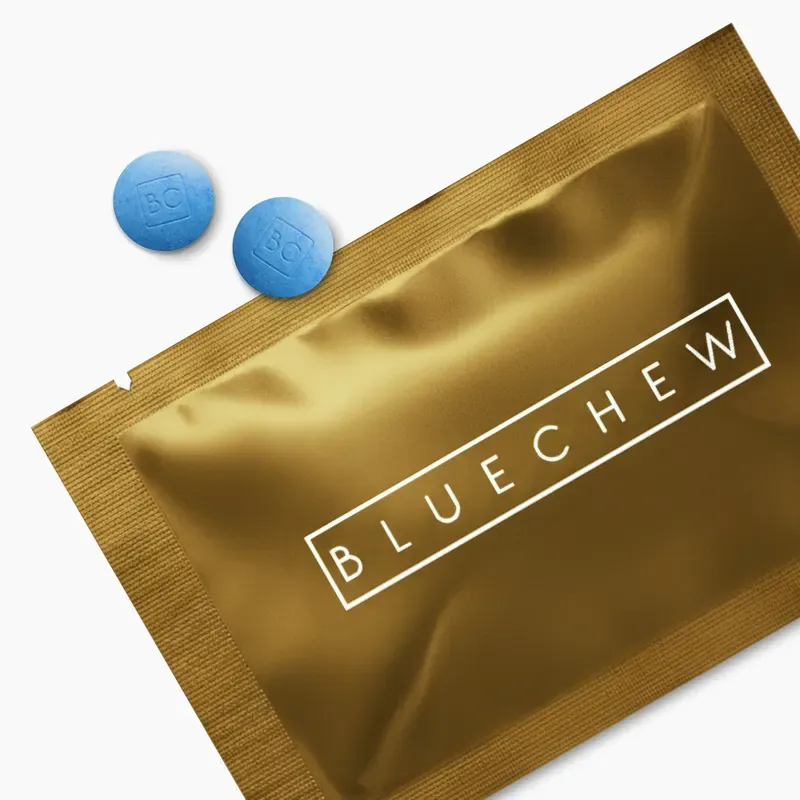
- If erectile function or sexual performance concerns remain after recovery, BlueChew may be worth discussing with a licensed provider.
Why Sexual Confidence Can Change After a Health Scare
A health scare can change the way a person relates to his body. Even after a doctor says normal activity can resume, there may still be uncertainty, fear, fatigue, or hesitation around sex.
Some men worry that sexual activity may not be safe. Others feel less confident because their body has changed, their medications have changed, or they have had a difficult recovery. These concerns can affect desire, arousal, and performance.
Sexual confidence often returns gradually. It may require a combination of medical review, partner communication, realistic expectations, and time.
ED Is Often More Than One Issue
Erections depend on blood flow, nerve signaling, hormones, arousal, and emotional readiness. A health scare can affect more than one of these systems at the same time.
For example, a person recovering from a cardiovascular event may be thinking about safety and stamina. A person managing diabetes may be dealing with blood sugar changes, medication adjustments, and nerve or vascular concerns. A person recovering from surgery may feel physically cleared but emotionally cautious.
This is why ED after a health scare deserves a broader look. The goal is to understand what may still be affecting erectile function rather than treating the issue as a simple matter of confidence.
The Emotional Side of Recovery
A health scare can make someone feel vulnerable. It may also create fear around exertion, body changes, pain, scars, or the possibility of another medical problem.
Those fears can show up during intimacy. A man may want sex but worry about his body’s response, whether he can perform, or whether his partner sees him differently.
These thoughts do not mean intimacy is over. They mean recovery may need to include emotional reassurance, honest conversation, and a slower return to sexual connection.

Health Events That May Affect Erectile Function
Different health events can affect erectile function in different ways. Some are directly related to blood flow or nerve function, while others affect confidence, energy, medication use, or mood.
Cardiovascular Health
Erectile function and cardiovascular health are closely connected because erections depend on vascular response and blood flow. Research on ED and cardiovascular risk has examined erectile dysfunction as a marker associated with future cardiovascular events.
This does not mean every case of ED signals heart disease. It does mean new or worsening ED after a cardiac scare should be discussed with a healthcare provider, especially if there are symptoms such as chest pain, shortness of breath, dizziness, or reduced exercise tolerance.
If a provider has cleared sexual activity, that can help reduce fear. If there is uncertainty, the safest next step is to ask directly before using ED medication or resuming sexual activity.
Diabetes and Metabolic Health
Diabetes can affect erectile function through vascular, nerve-related, and metabolic pathways. A systematic review on diabetes and ED examined erectile dysfunction prevalence and risk factors among men with diabetes.
For men newly diagnosed with diabetes, ED can feel like one more problem to manage. It may also appear or worsen during periods of medication adjustment, stress, or blood sugar instability.
A provider can help assess whether ED may be related to blood sugar control, medication use, cardiovascular risk factors, or another issue. Better overall diabetes management may support sexual health, but ED may still need its own treatment plan.
Surgery, Treatment, and Recovery
Surgery and medical treatment can affect sexual function in several ways. Pain, fatigue, anesthesia recovery, medication changes, nerve involvement, pelvic procedures, and body-image changes may all influence readiness for sex.
Rather than assuming there is one cause, it helps to ask what changed after the health event. Did ED begin after a new medication? Did sexual confidence change after a diagnosis? Did recovery affect energy, movement, or comfort?
These questions can help guide a more useful conversation with a healthcare provider.
When to Talk With a Provider About ED
ED after a health scare should be discussed with a licensed healthcare provider, especially if the health event involved the heart, blood pressure, diabetes, surgery, or new medications.
A provider may ask about:
- When ED started
- Whether erections happen during sleep or in the morning
- Current prescriptions and supplements
- Cardiovascular symptoms
- Diabetes or blood pressure history
- Surgical history
- Mood, stress, and anxiety
- Whether sexual activity has been medically cleared
This review matters because ED treatment is not appropriate for everyone. The right plan depends on the person’s overall health and risk factors.
Medication Interactions Matter
Some medications can affect erectile function, and some medications can interact with ED treatments. This is especially important after a health scare because new prescriptions may have been added during recovery.
Research on cardiovascular precautions discusses sildenafil safety considerations, including concerns around nitrate use. Men using nitrate medications should not use PDE5 inhibitors unless a healthcare provider specifically determines what is safe and appropriate.
Do not stop heart, blood pressure, diabetes, or mental health medications without medical guidance. If a medication may be contributing to ED, a provider can discuss whether an adjustment or alternative is appropriate.
Safety Comes First
Sexual activity can involve physical exertion. If you recently had a cardiac event, surgery, hospitalization, or another serious health issue, make sure your provider has cleared you for sexual activity.
Seek medical care promptly if you have chest pain, fainting, severe shortness of breath, sudden vision changes, sudden hearing changes, or a painful erection lasting more than four hours. These symptoms should not be managed through online ED treatment alone.
Treatment Options After a Health Scare
ED treatment after a health scare should be individualized. The right approach may include medication review, lifestyle changes, relationship support, therapy, prescription ED medication, or referral to a specialist.
PDE5 Inhibitors
Sildenafil, tadalafil, and vardenafil belong to a class of medications called PDE5 inhibitors. These medications still require sexual stimulation, and individual results can vary. They should only be used as prescribed and should not be combined with other ED medications unless a licensed provider gives specific instructions.
For men recovering from a health scare, provider review is especially important. Health history, cardiac status, blood pressure, current medications, and recent symptoms may all affect whether treatment is appropriate.
Lifestyle Support
Lifestyle changes are not a guaranteed solution for ED, but they may support overall recovery and sexual wellness. Movement, sleep, stress management, smoking cessation, and alcohol moderation may all be part of a broader plan.
A safe starting point may be different for each person. Someone recovering from surgery may need a gradual return to movement, while someone in cardiac rehabilitation may need structured guidance.
Rebuilding Intimacy With Your Partner
A health scare can affect both partners. One person may be focused on recovery, while the other may worry about safety, pressure, or causing stress.
Open communication can help reduce uncertainty. A partner may not know whether to initiate sex, ask about ED, or wait for the recovering person to bring it up.
Try starting with a simple conversation:
“I want us to stay close, but I’m still figuring out what feels comfortable after everything that happened. I’d like us to talk about intimacy without making it feel pressured.”
Focus on Connection Before Performance
After a health scare, it can help to lower the pressure around penetration, erection quality, or orgasm. Physical closeness can still matter even when sex does not happen exactly as expected.
Couples may explore:
- Kissing
- Cuddling
- Massage
- Slow touch
- Showering together
- Non-penetrative intimacy
- Time together without an immediate sexual goal
This can help rebuild trust in the body and the relationship. It also gives both partners room to reconnect without turning sex into a pass-fail moment.
Set a Realistic Recovery Pace
Sexual confidence may come back in steps. A first attempt may feel awkward. A partial erection, less anxiety, or a more comfortable conversation can still be progress.
The goal is not to perform perfectly right away. It is to rebuild confidence, safety, and closeness over time.
If fear, avoidance, or relationship tension continues, therapy or couples counseling may help. Medical treatment can address some aspects of ED, but emotional recovery may need attention too.
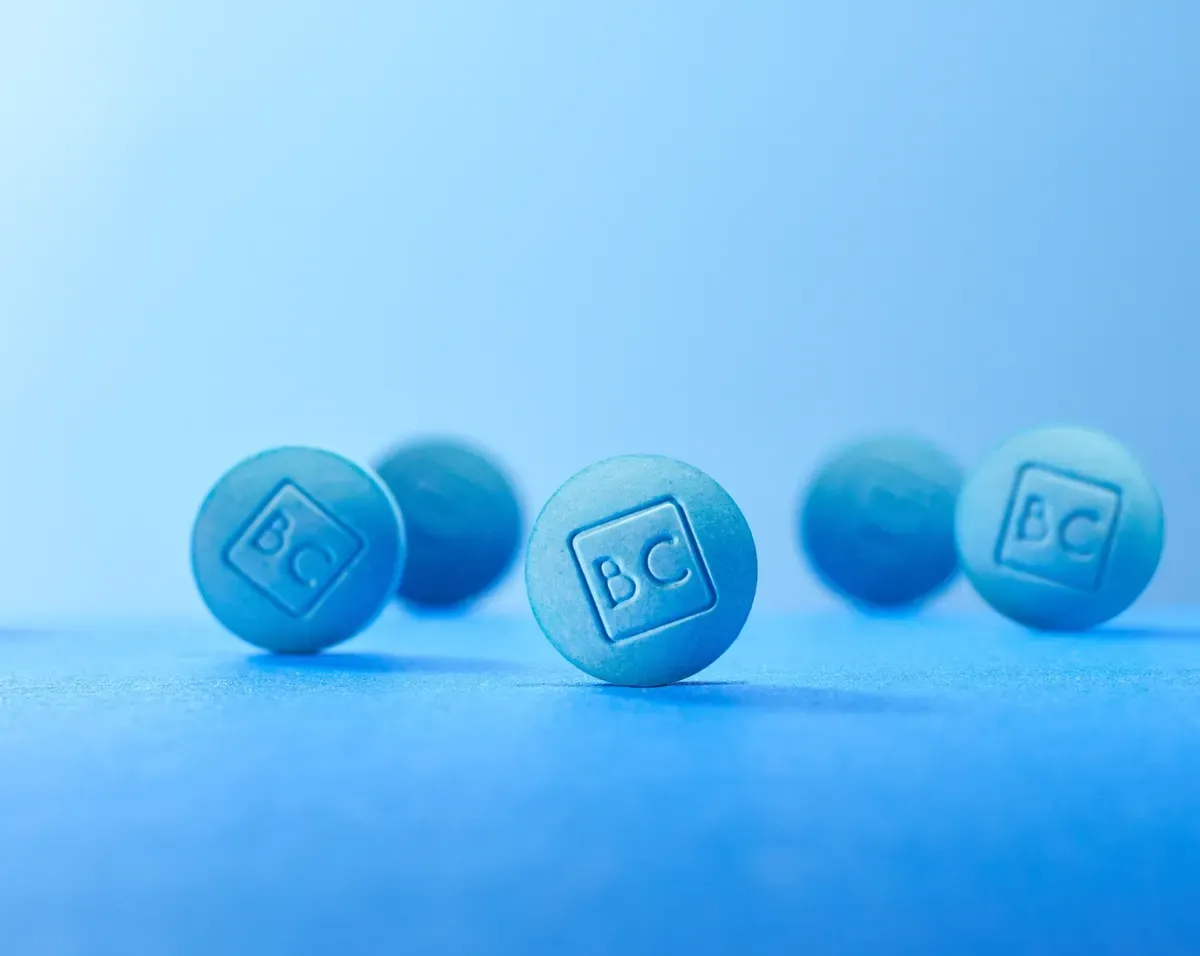
Where BlueChew Fits After a Health Scare
BlueChew offers access to licensed healthcare providers who may prescribe compounded medications for erectile dysfunction and sexual performance enhancement after an online provider review.
For someone recovering from a health scare, the provider review should include current medications, recent medical events, cardiovascular history, diabetes status, surgery history, and whether a clinician has cleared sexual activity. BlueChew is not a replacement for emergency care, cardiac clearance, diabetes follow-up, surgical follow-up, or specialist care.
You can learn more about the online provider review process.
BlueChew Product Options
- SIL: 30 mg or 45 mg sildenafil, works within 15 minutes, lasting up to 6 hours
- TAD: 6 mg or 9 mg tadalafil, effective within 15 minutes, lasting up to 36 hours
- VAR: 8 mg vardenafil, takes effect within 15 minutes, lasting up to 6 hours
- DailyTAD: 9 mg tadalafil plus 7 essential vitamins, lasting up to 36 hours
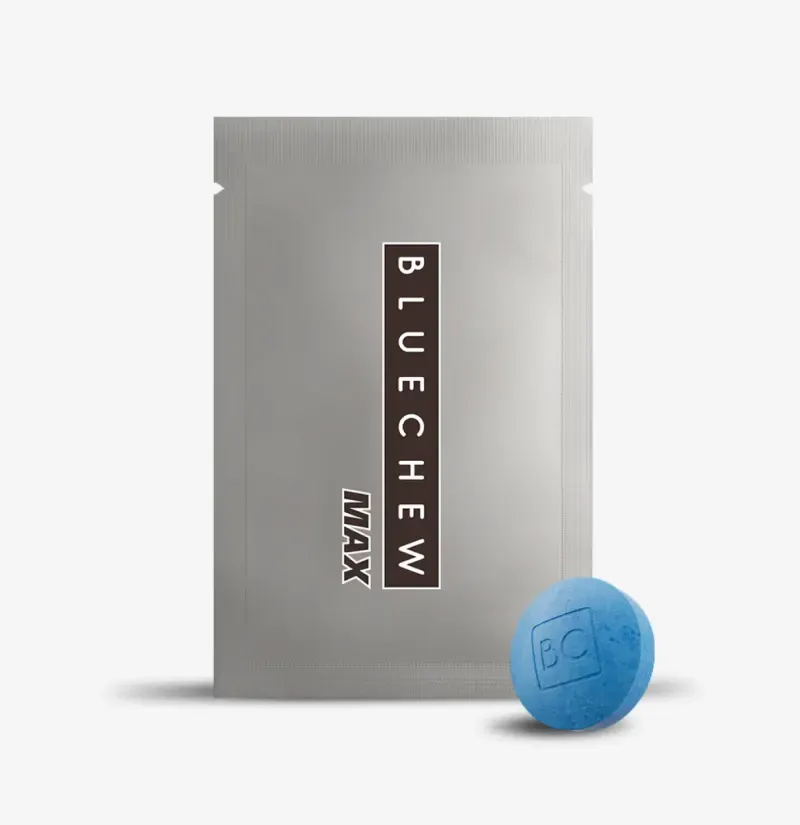
- MAX: 45 mg sildenafil + 18 mg tadalafil combo, lasting up to 36 hours
- VMAX: 14 mg vardenafil + 18 mg tadalafil combo, lasting up to 36 hours
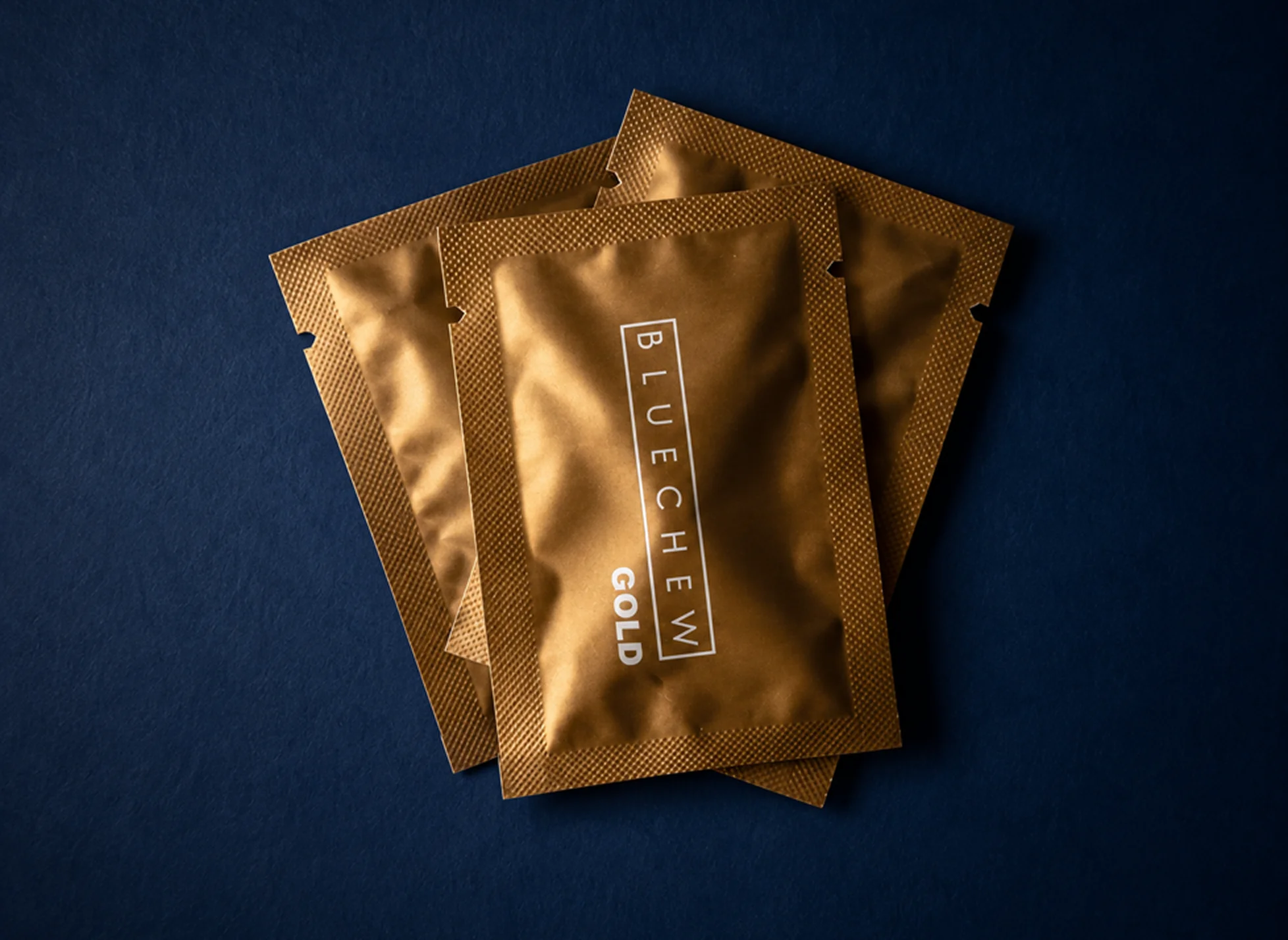
- GOLD: sildenafil, tadalafil, oxytocin, and apomorphine sublingual tablet, lasting up to 36 hours
SIL, VAR, TAD, MAX, VMAX, and GOLD are available as sublingual tablets. DailyTAD comes in a chewable tablet.
When GOLD May Be Worth Discussing
Some men may want to ask a provider about a multi-ingredient option if erectile function, arousal, timing, or sexual performance concerns remain after recovery. Multi-ingredient formulas should not be described as automatically stronger, better, or more effective for everyone.
BlueChew GOLD is a compounded sublingual tablet that contains sildenafil, tadalafil, oxytocin, and apomorphine.
This does not mean GOLD is a guaranteed solution for ED after a health scare. It means GOLD may be worth discussing with a licensed provider when erectile function, arousal, or sexual performance concerns are part of the issue.
BlueChew also gives subscribers the option to manage your account, switch, or cancel their plan as needed.
View treatment plans to explore treatment plan options at BlueChew.

Frequently Asked Questions
Can ED happen after a major health scare?
Yes, ED can happen after a major health event, especially when recovery affects blood flow, nerve function, medications, stress, or confidence. It may also appear after changes in routine, activity level, or emotional security. This does not mean intimacy is over or that ED will affect every sexual experience. If ED continues, a licensed healthcare provider can help evaluate what may be contributing.
Is it safe to use ED medication after a cardiac event?
It depends on your health status, medications, and whether your provider has cleared sexual activity. ED medications may not be appropriate for men taking nitrates or for those with certain unstable cardiovascular conditions. A licensed provider needs to review your medical history before prescribing. If you are unsure whether sex or ED medication is safe after a cardiac event, ask your healthcare provider before starting treatment.
Can diabetes-related ED improve?
Diabetes-related ED may improve for some men when blood sugar, cardiovascular risk factors, medications, and lifestyle habits are managed with provider guidance. However, ED can also involve nerve and vascular changes that may need additional support. The right plan depends on the person’s diabetes history, symptoms, medications, and overall health. A healthcare provider can help determine whether prescription ED treatment may be appropriate.
Which BlueChew option may fit after a health scare?
The right option depends on your health history, current medications, recent health events, treatment goals, and licensed provider review. Some BlueChew options are designed with shorter duration windows, while others may offer a longer window. If you recently had a cardiac event, surgery, or major diagnosis, include those details in your online intake. A provider can determine what may be appropriate after reviewing your information.
How do I get started with BlueChew after a health scare?
Start by selecting a plan and completing the online intake. Include your recent health event, current medications, and any provider restrictions so the licensed provider has the right context. The provider will review your information and determine whether prescription treatment may be appropriate. If prescribed, the treatment plan can be shipped directly to your door.
BLUECHEW EDITORIAL STANDARDS
This article is provided for informational purposes only and does not constitute medical advice. The information presented is not a substitute for professional medical advice, diagnosis, or treatment. Always consult your healthcare provider to discuss the risks, benefits, and appropriateness of any treatment.
BlueChew offers access to healthcare providers who may prescribe compounded medications for the treatment of erectile dysfunction.
The featured products include compounded medications that have not been approved by the FDA. Compounded medications may be prescribed under federal law but are not the same as, nor are they generic versions of, any FDA-approved medication. The FDA does not review compounded medications for safety, effectiveness, or manufacturing quality of compounded products. A prescription will only be written if deemed appropriate after the digital consultation by the licensed medical provider. Individual results may vary.
BlueChew is not a compounding pharmacy but a telemedicine service that links patients to licensed medical providers.
RELATED ARTICLES



Have Better Sex
- 100% online process
- No office visit required
- Discreet shipping, if prescribed
*Prescription products require an online review by a licensed provider. Restrictions apply.

 Medically reviewedEvery article is reviewed by a licensed provider on the BlueChew medical team.