How Lecithin Can Help Men With Sexual Performance

When most people think about sexual health supplements, lecithin probably doesn't top the list. But the science is revealing some compelling connections between this phospholipid-rich nutrient and male sexual function. Emerging research shows that lecithin supplementation can support sexual performance through multiple pathways—from neurotransmitter production that influences arousal to cardiovascular benefits that support erection quality. Approximately 30 million men in the United States experience erectile dysfunction, and while lecithin isn't a cure, understanding how it fits into the broader picture of male sexual wellness can help you make informed decisions about your health.
Lecithin works primarily by providing choline, a nutrient that many Americans do not consume in adequate amounts. This choline gets converted into acetylcholine—a neurotransmitter crucial for parasympathetic nervous system function, including the mechanisms that control arousal and erectile response. Beyond neurotransmitter support, lecithin's phospholipid content plays a structural role in seminal fluid composition, which has led many men to explore it for potential benefits to ejaculate volume and overall sexual satisfaction.
Key Takeaways
- Lecithin provides choline for acetylcholine production, supporting neurotransmitter pathways essential for arousal and erectile function
- Some anecdotal reports suggest lecithin supplementation may increase ejaculate volume over 4-6 weeks through its phospholipid content, though rigorous clinical evidence is limited
- Evidence that lecithin meaningfully improves lipid profiles is limited and mixed, though cardiovascular health improvements can indirectly enhance erectile function
- Optimal results require consistent use for 4-8 weeks at appropriate doses, with sunflower lecithin offering a non-GMO, allergen-free alternative
- When lifestyle and nutritional interventions aren't sufficient, evidence-based ED treatments can provide reliable support for sexual performance

What Is Lecithin and Why Does It Matter for Sexual Health?
Lecithin is a naturally occurring fatty substance composed of phospholipids—molecules that form the structural foundation of every cell membrane in your body. Phosphatidylcholine is one of the major phospholipids in semen and sperm membranes, making it directly relevant to reproductive function.
The Biochemical Role of Lecithin in the Body
When you take lecithin, your body breaks it down into choline, an important nutrient that helps make acetylcholine—a neurotransmitter involved in relaxation, arousal, and blood flow. Acetylcholine also helps your blood vessels release nitric oxide, which relaxes them and allows more blood to flow where it’s needed during arousal. So, by supporting choline and vascular health, lecithin may naturally help improve erectile quality and overall circulation.
How Lecithin Sources Differ: Soy vs. Sunflower
Dietary supplements typically derive lecithin from either soybeans or sunflower seeds. Both sources provide phosphatidylcholine, though sunflower lecithin offers advantages for those with soy allergies or who prefer non-GMO options.
Soy lecithin has been more extensively studied and tends to be less expensive, but some men prefer sunflower-derived products to avoid potential allergen exposure. The phospholipid composition remains functionally equivalent between sources, so choice often comes down to dietary preferences and tolerance.
Lecithin's Mechanisms for Supporting Male Sexual Function
The relationship between lecithin and sexual performance operates through several interconnected physiological pathways. Understanding these mechanisms clarifies both the potential benefits and the realistic expectations you should have.
Neurotransmitters and Arousal
Acetylcholine is a key neurotransmitter in sexual arousal, triggering nitric oxide release that leads to erection. Since choline is needed to produce acetylcholine, maintaining good choline levels supports healthy nerve signaling and sexual response. The same system also helps coordinate ejaculatory function, which may explain reports of stronger orgasms with lecithin supplementation.
Cardiovascular Support and Sexual Health
Since erectile dysfunction often stems from vascular issues, it can be an early sign of cardiovascular disease. While evidence on lecithin’s effect on cholesterol is mixed, overall heart-healthy habits—like eating more fiber, plant sterols, and less saturated fat—have stronger proof. Good vascular health improves blood flow and nitric oxide activity, both essential for strong erectile function.
Lecithin Benefits:
While anecdotal reports about lecithin's sexual benefits are widespread, separating verified outcomes from speculation requires examining the clinical evidence. The research presents a mixed picture—some well-documented benefits, some promising preliminary findings, and some claims that lack rigorous study.
Evidence on Seminal Fluid and Fertility Markers
Many men take lecithin hoping to boost semen volume, and some report noticing changes after 4–6 weeks. However, these are mostly anecdotal accounts, not confirmed by clinical studies. It makes sense biologically—phosphatidylcholine, a key part of lecithin, is found in seminal fluid, so getting enough through your diet might help support volume.
That said, research on sperm quality—like motility or shape—is still limited. While choline is important for healthy sperm membranes, there’s no clear proof that taking extra lecithin improves fertility in otherwise healthy men. Still, some find the perceived improvement in volume helpful for sexual confidence, even if it doesn’t directly affect fertility.
Cardiovascular Health as a Foundation for Erection Quality
The potential cardiovascular benefits of lecithin operate through its role in choline provision and overall cellular health. Since vascular health directly influences erectile capacity, maintaining adequate choline intake creates a foundation for better sexual function over time when combined with other evidence-based lifestyle factors.
The timeframe for any cardiovascular benefits aligns with realistic expectations—meaningful changes typically require 8-12 weeks of consistent supplementation, not immediate results. This gradual approach contrasts with pharmaceutical ED treatments but may contribute to long-term sexual health when combined with other lifestyle factors.
How to Use Lecithin Supplements for Sexual Performance
Effective supplementation requires attention to dosage, timing, form, and duration. The research provides general guidance, though individual responses vary based on baseline choline status and overall health.
Recommended Dosage and Forms
Standard dosing for potential sexual health benefits ranges from 1,200-2,400mg daily. The recommended adequate intake for choline is 550mg for adult men. Phosphatidylcholine provides approximately 13% choline by weight; a standard lecithin product with 20% phosphatidylcholine content provides roughly 2.6% choline by weight. Reaching the adequate intake of 550mg choline via standard lecithin supplementation would require large amounts; dedicated choline salts (such as choline bitartrate, which provides approximately 41% choline) or higher-concentration phosphatidylcholine products are more practical for meeting choline needs.
Quality matters significantly. Look for products with minimum 20% phosphatidylcholine content, verified through third-party testing.
Lecithin comes in several forms:
- Softgels: Convenient for precise dosing, typically 1,200mg per capsule
- Powder: More economical for higher doses, can be mixed into smoothies
- Granules: Similar to powder but with a coarser texture
- Liquid: Less common but offers rapid mixing
Standard lecithin powders typically contain 20–30% phosphatidylcholine. Purified phosphatidylcholine concentrates may range from 40–95% phosphatidylcholine; always verify the label.
Timing and Absorption Strategies
Unlike some supplements that require specific timing for optimal absorption, lecithin can be taken with or without food. However, taking it with meals may reduce the mild gastrointestinal effects some users experience.
Since lecithin contains fat-soluble nutrients, consuming it alongside dietary fat may enhance absorption—though the phospholipids themselves provide fat content. Dividing your daily dose into 2-3 smaller servings throughout the day can minimize digestive discomfort while maintaining steady choline availability.
Consistency matters more than timing when it comes to sexual health benefits. Daily supplementation for a minimum of 4-6 weeks allows time for potential effects on seminal fluid to manifest, while any cardiovascular benefits typically require 8-12 weeks of regular use.

Understanding Side Effects and Risks
No supplement is right for everyone, and lecithin does carry some potential drawbacks. Understanding these helps you make an informed decision and recognize when side effects warrant concern.
Common Gastrointestinal and Odor Complaints
High intakes of choline can cause gastrointestinal upset; the risk rises at large doses (e.g., several grams per day). These effects include:
- Stomach upset or cramping
- Bloating and gas
- Nausea
- Loose stools or diarrhea
Most of these side effects resolve by reducing dosage, taking lecithin with food, or switching to sunflower-derived sources. Starting with a lower dose (1,200mg) and gradually increasing allows your digestive system to adapt.
A fishy body odor can occur at higher choline intakes due to trimethylamine (TMA) formation; individual sensitivity varies. Some people lack the enzyme to properly metabolize trimethylamine, leading to this characteristic smell. If you develop this side effect, discontinuing supplementation typically resolves it within a few days.
The TMAO Controversy
Some research has raised concerns about trimethylamine N-oxide (TMAO), a metabolite produced when gut bacteria break down choline. Elevated TMAO levels have been associated with cardiovascular risk in observational studies, creating an apparent question—could lecithin's choline content raise TMAO levels?
Research shows that phosphatidylcholine and choline intake can raise TMAO levels in many individuals; the clinical significance varies and depends on gut microbiota composition and overall metabolic health. The relationship between dietary choline, TMAO levels, and cardiovascular outcomes is complex and not yet fully understood.
Individuals with soy allergies must avoid soy-derived lecithin. Those with trimethylaminuria (fish odor syndrome) should not supplement with lecithin.
How Lecithin Fits the Bigger Picture
Lecithin represents one option among many nutritional approaches to sexual health. Understanding where it fits relative to other evidence-based supplements helps you make strategic choices about supplementation.
Top Evidence-Based Nutrients for Erectile Function
Several nutrients have stronger direct evidence for erectile benefits than lecithin:
- L-arginine and L-citrulline serve as precursors to nitric oxide, directly supporting the vasodilation required for erections. Clinical trials show these amino acids can improve mild to moderate ED, particularly when combined.
- Panax ginseng has demonstrated erectile benefits in multiple studies, with improvements in erectile function scores and sexual satisfaction.
- Zinc deficiency impairs testosterone production and erectile function. Supplementation benefits men with documented deficiency, though effects in zinc-sufficient men remain unclear.
- Vitamin D3 plays roles in endothelial health and testosterone production. Deficiency has been associated with erectile dysfunction, making supplementation worthwhile for men with inadequate levels.
- Magnesium supports cardiovascular health and may improve erectile function through effects on blood pressure and vascular tone.
Lecithin sits somewhere in the middle of this evidence hierarchy—stronger support for overall health pathways than direct erectile effects, but plausible mechanisms backed by biochemistry.
How to Stack Lecithin with Other Performance Nutrients
Many men combine lecithin with other supplements for synergistic benefits. Common stacks include:
- Lecithin + L-arginine + L-citrulline: Combining choline support with nitric oxide precursors addresses multiple aspects of vascular function
- Lecithin + zinc + vitamin D3: Supporting both neurotransmitter and hormonal pathways
- Lecithin + omega-3 fatty acids: Both contribute to cell membrane health and cardiovascular function
When combining supplements, introduce them one at a time with 2-3 weeks between additions. This allows you to identify which specific interventions benefit your individual situation and recognize any problematic interactions.
For men who require more reliable intervention than supplements alone can provide, prescription treatments offer evidence-based options. DailyTAD combines 9mg of tadalafil with seven essential vitamins including D3, B6, B9, and B12. Addressing vitamin deficiencies supports overall health; evidence that vitamin supplementation enhances PDE5 inhibitor efficacy is limited, though correcting deficiencies can improve general well-being alongside medical treatment for ED.

Vitamins and Minerals That Support Sexual Function
Micronutrient deficiencies can significantly impact erectile function and overall sexual performance. Understanding which vitamins and minerals matter most helps you address potential gaps in your nutrition.
Essential Vitamins Linked to Erectile Health
- Vitamin D influences multiple systems relevant to sexual function. It supports endothelial health, modulates inflammation, and plays a role in testosterone production. Men with vitamin D deficiency show higher rates of erectile dysfunction, and supplementation may improve outcomes in deficient individuals.
- Folic acid (vitamin B9) and vitamin B12 both affect homocysteine metabolism. Elevated homocysteine damages blood vessels and contributes to erectile dysfunction. Adequate B-vitamin status helps maintain healthy homocysteine levels and vascular function.
- Vitamin C acts as an antioxidant that protects nitric oxide from oxidative breakdown, potentially prolonging its vasodilatory effects. It also supports collagen production, which maintains the structural integrity of blood vessels.
- Vitamin E provides additional antioxidant protection for vascular tissues and may enhance endothelial function through multiple mechanisms.
Age-Specific Nutritional Needs for Men Over 30 and 40
As men age, certain nutrients become even more important. Vitamin D levels often drop after 40, so supplementation can help. B vitamins, especially B12, may be harder to absorb due to lower stomach acid, which can affect energy and even erectile health. Zinc and selenium also tend to decline with age but are key for testosterone and sexual function.
Regular blood tests can catch deficiencies early. Products like DailyTAD combine essential vitamins (A, C, D3, E, B6, B9, and B12) with tadalafil for both nutritional support and improved blood flow—showing that good sexual health often needs both proper nutrition and targeted treatment.
Can Lecithin and Supplements Raise T Levels?
Testosterone plays a crucial role in sexual desire, erectile function, and overall sexual performance. Many men wonder whether lecithin or other supplements can meaningfully boost testosterone levels.
Nutrients That Modulate Testosterone Synthesis
Certain micronutrients influence testosterone production through their roles in testicular function:
- Vitamin D acts through vitamin D receptors in Leydig cells, which produce testosterone. Supplementation in deficient men can increase testosterone levels, though effects in sufficient men remain minimal.
- Zinc is essential for testosterone synthesis, and deficiency clearly impairs production. However, supplementation beyond adequate levels doesn't further boost testosterone in healthy men.
- Magnesium may influence testosterone through effects on binding proteins and overall metabolic health.
Lecithin's role in testosterone production is indirect at best. While choline supports various metabolic processes, direct evidence linking lecithin supplementation to increased testosterone levels is lacking. Other supplements marketed for testosterone support, like D-aspartic acid, fenugreek, and ashwagandha, show mixed results in research.
When to Seek Medical Evaluation for Low T
If you're experiencing symptoms that suggest low testosterone—reduced libido, erectile dysfunction, fatigue, loss of muscle mass, mood changes—proper medical evaluation is essential. Blood tests can determine whether you have true hypogonadism requiring medical treatment.
Lifestyle factors often influence testosterone more significantly than supplements. Maintaining healthy body weight, regular exercise (especially resistance training), adequate sleep, and stress management all support optimal testosterone production.
Supplements play a supporting role when deficiencies exist, but they don't replace medical treatment for diagnosed hypogonadism or overcome the effects of poor lifestyle habits.
Recognizing Erectile Dysfunction Symptoms and Root Causes
Erectile dysfunction encompasses more than just complete inability to achieve erection. It includes:
- Difficulty achieving adequate firmness
- Inability to maintain erection through intercourse
- Reduced confidence in erectile capacity
- Performance anxiety affecting sexual encounters
Common underlying causes include:
- Vascular insufficiency: Reduced blood flow due to atherosclerosis or endothelial dysfunction
- Diabetes mellitus: Both microvascular and macrovascular complications
- Hypertension: Direct effects and medication side effects
- Performance anxiety: Psychological factors creating physiological effects
- Hormonal imbalances: Low testosterone or thyroid dysfunction
Many cases involve multiple contributing factors. Comprehensive evaluation helps identify which issues require specific intervention.
Evidence-Based Medical Treatments for ED
When lifestyle modifications and nutritional support prove insufficient, prescription medications offer reliable, well-studied options. PDE5 inhibitors—sildenafil, tadalafil, and vardenafil—work by enhancing nitric oxide's effects, improving blood flow to erectile tissue.
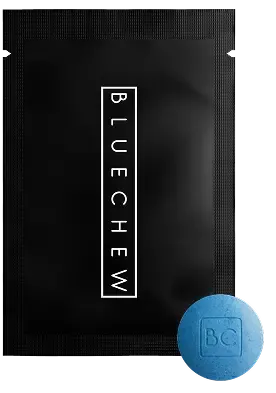
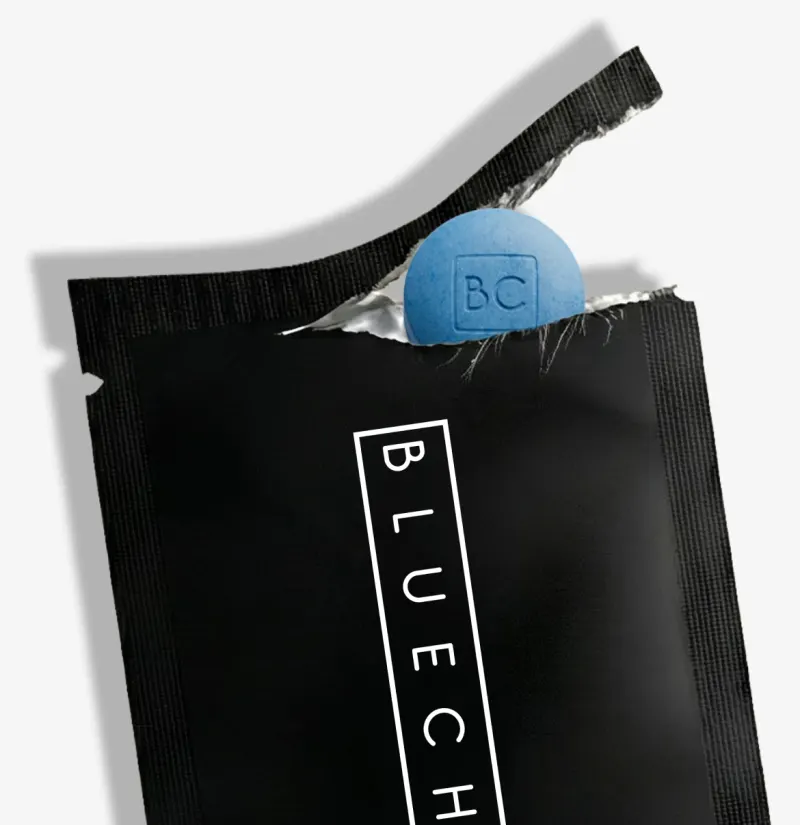
BlueChew provides prescription medications containing the active ingredients sildenafil, vardenafil, and tadalafil. Sildenafil, vardenafil, and tadalafil are the active ingredients in Viagra, Levitra, and Cialis, respectively.
Product Lineup:
- SIL: 30 mg or 45 mg sildenafil, works within 15 minutes, lasting up to 6 hours
- TAD: 6 mg or 9 mg tadalafil, effective within 15 minutes, lasting up to 36 hours
- VAR: 8 mg vardenafil, takes effect within 15 minutes, lasting up to 6 hours
- DailyTAD: 9 mg tadalafil plus 7 essential vitamins, lasting up to 36 hours
- MAX: 45 mg sildenafil + 18 mg tadalafil combo, lasting up to 36 hours
- VMAX: 14 mg vardenafil + 18 mg tadalafil combo, lasting up to 36 hours
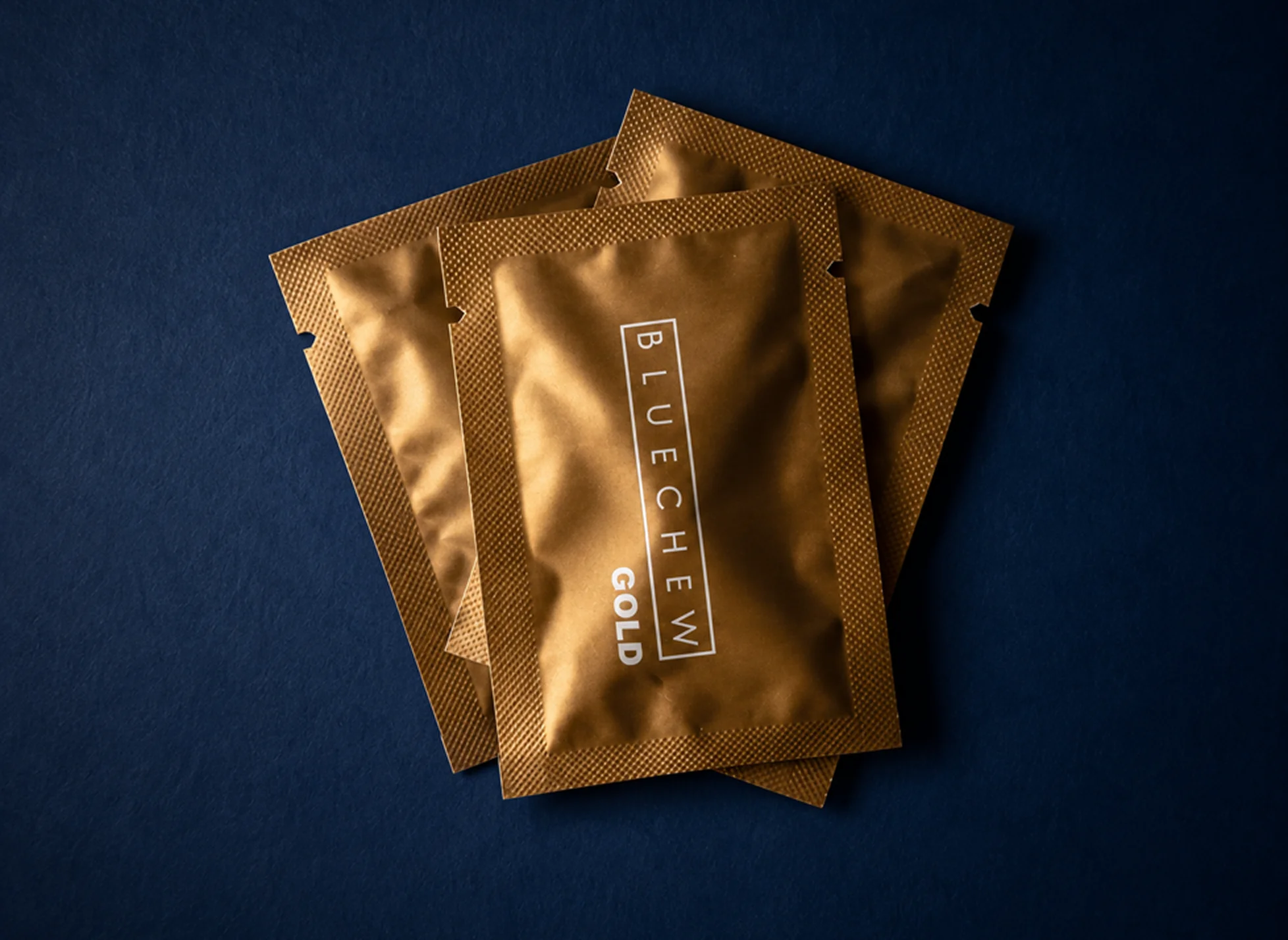
- GOLD: sildenafil, tadalafil, oxytocin, and apomorphine sublingual tablet, lasting up to 36 hours
Research shows sildenafil improves erectile function in many men (typically 60–80%, varying by cause and dose).
TAD delivers tadalafil in sublingual form with effects lasting 24-36 hours, enabling spontaneity without meal restrictions or tight timing windows. This extended duration makes it particularly suitable for men who prefer round-the-clock readiness rather than on-demand use.
MAX combines 45mg sildenafil and 18mg tadalafil in sublingual tablets for men who haven't responded adequately to single-agent therapy.
These prescription options provide reliable solutions when supplements and lifestyle changes don't fully address erectile concerns. BlueChew's telemedicine platform makes accessing these treatments straightforward, with licensed physicians reviewing your health profile and prescribing appropriate medication when medically suitable.
Why Delivery Method Matters for Performance
The format in which you take medication can influence both convenience and effectiveness. Chewable and sublingual formulations offer specific advantages that traditional pills don't provide.
Benefits of Alternative Formulations
About 37–40% of adults report difficulties swallowing tablets or capsules. Chewable tablets can help those who have difficulty swallowing pills, making treatment accessible to those who struggle with traditional tablets.
The pleasant flavoring of chewable and sublingual ED medications also improves the experience, adding an element of discretion and ease.
How BlueChew's Telemedicine Model Works
BlueChew operates through an online telemedicine platform that connects you with licensed medical providers. The process begins with an online intake form covering your medical history and current health status.
A licensed physician reviews your profile and determines whether prescription ED medication is medically appropriate for your situation. If approved, your medication ships directly to your address in discreet packaging.
BlueChew's subscription model offers flexibility—you can modify, pause, or cancel your plan anytime online. Plans range from $30/month to $100/month depending on medication type and quantity, with larger quantities offering per-dose savings.

Frequently Asked Questions
How much lecithin should I take daily to improve sexual performance?
A typical dose of lecithin for sexual health is 1,200–2,400 mg daily. Choose a supplement with at least 20% phosphatidylcholine for best results. Start with 1,200 mg for 6–8 weeks, then increase up to 2,400 mg if needed. Take it in 2–3 doses with meals to improve absorption and reduce digestive side effects.
Can lecithin supplements cause side effects like fishy body odor?
Yes, lecithin can cause a fishy body odor in some people, especially at high doses. This happens when excess choline converts to trimethylamine (TMA), which produces the odor. It’s more common in individuals with a rare condition called trimethylaminuria. Switching to sunflower lecithin or lowering the dose can help. Other mild side effects include stomach upset or bloating, which usually improve once the dose is reduced or stopped.
Does lecithin actually increase semen volume, or is that a myth?
The evidence is mixed. Some men report a noticeable increase in semen volume after taking lecithin for 4–6 weeks, but these are mostly anecdotal claims, not results from clinical studies. Scientifically, it makes sense since phosphatidylcholine—a key component of lecithin—is found in semen and sperm cell membranes. Still, there’s no strong research confirming that supplements directly boost volume. Results can vary depending on your overall health and choline levels.
Is lecithin safe to combine with prescription ED medications like sildenafil or tadalafil?
Lecithin doesn't have documented interactions with PDE5 inhibitors like sildenafil or tadalafil. Since lecithin works through different mechanisms—supporting neurotransmitter production and overall health rather than directly affecting phosphodiesterase enzymes—combining them doesn't create pharmacological conflicts. However, you should inform your healthcare provider about all supplements you're taking, including lecithin.
How long does it take to notice sexual-performance benefits from lecithin supplementation?
It depends on what you’re hoping to improve. Most people who take 1,200–2,400 mg daily report noticing changes in semen volume after about 4–6 weeks of consistent use. Lecithin supports acetylcholine production and overall circulation, so potential effects on erectile function may take 8–12 weeks to show. Results vary depending on your diet and baseline choline levels—those low in choline may notice benefits sooner. Keep in mind, lecithin works gradually and supports sexual health indirectly, unlike fast-acting ED medications.
BLUECHEW EDITORIAL STANDARDS
This article is provided for informational purposes only and does not constitute medical advice. The information presented is not a substitute for professional medical advice, diagnosis, or treatment. Always consult your healthcare provider to discuss the risks, benefits, and appropriateness of any treatment.
BlueChew offers access to healthcare providers who may prescribe compounded medications for the treatment of erectile dysfunction.
The featured products include compounded medications that have not been approved by the FDA. Compounded medications may be prescribed under federal law but are not the same as, nor are they generic versions of, any FDA-approved medication. The FDA does not review compounded medications for safety, effectiveness, or manufacturing quality of compounded products. A prescription will only be written if deemed appropriate after the digital consultation by the licensed medical provider. Individual results may vary.
BlueChew is not a compounding pharmacy but a telemedicine service that links patients to licensed medical providers.
RELATED ARTICLES


Have Better Sex
- 100% online process
- No office visit required
- Discreet shipping, if prescribed
*Prescription products require an online review by a licensed provider. Restrictions apply.

 Medically reviewedEvery article is reviewed by a licensed provider on the BlueChew medical team.