Myth-Free Sex: Ditch Pressure, Keep Pleasure

You're in the moment, but your mind is somewhere else entirely—running through a mental checklist of performance metrics that have nothing to do with actual pleasure. The truth is, most of what we've been taught about "good sex" creates the exact opposite brain state needed for genuine satisfaction. When performance anxiety takes over, stress hormones narrow blood vessels and pull you out of the present moment, making connection nearly impossible.
The science is clear: sexual pleasure releases a powerful cocktail of neurochemicals—dopamine, oxytocin, serotonin, and endorphins—that support bonding, mood, and genuine enjoyment. But here's the catch: your brain needs to release inhibitions for this chemistry to work. Performance pressure activates stress responses that interfere with pleasure. You're essentially fighting your own biology every time you approach intimacy with a checklist instead of curiosity.
Research shows that performance anxiety affects 9-25% of men, creating a frustrating feedback loop where worry leads to dysfunction, which creates more worry. The path forward isn't about trying harder—it's about letting go of myths that never served you in the first place.
Key Takeaways
- Performance anxiety is a major contributing factor to sexual dysfunction for many men—especially those without underlying medical conditions—meaning the pressure itself can create or worsen the problem
- Most "rules" about good sex are myths that undermine pleasure and connection
- Communication is the most modifiable factor for sexual satisfaction according to research
- Mindfulness and presence are evidence-based approaches to better intimacy
- Addressing physical concerns through accessible solutions frees mental energy for emotional connection
Redefining Sexual Wellness: Beyond Performance Metrics
Sexual wellness encompasses far more than physical function. True sexual health includes emotional connection, mutual satisfaction, open communication, and the ability to experience pleasure without shame or pressure.
What Truly Defines Sexual Health?
The World Health Organization defines sexual health as "a state of physical, emotional, mental and social well-being in relation to sexuality"—not simply the absence of dysfunction. This broader view recognizes that satisfying intimacy involves:
Components of genuine sexual wellness:
- Feeling comfortable in your own body
- Communicating desires and boundaries clearly
- Experiencing pleasure as the goal, not performance
- Maintaining emotional connection with partners
- Managing stress and staying present during intimacy
When we reduce sex to mechanical metrics—duration, frequency, or specific physical responses—we miss the entire point. Sexual pleasure benefits your brain and body through neurochemical release, stress reduction, and enhanced bonding. None of these benefits require perfection.
The Role of Mindset in Intimacy
Your mental state directly impacts physical response. Brain imaging research shows that during orgasm, a wide array of brain regions activate simultaneously, including areas involved in emotion, reward, touch, and memory, creating an integrated full-body experience. In other words, you can't think your way to better sex—you have to release the need to control and evaluate.
This is why performance pressure is so counterproductive. Every worried thought activates stress responses that interfere with the relaxation necessary for pleasure. The solution isn't trying harder; it's fundamentally shifting how you approach intimacy.
The Myths Holding You Back
Cultural messages about sex often create unrealistic expectations that undermine actual pleasure. Recognizing these myths is the first step toward letting them go.
Myth 1: Great Sex Should Be Spontaneous
The belief that "real" passion happens without planning is one of the most damaging myths couples face. Research shows that scheduled intimacy can actually reduce anxiety, increase anticipation, and remove "performance on demand" pressure.
Reality: Planning intimate time shows prioritization, not lack of passion. It allows both partners to mentally prepare, creating anticipation that enhances the experience.
Myth 2: Men Are Always Ready
The stereotype that men have constant, unwavering desire creates shame when reality doesn't match. Research confirms that male desire fluctuates based on stress, health, relationship quality, and countless other factors.
Reality: Testosterone levels vary daily. Stress directly impacts arousal. Expecting yourself to be a machine sets you up for disappointment.
Myth 3: Good Sex Means Simultaneous Orgasm
Movies and pornography create the impression that synchronized climax is normal and expected. In reality, research indicates that the majority of women don't orgasm through penetration alone.
Reality: Focusing on mutual pleasure throughout the experience—rather than choreographing a specific ending—leads to greater satisfaction for both partners.
Myth 4: Sexual Satisfaction Declines Over Time
The assumption that passion inevitably fades discourages couples from investing in their intimate lives. However, long-term research finds that couples together for decades can experience optimal sexual satisfaction when they maintain communication and emotional intimacy.
Reality: Long-term couples often develop better communication, deeper intimacy, and reduced inhibition—ingredients for more satisfying sex, not less.
Myth 5: Needing Help Means Something's Wrong
Perhaps the most harmful myth is that successful couples figure things out naturally without assistance. Research confirms that most couples don't naturally develop successful sexual patterns—they communicate, learn, and sometimes seek support.
Reality: Less than 60% of men with ED even discuss it with their partners. Those who seek solutions and communicate openly report significantly better outcomes.
Maximizing Sexual Pleasure: Techniques for Deeper Connection
Moving beyond myths requires practical approaches that enhance pleasure and connection.
Mindfulness-Based Approaches
Systematic reviews of mindfulness interventions show measurable improvements in sexual desire, arousal, and satisfaction. The mechanisms include increased present-moment awareness, reduced ruminative thoughts, and improved body sensation awareness.
Practical mindfulness techniques:
- Body scan practice: Focus attention on physical sensations without judgment—practice during non-sexual moments first
- Sensate focus: Structured touch exercises without the goal of intercourse, building awareness of pleasure itself
- Mindful breathing: Slow, deep breaths activate the parasympathetic nervous system, counteracting stress responses
Research shows mindfulness therapy improved sexual desire with effects sustained at six-month follow-up. This isn't about adding another thing to your to-do list—it's about being more present with what's already happening.
Communication as Connection
Sexual communication is the most modifiable factor for sexual satisfaction. Yet most couples struggle to talk openly about desires, boundaries, and concerns.
Effective communication strategies:
- Use "I" statements: "I'd love to try..." opens exploration; "You never..." creates defensiveness
- Talk outside the bedroom: Discussing desires during non-sexual moments reduces pressure
- Practice active listening: Paraphrase what your partner shares, ask clarifying questions
- Validate feelings: Even if you can't fulfill every request, acknowledging desires builds trust
Couples therapy research shows "large effect sizes" when communication improves—meaning better conversations translate directly to better experiences.
Building Healthy Relationships: Foundations of Trust
Sexual wellness doesn't exist in isolation. It's built on relationship foundations that extend far beyond the bedroom.
The Seven Pillars of Connected Partnership
Strong relationships that support satisfying intimacy typically share these characteristics:
- Trust: Consistent reliability in small and large matters
- Respect: Honoring boundaries, preferences, and autonomy
- Communication: Open, honest exchange without judgment
- Empathy: Understanding your partner's perspective and feelings
- Equality: Balanced power dynamics and mutual investment
- Support: Being present during challenges and celebrations
- Shared growth: Evolving together rather than apart
When these foundations are strong, vulnerability during intimacy feels safe rather than risky. Partners who feel secure can let go of performance monitoring and stay present.
Recognizing What Doesn't Work
Understanding healthy patterns also means recognizing unhealthy ones. Relationships marked by control, criticism, or poor communication create environments where satisfying intimacy struggles to flourish.
Warning signs that undermine connection:
- Lack of respect for boundaries
- Chronic criticism or contempt
- Manipulation or pressure tactics
- Isolation from support systems
- Unwillingness to communicate openly
If these patterns are present, addressing relationship dynamics becomes essential before focusing specifically on sexual wellness.

Performance Pressure and ED: Understanding the Connection
For many men, performance anxiety creates or worsens erectile difficulties—establishing a cycle that feels impossible to break.
The Anxiety-Dysfunction Feedback Loop
Research indicates that stress hormones like epinephrine and norepinephrine narrow blood vessels, reducing blood flow necessary for erection. This physical response to anxiety creates exactly the outcome men fear—which then generates more anxiety.
Breaking the cycle requires:
- Recognizing that psychological factors are primary for many men
- Shifting focus from performance to pleasure
- Addressing physical support when needed to create positive experiences
- Building confidence through successful encounters
When physical concerns are addressed, mental energy previously devoted to worry becomes available for connection and pleasure.
When to Consider Medical Support
Seeking help is a sign of taking your health seriously, not a sign of failure. Medical support can help break the anxiety cycle by improving erectile function for many men, which may reduce worry and make genuine presence easier.
Understanding how PDE5 inhibitors work helps demystify these treatments. These medications support blood flow by blocking an enzyme that limits it, working with your body's natural arousal mechanisms.
Accessible Solutions: Removing Barriers to Care
Traditional paths to ED treatment—scheduling appointments, sitting in waiting rooms, picking up prescriptions publicly—create barriers that prevent many men from seeking help.
The Telemedicine Advantage
Modern telemedicine platforms eliminate friction between recognizing a concern and addressing it. The completely online process from consultation to delivery removes the anxiety-inducing aspects of traditional healthcare that can make already sensitive concerns feel overwhelming.
Benefits of accessible online care:
- No in-person appointments required
- Discreet shipping directly to your address
- Licensed medical provider review ensures appropriateness
- Flexible plans that adapt to your needs
- Privacy throughout the entire process
When accessing treatment feels stress-free, you're more likely to get the support that helps—and less likely to let concerns compound over time.

Beyond the Bedroom: Holistic Sexual Wellness
Sexual health connects to overall physical and mental wellness in ways that extend far beyond intimate moments.
The Mind-Body Connection
Your daily habits directly impact sexual function and desire. Cardiovascular health, stress management, sleep quality, and mental wellness all contribute to sexual vitality.
Lifestyle factors that support sexual wellness:
- Exercise: Improves blood flow, reduces stress, boosts confidence
- Sleep: Adequate rest supports hormone regulation and energy
- Stress management: Chronic stress depletes desire and impairs function
- Nutrition: Balanced diet supports cardiovascular and hormonal health
- Mental health: Addressing anxiety or depression improves all aspects of intimacy
Taking care of your overall health isn't separate from sexual wellness—it's foundational to it.
How BlueChew Supports Myth-Free Intimacy
If performance worries have you in your head instead of present with your partner, BlueChew can help you feel more reliable—so you can focus on connection instead of concern.
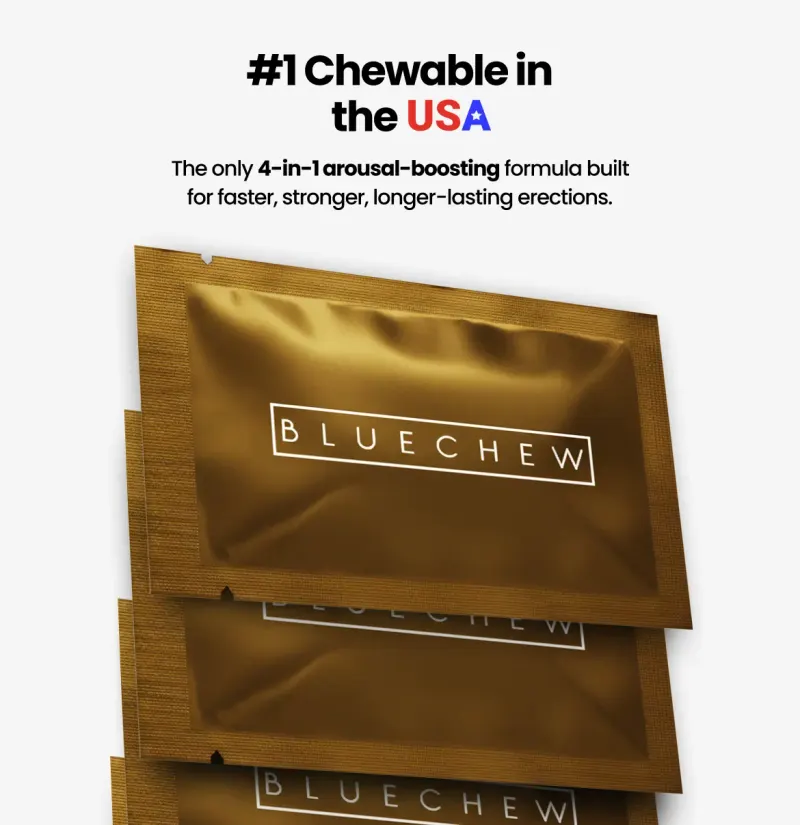
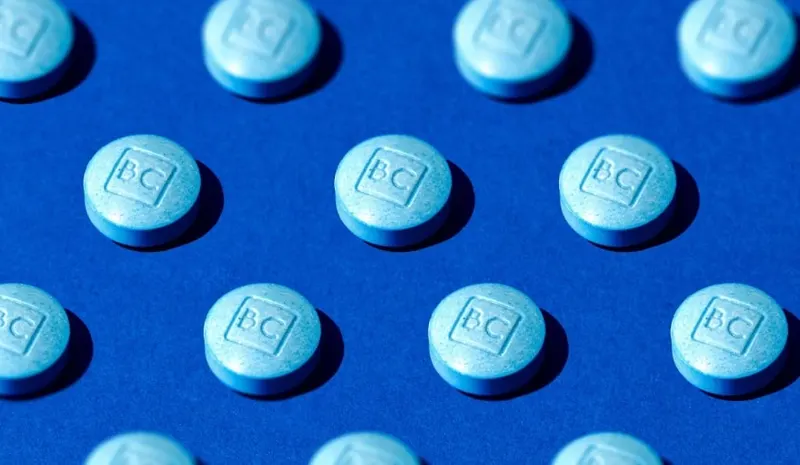
BlueChew provides prescription medications containing the active ingredients sildenafil, vardenafil, and tadalafil. Sildenafil, vardenafil, and tadalafil are the active ingredients in Viagra, Levitra, and Cialis, respectively.
BlueChew's complete lineup includes:
- SIL: 30 mg or 45 mg sildenafil, from $2.95/tablet, works in 15 minutes, lasting up to 6 hours
- TAD: 6 mg or 9 mg tadalafil, from $3.58/tablet, effective within 15 minutes, lasting up to 36 hours
- VAR: 8 mg vardenafil, from $4.34/tablet, takes effect in 15 minutes, lasting up to 6 hours
- DailyTAD: 9 mg tadalafil plus 7 essential vitamins, $2.23/tablet, lasting up to 36 hours
- MAX: 45 mg sildenafil + 18 mg tadalafil combo, $5.63/tablet, lasting up to 36 hours
- VMAX: 14 mg vardenafil + 18 mg tadalafil combo, $5.63/tablet, lasting up to 36 hours
- GOLD: sildenafil, tadalafil, oxytocin, and apomorphine sublingual tablet, from $7.30/tablet, lasting up to 36 hours
The goal isn’t to rely on medication as your only solution—it’s to use treatment to help break the anxiety cycle that prevents genuine connection and to build confidence over time. When physical confidence is handled, you can show up fully present, focused on pleasure rather than performance.

Frequently Asked Questions
What does "myth-free sex" actually mean?
Myth-free sex means approaching intimacy without the unrealistic expectations created by cultural messages, pornography, or outdated beliefs. It's sex focused on pleasure, connection, and mutual enjoyment rather than performance metrics that have nothing to do with actual satisfaction.
How can I improve communication with my partner about sexual desires?
Start conversations outside the bedroom when there's no pressure. Use "I" statements to express desires without criticism. Practice active listening by reflecting what your partner shares. Remember that communication research shows talking openly is the single most modifiable factor for sexual satisfaction.
When should I consider seeking medical advice for performance concerns?
Consider seeking support when concerns persist, create relationship strain, or cause significant distress. If you're avoiding intimacy due to worry about physical response, that's a clear signal. Remember that less than 60% of men discuss ED with partners—breaking that silence is the first step toward solutions.
How does telemedicine make accessing ED treatment easier?
Telemedicine eliminates barriers like scheduling in-person appointments, sitting in waiting rooms, and publicly picking up prescriptions. The completely online process from consultation to discreet delivery makes addressing sensitive concerns feel manageable rather than overwhelming.
Are there lifestyle changes that can enhance sexual health?
Absolutely. Regular exercise improves blood flow and confidence. Quality sleep supports hormone regulation. Stress management through mindfulness or other practices directly benefits sexual function. Maintaining cardiovascular health is particularly important since the systems supporting erection depend on healthy blood flow.
This article is provided for informational purposes only and does not constitute medical advice. The information presented is not a substitute for professional medical advice, diagnosis, or treatment. Always consult your healthcare provider to discuss the risks, benefits, and appropriateness of any treatment.
BlueChew offers access to healthcare providers who may prescribe compounded medications for the treatment of erectile dysfunction.
The featured products include compounded medications that have not been approved by the FDA. Compounded medications may be prescribed under federal law but are not the same as, nor are they generic versions of, any FDA-approved medication. The FDA does not review compounded medications for safety, effectiveness, or manufacturing quality of compounded products. A prescription will only be written if deemed appropriate after the digital consultation by the licensed medical provider. Individual results may vary.
Other Helpful Articles