Key Takeaways
Key Takeaways
SEX9 minute read
How to Reset Your Brain From Porn-Induced ED

You may notice that erections feel more reliable with pornography than with a real partner. That can feel confusing, especially when attraction and desire are still there. This pattern is sometimes called porn-induced erectile dysfunction, or PIED, but it is not an official medical diagnosis.
A “brain reset” is best understood as a practical metaphor, not a guaranteed medical protocol. Research on pornography and sexual function is mixed, and pornography should not be treated as the only possible cause of erectile difficulties. ED can also involve stress, anxiety, relationship pressure, sleep, alcohol use, cardiovascular health, medications, hormones, or other medical factors.
Still, if pornography has become your main source of sexual stimulation, reducing or stopping porn use for a period of time may help you better understand your arousal patterns. This guide explains how to approach that process, when to seek professional help, and how prescription support from BlueChew may fit into a broader ED plan.
Key Takeaways
- Porn-induced ED is a commonly used term, but it is not an official medical diagnosis.
- A “brain reset” is a helpful metaphor for changing habits and arousal patterns, not a guaranteed 90-day medical protocol.
- Some men report improvement after reducing or stopping pornography use, but recovery timelines vary.
- Temporary changes in libido can happen after changing porn habits, but they are not the same for everyone.
- ED can involve physical, psychological, behavioral, and relationship-related contributors.
- BlueChew offers prescription compounded medications for ED and sexual performance enhancement after an online provider review.
Understanding Porn-Induced ED: What Is It and Why Does It Happen?
Porn-induced ED is a term some people use when erections are easier during pornography use but more difficult during partnered intimacy. It can be helpful as a way to describe a pattern, but it should not replace a medical evaluation or be treated as a confirmed diagnosis.
A More Balanced Way to Think About Arousal
Researchers have proposed that frequent or compulsive pornography use may affect reward, novelty, and arousal expectations in some people. Pornography can offer high novelty, visual intensity, and quick access, which may make real-life intimacy feel less immediately stimulating for some men.
However, this does not mean pornography affects everyone the same way. Some people watch porn without developing ED, and some people experience ED for reasons unrelated to pornography.
Possible porn-related arousal patterns include:
- Erections are easier with pornography than with a partner
- Porn use has increased in frequency, intensity, or time spent
- Real-life intimacy feels less stimulating than solo porn use
- You rely on pornographic thoughts to stay aroused during sex
- You choose pornography over partnered intimacy even when it creates distress
- You have difficulty reaching orgasm with a partner but not with pornography
Research on problematic pornography use patterns has described sexual-function concerns among some people who self-identify as having problematic pornography use. That kind of research can help explain reported patterns, but it should not be read as proof that pornography directly causes ED for everyone.
 Reviewed by a licensed provider
 Recognizing the Signs: Is Porn Affecting Your Erections?
Porn-related arousal issues can look different from other forms of ED because they may be context-specific. A person may have erections in one situation but struggle in another.
Common signs may include:
- Achieving erections more easily with pornography than with a partner
- Needing increasingly novel or intense content to feel aroused
- Feeling less responsive to real-life sexual touch
- Delayed ejaculation or difficulty finishing during partnered sex
- Avoiding partnered intimacy because of worry about performance
- Feeling anxious, distracted, or disconnected during sex
- Still having morning erections, though this can vary from person to person
Morning erections can be one helpful clue, but they are not a definitive self-test. Sleep, stress, alcohol, medications, and overall health can all affect them. If ED symptoms continue, a healthcare provider can help evaluate what may be contributing.
How to Approach a “Brain Reset” Without Overpromising
Online recovery communities often describe a “90-day reset” or “dopamine detox.” These phrases can be useful shorthand, but they are not formal medical protocols. There is no guaranteed timeline that applies to everyone.
A more balanced approach is to reduce or stop pornography use for a period of time and track how your body, mood, urges, and partnered arousal respond.
Step 1: Reduce Access to Porn Triggers
Start by making the habit harder to repeat automatically:
- Delete saved pornographic content
- Use content blockers if they help you stay consistent
- Keep your phone out of the bedroom
- Avoid scrolling when you are tired, stressed, bored, or alone
- Remove accounts, apps, or websites that trigger compulsive use
- Identify your highest-risk times of day
The goal is not to rely on willpower alone. It is to make the healthier choice easier.
Step 2: Replace the Habit With Healthier Routines
When you remove a habit, it helps to replace it with something practical:
- Exercise or take a walk when urges build
- Call or message someone instead of isolating
- Practice slow breathing or mindfulness
- Journal what triggered the urge
- Spend more time in real-life social settings
- Build a more consistent sleep routine
Some people find that urges become easier to manage when they understand what usually comes before them, such as stress, loneliness, boredom, or conflict.
Step 3: Track Patterns Instead of Counting Perfect Days
Progress is not always linear. Rather than focusing only on streaks, track broader patterns:
- Are urges less frequent?
- Are triggers easier to identify?
- Are you sleeping better?
- Are you feeling more present with a partner?
- Is anxiety during intimacy decreasing?
- Are ED symptoms improving, worsening, or staying the same?
This gives you a clearer picture of whether reducing pornography is helping or whether other support may be needed.
Temporary Libido Changes Can Happen
Some people report temporary changes in libido after reducing or stopping pornography use. Others do not. Experiences vary widely, and there is no single “flatline” phase that everyone should expect.
If your libido drops for a short period, try not to panic or “test” yourself with porn. Focus on sleep, stress management, real-life connection, and daily routines. But if low libido, mood changes, or ED symptoms continue or worsen, it is worth speaking with a healthcare provider.
Beyond Porn: Supporting Erectile Function More Broadly
Pornography may be one factor, but erectile function is tied to overall health. Supporting your body and mind can help whether ED is porn-related, stress-related, physical, or mixed.
Helpful foundations include:
- Regular physical activity
- Heart-supportive eating habits
- Quality sleep
- Alcohol moderation
- Stress management
- Not smoking
- Addressing anxiety or depression
- Open communication with your partner
Rebuilding Partnered Intimacy
If porn use has become your main sexual outlet, partnered intimacy may feel unfamiliar or pressure-filled at first. The goal is to make sex feel less like a test.
Helpful strategies include:
- Spending more time on non-sexual closeness
- Focusing on kissing, touch, and foreplay
- Taking penetrative sex off the table temporarily if pressure is high
- Paying attention to physical sensations instead of monitoring erection quality
- Talking honestly with your partner outside the bedroom
- Reassuring your partner that the issue is not about attraction
You might say:
“I’ve noticed that I feel pressure during sex, and I want to slow things down. I’m working on changing some habits and focusing more on connection with you.”
When to Seek Professional Help
It is smart to rule out physical causes before assuming porn is the main issue. A clinical erectile dysfunction guideline recommends that men with ED receive a medical, sexual, and psychosocial history. That kind of evaluation can help identify physical, psychological, medication-related, or relationship-related contributors.
Consider professional help if:
- ED continues or worsens over time
- You rarely or never have morning erections
- ED happens across most situations, not only partnered sex
- You have pain, penile changes, or urinary symptoms
- You recently started or changed medication
- Porn use feels compulsive or difficult to control
- Depression, anxiety, trauma, or relationship strain may be involved
- Attempts to reduce porn use repeatedly feel unsuccessful
Professional support may include:
- Medical evaluation
- Cognitive behavioral therapy
- Sex therapy
- Couples counseling
- Support for anxiety or depression
- Provider-guided ED treatment
Exploring Medical Support: How BlueChew May Fit In
PDE5 inhibitors such as sildenafil, tadalafil, and vardenafil may help support erectile response for some men when prescribed by a licensed provider. These medications do not reset porn-related arousal patterns or treat performance anxiety directly, but they may be one part of a broader ED plan.
For some men with ED symptoms, prescription treatment may help support erectile response while they also address behavioral, psychological, or relationship factors.
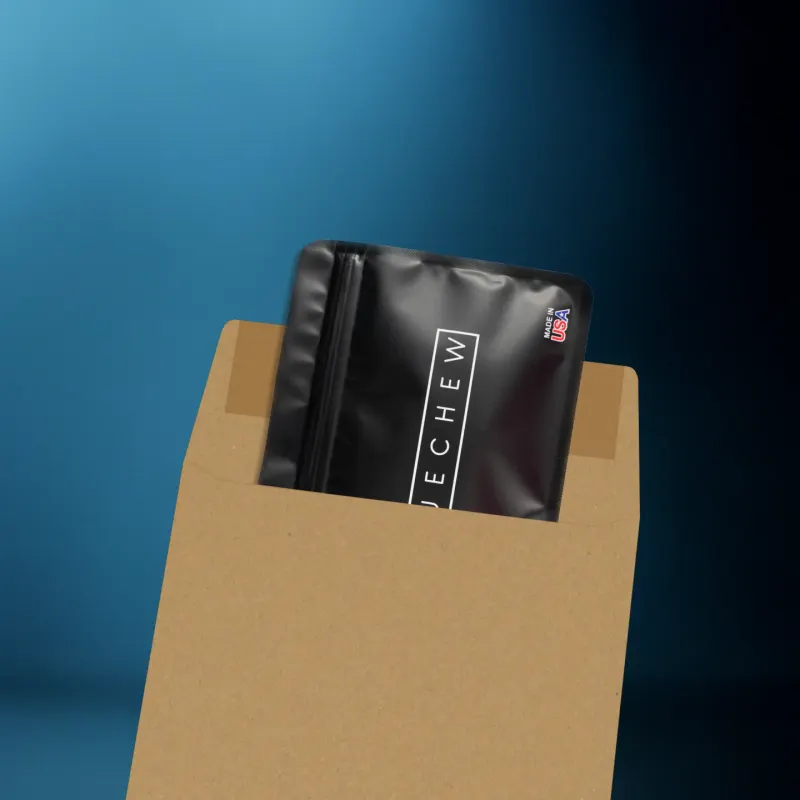
BlueChew provides prescription compounded medications containing the active ingredients sildenafil, vardenafil, and tadalafil. Sildenafil, vardenafil, and tadalafil are the active ingredients in Viagra, Levitra, and Cialis, respectively. BlueChew’s products are compounded medications, not generics, and compounded medications are not FDA-approved.
Where GOLD Fits In
BlueChew GOLD is a sublingual tablet containing sildenafil, tadalafil, oxytocin, and apomorphine. A licensed provider can determine whether GOLD or MAX is appropriate based on your health history and needs.
If pornography use, anxiety, or relationship pressure is part of the issue, medication alone may not address the full picture. Behavioral changes, communication, therapy, and medical guidance may also help.
BlueChew’s Complete Product Lineup Includes:
- SIL: 45 mg sildenafil, works within 15 minutes, lasting up to 6 hours
- TAD: 9 mg tadalafil, effective within 15 minutes, lasting up to 36 hours
- VAR: 8 mg vardenafil, takes effect within 15 minutes, lasting up to 6 hours
- DailyTAD: 9 mg tadalafil plus 7 essential vitamins, lasting up to 36 hours
- MAX: 45 mg sildenafil + 18 mg tadalafil combo, lasting up to 36 hours
- VMAX: 14 mg vardenafil + 18 mg tadalafil combo, lasting up to 36 hours
- GOLD: sildenafil, tadalafil, oxytocin, and apomorphine sublingual tablet, lasting up to 36 hours
BlueChew’s online process lets eligible users complete a consultation and provider review online, with discreet delivery if prescribed. You can learn more about understanding BlueChew or how to create and manage your BlueChew account.

Frequently Asked Questions
Is a “brain reset” from porn a real medical term?
No. A “brain reset” is a common phrase people use to describe changing porn habits and rebuilding arousal patterns, but it is not a formal medical term. A more accurate goal is to reduce compulsive patterns, lower performance pressure, and pay attention to whether real-life arousal improves over time.
What should I track if I think porn affects my erections?
Track patterns instead of judging one isolated experience. Note when ED happens, whether morning erections are present, how often you use porn, what triggers urges, how stress and sleep are affecting you, and whether partnered intimacy feels easier after reducing porn use.
Should I stop porn completely or reduce it gradually?
That depends on your pattern. Some men prefer a complete break because it removes the trigger more clearly. Others start by reducing frequency or blocking the highest-risk content. If porn use feels compulsive or difficult to control, professional support may help.
Can BlueChew reset porn-related arousal patterns?
No. BlueChew does not reset porn-related arousal patterns or treat porn habits directly. BlueChew offers prescription compounded medications that may support erectile response when prescribed by a licensed provider. Behavioral changes, therapy, communication, and medical evaluation may also be important.
When should I get a medical evaluation instead of self-treating?
Get medical evaluation if ED continues, worsens, happens across most situations, or comes with pain, urinary symptoms, low libido, mood changes, medication changes, or absent morning erections. It is also worth seeking help if porn use feels compulsive or is affecting your relationship.
This article is provided for informational purposes only and does not constitute medical advice. The information presented is not a substitute for professional medical advice, diagnosis, or treatment. Always consult your healthcare provider to discuss the risks, benefits, and appropriateness of any treatment.
BlueChew offers access to healthcare providers who may prescribe compounded medications for the treatment of erectile dysfunction.
The featured products include compounded medications that have not been approved by the FDA. Compounded medications may be prescribed under federal law but are not the same as, nor are they generic versions of, any FDA-approved medication. The FDA does not review compounded medications for safety, effectiveness, or manufacturing quality of compounded products. A prescription will only be written if deemed appropriate after the digital consultation by the licensed medical provider. Individual results may vary.
BlueChew is not a compounding pharmacy but a telemedicine service that links patients to licensed medical providers.
BLUECHEW EDITORIAL STANDARDS
BlueChew is committed to providing accurate, clear, and up-to-date health information. Our writers and medical reviewers rely on peer-reviewed research, clinical guidelines, academic institutions, government health agencies, and professional medical organizations. Whenever possible, we cite primary sources and update our content as new evidence becomes available.
See something that needs correction? Let us know at blog@bluechew.com.


 Medically reviewed