How Retirement Affects Your Sex Life and What to Do About It

Retirement can change daily routines, relationship dynamics, and the way couples spend time together. For some people, more time at home creates room for closeness. For others, the transition brings stress, health changes, medication adjustments, or new expectations that can affect intimacy.
Sexual health can also shift during later life. A study on later-life sexuality found that many older adults remain interested in sex and intimacy, while health status and relationship factors can influence sexual activity and satisfaction.
If erectile dysfunction, lower desire, or reduced intimacy becomes part of retirement, it does not have to be treated as a personal failure. The next step is to understand what may be contributing, talk openly with your partner, and consider medical support when appropriate.
Key Takeaways
- Retirement can affect intimacy through changes in routine, stress, health, medication use, and relationship expectations.
- ED becomes more common with age, but it can involve physical, psychological, medication-related, and relationship-related factors.
- Open communication can help couples avoid turning sexual changes into shame, blame, or avoidance.
- Exercise, sleep, medication review, and stress management may support overall sexual wellness.
- If erectile function or sexual performance concerns are part of the issue, BlueChew may be worth discussing with a licensed provider.

Navigating Intimacy After Retirement
Retirement often changes the rhythm of a relationship. Couples who once spent much of the day apart may suddenly share more time, more household decisions, and more unstructured hours. That can be positive, but it can also expose issues that were easier to avoid during working years.
Sex may also feel different after retirement. Some couples feel more relaxed because they have fewer work demands. Others may feel more pressure because they expected intimacy to improve automatically once schedules opened up.
A helpful first step is to remove the assumption that retirement should instantly make sex easier. Intimacy often needs the same adjustment period as finances, routines, social life, and identity after leaving the workforce.
Emotional Shifts During Post-Work Life
Retirement can affect confidence, mood, and sense of purpose. Work may have provided structure, social contact, and a feeling of usefulness. When that changes, some people feel more available for connection, while others feel unsettled or less like themselves.
These emotional changes can influence desire and sexual confidence. If one partner is adjusting well and the other is struggling, the mismatch can also create tension.
Instead of treating changes in intimacy as proof that something is wrong with the relationship, couples can treat them as part of the larger transition into a new stage of life.
Communication as a Starting Point
Sexual changes are easier to manage when both partners can talk about them without blame. That does not mean every conversation has to be long or serious. It means creating enough safety to say what has changed, what feels uncomfortable, and what kind of support would help.
You might start with:
“I’ve noticed our intimacy feels different lately, and I don’t want us to avoid it. I’d like us to talk about what feels good, what feels stressful, and what we can adjust together.”
For many couples, the goal is not to return to the exact same sex life they had years ago. It is to build a version of intimacy that fits their current bodies, health, energy, and relationship.

Physical Changes That Can Affect Sex in Retirement
Sexual function can change with age, but aging alone does not explain every change. Health conditions, medications, mood, sleep, alcohol use, cardiovascular health, hormone changes, and relationship stress can all play a role.
Common Factors That May Affect Sexual Function
Erectile dysfunction can involve several overlapping factors. A review of ED in aging men discusses how age-related health conditions and vascular changes can contribute to erectile difficulties.
Common contributors may include:
- Cardiovascular conditions that affect blood flow
- Diabetes or metabolic disorders
- Hormonal changes
- Certain medications
- Smoking or alcohol use
- Sleep problems
- Anxiety, depression, or stress
- Relationship concerns
- Reduced physical activity
For women, menopause-related changes may also affect comfort, desire, lubrication, and arousal. If either partner is experiencing pain, dryness, loss of desire, erection changes, or orgasm changes, those concerns are worth discussing with a healthcare provider.
ED Is Not Just a “Getting Older” Issue
ED becomes more common with age, but it should not be dismissed as something a person simply has to accept. It can be a sign of changes in blood flow, medication side effects, stress, or another health issue that deserves attention.
That matters because ED can affect both partners. Research on partner sexual impact has described how erectile difficulties can influence intimacy, communication, and sexual satisfaction within couples.
A provider can help evaluate whether ED may be related to health conditions, medication use, lifestyle factors, or psychological stress. That evaluation can make it easier to choose support that fits the actual cause or contributing factors.
Rebuilding Intimacy Without Pressure
Some couples approach retirement with the expectation that sex should become easier because there is more time. But more time does not always mean less pressure. If sex has been difficult, having more opportunities can sometimes make the issue feel more visible.
A lower-pressure approach can help. Instead of treating sex as a test of attraction, performance, or relationship health, couples can focus on closeness and curiosity.
Ways to Support Connection
Couples may find it helpful to:
- Talk about expectations before frustration builds
- Set aside time for affection without assuming it has to lead to sex
- Explore touch, kissing, massage, or cuddling
- Plan intimacy when energy levels are higher
- Avoid making penetration or orgasm the only goal
- Discuss health concerns before they become a source of avoidance
These steps do not replace medical care when ED or other sexual symptoms persist. They can, however, make it easier to stay connected while looking for answers.
When to Ask for Help
If sexual changes are causing distress, avoidance, relationship strain, or loss of confidence, it may be time to speak with a healthcare provider. This is especially important if ED appears suddenly, worsens over time, or happens alongside chest pain, shortness of breath, fatigue, depression, or medication changes.
A provider may review cardiovascular health, hormone-related concerns, medication use, mental health, and other factors. Couples therapy or sex therapy may also help when communication, anxiety, or avoidance is part of the issue.

Lifestyle Factors That May Support Sexual Wellness
Lifestyle changes are not a guaranteed solution for ED or low libido, but they may support the systems involved in sexual health. This includes circulation, sleep, energy, mood, and stress response.
Movement and Exercise
Regular physical activity can support cardiovascular health, energy, and blood flow. Research on exercise and erections has studied the relationship between physical activity and erectile function.
This does not require an intense routine. Walking, swimming, cycling, resistance training, stretching, or any sustainable movement can be a starting point. If you have a heart condition, joint pain, or have not exercised in a while, ask a healthcare provider what level of activity is appropriate.
Sleep, Alcohol, and Stress
Poor sleep can affect energy, mood, and desire. Alcohol may also affect erectile function, arousal, and sleep quality for some people. Stress can make it harder to feel relaxed and present during intimacy.
Helpful changes may include keeping a consistent sleep schedule, reducing alcohol intake, creating wind-down routines, and using stress-management strategies such as breathing exercises, therapy, journaling, or regular walks.
Medication Review
Some prescriptions can affect sexual function. Do not stop or change medication on your own, but do bring sexual side effects up with your healthcare provider.
A medication review can help identify whether a current prescription, dose, timing, or combination may be contributing. In some cases, a provider may suggest an adjustment, alternative medication, or additional support.
Telehealth and Sexual Health Support
Some people avoid asking about ED because the conversation feels uncomfortable. Telehealth can make it easier to start that conversation from home, especially for people who prefer privacy or have limited time for in-person appointments.
Online care does not remove the need for medical review. A licensed provider still needs to evaluate health history, medications, and risk factors before deciding whether prescription treatment is appropriate.
For retirees, telehealth may also reduce logistical barriers. The process can fit around travel, caregiving, appointments, or other routines that shape post-work life.

How BlueChew Can Fit Into Retirement Sexual Health
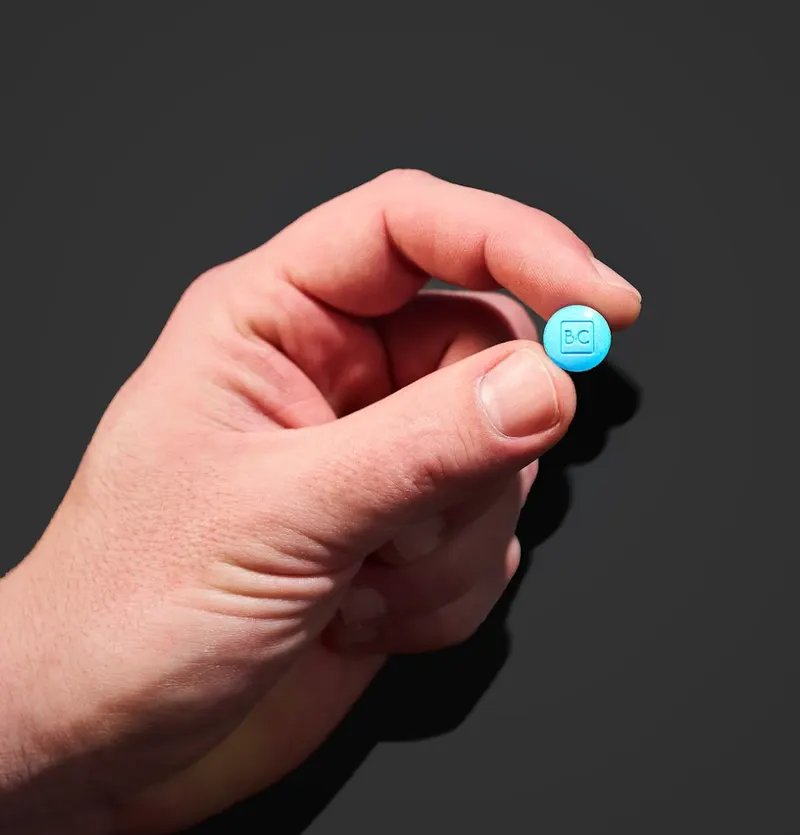
BlueChew offers access to licensed healthcare providers who may prescribe compounded medications for erectile dysfunction and sexual performance enhancement after an online provider review.
For someone navigating intimacy changes after retirement, BlueChew may be useful when erectile function or sexual performance concerns are part of the issue. The online intake gives a licensed medical provider information about health history and current medications before determining whether a prescription plan is appropriate.
You can learn more about the online provider review process.
BlueChew Product Options
- SIL: 30 mg or 45 mg sildenafil, from $2.95/tablet, works in 15 minutes, lasting up to 6 hours
- TAD: 6 mg or 9 mg tadalafil, from $3.58/tablet, effective within 15 minutes, lasting up to 36 hours
- VAR: 8 mg vardenafil, from $4.34/tablet, takes effect in 15 minutes, lasting up to 6 hours
- DailyTAD: 9 mg tadalafil plus 7 essential vitamins, $2.23/tablet, lasting up to 36 hours
- MAX: 45 mg sildenafil + 18 mg tadalafil combo, $5.63/tablet, lasting up to 36 hours
- VMAX: 14 mg vardenafil + 18 mg tadalafil combo, $5.63/tablet, lasting up to 36 hours
- GOLD: sildenafil, tadalafil, oxytocin, and apomorphine sublingual tablet, from $7.30/tablet, lasting up to 36 hours
SIL, VAR, TAD, MAX, VMAX, and GOLD are available as sublingual tablets. DailyTAD comes in a chewable tablet.

Frequently Asked Questions
Can retirement affect a couple’s sex life?
Yes. Retirement can change routines, stress levels, privacy, energy, and relationship dynamics, all of which may affect intimacy. Sexual changes during this stage can also involve health conditions, medications, hormonal changes, or erectile dysfunction. If the change is causing distress or avoidance, it may be worth discussing with a healthcare provider.
Is ED a normal part of getting older?
ED becomes more common with age, but it should not be dismissed as unavoidable. It can involve blood flow, medication use, chronic health conditions, stress, mood, or relationship factors. A healthcare provider can help evaluate what may be contributing and whether treatment is appropriate.
How can couples talk about ED after retirement?
It helps to talk outside of an intimate moment, when both partners feel calmer. Keep the conversation focused on support rather than blame, and acknowledge that ED can involve health, stress, and relationship factors. Couples can also discuss what kinds of closeness feel good while they explore medical or lifestyle support.
Which BlueChew option may fit retirement needs?
The right option depends on the patient’s health history, current medications, treatment goals, and licensed provider review. Some options are designed with a shorter duration window, while others may offer a longer window for flexibility. A provider can determine what may be appropriate after reviewing the online intake.
How do I get started with BlueChew?
Start by selecting a plan and completing the online intake. A licensed medical provider reviews your information and determines whether a prescription treatment plan is appropriate. If prescribed, the treatment plan can be shipped directly to your door.
This article is provided for informational purposes only and does not constitute medical advice. The information presented is not a substitute for professional medical advice, diagnosis, or treatment. Always consult your healthcare provider to discuss the risks, benefits, and appropriateness of any treatment.
BlueChew offers access to healthcare providers who may prescribe compounded medications for the treatment of erectile dysfunction.
The featured products include compounded medications that have not been approved by the FDA. Compounded medications may be prescribed under federal law but are not the same as, nor are they generic versions of, any FDA-approved medication. The FDA does not review compounded medications for safety, effectiveness, or manufacturing quality of compounded products. A prescription will only be written if deemed appropriate after the digital consultation by the licensed medical provider. Individual results may vary.
BlueChew is not a compounding pharmacy but a telemedicine service that links patients to licensed medical providers.
Other Helpful Articles