ED After Weight Loss Surgery: What Changes and What Doesn't
Weight loss surgery can lead to major changes in health, body weight, confidence, and daily routines. For some men, erectile function may improve after bariatric surgery. For others, ED may persist because erections can involve blood flow, nerve function, medications, hormones, stress, and long-term metabolic health.
A meta-analysis on bariatric surgery and ED found improvements in erectile function after surgery, but the results do not mean surgery resolves ED for everyone. That is an important distinction for men who are preparing for weight loss surgery, recovering from it, or wondering why sexual function has not changed as much as expected.
If erectile dysfunction remains part of the picture after weight loss surgery, the next step is not to assume the surgery failed. It may be time to review possible contributors with a licensed healthcare provider and consider whether prescription ED treatment is appropriate.
Key Takeaways
- Weight loss surgery may improve erectile function for some men, but ED does not always fully resolve after bariatric surgery.
- Obesity, metabolic health, blood flow, hormone changes, medications, and psychological stress can all contribute to ED.
- Sexual function may change gradually after surgery, and improvement may not follow the same timeline as weight loss.
- Men who have had bariatric surgery should tell their provider about their surgical history before using ED medication.
- If erectile function or sexual performance concerns remain after weight loss surgery, BlueChew may be worth discussing with a licensed provider.

Understanding ED After Weight Loss Surgery
Erectile dysfunction is the difficulty getting or keeping an erection firm enough for sex. It can be temporary, recurring, or ongoing. It can also involve more than one contributing factor at the same time.
Weight loss surgery may improve several health factors that are relevant to sexual function. These may include weight, blood pressure, insulin sensitivity, inflammation, physical comfort, and self-confidence. But ED is not always caused by weight alone, which is why some men continue to experience symptoms even after meaningful weight loss.
A better question is not, “Should surgery have fixed this?” It is, “What factors may still be affecting erectile function now?”
Why ED Can Improve After Bariatric Surgery
Bariatric surgery can support weight loss and metabolic changes that may help erectile function. Research on sexual function after surgery has reported improvements in erectile function scores after bariatric procedures.
Possible reasons include:
- Improved vascular health
- Better insulin sensitivity
- Reduced inflammatory burden
- Changes in hormone levels
- Improved energy and mobility
- Increased body confidence
- Reduced pressure from weight-related health concerns
These changes may make sexual function easier for some men. Still, improvement is not guaranteed, and results can vary depending on age, baseline health, type of surgery, medications, and how long ED has been present.
Why ED May Continue After Weight Loss
ED may continue after weight loss surgery when other factors are still present. Long-standing diabetes, cardiovascular disease, nerve injury, medication side effects, stress, depression, anxiety, or relationship strain may continue to affect erections.
Some men may also need time to adjust emotionally after major weight loss. Body changes, recovery, food restrictions, changing routines, and new expectations can all affect sexual confidence.
For this reason, persistent ED after bariatric surgery should be treated as a medical concern worth evaluating, not as a failure of willpower or a sign that weight loss “did not work.”

The Link Between Obesity, Metabolic Health, and ED
Obesity and ED are connected through several possible pathways. Research on central obesity and ED has discussed relationships among abdominal obesity, metabolic health, testosterone, vascular function, and erectile dysfunction.
This does not mean every man with obesity will have ED or that weight loss will automatically resolve ED. It means body weight and metabolic health may be part of the larger clinical picture.
Blood Flow and Vascular Health
Erections depend on healthy blood flow. When blood vessels do not relax and respond normally, it can become harder to get or maintain an erection.
Obesity is often associated with cardiovascular risk factors such as high blood pressure, diabetes, dyslipidemia, and inflammation. These issues may affect the vascular systems involved in erections.
Weight loss surgery may improve some of these risk factors. However, if vascular changes have been present for years, erectile function may not fully return without additional support.
Hormones and Metabolic Changes
Weight and metabolic health may also affect hormones involved in sexual function. Testosterone, insulin, leptin, and sex hormone-binding globulin can shift after major weight loss.
A systematic review and meta-analysis on gonadal hormone changes examined obesity-associated gonadal dysfunction and its resolution after bariatric surgery. These hormone-related changes may help explain why some men notice improvement, while others experience only partial change.
Hormones are only one part of erectile function. Blood flow, nerve signaling, medications, sleep, mood, and relationship context may still matter even when weight and some lab markers improve.
What Weight Loss Surgery Can Change
Bariatric surgery includes procedures that reduce stomach capacity, change digestion, or affect how the body processes food. Common procedures include sleeve gastrectomy, Roux-en-Y gastric bypass, and other bariatric approaches.
The specific procedure matters because different surgeries can affect digestion, medication absorption, nutrient levels, and follow-up needs in different ways.
Potential Health Improvements
Weight loss surgery may help improve several health factors that can overlap with ED risk. These may include:
- Blood sugar control
- Blood pressure
- Mobility
- Inflammation
- Sleep apnea symptoms
- Cardiovascular risk factors
- Confidence and body image
These changes can support overall health and may indirectly support sexual function. But ED should still be evaluated on its own if symptoms continue.
Potential Recovery Challenges
The months after bariatric surgery can also bring new challenges. Recovery may involve fatigue, dietary restrictions, nausea, body-image changes, medication adjustments, or nutritional deficiencies.
Some men may feel more hopeful about sex but physically tired during recovery. Others may expect immediate improvement and feel discouraged when erectile function changes slowly.
A realistic recovery plan leaves room for both progress and uncertainty. Sexual health may improve, but it may not move at the same pace as weight loss.

What Weight Loss Surgery May Not Change
Weight loss surgery can improve several ED-related contributors, but it may not reverse every factor that affects erectile function. This is especially true when ED has been present for a long time or when other medical conditions are involved.
Long-Standing Vascular or Nerve Issues
If ED is related to long-standing vascular disease, diabetes-related nerve damage, or other chronic conditions, weight loss may not fully resolve the problem. Better metabolic health can still be valuable, but some changes may need additional medical support.
Men with diabetes, cardiovascular disease, high blood pressure, or a history of pelvic surgery should tell their provider when discussing ED treatment. These details may affect what treatment is appropriate.
Medication Effects
Some medications can contribute to sexual side effects. These may include certain antidepressants, blood pressure medications, or other prescriptions, depending on the person.
Do not stop or change medication without a provider’s guidance. A medication review can help determine whether a current prescription, dose, timing, or combination may be playing a role.
Psychological and Relationship Factors
ED can also be affected by stress, anxiety, depression, body image, performance pressure, and relationship dynamics. After major weight loss, some men feel more confident, while others need time to adjust to how their body and relationship feel.
Talking openly with a partner can help reduce pressure. It may also help to frame ED as a health issue the couple can address together, rather than a personal flaw.
ED Medication After Bariatric Surgery
Prescription ED medication may be appropriate for some men after bariatric surgery, but provider review is important. Surgical history, current medications, cardiovascular health, and procedure type can all matter.
PDE5 Inhibitors and ED
Sildenafil, tadalafil, and vardenafil are part of a medication class called PDE5 inhibitors. Research on PDE5 inhibitor therapy has reviewed these medications as treatment options for erectile dysfunction.
These medications still require sexual stimulation, and results vary. They should not be taken more often than prescribed or combined with other ED medications unless a provider specifically instructs you to do so.
Why Surgical History Matters
Bariatric surgery can change the digestive environment. That may matter for certain oral medications, especially after procedures that alter stomach size, acidity, or intestinal anatomy.
A research article on tadalafil after bariatric surgery found that simulated tadalafil exposure may differ after gastric bypass compared with sleeve gastrectomy. This does not mean tadalafil is inappropriate after surgery, but it does show why bariatric history should be discussed with a provider.
If you had weight loss surgery, tell your provider which procedure you had, when it happened, and whether you have had absorption issues, nutritional deficiencies, or medication changes since then.
Lifestyle Factors That Still Matter After Surgery
Weight loss surgery is not the end of sexual health care. Lifestyle factors may continue to affect energy, cardiovascular health, mood, and erectile function.
Movement and Exercise
Regular physical activity may support cardiovascular health, weight maintenance, energy, and overall recovery after bariatric surgery. Because erectile function can be influenced by vascular health, movement may be one part of a broader sexual wellness plan after surgery.
Exercise should still be guided by your recovery stage and medical team’s recommendations, especially in the early post-surgery period. Walking, light strength training, mobility work, or supervised exercise may be better starting points than trying to return to intense activity too quickly.
Sleep, Alcohol, and Stress
Sleep quality, alcohol use, and stress can all affect sexual performance. Poor sleep may reduce energy and mood, while alcohol can affect arousal and erection quality for some people.
Stress can also make sex feel like a test. After surgery, new routines, food rules, body changes, and expectations may add pressure even when health is improving.
A sustainable sexual wellness plan should include rest, stress management, realistic expectations, and provider-guided medical care when needed.
Where BlueChew Fits After Weight Loss Surgery
BlueChew offers access to licensed healthcare providers who may prescribe compounded medications for erectile dysfunction and sexual performance enhancement after an online provider review.
For men who have had weight loss surgery, that review should include surgical history, current medications, cardiovascular health, and any post-surgery complications or absorption concerns. BlueChew is not a replacement for bariatric follow-up care, but it may be part of a broader ED support plan when a licensed provider determines prescription treatment is appropriate.
You can learn more about the online provider review process.
BlueChew Product Options
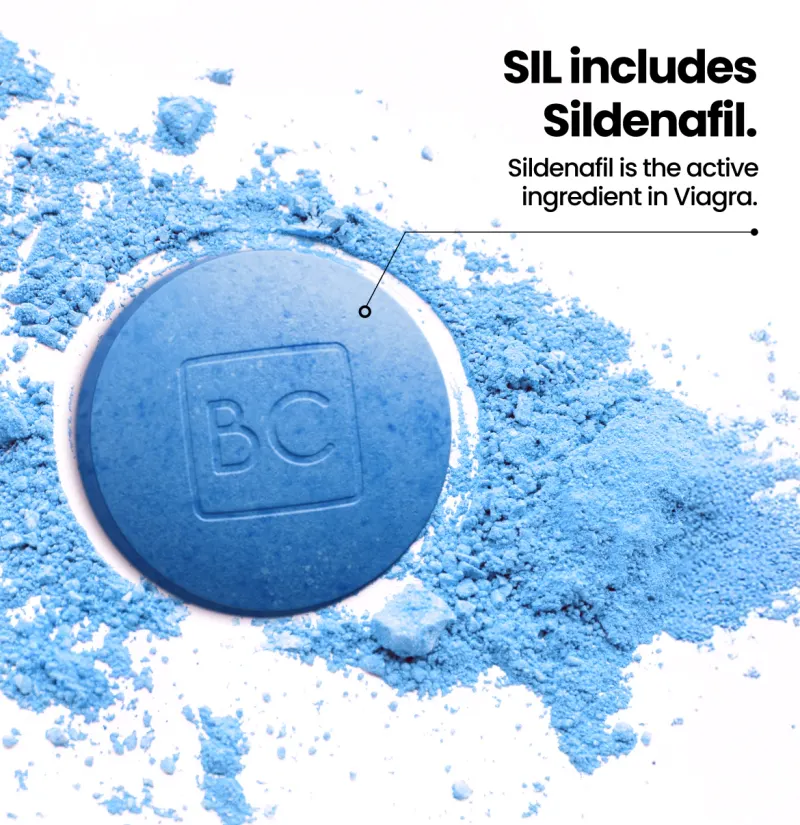
- SIL: 45 mg sildenafil, from $3.53/tablet, works in 15 minutes, lasting up to 6 hours
- TAD: 9 mg tadalafil, from $4.47/tablet, effective within 15 minutes, lasting up to 36 hours
- VAR: 8 mg vardenafil, from $4.34/tablet, takes effect in 15 minutes, lasting up to 6 hours
- DailyTAD: 9 mg tadalafil plus 7 essential vitamins, $2.23/tablet, lasting up to 36 hours
- MAX: 45 mg sildenafil + 18 mg tadalafil combo, $5.63/tablet, lasting up to 36 hours
- VMAX: 14 mg vardenafil + 18 mg tadalafil combo, $5.63/tablet, lasting up to 36 hours
- GOLD: sildenafil, tadalafil, oxytocin, and apomorphine sublingual tablet, from $7.30/tablet, lasting up to 36 hours
SIL, VAR, TAD, MAX, VMAX, and GOLD are available as sublingual tablets. DailyTAD comes in a chewable tablet.
When GOLD May Be Worth Discussing
Some men may want to ask a provider about a multi-ingredient option if erectile function, timing, duration, or arousal-related concerns remain after weight loss surgery. Multi-ingredient formulas should not be described as automatically stronger, better, or more effective for everyone.
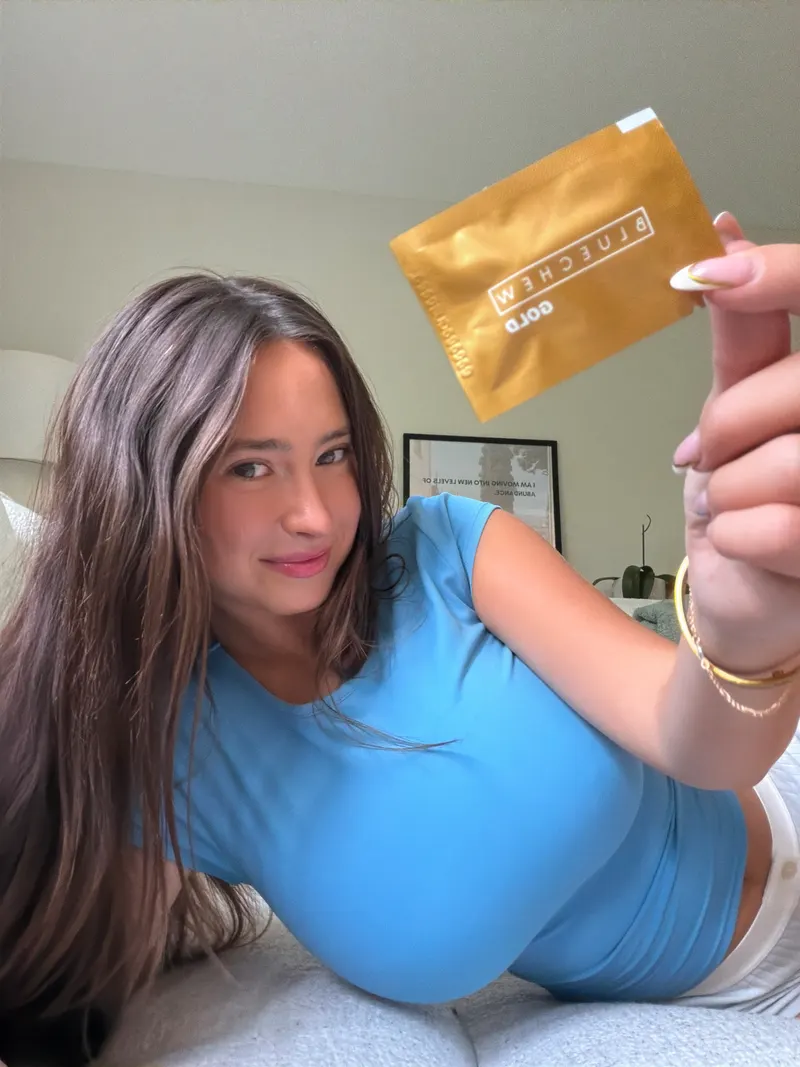
BlueChew GOLD is a compounded sublingual tablet that contains sildenafil, tadalafil, oxytocin, and apomorphine. This does not mean GOLD is a guaranteed solution for ED after weight loss surgery. It means GOLD may be worth discussing with a licensed provider when erectile function, arousal, or sexual performance concerns are part of the issue.
You can also read more in the BlueChew GOLD guide and the GOLD timing guide.
How To Get Medication Through BlueChew
BlueChew offers access to licensed healthcare providers who may prescribe compounded medications for erectile dysfunction and sexual performance enhancement after an online provider review.
To get started, select a plan and complete an online intake. Include your weight loss surgery history, current medications, and any ongoing medical concerns so the licensed provider can review whether prescription treatment may be appropriate.
BlueChew also gives subscribers the option to manage your account, switch, or cancel their plan as needed.
View treatment plans to explore treatment plan options at BlueChew.
Building a Post-Surgery Sexual Health Plan
ED after weight loss surgery can feel discouraging, especially if you expected weight loss to solve the issue on its own. But persistent ED does not erase the health progress you have made. It may simply mean that sexual function needs its own plan.
A practical plan may include medical follow-up, medication review, exercise, stress management, communication with your partner, and ED treatment when appropriate. The goal is not to force a perfect recovery timeline. It is to build a more informed and flexible approach to sexual health after surgery.
To understand the next step, review how BlueChew works or learn how to manage your account.
Frequently Asked Questions
Can weight loss surgery cure ED completely?
Weight loss surgery may improve erectile function for some men, but it should not be described as a guaranteed cure. ED can involve blood flow, nerve function, medication effects, hormones, stress, and relationship factors. Some men may notice meaningful improvement after surgery, while others may still need additional evaluation or treatment. If ED persists after surgery, a licensed healthcare provider can help evaluate what may still be contributing.
How soon after weight loss surgery can ED improve?
ED improvement may happen gradually and may not follow the same timeline as weight loss. Some men may notice sexual function changes as metabolic health, energy, and confidence improve. Others may need more time or additional support, especially if ED is related to long-standing vascular, nerve, or medication-related factors. If symptoms continue after recovery or cause distress, it is reasonable to discuss ED treatment with a provider.
Can bariatric surgery affect ED medication use?
Yes, bariatric surgery may matter when discussing ED medication. Some procedures can change the digestive environment, medication absorption, or post-surgery health needs. This does not mean ED medication is automatically unsafe, but it does mean your provider should know your surgical history. Tell your provider which surgery you had, when it occurred, and whether you have had medication, absorption, or nutritional issues since then.
Which BlueChew option may fit after weight loss surgery?
The right option depends on your health history, current medications, surgery type, treatment goals, and licensed provider review. Some BlueChew options are designed with shorter duration windows, while others may offer a longer window. If you have had weight loss surgery, your intake should include details about the procedure and any post-surgery health concerns. A provider can determine what may be appropriate after reviewing your online intake.
How do I get started with BlueChew after weight loss surgery?
Start by selecting a plan and completing the online intake. Include your bariatric surgery history, current medications, and any other health conditions so the licensed provider has the right context. The provider will review your information and determine whether prescription treatment may be appropriate. If prescribed, the treatment plan can be shipped directly to your door.
This article is provided for informational purposes only and does not constitute medical advice. The information presented is not a substitute for professional medical advice, diagnosis, or treatment. Always consult your healthcare provider to discuss the risks, benefits, and appropriateness of any treatment.
BlueChew offers access to healthcare providers who may prescribe compounded medications for the treatment of erectile dysfunction.
The featured products include compounded medications that have not been approved by the FDA. Compounded medications may be prescribed under federal law but are not the same as, nor are they generic versions of, any FDA-approved medication. The FDA does not review compounded medications for safety, effectiveness, or manufacturing quality of compounded products. A prescription will only be written if deemed appropriate after the digital consultation by the licensed medical provider. Individual results may vary.
BlueChew is not a compounding pharmacy but a telemedicine service that links patients to licensed medical providers.
Other Helpful Articles