ED After Infidelity: Rebuilding Physical Intimacy

Infidelity can affect more than trust. It can change how both partners experience touch, vulnerability, desire, and sexual confidence. For some men, the emotional weight of betrayal, guilt, shame, anger, or anxiety may contribute to erectile difficulties during an already difficult period.
Sexual function is rarely only physical or only emotional. Research on affair-couple treatment has examined relationship distress and therapy outcomes among couples dealing with affairs, which makes it a better source for this section than a broad sexual medicine article. ED after infidelity should be approached with care rather than blame because relationship repair, emotional safety, and medical factors may all need attention.
Rebuilding physical intimacy after infidelity does not mean rushing back to sex or pretending nothing happened. It means creating enough emotional safety to talk honestly, address medical concerns when needed, and move toward closeness at a pace both partners can tolerate.
Key Takeaways
- ED after infidelity can involve stress, anxiety, guilt, anger, relationship strain, medical factors, or medication effects.
- Rebuilding intimacy usually requires emotional repair and practical sexual health support, not one or the other.
- Couples may benefit from professional counseling when conversations keep turning into blame, avoidance, or repeated conflict.
- Prescription ED treatment may be appropriate for some men after licensed provider review.
- If erectile function or sexual performance concerns are part of the issue, BlueChew may be worth discussing with a licensed provider.

Understanding ED After Infidelity
Erectile dysfunction is the difficulty getting or keeping an erection firm enough for sex. After infidelity, ED may appear in the middle of a relationship crisis, which can make the issue feel even more personal.
A betrayed partner may want intimacy but feel guarded, angry, or emotionally unsafe. A partner who cheated may want to reconnect but feel guilty, ashamed, or afraid of rejection. Either partner may interpret ED as proof that the relationship cannot recover, even when the issue may be more complicated.
Why ED Can Happen During Relationship Repair
Infidelity can create intense emotional pressure around sex. Physical intimacy may become tied to reassurance, forgiveness, comparison, guilt, or fear of another rejection.
That pressure can make sex feel like a test. If an erection does not happen, both partners may attach meaning to the moment instead of treating it as a sexual health concern that can be addressed.
ED during this period does not automatically mean there is no attraction, love, or chance of repair. It may mean the relationship needs more emotional safety, clearer communication, and provider-guided medical support when appropriate.
Physical and Emotional Factors Can Overlap
ED after infidelity may involve emotional stress, but that does not mean physical contributors should be ignored. Blood flow, medications, sleep, alcohol use, diabetes, cardiovascular health, hormones, and mental health can all affect erectile function.
This matters because couples can sometimes over-focus on the affair as the only explanation. Infidelity may be part of the context, but ED may still deserve medical review if it is persistent, sudden, worsening, or causing distress.
A provider can help evaluate whether ED is related to health conditions, medication use, psychological stress, or a combination of factors.
The Emotional Toll of Rebuilding Intimacy
Sex after infidelity can feel emotionally loaded. A touch that once felt natural may now bring up questions, memories, fear, anger, or pressure.
This is true whether the couple is trying to reconcile or still deciding what the relationship will become. Rebuilding intimacy requires more than simply restarting sexual activity.
Common Barriers to Physical Connection
Couples may experience:
- Fear of vulnerability
- Intrusive thoughts during intimacy
- Anger that appears during physical contact
- Guilt or shame
- Performance anxiety
- Fear of rejection
- Comparison with the affair partner
- Difficulty trusting affection
- Avoidance of touch or sex
These responses can make intimacy feel unpredictable. One partner may want reassurance through sex, while the other may need more emotional repair before sex feels safe.

Start With Emotional Safety
Before trying to solve the sexual issue, couples may need to create a safer emotional setting. This can include agreeing not to use ED, desire, or sexual hesitation as evidence against each other during conflict.
It can also help to separate two conversations: one about the affair and one about sexual reconnection. Both matter, but combining them every time can make intimacy feel like a courtroom instead of a place for repair.
A safer starting point might sound like: “I want us to talk about physical closeness, but I do not want either of us to feel pressured or punished if things feel awkward.”
Rebuilding Physical Intimacy Gradually
Physical reconnection after infidelity usually works better when it is gradual. Rushing back into sex can create more anxiety if emotional repair has not begun.
That does not mean couples have to avoid all physical closeness. It means touch should be approached with consent, patience, and room to pause.
Start With Low-Pressure Touch
Low-pressure touch can help both partners rebuild comfort without making erection quality, penetration, or orgasm the immediate goal.
Couples may start with:
- Holding hands
- Sitting close together
- Brief hugs
- Longer embraces
- Kissing without escalation
- Back rubs
- Massage
- Cuddling before sleep
These forms of touch can help rebuild connection without turning every moment into a sexual performance test.
Create Clear Boundaries
Clear boundaries can make physical intimacy feel safer. This may include agreeing that either partner can pause without having to justify everything in the moment.
It may also help to agree that a difficult sexual moment will not immediately become a fight about the affair. That boundary gives the couple space to respond with care instead of panic.
A simple agreement might be: “If one of us needs to stop, we stop. We can talk later when we are calmer.”
ED Treatment Options After Infidelity
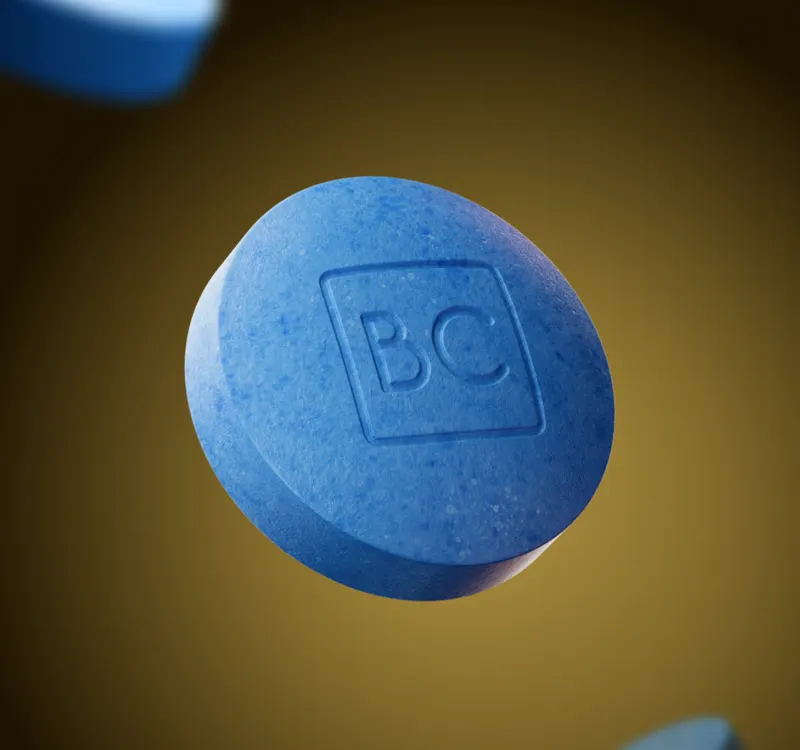
ED treatment after infidelity should be personalized. Some men may benefit from counseling, medication review, stress management, couples therapy, prescription ED medication, or a combination of support.
PDE5 Inhibitors
Sildenafil, tadalafil, and vardenafil are part of a medication class called PDE5 inhibitors. A clinical study on sildenafil ED treatment evaluated sildenafil for men with erectile dysfunction.
These medications still require sexual stimulation, and results can vary. They should only be used as prescribed and should not be combined with other ED medications unless a licensed provider specifically instructs you to do so.
For ED after infidelity, medication may help with the physical side of erectile response. It does not replace emotional repair, honest communication, or counseling when those are needed.
Medication Review
Some prescriptions can affect sexual function. These may include certain antidepressants, blood pressure medications, anti-anxiety medications, or other drugs, depending on the person.
Do not stop or change medication without medical guidance. If ED started after a new prescription or dose change, a healthcare provider can help determine whether the medication may be contributing.
This review is especially important if ED began during a period of depression, anxiety, sleep problems, or new treatment after the affair.
Where BlueChew Fits After Infidelity
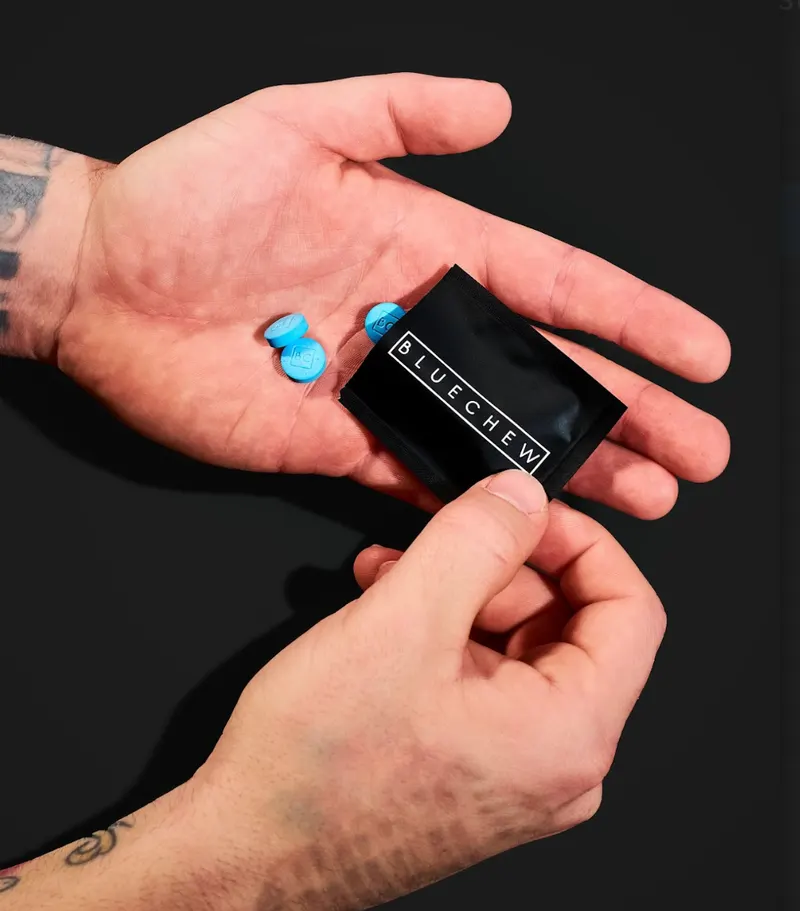
BlueChew offers access to licensed healthcare providers who may prescribe compounded medications for erectile dysfunction and sexual performance enhancement after an online provider review.
For someone rebuilding intimacy after infidelity, BlueChew may be relevant when erectile function or sexual performance concerns are adding pressure to an already sensitive situation. The online intake gives a licensed provider information about health history, current medications, and treatment goals before determining whether prescription treatment may be appropriate.
BlueChew should not be framed as a relationship repair tool by itself. It may support the erectile function side of the issue, while trust, emotional safety, and communication still need attention outside of medication.
You can learn more about the online provider review process.
BlueChew Product Options
- SIL: 45 mg sildenafil, from $3.53/tablet, works in 15 minutes, lasting up to 6 hours
- TAD: 9 mg tadalafil, from $4.47/tablet, effective within 15 minutes, lasting up to 36 hours
- VAR: 8 mg vardenafil, from $4.34/tablet, takes effect in 15 minutes, lasting up to 6 hours
- DailyTAD: 9 mg tadalafil plus 7 essential vitamins, $2.23/tablet, lasting up to 36 hours
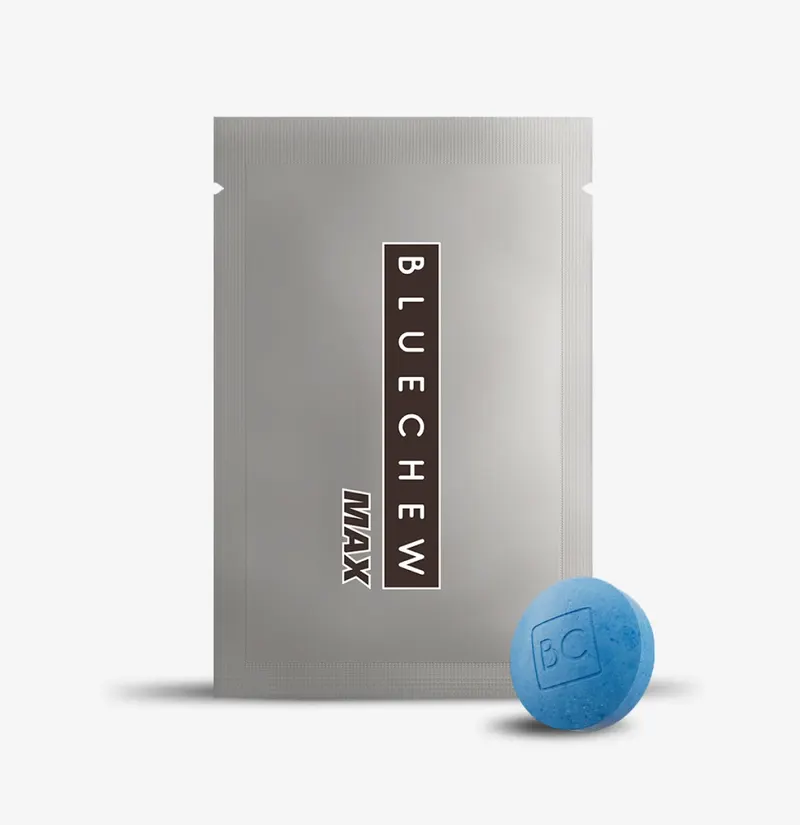
- MAX: 45 mg sildenafil + 18 mg tadalafil combo, $5.63/tablet, lasting up to 36 hours
- VMAX: 14 mg vardenafil + 18 mg tadalafil combo, $5.63/tablet, lasting up to 36 hours
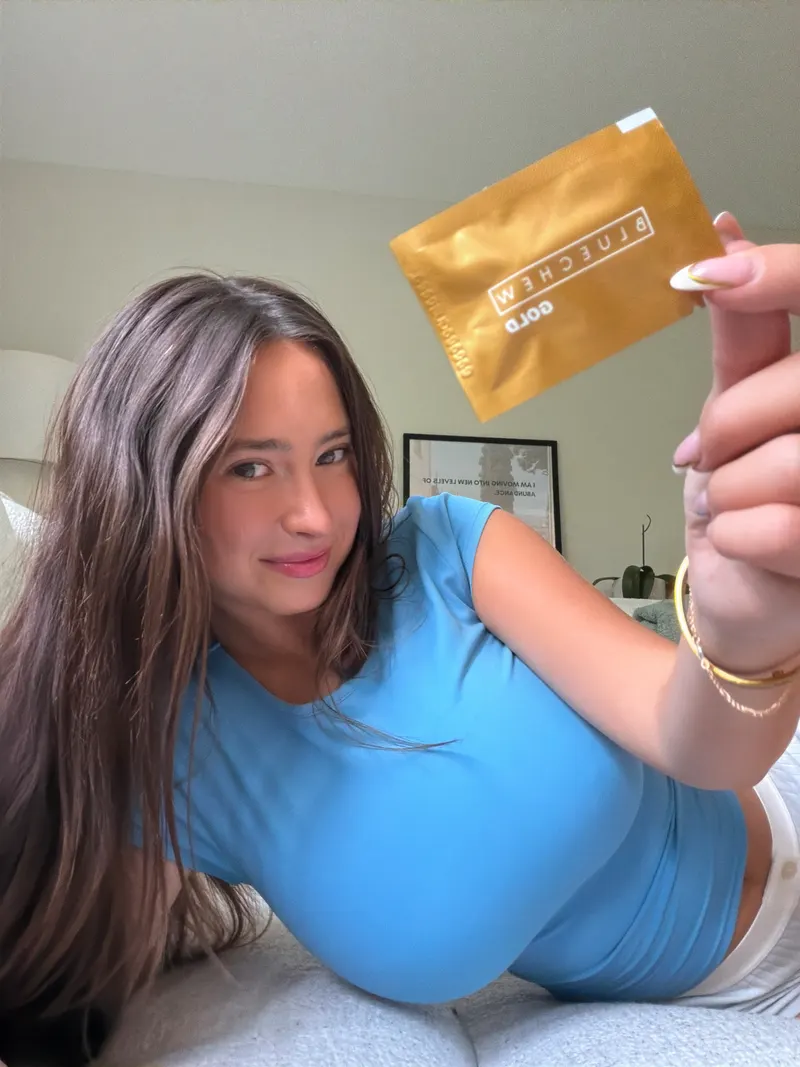
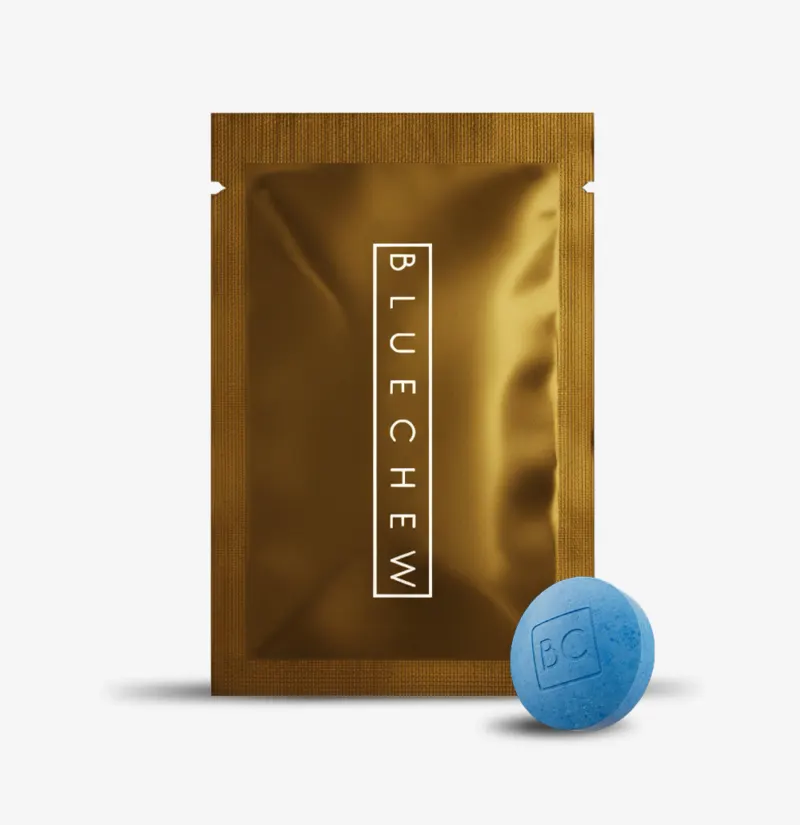
- GOLD: sildenafil, tadalafil, oxytocin, and apomorphine sublingual tablet, from $7.30/tablet, lasting up to 36 hours
SIL, VAR, TAD, MAX, VMAX, and GOLD are available as sublingual tablets. DailyTAD comes in a chewable tablet.
When GOLD May Be Worth Discussing
Some men may want to ask a provider about a multi-ingredient option if erectile function, arousal, timing, or sexual performance concerns remain part of the issue. Multi-ingredient formulas should not be described as automatically stronger, better, or more effective for everyone.
BlueChew GOLD is a compounded sublingual tablet that contains sildenafil, tadalafil, oxytocin, and apomorphine. Research on apomorphine and ED has examined apomorphine in relation to erectile dysfunction.
This does not mean GOLD is a guaranteed solution for ED after infidelity, relationship stress, or performance anxiety. It means GOLD may be worth discussing with a licensed provider when erectile function, arousal, or sexual performance concerns are part of the issue.
You can also read more in the BlueChew GOLD guide and the GOLD timing guide.
How To Get Medication Through BlueChew
BlueChew offers access to licensed healthcare providers who may prescribe compounded medications for erectile dysfunction and sexual performance enhancement after an online provider review.
To get started, select a plan and complete an online intake. Include your current medications, health conditions, and erectile function concerns so the licensed provider can review whether prescription treatment may be appropriate.
BlueChew also gives subscribers the option to manage your account, switch, or cancel their plan as needed.
View treatment plans to explore treatment plan options at BlueChew.
Some couples will reconcile, and others may decide not to. Either way, ED after infidelity deserves a response that is medically careful, emotionally honest, and free from shame.
Frequently Asked Questions
Can infidelity contribute to ED?
Yes, infidelity can contribute to ED for some men when stress, guilt, shame, anger, anxiety, or fear affects sexual confidence. ED can also involve physical health, medications, sleep, alcohol, cardiovascular factors, or other medical concerns. This means the affair may be part of the context, but it should not automatically be treated as the only cause. If ED continues or causes distress, a licensed healthcare provider can help evaluate what may be contributing.
Can ED medication fix intimacy after infidelity?
ED medication may help with the erectile function side of the issue when a licensed provider determines treatment is appropriate. It does not repair trust, resolve resentment, or replace the emotional work that may be needed after betrayal. Couples may still need honest conversations, clearer boundaries, counseling, or time before sex feels safe again. Medication should be viewed as one possible support, not the whole repair plan.
How should couples restart physical intimacy after infidelity?
Start with low-pressure touch before making intercourse the immediate goal. Holding hands, hugging, kissing, cuddling, and massage can help rebuild comfort without turning sex into a test. It also helps to agree that either partner can pause without punishment or blame. When sexual activity resumes, talk about what feels safe and welcome now instead of assuming the old rhythm should return right away.
Which BlueChew option may fit ED after infidelity?
The right option depends on the patient’s health history, current medications, erectile function concerns, treatment goals, and licensed provider review. Some BlueChew options are designed with shorter duration windows, while others may offer a longer window. If relationship stress, anxiety, or performance pressure is part of the issue, include that context in the online intake. A provider can determine what may be appropriate after reviewing the information.
How do I get started with BlueChew after infidelity-related ED?
Start by selecting a plan and completing the online intake. Include your current medications, health conditions, and erectile function concerns so the licensed provider has the right context. The provider will review your information and determine whether prescription treatment may be appropriate. If prescribed, the treatment plan can be shipped directly to your door.
This article is provided for informational purposes only and does not constitute medical advice. The information presented is not a substitute for professional medical advice, diagnosis, or treatment. Always consult your healthcare provider to discuss the risks, benefits, and appropriateness of any treatment.
BlueChew offers access to healthcare providers who may prescribe compounded medications for the treatment of erectile dysfunction.
The featured products include compounded medications that have not been approved by the FDA. Compounded medications may be prescribed under federal law but are not the same as, nor are they generic versions of, any FDA-approved medication. The FDA does not review compounded medications for safety, effectiveness, or manufacturing quality of compounded products. A prescription will only be written if deemed appropriate after the digital consultation by the licensed medical provider. Individual results may vary.
BlueChew is not a compounding pharmacy but a telemedicine service that links patients to licensed medical providers.
Other Helpful Articles