Key Takeaways
Key Takeaways
MINDSET10 minute read
How to Stop Stress From Killing Your Libido

You're attracted to your partner. You genuinely want intimacy. But when the moment arrives, your brain seems to have other plans, cycling through tomorrow's deadlines, unread emails, and that conversation you've been avoiding. Stress doesn't just make you feel overwhelmed; it can fundamentally alter your body's chemistry in ways that suppress sexual desire and function. The good news is that understanding this connection gives you the power to reclaim your sex drive and restore the intimate life you want.
Research shows that chronic stress may be linked to lower sexual desire and arousal through both biological and psychological pathways. When stress stays elevated for weeks or months, your body may shift resources toward stress-response systems that can make sexual desire and arousal harder to access. This isn't a character flaw or lack of attraction to your partner. It's physiology. And once you understand the mechanisms at play, you can take targeted action to break the cycle.
Whether you're dealing with work pressure, relationship tension, financial worries, or the cumulative weight of daily hassles, this guide offers practical strategies backed by evidence. From lifestyle interventions to medical solutions, you'll find actionable steps to stop stress from sabotaging your intimate life.
Key Takeaways
- Chronic stress can affect hormonal signaling, brain chemistry, and stress-response pathways involved in healthy arousal
- Stress-related libido loss is biological, not a willpower issue, and affects both desire and physical performance
- Lifestyle interventions like exercise, quality sleep, and mindfulness may help support stress management and sexual wellness over time
- Open communication with your partner reduces shame and relationship strain that often worsen the problem
- Medical solutions can address the physical symptoms while you work on underlying stress factors

Understanding the Stress-Libido Connection
Sexual desire isn't simply about attraction. It requires a complex interplay of hormones, neurotransmitters, and mental presence that stress can disrupt at multiple levels.
The Physiology of Stress and Sexual Function
When you encounter a stressor, your hypothalamic-pituitary-adrenal (HPA) axis activates within seconds. Cortisol and adrenaline flood your system, preparing you for fight or flight. In acute situations, this response is protective. But when stress becomes chronic, your HPA axis stays activated for weeks or even months.
Key biological effects of chronic stress:
- Chronic stress may disrupt hormonal signaling and other pathways involved in sexual desire and erectile function
- Stress may affect dopamine and reward pathways, which can influence motivation and pleasure
- The sympathetic nervous system dominates, making relaxation difficult
The brain's pleasure pathways become less responsive under chronic stress. Dopamine, a neurotransmitter involved in motivation and reward, may be affected by chronic stress. This can lead to anhedonia, where activities that once brought pleasure, including sex, feel less appealing.
Defining Libido: More Than Just Desire
Libido encompasses more than simply wanting sex. It includes spontaneous sexual thoughts, responsiveness to sexual cues, physical arousal capacity, and the motivation to initiate intimacy. Stress can affect all of these components.
Studies show that men with high chronic stress often experience what researchers call a mind-body disconnect. They may mentally want intimacy but find their bodies unresponsive. This mismatch creates frustration and can trigger a shame cycle that makes the problem worse.
 Reviewed by a licensed provider
 Identifying the Red Flags: Signs of Stress-Related Low Libido
Recognizing stress-related sexual dysfunction early allows you to address it before it becomes entrenched in your relationship patterns.
Recognizing Stress-Related Sexual Dysfunction
The physical signs are often the most obvious. Erectile difficulties, decreased morning erections, and lower ejaculation satisfaction can all indicate stress may be affecting your body.
Physical indicators to watch for:
- Difficulty achieving or maintaining erections
- Reduced spontaneous arousal
- Decreased interest in initiating sex
- Fatigue that persists despite adequate sleep
- Taking longer to become aroused
These symptoms often develop gradually, making them easy to dismiss initially. Many men attribute them to being "too tired" or "not in the mood" without recognizing the underlying stress connection.
Beyond Physical Symptoms: Emotional Indicators
The psychological signs can be equally telling. When stress affects your libido, you might notice increased irritability around intimate situations, avoidance of physical closeness, or anxiety about sexual performance.
Emotional red flags include:
- Performance anxiety before intimate encounters
- Relief when opportunities for sex don't arise
- Feeling mentally distant during intimacy
- Increased self-criticism about sexual ability
- Relationship tension around intimacy frequency
Relationship stress can be especially disruptive because it directly affects emotional closeness, communication, and desire. When one partner loses interest, it often affects the other partner's desire as well, creating a bidirectional effect that can strain the relationship further.
Mastering Your Mind: Effective Stress Management Techniques
Evidence-based stress management offers the most sustainable path to restoring your libido. These approaches work by calming the HPA axis and allowing your hormones to rebalance.
Mind-Body Practices for Stress Reduction
Mindfulness-based approaches may help some people manage stress and improve presence during intimacy. Early clinical research on mindfulness-based sexual health interventions is promising, but more controlled studies are needed, especially in men with sexual dysfunction.
Effective mind-body practices:
- Meditation: 10-20 minutes daily calms the HPA axis and improves presence
- Deep breathing: 5-10 minutes, 2-3 times daily activates the parasympathetic nervous system
- Yoga: Combines physical movement with breathwork for comprehensive stress relief
- Progressive muscle relaxation: Releases tension held in the body
Cognitive behavioral therapy (CBT) may also help, particularly for men experiencing performance anxiety. CBT helps reframe negative thought patterns and reduces the anxiety that can interfere with arousal.
Creating a Stress-Reducing Lifestyle
Beyond dedicated practices, your daily habits significantly impact stress levels and hormonal balance.
Lifestyle factors that support healthy libido:
- Sleep: 7-9 hours nightly supports recovery, energy, and healthy stress regulation
- Exercise: 30 minutes of moderate activity, 5 times weekly may support mood, circulation, and stress resilience
- Time boundaries: Protecting personal time from work intrusion
- Social connection: Maintaining supportive relationships outside of your romantic partnership
The timeline for improvement varies, but consistent lifestyle changes may help support stress management and sexual wellness over time. The key is treating stress management as essential rather than optional.
Diet and Lifestyle: Natural Ways to Support Libido
What you eat and how you live directly influences your body's stress response and sexual function.
Nutritional Strategies for Sexual Health
A balanced diet supports the hormonal environment needed for healthy libido. Focus on whole foods that provide the nutrients your body needs to produce sex hormones and neurotransmitters.
Foods that may support sexual health:
- Zinc-rich foods (oysters, beef, pumpkin seeds) support testosterone production
- Omega-3 fatty acids (salmon, walnuts) reduce inflammation and support blood flow
- Antioxidant-rich fruits and vegetables protect blood vessel health
- Complex carbohydrates provide steady energy without blood sugar spikes
Habits to minimize or avoid:
- Excessive alcohol, which can suppress testosterone and impair function
- High-processed food diets that promote inflammation
- Excessive caffeine, especially after noon, which can spike cortisol
- Smoking, which damages blood vessels and reduces circulation
Healthy Habits for Libido Enhancement
Beyond nutrition, certain lifestyle practices create conditions favorable for intimacy. Regular physical activity improves both stress resilience and erectile function by enhancing cardiovascular health and blood flow.
Prioritizing quality sleep may be the single most impactful change. It may support energy, mood, hormone regulation, and sexual wellness, which can all play a role in libido and performance.
Beyond Natural Remedies: When Medical Solutions Can Help
Sometimes lifestyle changes alone aren't enough, especially when stress has already created a cycle of performance anxiety and avoidance. This is where medical support becomes valuable.
Exploring Prescription Options for ED
PDE5 inhibitors, including sildenafil, tadalafil, and vardenafil, work by increasing blood flow to support erectile function. For men whose stress has contributed to ED, these medications may help support erectile function and reduce some performance-related worry when prescribed by a licensed medical provider.
The confidence that comes from having medical support can help reduce performance-related worry for some men. When you're not monitoring your physical response, you can focus on your partner and the experience itself.
The Role of Telemedicine in Accessing Care
Traditional healthcare often adds stress to an already stressful situation. Scheduling appointments, sitting in waiting rooms, and having face-to-face conversations about sexual function creates barriers that prevent many men from seeking help.
Online healthcare platforms remove this friction. A quick consultation from home, discreet delivery, and no pharmacy lines mean you can address the physical component of stress-related ED without adding to your stress load.
Innovative Solutions: Addressing Both Mind and Body
Standard ED medications address blood flow, but stress-related sexual dysfunction often involves psychological components that blood flow alone can't fix. This is where newer approaches offer additional support.
The Science Behind Combination Approaches
Some men who do not get the response they want from a single ED medication may benefit from discussing clinician-supervised combination options. This makes sense when you consider that both physical and psychological factors typically contribute to stress-related dysfunction.
BlueChew GOLD takes this approach further by combining sildenafil and tadalafil with apomorphine and oxytocin. Apomorphine acts as a dopamine agonist, supporting brain-based arousal pathways that stress may have suppressed. Oxytocin, often called the "bonding hormone," may enhance emotional connection and intimacy.
Addressing Psychological and Physical Factors Simultaneously
For men dealing with stress-related libido issues, addressing only the physical symptoms often feels incomplete. The psychological component, including performance anxiety, mental distraction, and reduced desire, needs attention too.
By combining ingredients that support blood flow with ingredients intended to support arousal-related pathways, GOLD is designed as a multi-pathway option for eligible patients. Learn more about how GOLD works to address multiple pathways.
How BlueChew Can Support Your Journey
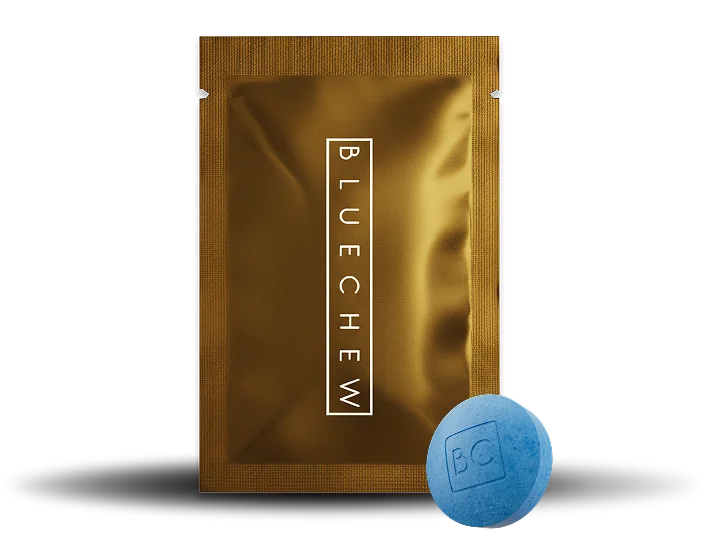
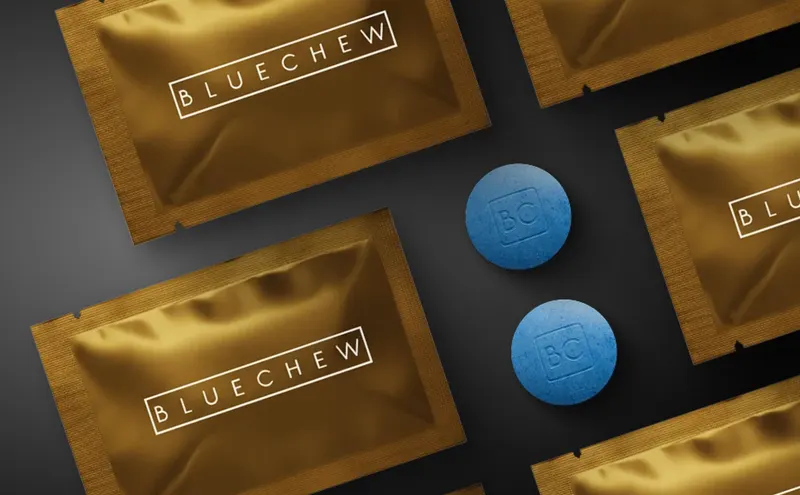
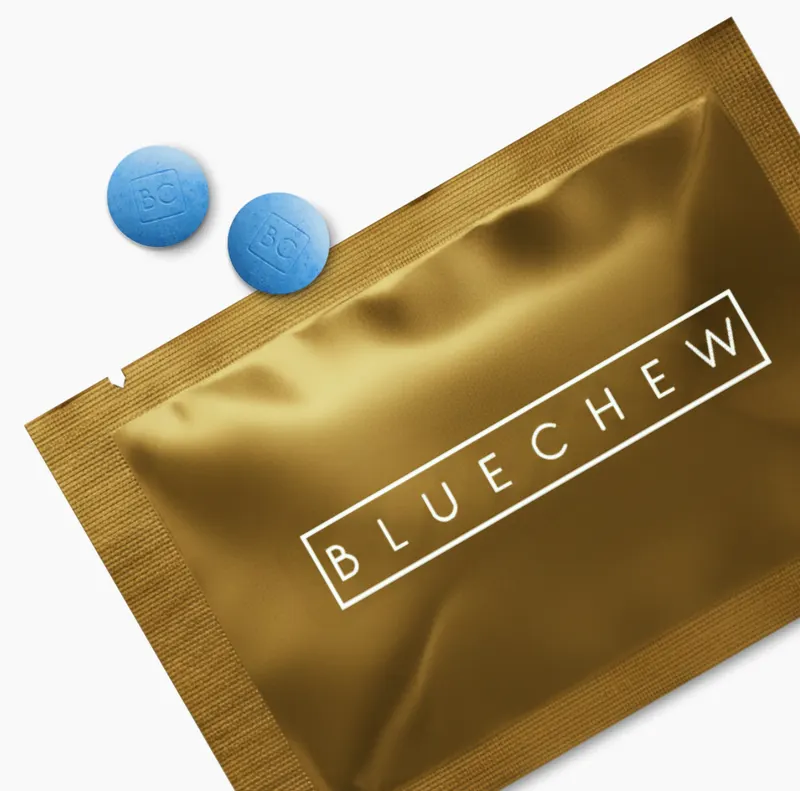
BlueChew provides prescription medications in convenient formulations designed for discretion and ease of use. When stress has affected your sexual confidence, having reliable support can help you stay present with your partner instead of worrying about performance.
BlueChew’s complete product lineup includes:
- SIL: 45 mg sildenafil, works within 15 minutes, lasting up to 6 hours
- TAD: 9 mg tadalafil, effective within 15 minutes, lasting up to 36 hours
- VAR: 8 mg vardenafil, takes effect within 15 minutes, lasting up to 6 hours
- DailyTAD: 9 mg tadalafil plus 7 essential vitamins, lasting up to 36 hours
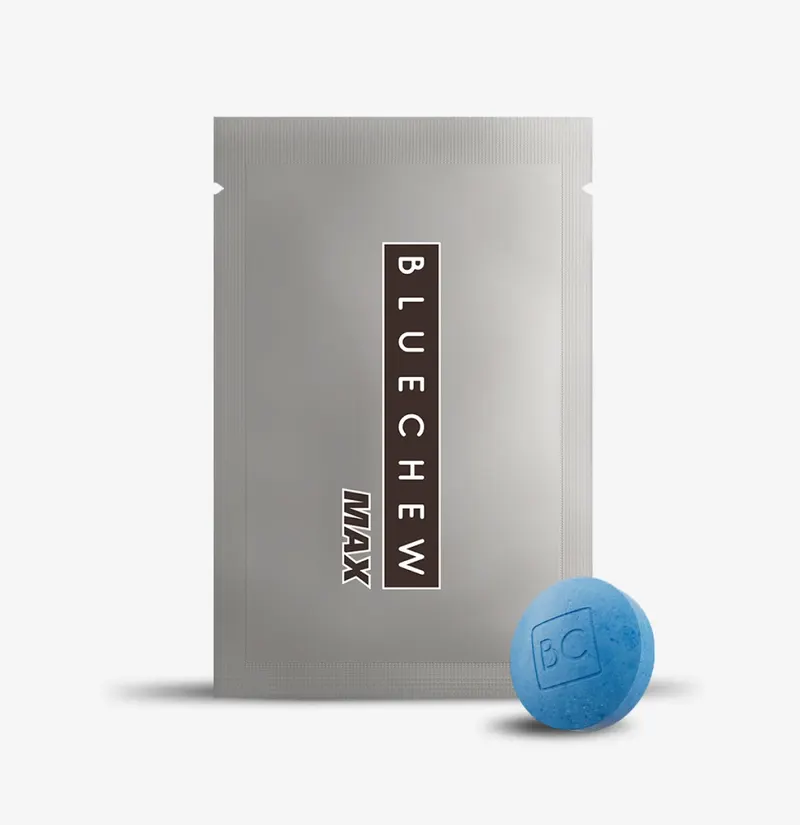
- MAX: 45 mg sildenafil + 18 mg tadalafil combo, lasting up to 36 hours
- VMAX: 14 mg vardenafil + 18 mg tadalafil combo, lasting up to 36 hours
- GOLD: sildenafil, tadalafil, oxytocin, and apomorphine sublingual tablet, lasting up to 36 hours
BlueChew provides compounded prescription medications containing the active ingredients sildenafil, vardenafil, and tadalafil. Sildenafil, vardenafil, and tadalafil are the active ingredients in Viagra, Levitra, and Cialis, respectively.
Getting started is straightforward. You can create and manage your account online, complete a brief medical consultation, and receive discreet delivery to your door. To better understand BlueChew and find the right option for your needs, explore resources or connect with the support team.
Taking Control: Holistic Approaches to Long-Term Sexual Health
Sustainable sexual wellness requires integrating medical solutions with lifestyle changes and relationship work.
Integrating Medical Solutions with Lifestyle Changes
Medication works best as part of a comprehensive approach. While BlueChew can provide reliable physical support, continuing stress management practices ensures you're addressing the root cause, not just the symptoms.
A balanced approach includes:
- Regular stress management practices (meditation, exercise, adequate sleep)
- Open communication with your partner about needs and challenges
- Medical support when needed for physical symptoms
- Periodic reassessment of stress levels and their sources
Building a Foundation for Lasting Intimacy
Long-term sexual health depends on maintaining both physical wellness and emotional connection. Schedule regular check-ins with your partner about your intimate life. Prioritize self-care without guilt. Seek professional support, whether medical, therapeutic, or both, when needed.
Remember that stress-related libido issues are common and treatable. By understanding the connection between stress and sexual function, you've already taken the first step toward reclaiming your intimate life.
Frequently Asked Questions
Can stress alone cause erectile dysfunction?
Yes, stress can be the primary cause of ED. When cortisol remains elevated, it suppresses testosterone and disrupts the brain chemistry needed for arousal. Research suggests that chronic stress creates physiological barriers to sexual function even in otherwise healthy men. The physical symptoms are real, not imagined, even when the underlying cause is psychological.
How quickly can stress impact my libido?
Acute stress can affect sexual desire immediately by diverting your attention and activating your fight-or-flight response. However, the more significant impacts typically develop over weeks of chronic stress as hormonal changes accumulate. Many people may notice benefits from consistent lifestyle changes over time, though the timeline varies from person to person.
Are there specific foods that can help manage stress and improve libido?
Foods rich in zinc, omega-3 fatty acids, and antioxidants support both stress resilience and sexual function. Limiting alcohol, processed foods, and excessive caffeine also helps. However, nutrition works best as part of a comprehensive approach that includes stress management, adequate sleep, and regular exercise.
When should I consider seeking medical help for stress-related low libido?
Consider medical evaluation if symptoms persist for more than six months despite lifestyle changes, if you experience significant relationship distress, or if physical symptoms like ED are causing avoidance of intimacy. Medical solutions can break the anxiety-performance cycle while you continue working on underlying stress factors.
How does BlueChew address the psychological aspects of ED caused by stress?
BlueChew GOLD is a compounded sublingual tablet that combines sildenafil, tadalafil, oxytocin, and apomorphine. It is designed as a multi-pathway option for eligible patients by combining ingredients that support blood flow with ingredients intended to support arousal-related pathways.
This article is provided for informational purposes only and does not constitute medical advice. The information presented is not a substitute for professional medical advice, diagnosis, or treatment. Always consult your healthcare provider to discuss the risks, benefits, and appropriateness of any treatment.
BlueChew offers access to healthcare providers who may prescribe compounded medications for the treatment of erectile dysfunction.
The featured products include compounded medications that have not been approved by the FDA. Compounded medications may be prescribed under federal law but are not the same as, nor are they generic versions of, any FDA-approved medication. The FDA does not review compounded medications for safety, effectiveness, or manufacturing quality of compounded products. A prescription will only be written if deemed appropriate after the digital consultation by the licensed medical provider. Individual results may vary.
BlueChew is not a compounding pharmacy but a telemedicine service that links patients to licensed medical providers.
BLUECHEW EDITORIAL STANDARDS
BlueChew is committed to providing accurate, clear, and up-to-date health information. Our writers and medical reviewers rely on peer-reviewed research, clinical guidelines, academic institutions, government health agencies, and professional medical organizations. Whenever possible, we cite primary sources and update our content as new evidence becomes available.
See something that needs correction? Let us know at blog@bluechew.com.

 Medically reviewed