Red Light Therapy for Testosterone and ED: Understanding the Evidence

Red light therapy, also known as photobiomodulation or low-level light therapy, uses red or near-infrared light to influence cellular activity. Researchers have explored its possible applications in several areas of medicine, including male reproductive and sexual health.
A recent review of low-level laser therapy for infertility and erectile dysfunction describes experimental findings involving mitochondrial activity, oxidative balance, inflammation, and intracellular signaling. These findings have generated interest in whether photobiomodulation could eventually have a role in testosterone production or erectile function.
Most of the findings relevant to these uses currently come from laboratory and animal models. They help researchers identify possible mechanisms and design future studies, but they have yet to establish a standardized clinical treatment for men with testosterone deficiency or erectile dysfunction.
Key Takeaways
- A review of low-level laser therapy describes laboratory and animal findings involving mitochondrial activity, reproductive tissue, and biological pathways associated with erectile function
- Photobiomodulation is highly dependent on the device and protocol, including wavelength, irradiance, energy density, treatment distance, session length, and tissue condition
- Preclinical ED findings can help researchers identify possible mechanisms, but human studies have yet to define a standardized treatment or show how consistently it may improve sexual function
- Research on genital heat stress supports a careful approach to devices that produce warmth near the testes, particularly for people with fertility concerns
- Persistent erectile or hormone-related symptoms may benefit from clinical evaluation, where established diagnostic and treatment options can be considered alongside any interest in emerging therapies

What Red Light Therapy Is
A review of low-level laser therapy describes photobiomodulation as the application of low-intensity red or near-infrared light. The review discusses wavelengths ranging from approximately 600 to 1,000 nanometers, although individual studies use different devices and exposure parameters.
One proposed cellular target is cytochrome c oxidase, an enzyme involved in mitochondrial energy production. Experimental findings suggest that light exposure may affect adenosine triphosphate production, oxidative balance, inflammation, and intracellular signaling.
These mechanisms provide a scientific basis for continued investigation. They do not, by themselves, predict whether a particular device will produce a meaningful change in testosterone levels or erectile function.
A cellular response observed under laboratory conditions may differ from the response produced by:
- A consumer LED panel
- A handheld device
- A different wavelength
- A different treatment distance
- A longer or shorter session
- Exposure of healthy rather than injured tissue
- Light applied to a different part of the body
Photobiomodulation is therefore better understood as a broad category of interventions rather than a single standardized treatment.
Why Treatment Parameters Matter
The review of low-level laser therapy emphasizes the need to optimize treatment parameters before photobiomodulation can be translated into routine reproductive or sexual-health care.
The amount and type of light reaching tissue depend on several variables:
- Wavelength
- Power output
- Irradiance at the treatment surface
- Energy density
- Distance from the device
- Length of each session
- Number and frequency of sessions
- Size of the treatment area
- Tissue depth
- Device construction
The condition of the tissue also matters. A protocol evaluated after an experimentally induced injury may behave differently when applied to healthy tissue or to a medical condition with another underlying cause.
For this reason, a wavelength used in an animal experiment cannot be converted directly into a human home-treatment schedule. Matching one technical specification does not mean that a consumer device reproduces the full experimental exposure.
Red Light Therapy and Erectile Function
Researchers have also explored photobiomodulation in preclinical models of erectile dysfunction. A review of low-level laser therapy summarizes animal findings involving erectile tissue and biological pathways associated with erection physiology.
Areas investigated in these models include:
- Endothelial function
- Oxidative stress
- Inflammation
- Fibrosis
- Smooth-muscle tissue
- Intracellular signaling
- Cavernosal tissue structure
Preclinical models may involve diabetes, aging, nerve injury, or experimentally altered erectile tissue. Researchers can then examine outcomes such as intracavernosal pressure, responses to nerve stimulation, tissue structure, and changes in protein expression.
These measurements help identify possible biological effects and guide the design of future clinical studies. A tissue-level change in an animal model, however, does not determine whether the same treatment would improve erection firmness, reliability, sexual satisfaction, or quality of life in men.
How to Interpret the ED Findings
The review of low-level laser therapy indicates that photobiomodulation may influence several tissues and signaling pathways involved in erectile function.
These preclinical findings can help researchers:
- Investigate possible mechanisms
- Compare wavelengths and energy levels
- Examine tissue responses after injury
- Identify potential therapeutic targets
- Develop future human study protocols
The findings currently provide less guidance for routine consumer use. Important questions remain about:
- The most appropriate treatment area
- Whether penile, pelvic, or perineal exposure would be relevant
- A clinically meaningful dose
- Session length and frequency
- Which causes of ED might respond
- How outcomes would compare with established treatments
- Whether any improvement would continue after treatment stopped
- How photobiomodulation might interact with ED medication
These gaps do not mean that the area lacks scientific value. They show that the experimental findings have not yet been translated into a clearly defined treatment for men.
Testicular Temperature and Reproductive Health
Testicular temperature is relevant when evaluating any device used near the scrotum.
A review of human genital heat stress explains that elevated testicular temperature can impair spermatogenesis. The review examined evidence involving prolonged sitting, occupational heat, clothing, fever, direct heating, and other potential sources of increased scrotal temperature.
The strength of the findings varied across the different types of exposure. Some everyday exposures produced conflicting or inconclusive results, while direct genital heating demonstrated that sufficient temperature elevation can suppress sperm production.
This publication addresses heat rather than photobiomodulation itself. Its relevance depends on whether a particular light device produces meaningful warmth near the testes.
A careful interpretation is therefore appropriate:
- Red and near-infrared devices differ in output
- Treatment distance affects the exposure
- Session duration affects the total energy delivered
- Consumer devices may differ from research equipment
- Animal protocols do not define a human testicular treatment schedule
- Fertility goals may make unnecessary genital warming especially important
The available publications do not provide enough information to recommend a specific wavelength, distance, session length, or weekly schedule for direct testicular use.
Testicular pain, swelling, a lump, or unexplained fertility concerns should be evaluated by a healthcare professional rather than managed through experimental light exposure.
Understanding Consumer Devices
Consumer red-light devices range from small handheld units to large panels. Products may advertise similar wavelengths while delivering substantially different exposures.
Specifications may include:
- Nominal wavelength
- Number of light-emitting diodes
- Electrical power consumption
- Irradiance at a stated distance
- Recommended session length
- Pulse settings
- Size of the treatment area
The treatment variables discussed in the review of low-level laser therapy show why wavelength alone is an incomplete basis for comparing devices.
For example, a reported irradiance value applies only at the distance where it was measured. Moving closer to or farther from the device may alter the amount of light reaching the skin. Electrical power consumption also does not state how much light energy reaches a particular tissue.
Useful questions when reviewing a product include:
- Is the irradiance reported at the intended treatment distance?
- Has the device output been independently measured?
- Does the device create noticeable warmth?
- Was that specific device evaluated for the advertised purpose?
- Does the cited publication use comparable exposure parameters?
- Are the operating and safety instructions clear?
- Does the company distinguish general wellness use from medical treatment?
A shared nominal wavelength does not make a consumer product equivalent to a device used in a published experiment.
Red Light Therapy as a Complementary Wellness Practice
Some people use red light therapy as part of a general wellness routine. Personal use should be distinguished from treatment of a diagnosed hormonal or sexual-health condition.
A person may enjoy using a device or report a subjective improvement. That experience may be meaningful to the individual, but it cannot show whether testosterone levels, erectile physiology, or an underlying medical condition changed.
A measured approach includes:
- Following the manufacturer’s operating instructions
- Avoiding attempts to intensify exposure beyond the stated directions
- Paying attention to discomfort, skin irritation, or excessive warmth
- Discussing persistent hormonal or erectile symptoms with a healthcare provider
- Keeping expectations proportionate to the limited human data
Because a standardized clinical protocol has yet to be established, there is no reliable treatment timeline for testosterone or erectile changes.
Red light therapy should also remain separate from the process of diagnosing testosterone deficiency. Symptoms such as fatigue, lower sexual desire, mood changes, or erectile difficulties can have several possible explanations and may require clinical assessment.
When Erectile Symptoms Deserve Evaluation
Current recommendations on the management of erectile dysfunction emphasize individualized treatment based on the patient’s needs, expectations, medical history, and preferences.
The review identifies PDE5 inhibitors as first-line treatment for most men. It also discusses intracavernosal injections, vacuum erection devices, and penile prostheses as options that may be considered according to treatment response and individual circumstances.
A healthcare provider may review:
- The pattern and duration of the symptoms
- Current prescriptions and supplements
- Relevant medical conditions
- Cardiovascular and blood-pressure history
- Previous ED treatment and response
- Sexual desire and arousal
- Psychological or relationship concerns
- Whether examination or testing is appropriate
This evaluation can help identify an appropriate treatment while photobiomodulation continues to be studied.
Where BlueChew Fits Into the Discussion
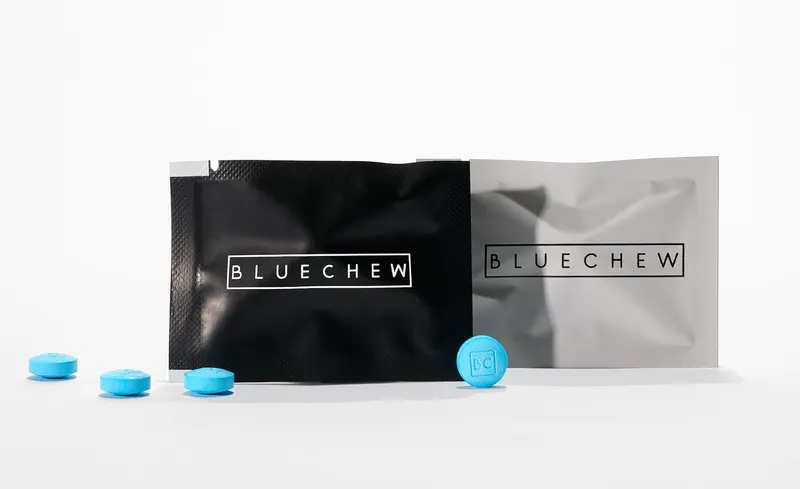
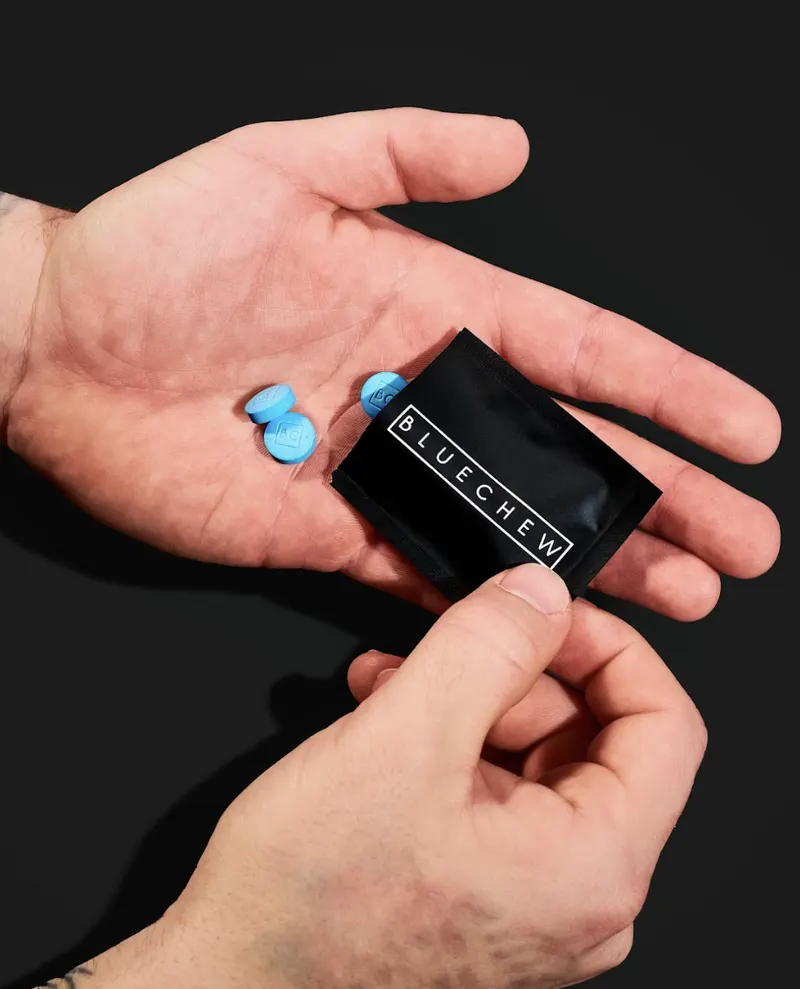
BlueChew is a telemedicine service that connects patients with licensed healthcare providers who may prescribe compounded medications for erectile dysfunction when medically appropriate.
Its role in this topic is limited to provider-reviewed access to ED medication. BlueChew does not currently list red light therapy, testosterone treatment, or fertility care among its product offerings.
Someone seeking ED treatment through BlueChew completes a digital medical intake. A licensed healthcare provider reviews the submitted information and determines whether a prescription is appropriate.
Relevant information may include:
- Current and previous ED treatments
- Prescription medications and supplements
- Cardiovascular and blood-pressure history
- Other medical conditions
- Previous medication reactions
- Hormone treatment
- Fertility concerns
- Testicular symptoms
- Use of red light or another experimental intervention
Some concerns may require an in-person examination, laboratory testing, or evaluation by another healthcare professional.
BlueChew Product Options
BlueChew’s complete product lineup includes:
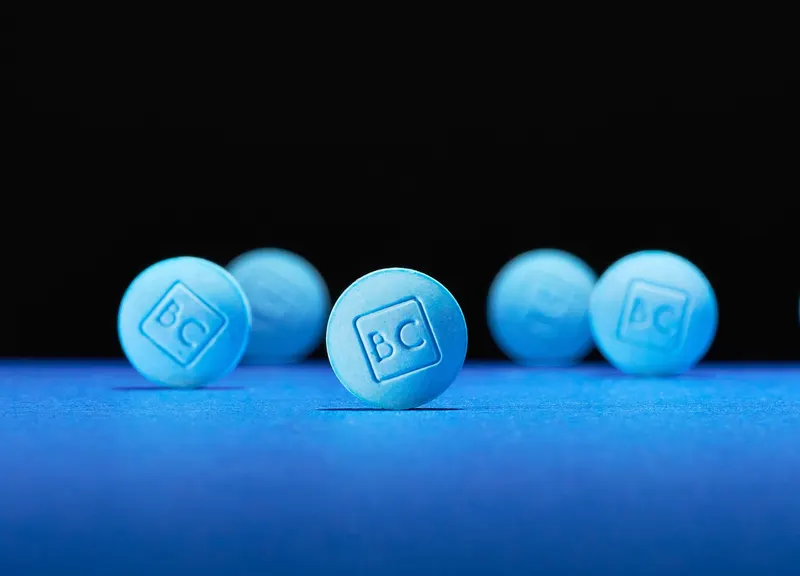
- SIL: 30 mg or 45 mg sildenafil, from $2.95/tablet, works in 15 minutes, lasting up to 6 hours
- TAD: 6 mg or 9 mg tadalafil, from $3.58/tablet, effective within 15 minutes, lasting up to 36 hours
- VAR: 8 mg vardenafil, from $4.34/tablet, takes effect in 15 minutes, lasting up to 6 hours
- DailyTAD: 9 mg tadalafil plus 7 essential vitamins, $2.23/tablet, lasting up to 36 hours
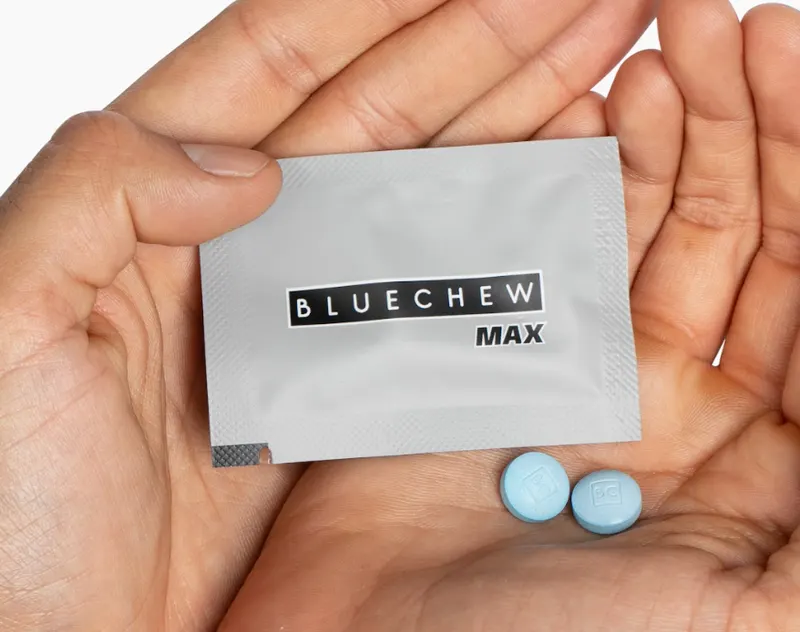
- MAX: 45 mg sildenafil + 18 mg tadalafil combo, $5.63/tablet, lasting up to 36 hours
- VMAX: 14 mg vardenafil + 18 mg tadalafil combo, $5.63/tablet, lasting up to 36 hours
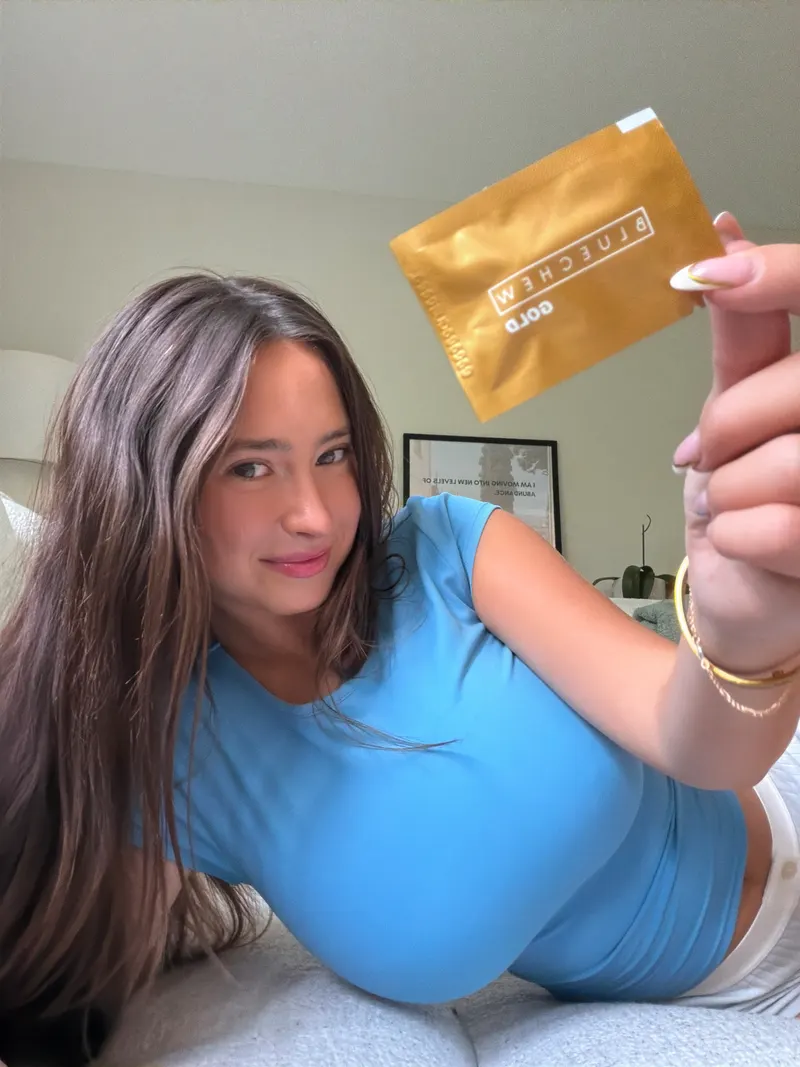
- GOLD: sildenafil, tadalafil, oxytocin, and apomorphine sublingual tablet, from $7.30/tablet, lasting up to 36 hours
The licensed provider determines which product, formulation, and dose may be appropriate.
These medications are prescribed for erectile dysfunction. They should be considered separately from the diagnosis or treatment of possible testosterone deficiency.
How To Get Medication Through BlueChew
Interested in getting your hands on a prescription for BlueChew GOLD? BlueChew has got you covered.
Select a plan, complete an online intake, and you’re done. A medical provider will review your information and, if appropriate, prescribe your plan, which will be shipped directly to your door.
No doctor appointments or patient support charges make it a stress-free experience.
Plus, there’s no commitment—you can easily cancel or switch plans anytime. Click here to explore all plan options for treatments at BlueChew.
Frequently Asked Questions
Can red light therapy increase testosterone in men?
Laboratory and animal research has explored whether photobiomodulation can affect testicular function and hormone-related processes. These findings provide a basis for continued investigation, but they have yet to establish a reliable testosterone benefit in men. Researchers still need to determine which patients, devices, doses, and treatment areas might be relevant. Symptoms associated with low testosterone should be evaluated by a healthcare provider rather than assessed through device use alone.
Can red light therapy improve erectile function?
Preclinical studies suggest that photobiomodulation may affect tissues and signaling pathways involved in erectile physiology. These findings are scientifically interesting, but they do not yet show how consistently the treatment might improve erections during sexual activity. Human research is still needed to evaluate effectiveness, safety, treatment duration, and the patients most likely to benefit. Established ED treatments currently have a stronger clinical foundation.
Is it safe to use red light therapy near the testes?
Consumer devices vary in energy output, treatment distance, and the amount of warmth they produce. Because testicular tissue is sensitive to temperature, direct exposure deserves particular care, especially for people with current or future fertility goals. Animal protocols do not provide a reliable home-use schedule for humans. Testicular pain, swelling, lumps, or fertility concerns should be discussed with a healthcare professional.
Which wavelength is used for testosterone or ED?
Experimental studies have evaluated several red and near-infrared wavelengths. However, wavelength alone does not define a treatment because irradiance, energy density, distance, exposure time, and device design also affect the dose reaching the tissue. Human research has yet to identify one clinically accepted wavelength or protocol for testosterone support or ED. A wavelength listed on a consumer device should therefore not be treated as medical dosing guidance.
Can red light therapy be used alongside ED treatment?
Some people may choose to use red light therapy as a general wellness practice while receiving provider-directed ED care. Research has yet to establish whether photobiomodulation adds a meaningful benefit to prescription medication or other established treatments. A healthcare provider can review the device, current medications, medical history, and treatment goals before they are used together. Interest in red light therapy should not delay evaluation of persistent or changing erectile symptoms.
This article is provided for informational purposes only and does not constitute medical advice. The information presented is not a substitute for professional medical advice, diagnosis, or treatment. Always consult your healthcare provider to discuss the risks, benefits, and appropriateness of any treatment.
BlueChew offers access to healthcare providers who may prescribe compounded medications for the treatment of erectile dysfunction.
The featured products include compounded medications that have not been approved by the FDA. Compounded medications may be prescribed under federal law but are not the same as, nor are they generic versions of, any FDA-approved medication. The FDA does not review compounded medications for safety, effectiveness, or manufacturing quality of compounded products. A prescription will only be written if deemed appropriate after the digital consultation by the licensed medical provider. Individual results may vary.
BlueChew is not a compounding pharmacy but a telemedicine service that links patients to licensed medical providers.
Other Helpful Articles