How to Stop Depression From Ruining Your Sex Life

Depression and sexual health are closely connected. When your mood is low, your sex life may be affected too. Research on depressed males has found that sexual dysfunction can involve desire, erection quality, orgasm, and overall sexual satisfaction.
This can create a frustrating cycle. Low mood may reduce sexual interest, and sexual difficulties may then increase stress, shame, or relationship tension. The goal is not to force sex before you are ready, but to understand what is happening and take practical steps toward better mental and sexual health.
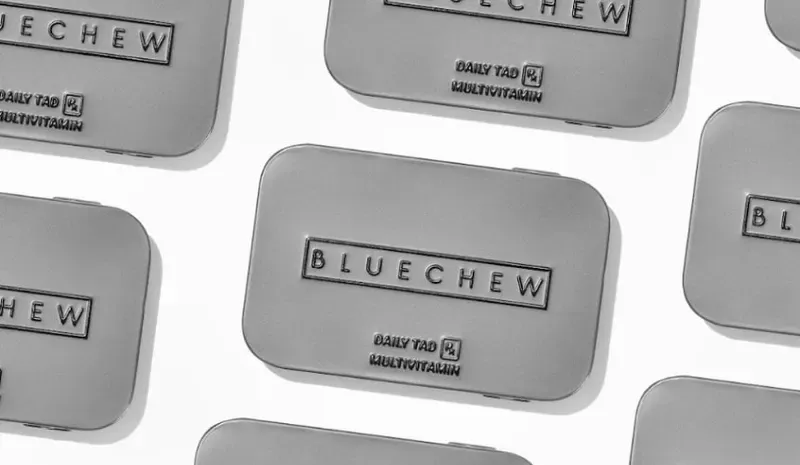
If erectile difficulties are part of the issue, BlueChew offers prescription ED treatments through an online process with licensed provider review when appropriate.
Key Takeaways
- Depression may affect libido, arousal, erection quality, energy, confidence, and emotional connection.
- Sexual difficulties may also worsen mood, stress, or relationship tension.
- Antidepressants may contribute to sexual side effects for some people, but medication changes should only be made with a healthcare provider.
- Therapy, communication, lifestyle support, and medical care may all play a role.
- If ED is also present, prescription ED treatment may help support the physical side of sexual function when appropriate.
Understanding the Link Between Depression and Sexual Health
Depression affects more than mood. It can influence energy, motivation, pleasure, sleep, confidence, and the ability to feel emotionally present.
Sexual health may be affected through:
- Lower desire
- Reduced interest in intimacy
- Difficulty becoming aroused
- Erectile difficulties
- Delayed orgasm
- Emotional numbness
- Avoidance of sex
- Relationship strain
These symptoms do not mean your sex life is permanently changed. They may be signs that your mental health, physical health, relationship dynamics, or medications need attention.
How Depression Can Affect Sexual Function
Depression may interfere with sexual function in several ways. It can make pleasure feel distant, reduce energy, and make intimacy feel like pressure instead of connection.
Common depression-related barriers include:
- Fatigue
- Low self-esteem
- Negative self-talk
- Stress or anxiety
- Difficulty concentrating
- Feeling disconnected from your body
- Fear of disappointing your partner
For some men, depression mainly affects desire. For others, it may also affect erections, orgasm, or confidence.
Recognizing the Depression-Sex Cycle
Sexual difficulties can sometimes make depression feel worse. If ED or low libido happens repeatedly, you may start avoiding intimacy to prevent embarrassment or disappointment.
This cycle may look like:
- Depression lowers desire or confidence
- Sex starts to feel stressful
- ED or low libido becomes more likely
- You avoid intimacy
- Relationship distance increases
- Mood and confidence worsen
Breaking the cycle usually means addressing both sides. Mental health support can help with mood and confidence, while ED treatment may help when erection difficulties are part of the pattern.
Can Sex Help With Depression and Anxiety?
Sex and intimacy may support emotional connection, but they should not be treated as a replacement for depression treatment. For some people, affectionate touch, closeness, and satisfying intimacy may help reduce stress or improve connection.
Potential benefits of intimacy may include:
- Feeling emotionally closer to a partner
- Reducing loneliness
- Supporting relaxation
- Creating moments of pleasure
- Rebuilding confidence
- Improving communication
However, sex can also feel stressful when depression, ED, or relationship pressure is present. The goal is to rebuild intimacy in a way that feels safe, mutual, and low-pressure.
The Role of Connection and Oxytocin
Physical closeness may affect emotional bonding. Research has explored oxytocin’s role in social behavior, stress responses, emotional states, and sexual function.
This does not mean sex is a cure for depression. It simply means that touch, closeness, and emotional connection may be one supportive part of a broader mental health plan.
Ways to rebuild connection may include:
- Cuddling
- Holding hands
- Kissing
- Massage
- Spending focused time together
- Talking without distractions
- Rebuilding trust outside the bedroom
Non-sexual intimacy can still matter. It may help reduce pressure while keeping the relationship connected.
Addressing Low Libido and ED
Low libido and ED are different issues, but they can overlap. Low libido means reduced interest or desire for sex, while ED means difficulty getting or maintaining an erection firm enough for sexual activity.
Depression may contribute to both by affecting:
- Mood
- Energy
- Confidence
- Sleep
- Stress levels
- Relationship comfort
- Medication response
If low libido is the main concern, a mental health provider or prescribing clinician may be the best first step. If ED is also present, a provider may discuss ED treatment options.
Practical Strategies That May Help
There is no single fix for depression-related sexual difficulties. A realistic plan may include emotional, physical, and relationship support.
Helpful steps may include:
- Talking with your healthcare provider
- Reviewing medications and side effects
- Seeking therapy or counseling
- Improving sleep consistency
- Reducing alcohol
- Avoiding nicotine
- Adding regular movement
- Rebuilding intimacy gradually
- Talking openly with your partner
These steps are supportive, not guaranteed cures. They work best when matched to the cause of your symptoms.
Communicating With Your Partner
Depression and sexual difficulties can create misunderstanding. A partner may assume you are not attracted to them, even when the issue is related to mood, stress, medication, or ED.
Try to talk outside the bedroom, when there is less pressure. You might say:
“I’ve been dealing with depression, and it’s affecting my sex drive and confidence. It’s not about my attraction to you. I want us to stay connected while I figure out what support I need.”
Helpful communication habits include:
- Speaking before frustration builds
- Reassuring your partner when true
- Avoiding blame
- Naming what kind of support helps
- Making space for your partner’s feelings too
This can turn the issue into a shared health concern instead of a private source of shame.
Lifestyle Support for Mood and Sexual Health
Lifestyle changes may support both depression and sexual health, but they should not be framed as guaranteed solutions. They are best used as part of a broader care plan.
Supportive habits may include:
- Regular physical activity
- Consistent sleep
- Stress management
- Limiting alcohol
- Avoiding nicotine
- Eating more whole foods
- Staying socially connected
- Following your mental health treatment plan
Small changes may be more realistic than major overhauls. Depression can make motivation harder, so consistency matters more than intensity.
Rebuilding Intimacy Without Pressure
When sex feels stressful, it may help to rebuild intimacy gradually. Not every intimate moment needs to lead to intercourse.
Low-pressure ways to reconnect include:
- Cuddling without expectations
- Taking a walk together
- Sharing a meal without screens
- Giving each other a massage
- Kissing without rushing
- Spending time in bed without performance pressure
This can help intimacy feel safer again. Desire and confidence may return gradually when pressure decreases.
When ED Is Part of the Problem
If depression is affecting your sex life and ED is also present, treating the physical side may help reduce one source of stress. ED treatment may support erection function during sexual stimulation, but it does not directly treat depression or automatically create desire.
PDE5 inhibitors may be considered when appropriate. Common options include:
- Sildenafil: Often used before sexual activity and commonly associated with a shorter active window.
- Tadalafil: Known for a longer active window, which may allow for more flexibility.
- Vardenafil: Often used before sexual activity and has a similar use case to sildenafil.
Your provider should review your cardiovascular history, medication list, and contraindications before prescribing ED treatment.
Medical Support for ED and Sexual Confidence
ED can make intimacy feel unpredictable. When erection difficulties happen repeatedly, some men become anxious before sex even starts.
A provider-guided ED treatment plan may help if:
- ED is recurring
- You avoid sex because of erection concerns
- Performance anxiety is increasing
- ED is affecting your relationship
- Depression treatment is helping mood but ED remains
ED medication is only one part of care. Therapy, partner communication, and mental health treatment may still be important when depression or anxiety is involved.
Exploring Convenient ED Treatment Options
Some men prefer telehealth for ED because it can feel more private and convenient. It may be useful when ED is the main concern and a licensed provider can safely review your medical history.
Telehealth may be a good fit if:
- Your symptoms are not sudden or severe
- You can share your medications and health history accurately
- You are getting separate support for depression or anxiety when needed
An in-person evaluation may be better if ED appears suddenly, worsens quickly, comes with other symptoms, or is linked with unmanaged depression. If you use telehealth, be honest about your medications, health conditions, cardiovascular history, and mental health symptoms so the provider can decide whether ED treatment is appropriate.
How BlueChew May Support Your Journey
BlueChew offers prescription ED treatments through an online process, with provider review and discreet delivery when prescribed. This may be helpful for men who want a convenient way to explore ED treatment.
BlueChew treatments are designed for erectile dysfunction and sexual performance enhancement. Depending on the plan, formulations may include sildenafil, tadalafil, vardenafil, or multi-ingredient options.
BlueChew may be relevant if:
- ED is part of your sexual concerns
- You want to explore prescription ED treatment
- A licensed provider determines treatment is appropriate
- You continue addressing depression, anxiety, or relationship stress when needed
ED treatment does not replace mental health care. It may support the physical side of sexual function while other parts of the cycle are addressed separately.
BlueChew Product Options
BlueChew offers several product options for ED and sexual performance support.
- SIL: 45 mg sildenafil, works within 15 minutes, lasting up to 6 hours
- TAD: 9 mg tadalafil, effective within 15 minutes, lasting up to 36 hours
- VAR: 8 mg vardenafil, takes effect within 15 minutes, lasting up to 6 hours
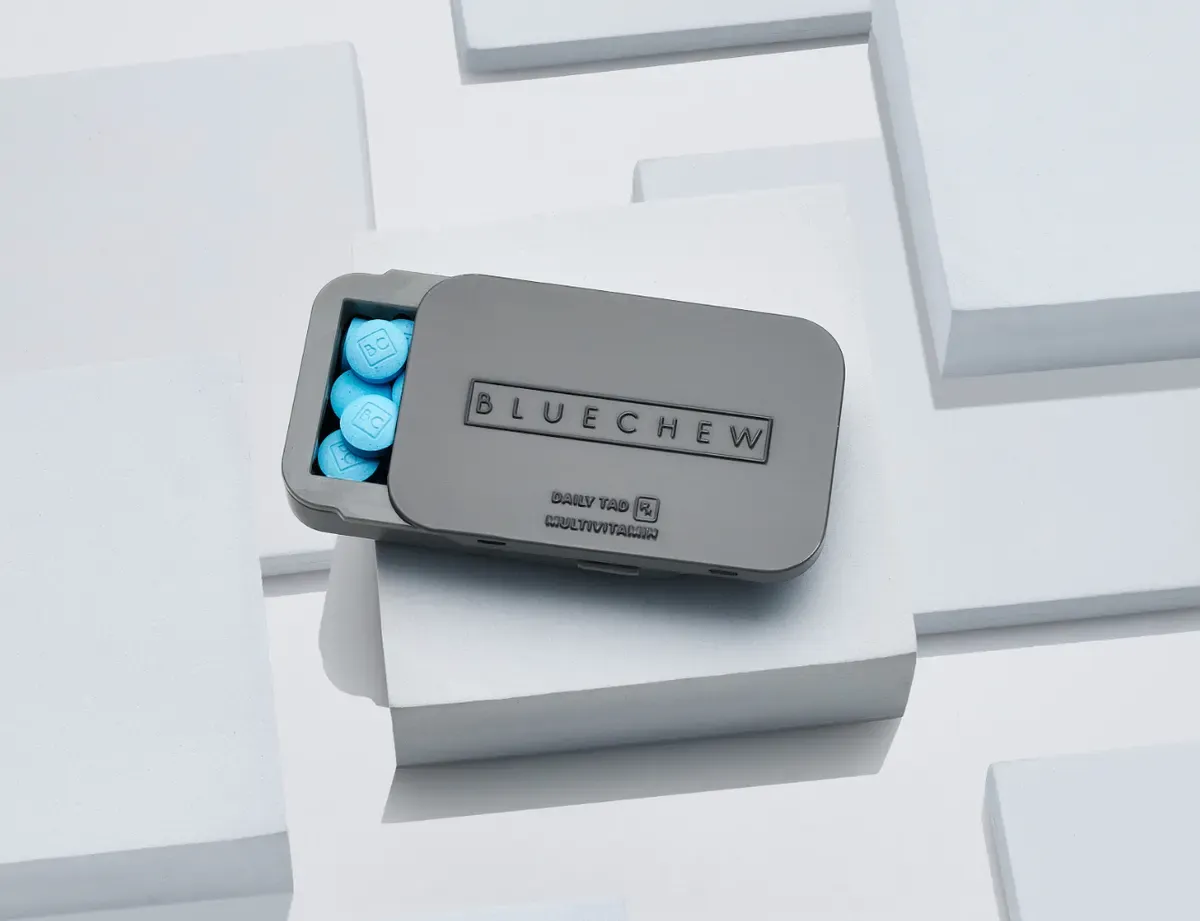
- DailyTAD: 9 mg tadalafil plus 7 essential vitamins, lasting up to 36 hours
- MAX: 45 mg sildenafil + 18 mg tadalafil combo, lasting up to 36 hours
- VMAX: 14 mg vardenafil + 18 mg tadalafil combo, lasting up to 36 hours
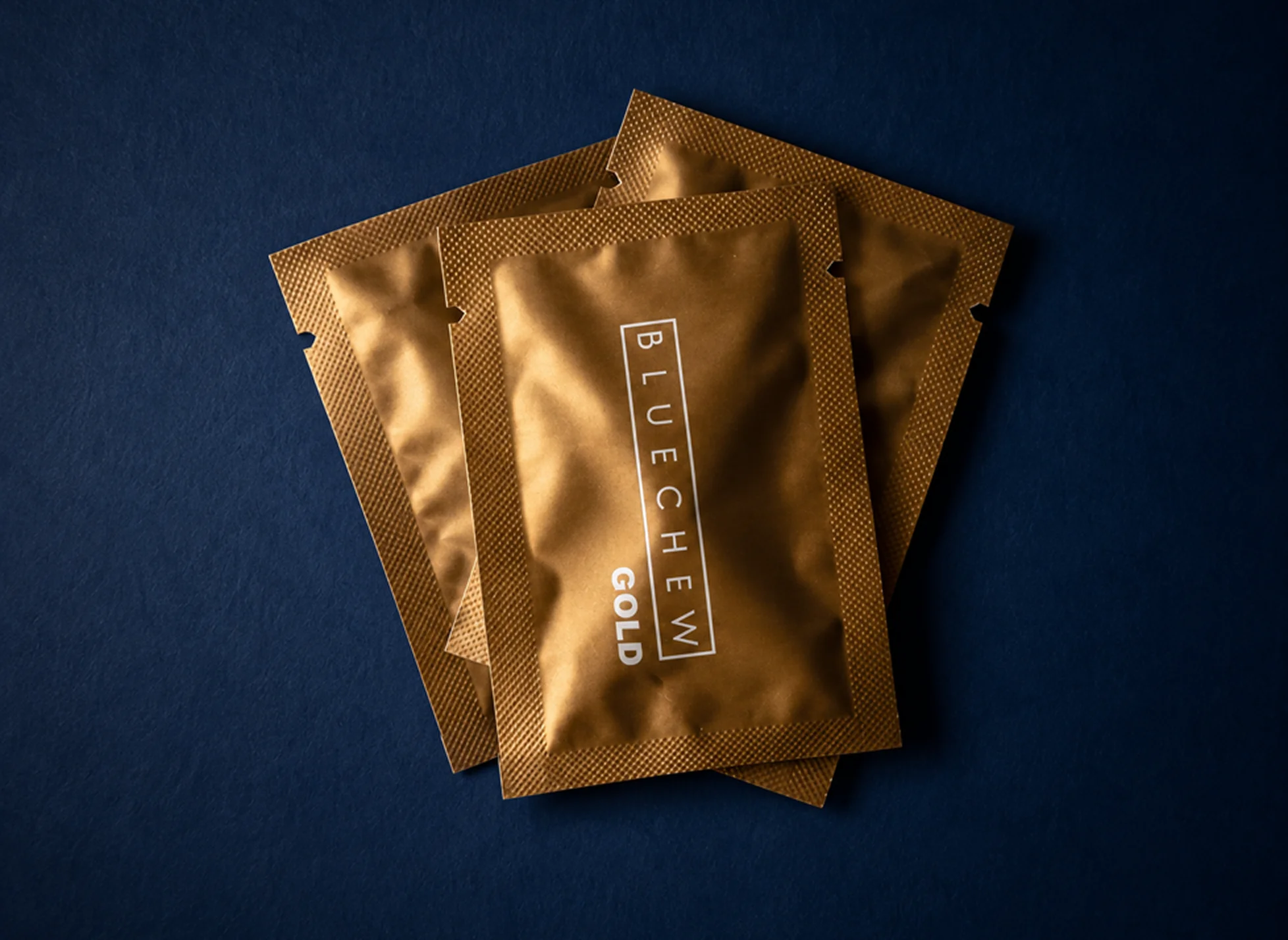
- GOLD: sildenafil, tadalafil, oxytocin, and apomorphine sublingual tablet, lasting up to 36 hours
To learn more about BlueChew’s process, visit this guide on how BlueChew works.

Frequently Asked Questions
Can depression directly cause erectile dysfunction?
Depression may contribute to ED by affecting mood, energy, confidence, stress levels, sleep, and sexual desire. It can also make it harder to stay present during intimacy, which may affect arousal and erection quality. However, ED can also be related to physical health, medication side effects, alcohol use, or relationship stress. A healthcare provider can help determine which factors may be contributing.
How quickly can I expect my sex life to improve?
There is no single timeline for improvement. Some men notice changes as mood, sleep, and confidence improve, while others need medication review, therapy, ED treatment, or relationship support. If ED medication is prescribed, timing depends on the specific medication and individual response. Longer-term confidence often improves gradually as the underlying factors are addressed.
Are there BlueChew products for ED with psychological factors?
BlueChew offers prescription ED treatments that may help support the physical side of erectile function when appropriate. If psychological factors like depression, anxiety, or performance pressure are involved, mental health support may still be important. GOLD includes sildenafil, tadalafil, oxytocin, and apomorphine, but a provider should determine whether it is appropriate for your situation. ED treatment should be viewed as one part of a broader plan, not a replacement for depression care.
What steps can I take with my partner to address sex issues linked to depression?
Start by talking outside the bedroom so the conversation feels less pressured. Explain that depression can affect desire, confidence, and sexual function, and reassure your partner if the issue is not about attraction. Rebuild intimacy with low-pressure touch, affection, and shared time together. Couples counseling may also help if communication has become strained or both partners feel stuck.
Is it safe to combine BlueChew products with depression medication?
Some men may be able to use ED medications while taking depression medication, but it depends on their health history and current prescriptions. A licensed provider should review your medications, cardiovascular history, and any contraindications before prescribing ED treatment. This is especially important if you take nitrates or have certain heart-related concerns. Always disclose all medications during your consultation.
BLUECHEW EDITORIAL STANDARDS
This article is provided for informational purposes only and does not constitute medical advice. The information presented is not a substitute for professional medical advice, diagnosis, or treatment. Always consult your healthcare provider to discuss the risks, benefits, and appropriateness of any treatment.
BlueChew offers access to healthcare providers who may prescribe compounded medications for the treatment of erectile dysfunction.
The featured products include compounded medications that have not been approved by the FDA. Compounded medications may be prescribed under federal law but are not the same as, nor are they generic versions of, any FDA-approved medication. The FDA does not review compounded medications for safety, effectiveness, or manufacturing quality of compounded products. A prescription will only be written if deemed appropriate after the digital consultation by the licensed medical provider. Individual results may vary.
BlueChew is not a compounding pharmacy but a telemedicine service that links patients to licensed medical providers.
RELATED ARTICLES



Have Better Sex
- 100% online process
- No office visit required
- Discreet shipping, if prescribed
*Prescription products require an online review by a licensed provider. Restrictions apply.

 Medically reviewedEvery article is reviewed by a licensed provider on the BlueChew medical team.