How Ashwagandha Can Help With Sexual Performance for Men

Interest in natural approaches to men's sexual health continues to grow, and ashwagandha has become one of the better-studied adaptogenic herbs for supporting male vitality.
While prescription options like BlueChew provide targeted solutions for erectile dysfunction, understanding what ashwagandha can and cannot do helps you make more informed choices about your sexual wellness routine.
Ashwagandha (Withania somnifera) has been used in Ayurvedic medicine for centuries. Modern clinical research has examined how it may affect sexual desire, semen parameters, stress, hormones, and overall vitality.
The key distinction is simple: ashwagandha may support sexual wellness indirectly, but it is not a direct ED treatment. This guide explains where the herb may help, where the evidence is limited, and when prescription options may be a better fit.
Key Takeaways
- Ashwagandha may support sexual desire, satisfaction, and semen parameters, but it should not be positioned as a direct erectile dysfunction treatment.
- A hormone-focused trial found modest increases in testosterone and DHEA-S after 8 weeks compared with placebo.
- Ashwagandha may be most useful for men whose sexual concerns are tied to stress, fatigue, low mood, or reduced desire.
- Clinical studies often use 300 mg twice daily for several weeks, but product quality, extract type, and withanolide content can vary.
- Men with ongoing difficulty getting or maintaining erections should consider medical evaluation and evidence-based ED treatments.
Understanding Ashwagandha: An Adaptogen for Men's Health
Ashwagandha belongs to a class of herbs called adaptogens. These herbs are commonly used to help the body respond to stress and maintain balance during periods of physical or mental pressure.
For sexual health, stress matters because it can affect:
- Desire
- Arousal
- Energy
- Confidence
- Sleep quality
- Hormonal balance
Ashwagandha does not work like prescription ED medication. Its potential benefits build gradually and are more closely tied to general wellness, stress resilience, and libido support.
What Defines an Adaptogen?
Adaptogens are commonly discussed for their role in helping the body respond to stress. In research literature, adaptogens have been described as substances that may support the body's nonspecific stress resistance and help regulate stress-related physiological pathways.
In clinical settings, ashwagandha has also been studied for stress and anxiety outcomes, including perceived stress and cortisol-related measures. When stress becomes chronic, it can affect mood, sleep, energy, and sexual performance. That is why ashwagandha is most relevant for men whose sexual concerns overlap with fatigue, anxiety, or reduced desire.
Key characteristics of adaptogens include:
- Supporting the body's stress response
- Working gradually over time
- Affecting multiple wellness pathways
- Supporting wellness rather than treating disease
This makes ashwagandha a possible support tool, not a replacement for medical care when erectile dysfunction is persistent.
Does Ashwagandha Boost Testosterone in Men?
One common reason men consider ashwagandha is its reputation as a natural testosterone booster. The evidence is encouraging in some studies, but the changes are generally modest.
The Link Between Ashwagandha and Male Hormones
A randomized, double-blind crossover trial in overweight men found that 8 weeks of ashwagandha extract was associated with higher testosterone and DHEA-S compared with placebo.
That same trial reported an 18% greater increase in DHEA-S and a 14.7% greater increase in testosterone. However, improvements in fatigue, vigor, and sexual well-being occurred over time in both the ashwagandha and placebo groups, without significant between-group differences for those outcomes.
That means the hormone findings are useful, but they should not be oversold.
Important takeaways:
- Testosterone changes appear modest.
- Results may depend on age, stress, fatigue, and baseline hormone status.
- Benefits may fade after stopping supplementation.
- One extract's results may not apply to every supplement.
Ashwagandha may support healthy hormone balance in some men, but it is not testosterone therapy.
Research on Testosterone and Ashwagandha Supplementation
The hormone-related effects of ashwagandha may be partly connected to stress. Ongoing stress can affect sleep, energy, mood, and sexual interest.
A placebo-controlled stress trial found that ashwagandha was linked with improvements in stress and anxiety. This may help explain why some men feel better overall while using it, especially if stress is affecting libido or performance confidence.
Still, ashwagandha does not diagnose or treat low testosterone. Men with symptoms such as persistent fatigue, low libido, mood changes, or reduced muscle mass should speak with a healthcare provider about testing and treatment options.
Ashwagandha's Role in Male Sexual Performance Beyond Testosterone
While testosterone gets attention, ashwagandha's potential benefits for sexual wellness may extend beyond hormone levels alone.
Reducing Performance Anxiety with Ashwagandha
Stress can interfere with sexual function before anything physical happens. When you're anxious, distracted, or exhausted, desire and arousal can become harder to maintain.
Ashwagandha may help some men by supporting a calmer stress response. Clinical research on ashwagandha has reported improvements in stress symptoms, which may indirectly support sexual confidence and readiness.
That said, performance anxiety can have many causes. Ashwagandha may be one tool, but it is not a replacement for therapy, medical evaluation, or prescription ED treatment when those are needed.
Improving General Sexual Well-Being
A randomized clinical trial in healthy adult men found that standardized ashwagandha root extract improved several measures of male sexual health compared with placebo over 8 weeks.
Reported areas of improvement included:
- Sexual desire
- Satisfying sexual events
- Some IIEF measures
- Semen volume
- Total sperm count
- Total sperm motility
These findings are promising, but they should be interpreted carefully. The results came from a specific extract, dose, and population. They may not apply to every ashwagandha supplement or every man.
Ashwagandha for Libido and Desire
The strongest case for ashwagandha is not that it treats ED. It may support desire, satisfaction, and stress-related sexual wellness.
Ashwagandha as a Natural Aphrodisiac
In a placebo-controlled trial, men taking standardized ashwagandha root extract showed improved sexual desire scores over the study period.
That matters because libido depends on more than blood flow. Stress, sleep, mood, confidence, relationship dynamics, and energy levels can all affect desire.
Ashwagandha may be most useful if you notice:
- Lower desire during stressful periods
- Reduced sexual confidence
- Fatigue that affects intimacy
- Mild wellness-related performance concerns
- Interest in natural support alongside healthy habits
It is less appropriate as a primary option if you consistently struggle to get or maintain erections.
Boosting Libido with Herbal Support
Ashwagandha's libido-related effects may involve several pathways:
- Lower perceived stress
- Better mood
- Less fatigue
- Improved sleep quality
- Modest hormone support
- Greater overall vitality
Because these pathways are indirect, the timeline is different from ED medication. Prescription ED medications can work within minutes. Ashwagandha studies usually measure results after weeks of daily use.
That distinction is important. Ashwagandha may support the conditions that make sexual activity feel easier, but it does not directly trigger the blood-flow response needed for an erection.
Potential Side Effects and Safe Usage of Ashwagandha for Men
Ashwagandha is widely available as a supplement, but natural does not automatically mean risk-free. Responsible use starts with understanding dosage, product quality, and safety concerns.
Recommended Dosages and Administration
Several male sexual health studies use 300 mg twice daily for several weeks. That makes 300 mg twice daily a common research-based reference point, though products differ by extract type and withanolide content.
Practical supplement tips:
- Choose standardized extracts when possible.
- Check withanolide content on the label.
- Avoid combining multiple ashwagandha products.
- Start with the lowest reasonable dose.
- Stop use if unusual symptoms develop.
- Ask a healthcare provider if you take medications.
Effects generally build gradually. If a product feels immediately stimulating, that may come from other ingredients rather than ashwagandha itself.
Who Should Be Careful With Ashwagandha?
Ashwagandha appears well tolerated in some short-term clinical studies, but that does not mean it is risk-free for everyone. Reports of suspected liver injury have been described in a small case series, so men with liver concerns should speak with a healthcare provider before using it.
Be cautious with ashwagandha if you:
- Have liver concerns
- Take prescription medications
- Use multiple supplements
- Have a chronic medical condition
- Are preparing for surgery
- Notice unusual symptoms after starting it
Stop taking the supplement and seek medical care if symptoms such as jaundice, dark urine, severe fatigue, or persistent nausea appear.
Ashwagandha vs. Prescription ED Medications
This is where honest, evidence-based information matters. Ashwagandha may offer real wellness benefits, but it is not an erectile dysfunction treatment and should not be positioned as a substitute for prescription ED medications.
How Ashwagandha Works Compared to ED Pills
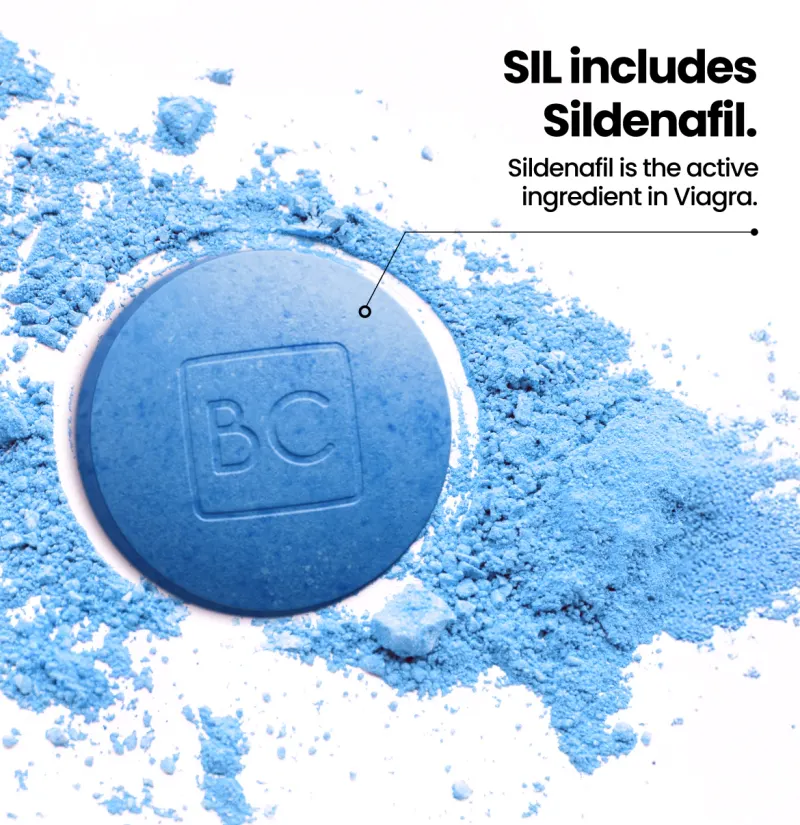
Ashwagandha works indirectly through stress, mood, vitality, and hormone-related pathways. PDE5 inhibitors like sildenafil, tadalafil, and vardenafil work directly on the erection process by helping increase blood flow to the penis during sexual arousal.
A controlled study in men with psychogenic ED found no significant difference between ashwagandha and placebo. Both groups showed less than 25% improvement on IIEF, which the study classified as no relief.
That finding matters because it shows why ashwagandha should not be treated as an ED medication.
Ashwagandha may be a better fit for:
- Stress-related libido concerns
- General vitality support
- Wellness routines
- Gradual support over weeks
- Men without persistent ED
Prescription ED medication may be a better fit for:
- Ongoing difficulty getting erections
- Trouble maintaining erections
- More predictable on-demand support
- ED linked to blood-flow issues
- Men who need medical evaluation
Ashwagandha may complement a broader wellness routine, but it should not replace medical treatment for diagnosed ED.
When to Consider Prescription Options for ED
If you experience consistent difficulty achieving or maintaining erections sufficient for sexual activity, prescription ED medications may be more appropriate.
Medical treatment may be worth considering if you notice:
- Difficulty getting erections on most occasions
- Trouble maintaining erections during sex
- Reduced confidence around intimacy
- Relationship stress tied to ED
- Health conditions that affect blood flow
- Limited improvement from lifestyle changes alone
ED can also be an early sign of cardiovascular disease, diabetes, or other health concerns. A medical evaluation can help identify the cause and determine the safest treatment path.
Integrating Ashwagandha into a Holistic Sexual Wellness Routine
For men seeking to optimize sexual health naturally, ashwagandha works best as part of a broader routine rather than a standalone solution.
Beyond Supplements: Supporting Sexual Health Naturally
Sexual function depends on several interconnected systems:
- Cardiovascular health
- Hormonal balance
- Stress regulation
- Sleep quality
- Mental well-being
- Relationship communication
- Physical fitness
Ashwagandha may support some of these areas, but it cannot replace the basics. Regular movement, balanced meals, sleep, stress management, and medical checkups often matter more than any single supplement.
Helpful lifestyle strategies include:
- Getting regular cardiovascular exercise
- Prioritizing 7-9 hours of sleep
- Managing stress consistently
- Limiting heavy alcohol use
- Maintaining a healthy weight
- Addressing medical conditions early
These habits also support erectile health because erections depend heavily on blood flow, nerve signaling, and overall metabolic health.
Complementary Practices for Enhanced Well-Being
Ashwagandha may fit best alongside practices that already support stress reduction and sexual health.
Consider pairing it with:
- Strength training
- Walking or aerobic exercise
- Meditation or breathing exercises
- Better sleep routines
- Reduced late-night alcohol use
- Open communication with partners
- Regular checkups for blood pressure, glucose, and cholesterol
The goal is not to rely on ashwagandha alone. The goal is to build a lifestyle that supports desire, energy, confidence, and physical readiness.
When BlueChew May Be the Right Choice for Sexual Performance
While ashwagandha may support stress reduction and general sexual wellness, there comes a point when natural approaches may not be enough for erectile concerns.
Recognizing When Supplements Aren't Enough
Supplements are not designed to treat diagnosed erectile dysfunction. If you have tried lifestyle modifications and still experience consistent erectile difficulties, it may be time to explore prescription options.
Signs that supplements may not be enough include:
- Erections are difficult to achieve most of the time.
- Erections do not last long enough for sex.
- ED is affecting confidence or relationships.
- You have diabetes, high blood pressure, or vascular concerns.
- Natural approaches have not produced reliable improvement.
This does not mean you did anything wrong. It simply means your body may need a targeted treatment that works on the erection pathway directly.
How BlueChew Addresses Erectile Dysfunction
BlueChew provides prescription ED medications through a convenient telemedicine platform. The process is 100% online, removing the need for in-person doctor visits or pharmacy pickups.
The process is simple:
- Complete a brief online medical intake.
- A licensed provider reviews your information.
- If approved, treatment ships discreetly to your door.
DailyTAD comes in a chewable tablet. SIL, VAR, TAD, MAX, VMAX, and GOLD are available as a sublingual tablet.
BlueChew’s complete product lineup includes:
- SIL: 30 mg or 45 mg sildenafil, from $2.95/tablet, works in 15 minutes, lasting up to 6 hours
- TAD: 6 mg or 9 mg tadalafil, from $3.58/tablet, effective within 15 minutes, lasting up to 36 hours
- VAR: 8 mg vardenafil, from $4.34/tablet, takes effect in 15 minutes, lasting up to 6 hours
- DailyTAD: 9 mg tadalafil plus 7 essential vitamins, $2.23/tablet, lasting up to 36 hours
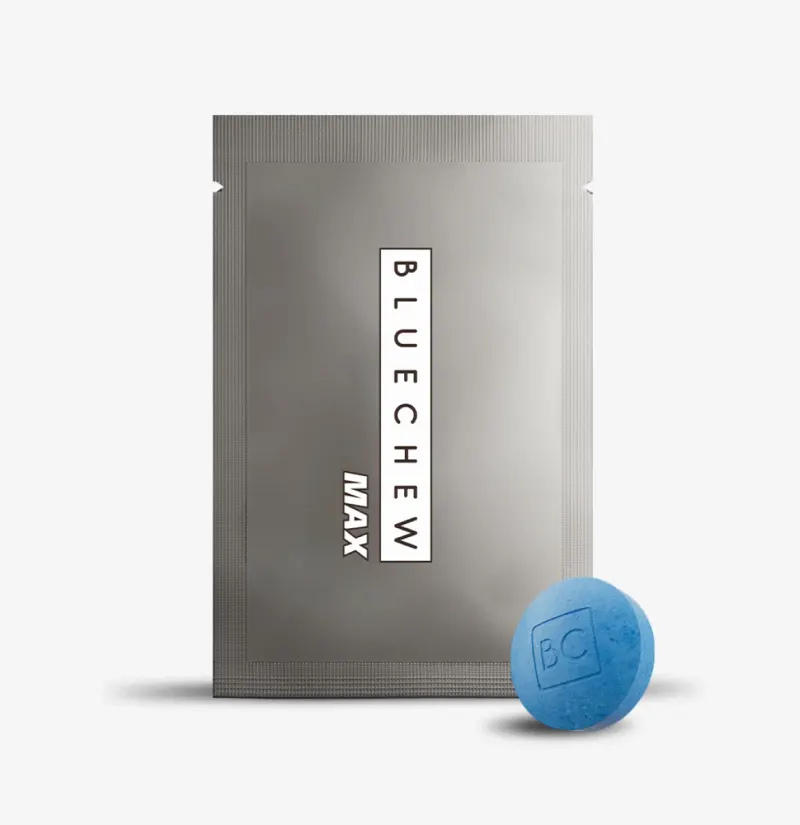
- MAX: 45 mg sildenafil + 18 mg tadalafil combo, $5.63/tablet, lasting up to 36 hours
- VMAX: 14 mg vardenafil + 18 mg tadalafil combo, $5.63/tablet, lasting up to 36 hours
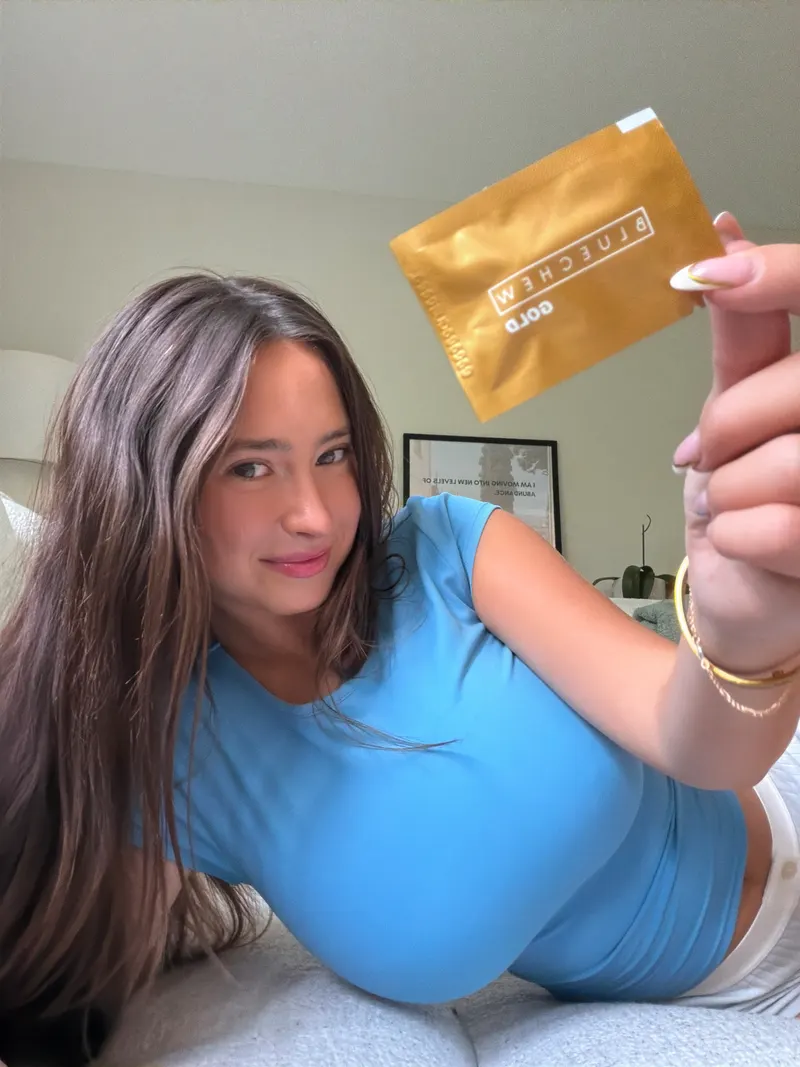
- GOLD: sildenafil, tadalafil, oxytocin, and apomorphine sublingual tablet, from $7.30/tablet, lasting up to 36 hours
If you have been exploring ashwagandha for sexual wellness but your needs go beyond what supplements can address, BlueChew offers a straightforward path to prescription solutions.
Frequently Asked Questions
What is ashwagandha and how does it relate to sexual health?
Ashwagandha is an adaptogenic herb traditionally used in Ayurvedic medicine. Clinical research has examined its effects on stress, sexual desire, semen parameters, and hormone-related markers. It may support sexual wellness indirectly by helping with stress, fatigue, and libido. It should not be treated as a direct ED medication.
Can ashwagandha directly treat erectile dysfunction like prescription medications?
No. Ashwagandha does not work like sildenafil, tadalafil, or vardenafil. A controlled study in men with psychogenic ED found no significant advantage over placebo. Men with ongoing erectile difficulties should speak with a healthcare provider about medical causes and prescription options.
How quickly can I expect results from ashwagandha?
Ashwagandha is not an on-demand sexual performance aid. Most studies measure results after several weeks of daily supplementation, often around 8 weeks. Its effects appear to build gradually through stress, sleep, mood, and hormone-related pathways. For faster, more targeted ED support, prescription medication may be more appropriate.
What lifestyle changes complement ashwagandha?
Ashwagandha works best alongside healthy habits that support sexual function. Regular exercise, adequate sleep, stress management, balanced nutrition, and limited alcohol intake all support blood flow, energy, and hormonal health. These habits also help address the same stress-related pathways ashwagandha may support. For persistent ED, lifestyle changes should be paired with medical evaluation.
When should I consider BlueChew instead of supplements?
Consider prescription options if you consistently have trouble getting or maintaining erections. Supplements like ashwagandha may support libido or stress resilience, but they are not designed to directly treat ED. BlueChew connects patients with licensed providers who can determine whether prescription ED medication is appropriate. If approved, treatment ships discreetly to your door.
This article is provided for informational purposes only and does not constitute medical advice. The information presented is not a substitute for professional medical advice, diagnosis, or treatment. Always consult your healthcare provider to discuss the risks, benefits, and appropriateness of any treatment.
BlueChew offers access to healthcare providers who may prescribe compounded medications for the treatment of erectile dysfunction.
The featured products include compounded medications that have not been approved by the FDA. Compounded medications may be prescribed under federal law but are not the same as, nor are they generic versions of, any FDA-approved medication. The FDA does not review compounded medications for safety, effectiveness, or manufacturing quality of compounded products. A prescription will only be written if deemed appropriate after the digital consultation by the licensed medical provider. Individual results may vary.
BlueChew is not a compounding pharmacy but a telemedicine service that links patients to licensed medical providers.
Other Helpful Articles