How to Boost Low Libido in Men

A dip in sexual desire can feel isolating, but it's far more common than most men realize. Low libido affects millions of men and often stems from a combination of physical, hormonal, and psychological factors that are entirely addressable with the right approach. Whether stress has been weighing you down, your energy feels depleted, or you're noticing changes in how your body responds, understanding what drives male sex drive is the first step toward reclaiming it.
The good news? Science has identified clear pathways to boost libido naturally through lifestyle changes, and when those aren't enough, medical interventions may help if erectile dysfunction is contributing to reduced confidence or avoidance of intimacy. BlueChew offers prescription options for erectile function support. From diet and exercise to addressing underlying erectile dysfunction, this guide covers practical strategies backed by research to help you feel like yourself again.
Key Takeaways
- Low libido in men often results from treatable factors including stress, poor sleep, low testosterone, or erectile dysfunction
- Lifestyle changes like regular exercise may support erectile function and overall sexual health, with research showing aerobic exercise can improve erectile function in men with ED
- Testosterone testing may be worth discussing with a healthcare provider when low libido, fatigue, mood changes, or erectile concerns persist
- Addressing erectile concerns directly can help support sexual confidence and interest in intimacy
- ED often remains undertreated, and barriers like embarrassment, privacy concerns, and access to care can keep men from seeking help
Understanding Male Libido: What's Normal and What Causes a Dip?
Sexual desire naturally fluctuates throughout life. What matters isn't hitting some arbitrary benchmark, but whether your current libido aligns with your relationship goals and personal satisfaction.
Defining Low Libido
Low libido isn't about comparing yourself to others or to your younger self. It's characterized by a persistent decrease in interest in sexual activity that bothers you or affects your relationships. Some men notice a gradual decline, while others experience sudden shifts.
The key question isn't "How often should I want sex?" but rather "Is my current level of desire working for me and my partner?"
Common Causes of Diminished Desire
Male sex drive depends on a complex interplay of factors. Understanding these can help you identify what might be affecting you.
Physical factors:
- Testosterone decline (natural or pathological)
- Cardiovascular issues affecting blood flow
- Chronic conditions like diabetes or obesity
- Medication side effects from antidepressants, blood pressure drugs, or other prescriptions
- Sleep disorders and chronic fatigue
Psychological factors:
- Stress from work, finances, or relationships
- Depression and anxiety
- Performance anxiety creating a negative feedback loop
- Relationship conflicts or communication breakdowns
Lifestyle factors:
- Poor diet lacking essential nutrients
- Sedentary habits reducing energy and circulation
- Excessive alcohol consumption
- Sleep deprivation disrupting hormone production
Research shows that testosterone levels naturally fluctuate, and many factors beyond simple aging can influence both hormone levels and sexual desire.
Lifestyle Changes: Natural Ways to Increase Male Sex Drive
Before reaching for supplements or medications, evidence-based lifestyle modifications can meaningfully impact libido. These changes support your body's natural systems for desire and performance.
Nutrient-Rich Foods for Libido Enhancement
Your diet directly influences hormone production, blood flow, and energy levels. A Mediterranean-style diet has been associated with better erectile function, likely due to its support for cardiovascular and vascular health.
Foods that support sexual health:
- Zinc-rich options like oysters, beef, and pumpkin seeds (zinc supports testosterone production)
- Leafy greens and beets for nitric oxide production
- Fatty fish for omega-3s that support circulation
- Antioxidant-rich berries and dark chocolate
Limiting processed foods, excessive sugar, and saturated fats helps maintain healthy blood vessels and hormone balance.
The Role of Exercise and Sleep
Physical activity may be the single most powerful lifestyle intervention for sexual health. Studies suggest that regular aerobic activity can support erectile function, with benefits likely tied to improved cardiovascular health, circulation, and metabolic health.
Exercise benefits include:
- Improved cardiovascular function and blood flow
- Natural testosterone support (especially resistance training)
- Stress reduction through endorphin release
- Better body image and confidence
Sleep quality matters equally. Your body produces most of its testosterone during deep sleep, making 7-9 hours nightly essential for maintaining healthy hormone levels and sexual desire.
Mindfulness and Stress Reduction
Chronic stress elevates cortisol, which can suppress testosterone and sexual desire. Incorporating stress management practices creates space for libido to return naturally.
Effective approaches:
- Meditation or deep breathing exercises
- Regular physical activity
- Setting boundaries around work
- Therapy or counseling when needed
Hormonal Health: When Testosterone Boosters Might Be Considered
Testosterone plays a central role in male libido, but the supplement market is full of unproven products. Understanding when medical evaluation is warranted helps you make informed decisions.
Identifying Low Testosterone
Low testosterone may contribute to low libido and erectile concerns in some men, but diagnosis typically requires symptoms plus consistently low morning testosterone levels confirmed through testing. Symptoms extend beyond low libido to include fatigue, mood changes, and reduced muscle mass.
Only blood testing can confirm testosterone levels. If you're experiencing persistent symptoms, consulting a healthcare provider for comprehensive hormone panels is worthwhile.
Over-the-Counter Boosters vs. Prescription Therapies
Most over-the-counter testosterone boosters lack robust clinical evidence. While some supplements like zinc or vitamin D may help if you're deficient, they won't significantly raise testosterone in men with normal nutritional status.
Testosterone replacement therapy (TRT) is the evidence-based treatment for clinically low testosterone. However, it requires proper medical supervision due to potential side effects and isn't appropriate for men concerned about fertility.
Potential Risks and Side Effects
TRT can be effective but carries considerations including the need for ongoing monitoring, potential cardiovascular effects, and fertility implications. For men with confirmed low testosterone and ED, a healthcare provider may consider whether testosterone therapy, ED medication, or a supervised combination approach is appropriate based on symptoms, lab results, and overall health.
Always work with a qualified healthcare provider rather than self-treating hormonal issues.
Addressing Erectile Dysfunction: A Key Factor in Low Male Libido
Here's something many men don't realize: erectile dysfunction and low libido often feed each other in a frustrating cycle. When erections become unreliable, the resulting anxiety and disappointment can dampen desire itself.
The Link Between ED and Libido
Sexual confidence matters for desire. When men experience repeated difficulties achieving or maintaining erections, many unconsciously begin avoiding sexual situations altogether. This avoidance can manifest as "low libido" when the underlying issue is actually performance anxiety or ED.
Research on understanding erectile dysfunction shows that addressing ED often restores both function and desire simultaneously.
Medical Interventions for ED
PDE5 inhibitors (the medication class including sildenafil, tadalafil, and vardenafil) remain the first-line medical treatment for ED. These medications work by enhancing blood flow to the penis when you're sexually aroused, though results can vary based on the specific medication, underlying causes, and overall health.
How PDE5 inhibitors work:
- Block the PDE5 enzyme that breaks down cyclic GMP
- Allow nitric oxide to more effectively dilate blood vessels
- Improve blood flow to erectile tissue
- Require sexual arousal to work (they don't cause automatic erections)
Psychological Impact of ED
Beyond the physical mechanics, successfully treating ED can transform a man's relationship with intimacy. When the worry about "will it work?" disappears, mental bandwidth opens up for genuine connection and desire.
Advanced Solutions: Exploring Combination Therapies for Enhanced Performance
For men who don't respond adequately to single medications, combination approaches offer additional options.
Benefits of Dual-Action Medications
Research indicates that combination therapy improves results for non-responders to single agents. A 2014 study showed combination users experienced significantly better erection quality, confidence, penetration, and satisfaction compared to single-medication users.
Targeting Both Physical and Mental Aspects of Desire
Some formulations combine PDE5 inhibitors with additional active ingredients designed to support different pathways involved in erectile function and the sexual response. Understanding how GOLD works reveals how multi-pathway approaches can address different aspects of sexual function simultaneously.
The Role of Telemedicine in Gaining Access to ED Treatment
Access barriers represent one of the biggest obstacles to men getting help for sexual health concerns. Telemedicine has fundamentally changed this landscape.
Benefits of Online Platforms for Men's Health
ED often remains undertreated, and barriers like embarrassment, privacy concerns, and access to care can keep men from seeking help. Telehealth removes these barriers by offering:
- Complete online consultation and prescription process
- Discreet home delivery
- No waiting rooms or pharmacy lines
- Convenient access through an online consultation, provider review, and discreet delivery when prescribed
Discretion and Affordability
Beyond convenience, telemedicine platforms often offer significant cost advantages over traditional care pathways. Without insurance requirements and with streamlined operations, monthly subscription models can make treatment more accessible than traditional routes requiring office visits plus retail pharmacy pricing.
Beyond Pills: Holistic Approaches to Boost Your Sexual Wellness
Medication can be part of the solution, but lasting improvement often comes from addressing the whole picture.
Enhancing Intimacy Through Communication
Sexual desire doesn't exist in a vacuum. Relationship quality directly impacts libido, and open communication about needs, concerns, and desires creates the safety necessary for genuine connection.
Conversation starters:
- "I've been feeling disconnected lately and want to work on that together"
- "I'd love to explore what's been working and what we could try differently"
- "How are you feeling about our intimate life?"
The Importance of Overall Wellness
Sexual health is a reflection of overall health. The same factors that support cardiovascular function, mental clarity, and energy levels also support sexual desire and performance.
Addressing weight management (higher waist circumference and excess weight are associated with increased ED risk), sleep quality, stress levels, and relationship satisfaction creates a foundation where libido can thrive.
When to Seek Professional Help for Low Libido
While lifestyle changes and accessible treatments help many men, some situations warrant professional medical evaluation.
Identifying Red Flags
Consult a healthcare provider if you experience:
- Sudden onset of low libido without obvious cause
- Accompanying symptoms like fatigue, mood changes, or weight gain
- Multiple medication trials without improvement
- Relationship impacts that feel beyond your ability to address alone
The Value of a Medical Assessment
ED can be an early warning sign of cardiovascular disease, preceding heart problems by 2-5 years in some cases. Research has linked ED with higher cardiovascular risk, including increased risks of coronary heart disease and stroke, making proper evaluation valuable beyond sexual health alone.
A comprehensive assessment might include hormone panels, cardiovascular screening, and discussion of psychological factors.
How BlueChew Can Support Your Sexual Confidence
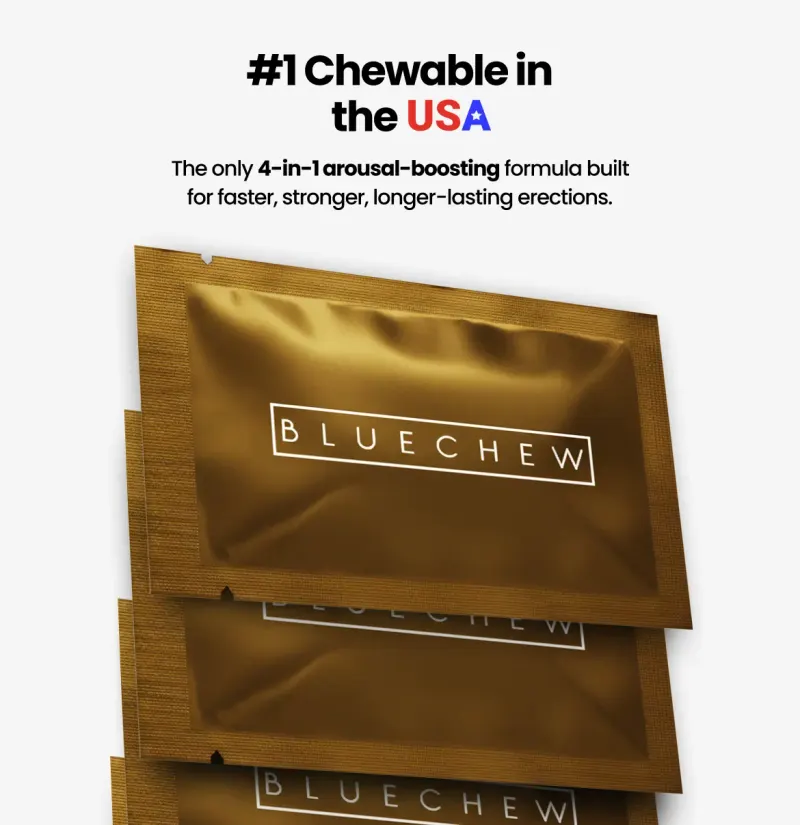
When you're ready to address erectile function directly, BlueChew offers a streamlined path to prescription ED medication through licensed medical providers.
The process is simple: complete an online consultation, receive provider review within 24-48 hours, and get discreet delivery to your door. No in-person visits, no pharmacy lines, no explaining yourself to strangers.
BlueChew provides compounded prescription medications containing the active ingredients sildenafil, vardenafil, and tadalafil. Sildenafil, vardenafil, and tadalafil are the active ingredients in Viagra, Levitra, and Cialis, respectively.
BlueChew’s complete product lineup includes:
- SIL: 30 mg or 45 mg sildenafil, from $2.95/tablet, works in 30 minutes, lasting up to 6 hours
- TAD: 6 mg or 9 mg tadalafil, from $3.58/tablet, effective within 30 minutes, lasting up to 36 hours
- VAR: 8 mg vardenafil, from $4.34/tablet, takes effect in 30 minutes, lasting up to 6 hours
- DailyTAD: 9 mg tadalafil plus 7 essential vitamins, $2.23/tablet, lasting up to 36 hours
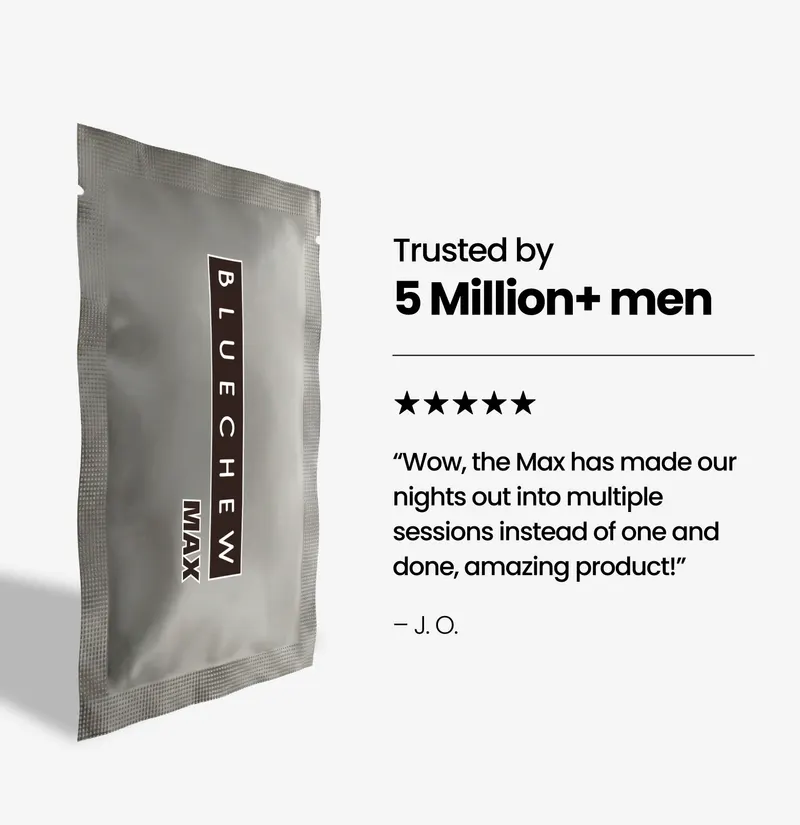
- MAX: 45 mg sildenafil + 18 mg tadalafil combo, $5.63/tablet, lasting up to 36 hours
- VMAX: 14 mg vardenafil + 18 mg tadalafil combo, $5.63/tablet, lasting up to 36 hours
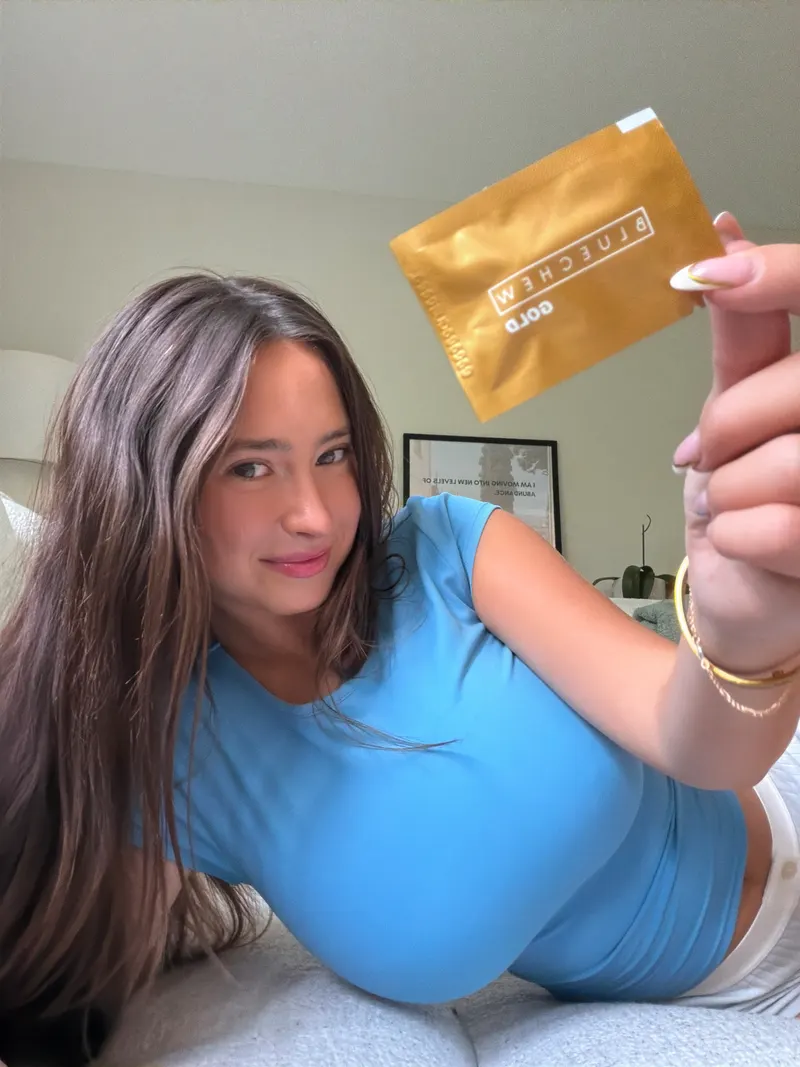
- GOLD: sildenafil, tadalafil, oxytocin, and apomorphine sublingual tablet, from $7.30/tablet, lasting up to 36 hours
For new customers, GOLD is a multi-ingredient sublingual tablet designed to support different pathways involved in erectile function, while MAX combines sildenafil and tadalafil for dual-action support.
Frequently Asked Questions
What is considered a 'low' libido in men?
Low libido isn't defined by a specific frequency of sexual desire. It's characterized by a persistent decrease in interest that bothers you or affects your relationship. If your current level of desire feels problematic, it's worth exploring contributing factors regardless of how it compares to others.
Can stress or anxiety cause low libido?
Absolutely. Chronic stress elevates cortisol, which can suppress testosterone and diminish sexual desire. Performance anxiety specifically can create a cycle where worry about ED leads to avoidance of intimacy, which manifests as low libido. Addressing stress through lifestyle changes or professional support often helps restore desire.
Are there any instant ways to boost male libido, or is it a long-term process?
Some interventions work quickly while others take time. ED medications can improve physical function within 15-60 minutes, which often restores confidence and interest. However, underlying factors like hormone levels, cardiovascular health, and relationship dynamics typically require sustained lifestyle changes over 3-6 months for meaningful improvement.
How does nutrition affect male sex drive?
Diet influences libido through multiple pathways: hormone production, blood flow, energy levels, and overall health. A Mediterranean-style diet rich in vegetables, lean proteins, and healthy fats supports cardiovascular function and has been associated with lower ED risk. Zinc-rich foods support testosterone production, while antioxidants help maintain vascular health.
When should I consider medication for low libido or erectile dysfunction?
Consider medication if lifestyle changes haven't produced sufficient improvement, if ED is contributing to decreased desire, or if you want reliable support while working on longer-term factors. Telehealth platforms make getting started accessible and discreet, with licensed providers guiding medication selection based on your specific situation.
This article is provided for informational purposes only and does not constitute medical advice. The information presented is not a substitute for professional medical advice, diagnosis, or treatment. Always consult your healthcare provider to discuss the risks, benefits, and appropriateness of any treatment.
BlueChew offers access to healthcare providers who may prescribe compounded medications for the treatment of erectile dysfunction.
The featured products include compounded medications that have not been approved by the FDA. Compounded medications may be prescribed under federal law but are not the same as, nor are they generic versions of, any FDA-approved medication. The FDA does not review compounded medications for safety, effectiveness, or manufacturing quality of compounded products. A prescription will only be written if deemed appropriate after the digital consultation by the licensed medical provider. Individual results may vary.
Other Helpful Articles