ED After Divorce: Rebuilding Confidence and Intimacy

Divorce can affect more than emotions, routines, finances, and family life. For some men, returning to dating and intimacy after a marriage ends can also bring changes in sexual confidence, desire, or erectile function.
Post-divorce erectile dysfunction can be connected to stress, anxiety, low mood, sleep disruption, lifestyle changes, medication effects, or health factors that were already present before the divorce. It does not automatically mean something is wrong with your body, and it does not mean your sex life cannot improve with time, support, and the right care.
Research on marital conflict hormones has found that stressful relationship conflict can be associated with measurable stress-hormone changes. While that study does not prove divorce directly causes ED, it supports a careful point: relationship stress can affect the body in ways that may matter for sexual function.
Key Takeaways
- ED after divorce can be related to stress, performance anxiety, mood changes, lifestyle disruption, medications, or underlying health factors.
- Divorce-related stress may affect sleep, energy, desire, and confidence during intimacy.
- Performance anxiety with a new partner can make erections feel less predictable.
- Lifestyle changes may support erectile health, but persistent ED should be discussed with a healthcare provider.
- BlueChew offers compounded sublingual medications for eligible patients after an online provider review.
Why ED Can Happen After Divorce
Sex after divorce can feel different, even for men who were sexually confident during marriage. A new partner, a changed self-image, grief, dating pressure, and fear of comparison can all make intimacy feel more complicated.
ED in this context is often not caused by one single factor. It may come from a mix of stress, physical health, emotional adjustment, and performance pressure.
Stress Can Affect Sexual Response
Erections involve arousal, nerve signaling, blood flow, and smooth muscle relaxation. Stress can interfere with that process by keeping the body in a more alert, guarded state.
During or after divorce, stress may come from:
- Legal or financial concerns
- Co-parenting responsibilities
- Loneliness or grief
- Dating uncertainty
- Changes in routine
- Sleep disruption
- Lower confidence after rejection or conflict
These pressures can make it harder to stay present during intimacy. When sex starts to feel like a test, arousal may become harder to access.
Anxiety Can Create a Feedback Loop
Sexual performance anxiety can happen when worry about sexual performance becomes the focus. A review on sexual performance anxiety reports that it may affect 9% to 25% of men and can contribute to psychogenic erectile dysfunction and premature ejaculation.
After divorce, this anxiety may show up as thoughts like:
- What if I cannot perform with someone new?
- What if I am compared to someone else?
- What if I have lost confidence after marriage?
- What if ED happens again?
That worry can make arousal harder. If ED happens once, the fear of it happening again may add even more pressure the next time.
Mood and Self-Image May Play a Role
Divorce can affect identity, confidence, and emotional stability. Some men feel rejected, embarrassed, angry, relieved, lonely, or unsure of how to date again. These emotions can affect sexual desire and confidence.
A review on depression and ED found an association between depression and erectile dysfunction. This does not mean every man with post-divorce ED is depressed. It does mean mood should be taken seriously when sexual function changes during a major life transition.
What ED After Divorce Can Look Like
Post-divorce ED can show up in different ways. Some men notice low desire first. Others feel interested in sex but find that erections are harder to get or maintain when the moment becomes real.
Common patterns include:
- Erections that feel less predictable with new partners
- More difficulty staying present during intimacy
- Lower libido during stressful weeks
- Avoiding dating because of fear of ED
- Needing more reassurance before sex feels comfortable
- ED that improves when stress is lower
- ED that becomes worse after alcohol or poor sleep
These patterns do not prove the cause. They are signs that stress, anxiety, routines, and health factors may all need attention.
Rebuilding Confidence With New Partners
The goal after divorce is not to force yourself back into sex before you feel ready. It is to rebuild confidence gradually and reduce pressure around performance.
Start With Honest Expectations
The first sexual experience after divorce does not need to prove anything. It does not define your attractiveness, masculinity, or future compatibility with a partner.
A more helpful approach is to treat intimacy as a process of reconnecting with yourself and learning what feels good now.
You may want to remind yourself:
- It is normal to feel nervous with someone new.
- Attraction does not always remove pressure.
- One difficult moment does not define future sex.
- A supportive partner will care about comfort, not just performance.
Talk Before Pressure Builds
A simple conversation can reduce tension before sex happens. You do not need to disclose every fear, but acknowledging nerves can make intimacy feel more human.
You might say:
“I’m excited to be close to you, but I’m also a little nervous because dating again is new for me.”
This kind of honesty can lower the pressure to appear perfectly confident. It also gives your partner a chance to respond with patience.
Make Intimacy Less Goal-Oriented
Intercourse does not need to be the only measure of sexual connection. Kissing, touching, massage, cuddling, and slower intimacy can help rebuild comfort without turning the moment into a pass-or-fail situation.
For many men, reducing the pressure to perform may make arousal feel easier to access.
Lifestyle Factors That May Support Erectile Health
Lifestyle changes are not a guaranteed fix for ED, but they may support the systems involved in sexual function. They can also help you feel more stable during a stressful life transition.
Exercise and Blood Flow
Regular movement may support cardiovascular health, stress management, and erectile function. A systematic review and meta-analysis on aerobic exercise research found that aerobic exercise improved erectile function scores compared with control groups.
Helpful options may include:
- Brisk walking
- Jogging
- Swimming
- Cycling
- Strength training
- Recreational sports
The goal is consistency. Even short, repeatable workouts may help more than occasional intense sessions that are hard to maintain.
Sleep and Recovery
Stressful transitions can disrupt sleep. Poor sleep may affect energy, mood, libido, and hormone-related wellness.
Try to protect sleep by keeping a consistent bedtime when possible, limiting late-night screen use, reducing alcohol close to bedtime, and creating a wind-down routine that helps your body shift out of stress mode.
Sleep alone may not resolve ED, but better rest can support the foundation for desire, focus, and emotional regulation.
Alcohol and Smoking
Alcohol may feel like a short-term way to reduce dating nerves, but too much can make erections less reliable. Smoking can also affect blood vessel health over time, which matters because erections depend on blood flow.
Reducing heavy drinking and avoiding smoking may support erectile health, especially when combined with movement, sleep, and medical guidance when needed.
Medication Factors to Review
Some medications may contribute to sexual side effects for some men. This may be especially relevant after divorce if new medications were started for anxiety, depression, sleep, pain, or blood pressure.
A review of medication-related ED notes that erectile dysfunction can be reported as an adverse effect for several medication categories.
Medication types that may be relevant include:
- Certain antidepressants
- Some blood pressure medications
- Some opioid medications
- Some medications that affect hormones
- Some sedatives or anxiety medications
Do not stop prescribed medication on your own. If you think a medication may be affecting your sex life, speak with your healthcare provider about possible adjustments or alternatives.
Can Food or Drinks Help ED After Divorce?
No drink should be treated as an ED treatment. Still, nutrition can support overall health, energy, and cardiovascular function, which may matter for long-term erectile health.
Some foods and drinks are often discussed because they relate to blood-flow or antioxidant pathways. For example, beetroot contains dietary nitrates, pomegranate contains polyphenols, and watermelon contains citrulline. These should be framed as general wellness foods, not quick ED fixes.
A randomized clinical trial on Mediterranean diet effects found improvements in sexual function and semen quality measures among infertile men, while noting that larger and longer studies are needed. That makes the safest takeaway simple: eating patterns may support sexual wellness, but they should not be presented as a substitute for medical care.
Helpful nutrition habits may include:
- Eating more fruits and vegetables
- Choosing whole grains
- Including fish or lean proteins
- Using olive oil, nuts, and seeds for healthy fats
- Limiting heavy alcohol intake
- Reducing high-sugar, highly processed foods
When ED Treatment May Be Worth Discussing
Some men may improve with time, lower stress, better sleep, and a more supportive dating environment. Others may benefit from discussing ED treatment with a licensed provider.
Consider medical guidance if ED:
- Persists for more than a few weeks
- Causes distress or dating avoidance
- Happens in multiple situations
- Appears suddenly or feels severe
- Comes with chest pain, shortness of breath, or urinary symptoms
- Happens alongside low mood, low libido, or fatigue
- Occurs while taking medications that may affect sexual function
ED can sometimes be associated with cardiovascular disease, diabetes, high blood pressure, medication effects, depression, anxiety, or hormonal concerns. A provider can help identify possible contributors.
How PDE5 Inhibitors Fit Into ED Care
PDE5 inhibitors are a commonly used medication class for erectile dysfunction. Sildenafil, tadalafil, and vardenafil are active ingredients in Viagra, Cialis, and Levitra, respectively.
A clinical review on PDE5 inhibitor treatment explains that these medications work through the nitric oxide and cGMP pathway involved in penile smooth muscle relaxation and blood flow during sexual arousal.
These medications do not create desire on their own. They are intended to support the body’s erectile response when sexual arousal is present.
A Different Way to Access ED Care
For some divorced men, the hardest part is not deciding whether ED treatment may help. It is starting the conversation.
Traditional care can feel uncomfortable if you are not ready for an in-person discussion or pharmacy pickup. Online care may make the first step feel more manageable because the process can begin privately from home.
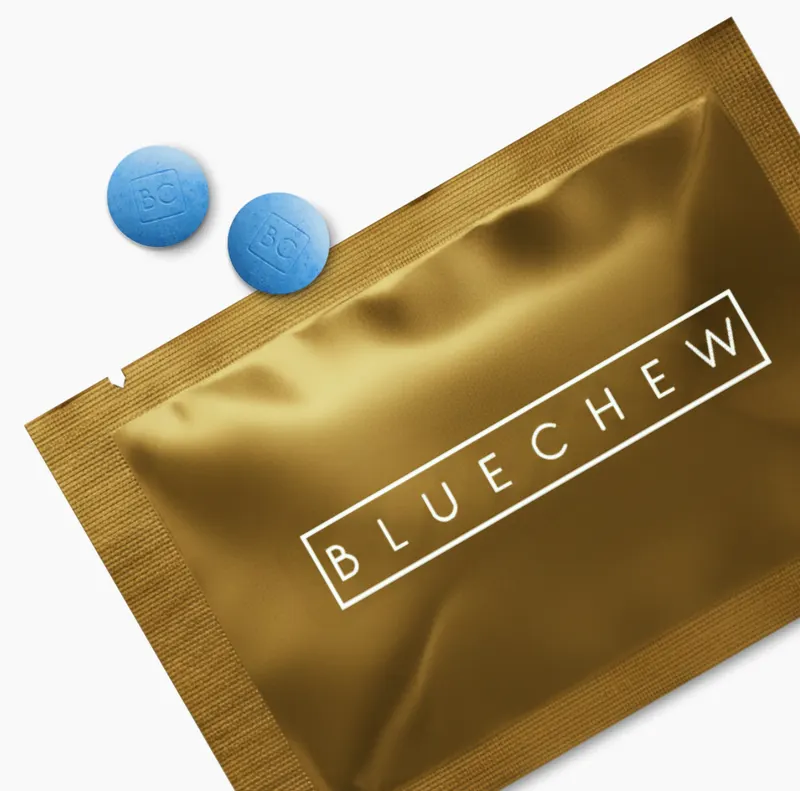
BlueChew offers prescription compounded medications for erectile dysfunction and sexual performance enhancement after an online provider review. The process typically includes an online medical intake, licensed provider review, and treatment if prescribed and appropriate.
You can read more about the BlueChew treatment process and how online ED care works.
Where BlueChew May Fit After Divorce
BlueChew may fit into a broader plan for men who want provider-reviewed ED treatment while also working on stress, confidence, communication, and health habits.
This is not about treating post-divorce sex like a performance test. It is about having a medical option to discuss if erectile concerns are adding stress to dating or intimacy.
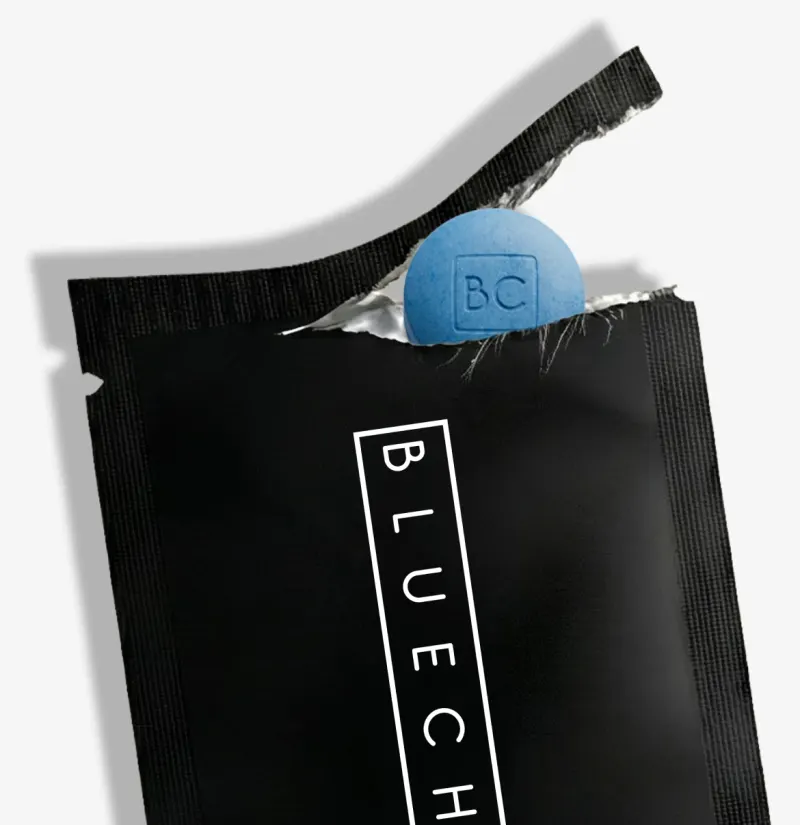
BlueChew provides prescription compounded medications containing active ingredients such as sildenafil, vardenafil, tadalafil, apomorphine, and oxytocin, depending on the prescribed product. Sildenafil, vardenafil, and tadalafil are the active ingredients in Viagra, Levitra, and Cialis, respectively.
BlueChew Product Lineup
- SIL: 30 mg or 45 mg sildenafil, from $2.95/tablet, works in 15 minutes, lasting up to 6 hours
- TAD: 6 mg or 9 mg tadalafil, from $3.58/tablet, effective within 15 minutes, lasting up to 36 hours
- VAR: 8 mg vardenafil, from $4.34/tablet, takes effect in 15 minutes, lasting up to 6 hours
- DailyTAD: 9 mg tadalafil plus 7 essential vitamins, $2.23/tablet, lasting up to 36 hours
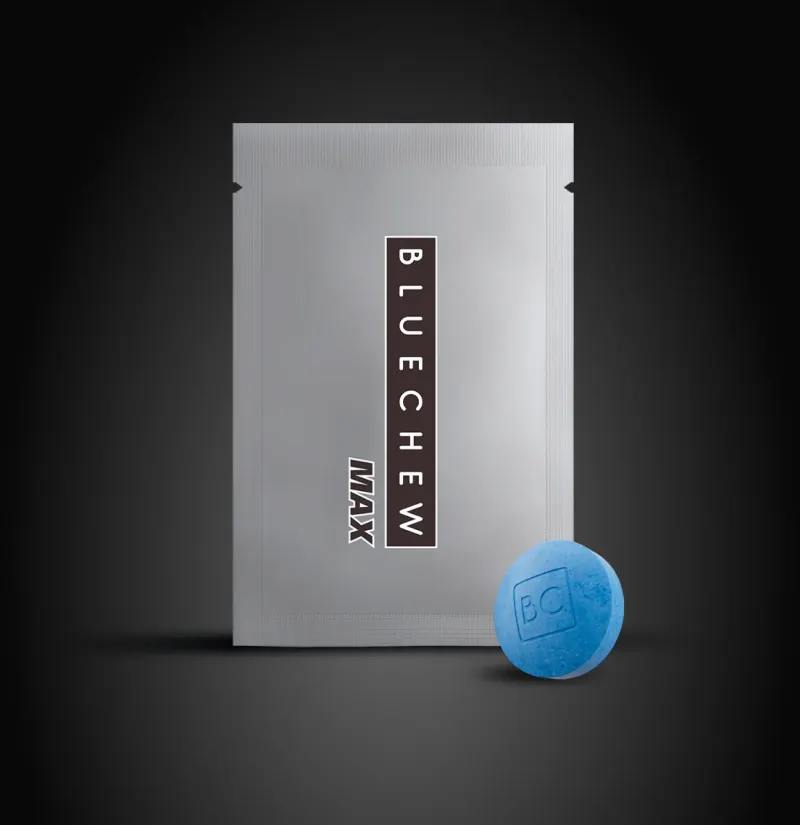
- MAX: 45 mg sildenafil + 18 mg tadalafil combo, $5.63/tablet, lasting up to 36 hours
- VMAX: 14 mg vardenafil + 18 mg tadalafil combo, $5.63/tablet, lasting up to 36 hours
- GOLD: sildenafil, tadalafil, oxytocin, and apomorphine sublingual tablet, from $7.30/tablet, lasting up to 36 hours
To learn more about the platform, review how BlueChew works or learn how to manage your BlueChew account.
A Practical Plan for Moving Forward
ED after divorce can feel discouraging, but it does not have to define your dating life. A practical plan may include both emotional and medical support.
Start with the areas you can influence:
- Reduce pressure around first-time intimacy.
- Talk honestly with new partners when it feels appropriate.
- Give yourself time to adjust after the divorce.
- Improve sleep and exercise habits where possible.
- Review medications with a healthcare provider if sexual side effects are possible.
- Consider provider-reviewed ED treatment if symptoms persist or create distress.
The goal is not to return to sex with perfect confidence overnight. The goal is to rebuild trust in your body, communicate more openly, and get support when it is needed.
Frequently Asked Questions
Can divorce affect erections?
Yes. Divorce can affect erections for some men, especially when stress, anxiety, sleep disruption, alcohol use, or low mood are involved. It does not mean something is permanently wrong. It may mean your body and mind are adjusting to a major life change.
Why does ED happen with a new partner after divorce?
ED with a new partner may happen because the situation feels unfamiliar or high-pressure. Worry about comparison, rejection, or performance can make arousal harder to access. Slowing down and focusing on connection instead of performance may help reduce pressure.
Can lifestyle changes help ED after divorce?
Lifestyle changes may help support erectile health, especially when stress, poor sleep, alcohol, inactivity, or low energy are contributing factors. Exercise, better sleep, alcohol moderation, and stress management can support the foundation, but persistent ED should be discussed with a healthcare provider.
When should I consider ED treatment after divorce?
Consider speaking with a licensed provider if ED continues, causes distress, affects dating confidence, or happens in multiple situations. A provider can review your health history, current medications, and risk factors to determine whether prescription treatment may be appropriate.
Can BlueChew be an option for post-divorce ED concerns?
BlueChew may be an option for eligible patients who want to discuss prescription ED treatment with a licensed provider. BlueChew offers compounded sublingual medications after an online provider review. The right option depends on your health history, current medications, and provider approval.
This article is provided for informational purposes only and does not constitute medical advice. The information presented is not a substitute for professional medical advice, diagnosis, or treatment. Always consult your healthcare provider to discuss the risks, benefits, and appropriateness of any treatment.
BlueChew offers access to healthcare providers who may prescribe compounded medications for the treatment of erectile dysfunction.
The featured products include compounded medications that have not been approved by the FDA. Compounded medications may be prescribed under federal law but are not the same as, nor are they generic versions of, any FDA-approved medication. The FDA does not review compounded medications for safety, effectiveness, or manufacturing quality of compounded products. A prescription will only be written if deemed appropriate after the digital consultation by the licensed medical provider. Individual results may vary.
BlueChew is not a compounding pharmacy but a telemedicine service that links patients to licensed medical providers.
Other Helpful Articles