Best Scents to Set a Sexy Mood

Fragrance can make an intimate setting feel more intentional, but scent is highly personal. No aroma guarantees attraction, desire, arousal, or sexual satisfaction. A systematic review of aromatherapy for sexual problems identified only three eligible trials involving menopausal women, so the results cannot be generalized to every person or romantic setting.
Jasmine, clary sage, and neroli are among the few scents evaluated in studies that measured sexual-function outcomes. Other popular notes, including rose, sandalwood, vanilla, bergamot, musk, and oud, are included for their fragrance profiles and blending possibilities rather than as scientifically proven aphrodisiacs.
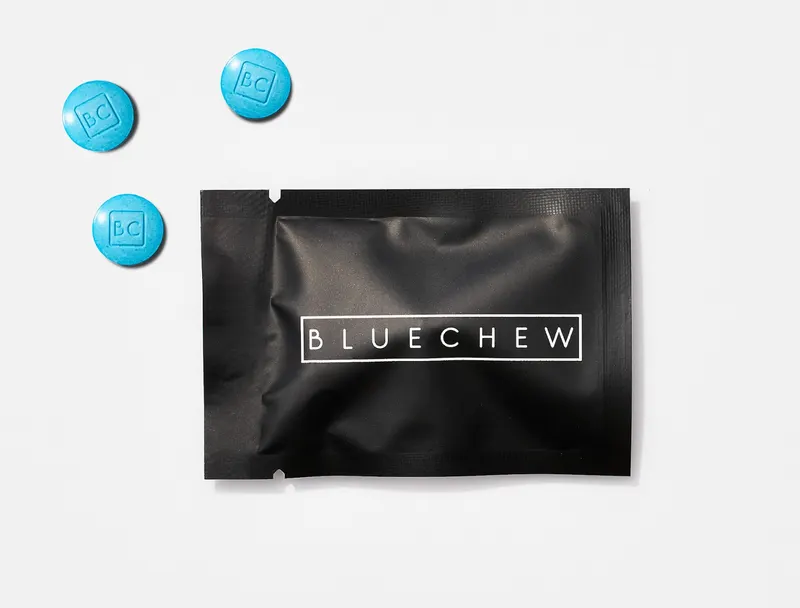
BlueChew addresses a separate part of sexual wellness by connecting eligible patients with licensed medical providers who may prescribe compounded erectile dysfunction medication when appropriate.
Key Takeaways
- No scent has been clinically proven to create arousal or improve sexual function in every person
- Research on fragrance and sexual function is limited and has primarily involved specific groups of women
- Jasmine, clary sage, and neroli have direct human research, but the findings should not be generalized beyond the populations studied
- Rose, sandalwood, vanilla, bergamot, musk, and oud are best selected according to shared fragrance preferences
- Essential oils are concentrated products that may irritate the skin or cause an allergic reaction

What the Evidence Supports About Scent and Intimacy
Research on aromatherapy and sexual function cited above included three trials and found a possible improvement in sexual desire among menopausal women. The researchers also identified important limitations, including a small evidence base, short follow-up periods, and differences in how outcomes were measured.
A randomized clinical trial comparing jasmine and clary sage aromatherapy evaluated women of reproductive age who had sexual dysfunction. Sexual-function scores improved in the intervention groups, but the findings apply to a defined population receiving a structured intervention. They do not establish that either fragrance produces an immediate aphrodisiac effect during a romantic evening.
Neroli has also been evaluated in a small randomized trial involving postmenopausal women. Participants inhaled different concentrations of oil of citrus aurantium or a control oil for five days. Some sexual-desire ratings improved, but the broader sexual domain did not show a significant difference, and estrogen levels did not increase.
Floral Scents for an Intimate Setting
1. Jasmine
Best for: A rich floral fragrance
Jasmine has a full white-floral profile that can become the central note in a room fragrance or personal perfume. Some jasmine fragrances also have warm, green, or slightly musky undertones.
Because jasmine can become intense quickly, start with a lightly scented product rather than layering several jasmine fragrances at once.
Ways to use jasmine:
- Choose a candle or diffuser blend with jasmine as one component
- Wear a finished jasmine perfume rather than concentrated essential oil
- Pair it with sandalwood for a warmer profile
- Combine it with vanilla when a softer floral fragrance is preferred
- Keep other strong floral products to a minimum
2. Clary Sage
Best for: An herbal-floral scent
Clary sage has a green, herbal aroma with a softer floral character. It is less sweet than jasmine, rose, or vanilla and may suit people who prefer a more botanical fragrance.
Clary sage often works better as part of a blend because its herbal profile may feel strong on its own.
Ways to use clary sage:
- Pair it with lavender for an herbal-floral blend
- Combine it with bergamot for a brighter opening
- Add sandalwood for a warmer base
- Use a finished diffuser blend with clear product instructions
- Keep the fragrance level low when either partner is unfamiliar with it
3. Neroli
Best for: A lighter floral-citrus profile
Neroli comes from bitter orange blossoms and combines floral, citrus, and green notes. It is generally brighter than jasmine, rose, oud, or musk-style fragrances.
Neroli is best treated as a fragrance rather than a hormonal or sexual-health intervention.
Ways to use neroli:
- Choose a room spray with neroli as the main note
- Pair it with sandalwood for additional warmth
- Combine it with lavender for a softer floral blend
- Add bergamot for a brighter citrus profile
- Use one neroli product at a time to keep the scent controlled
4. Lavender
Best for: A familiar herbal-floral fragrance
Lavender has a recognizable herbal aroma that can work as a light background scent. It is widely available in candles, sprays, diffusers, lotions, and personal fragrances.
Lavender appeared in some of the small trials included in the review of aromatherapy for sexual problems. Because the interventions and fragrance combinations varied, the evidence does not establish lavender as a universal aphrodisiac or isolate it as the cause of a particular sexual-function outcome.
Choose lavender because both partners enjoy the scent, not because it is expected to change hormones or produce arousal.
Ways to use lavender:
- Select a lightly scented candle or diffuser
- Pair it with vanilla for a softer profile
- Combine it with bergamot for a fresher aroma
- Use a linen spray before the evening rather than immediately before bed
- Avoid mixing it with several competing floral scents
5. Rose
Best for: A classic floral atmosphere
Rose fragrances range from light and green to rich, powdery, or jam-like. The final effect depends on the variety of rose and the other notes used in the fragrance.
Rose is often associated with romance. It can become more modern or less powdery when paired with woods, citrus, or musk-style notes.
Ways to use rose:
- Choose a rose-and-sandalwood candle
- Pair rose with bergamot for a brighter profile
- Combine it with vanilla for a softer finish
- Use a rose-and-oud blend when a deeper fragrance is preferred
- Avoid layering several strong rose products in a small room
Warm and Woody Scents
6. Sandalwood
Best for: A warm, understated base note
Sandalwood is often described as creamy, dry, and woody. It works well as a background note because it can support floral, citrus, spicy, and sweet fragrances without always becoming the strongest element.
There is no strong clinical evidence that sandalwood increases attraction, blood flow, testosterone, or sexual desire. Its place on this list comes from its fragrance profile and ability to blend with other notes.
Ways to use sandalwood:
- Pair it with jasmine for a floral-wood combination
- Combine it with vanilla for a warmer fragrance
- Add bergamot for a fresher opening
- Use it alone when floral scents feel too sweet
- Choose a lighter product in a small bedroom
7. Vanilla
Best for: A soft, sweet scent
Vanilla fragrances can range from light and creamy to dark, smoky, or dessert-like. The note often softens sharper florals, woods, or musks.
Its main advantage is versatility. Vanilla can make rose, jasmine, sandalwood, oud, or musk-style fragrances feel more rounded.
Ways to use vanilla:
- Pair it with sandalwood for a warm room scent
- Combine it with rose for a softer floral fragrance
- Use it with musk for a skin-like perfume profile
- Choose a less sugary vanilla when subtlety is preferred
- Avoid using vanilla candles, lotions, sprays, and perfume simultaneously
8. Bergamot
Best for: A bright citrus opening
Bergamot has a citrus aroma with floral and slightly bitter qualities. It is commonly used as an opening note before warmer floral, woody, or musky notes become more noticeable.
Bergamot is included for its fragrance profile. It can make heavier scents feel lighter and more suitable for the beginning of an evening.
Ways to use bergamot:
- Pair it with sandalwood for a citrus-wood blend
- Combine it with lavender or clary sage
- Use it with vanilla for a brighter sweet fragrance
- Add it to a rose blend for a fresher opening
- Follow the label when using any concentrated fragrance product
9. Musk-Style Fragrances
Best for: A soft, skin-like base note
Modern musk fragrances generally use synthetic or botanical musk-style accords. They can smell clean, powdery, warm, earthy, or slightly sweet depending on the formula.
A soft musk can anchor floral and sweet fragrances without making the room smell heavily perfumed.
Ways to use musk-style scents:
- Choose a clean musk when strong florals feel distracting
- Pair it with rose or vanilla
- Combine it with sandalwood for a warmer profile
- Use it as a personal fragrance rather than in several room products
- Check that both partners enjoy the scent before applying more
10. Oud
Best for: A bold, resinous wood fragrance
Oud is a deep woody note that may also smell smoky, leathery, earthy, or medicinal depending on the formulation. It is one of the strongest options on this list and can remain noticeable for hours.
Oud has long-standing cultural associations with luxury and traditional perfumery. It works best for people who already enjoy rich, dramatic fragrances.
Because of its intensity, oud is usually easier to control when paired with softer notes.
Ways to use oud:
- Pair it with rose for a floral-wood fragrance
- Add vanilla or amber to soften the profile
- Combine it with musk for a deeper personal fragrance
- Use one oud product instead of several
- Choose a lighter blend when either partner is new to the scent
How to Create a Balanced Fragrance Profile
A romantic fragrance does not need to include several essential oils or perfume families. One dominant note and one or two supporting notes are usually easier to control than a complex mixture.
A simple fragrance structure can include:
- Opening note: Bergamot, neroli, or another citrus-floral scent
- Central note: Jasmine, rose, lavender, or clary sage
- Base note: Sandalwood, vanilla, musk, or oud
The opening note is typically noticed first, while the base note remains longer. This structure can be created with one finished candle, perfume, or diffuser blend rather than several separate products.
Both partners should have input before the scent is introduced. A fragrance associated with romance for one person may feel unpleasant, distracting, or overly strong to another.

How to Use Fragrance Without Overdoing It
Begin with one fragrance source, such as:
- A candle
- A diffuser
- A room spray
- A personal fragrance
- A body product formulated for skin
Using a diffuser, scented candle, perfume, lotion, and linen spray at the same time can make the fragrance difficult to control. Start with the lowest practical amount and adjust only when both partners enjoy the result.
Fragrance sensitivity, allergies, asthma, and headaches should take priority over atmosphere. Remove the scent and ventilate the room if either person feels uncomfortable.
Essential oils also require care. A dermatology review discussing essential oil contact allergy notes that concentrated oils contain multiple potential allergens and may cause allergic contact dermatitis.
For safer use:
- Follow the manufacturer’s directions
- Avoid applying undiluted essential oils to the skin
- Keep concentrated oils away from genital tissue, eyes, and the mouth
- Choose finished massage products formulated for skin
- Stop using a product if redness, itching, burning, or swelling develops
- Avoid trying a new topical fragrance immediately before intimacy
- Keep candles away from bedding, curtains, paper, and other flammable materials
How BlueChew GOLD Supports Provider-Guided ED Care
Fragrance can help shape the atmosphere, but it does not treat erectile dysfunction. Clinical research supports phosphodiesterase 5 inhibitors as established treatments for ED. Scented products and essential oils should not be presented as substitutes for medical evaluation or prescription treatment.
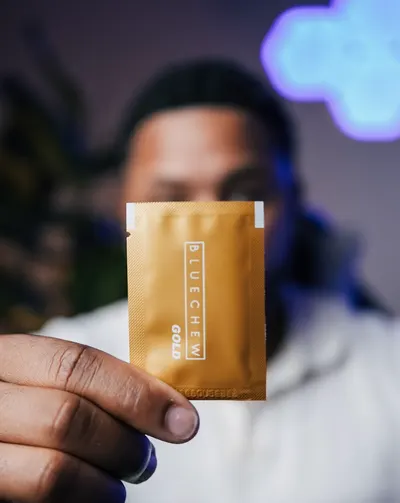
BlueChew GOLD is a compounded sublingual medication containing sildenafil, tadalafil, apomorphine, and oxytocin. BlueChew lists Base, High, and Extra strengths, and a licensed medical provider determines whether treatment is appropriate for an individual patient.
The research on individual ingredients does not mean the compounded GOLD formulation has been approved by the FDA. Individual results may vary, and a prescription is issued only when a licensed provider considers it medically appropriate.
How To Get BlueChew GOLD
Interested in getting a prescription for BlueChew GOLD? We've got you covered.
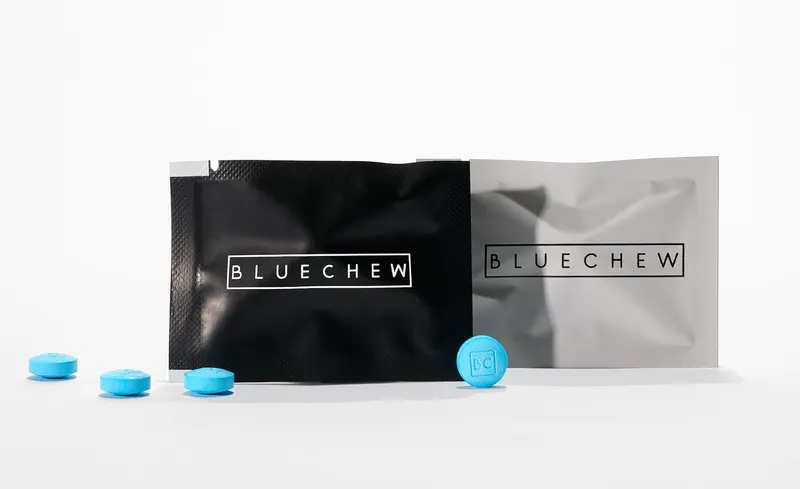
Select a plan, complete an online intake, and you're done. A medical provider will review your information and, if appropriate, prescribe your plan, which will be shipped directly to your door.
No doctor appointments or patient support charges make it a stress-free experience.
Plus, there's no commitment, you can easily cancel or switch plans anytime.Click here to explore all treatment plan options at BlueChew.
Choose a Scent Both Partners Enjoy
The best scent for an intimate evening is not necessarily the fragrance with the boldest marketing or the longest history of traditional use. It is the one both partners enjoy at a comfortable intensity.
Jasmine, clary sage, and neroli have limited research in specific groups of women. Lavender has appeared in a small aromatherapy evidence base, while rose, sandalwood, vanilla, bergamot, musk, and oud provide different fragrance profiles without being proven sexual-health treatments.
Fragrance can remain focused on atmosphere and personal preference. When erectile concerns continue, BlueChew offers eligible patients an online route to licensed provider review for compounded prescription treatment.

Frequently Asked Questions
What is the best scent for setting a sexy mood?
There is no single fragrance that works for every person or couple. The limited review of aromatherapy for sexual problems involved menopausal women and did not identify a universal aphrodisiac. Jasmine, clary sage, and neroli have some population-specific research, while other notes are primarily matters of fragrance preference. The best choice is one that both partners enjoy at a comfortable intensity.
Can essential oils act as aphrodisiacs?
Current evidence does not establish any essential oil as a universal aphrodisiac. The trial involving jasmine and clary sage reported changes in sexual-function scores among women with sexual dysfunction, while the neroli trial involved postmenopausal women. Neither study proves that briefly smelling the fragrance immediately causes arousal. Essential oils should not replace medical or psychological sexual-health care.
How strong should a romantic room fragrance be?
There is no clinically established fragrance concentration for intimacy. The small body of research on aromatherapy for sexual problems used structured interventions rather than defining a general room-fragrance level for couples. Start with one lightly scented product and increase it only when both partners are comfortable. Remove the fragrance if it causes headache, coughing, irritation, or discomfort.
Can essential oils be applied directly to the skin?
Concentrated essential oils may irritate the skin or cause an allergic reaction. Research on essential oil contact allergy shows that natural origin does not make these products free from allergens. Use a finished topical product according to its directions rather than applying undiluted oil. Stop use if redness, itching, burning, or swelling occurs.
Can fragrance help with erectile dysfunction?
Fragrance cannot treat the underlying causes of erectile dysfunction. A large analysis of phosphodiesterase 5 inhibitors supports prescription medications in this class as established ED treatments. BlueChew connects eligible patients with licensed medical providers who determine whether a compounded prescription option is appropriate. Scent can shape the setting, while ED care requires individualized medical review.
This article is provided for informational purposes only and does not constitute medical advice. The information presented is not a substitute for professional medical advice, diagnosis, or treatment. Always consult your healthcare provider to discuss the risks, benefits, and appropriateness of any treatment.
BlueChew offers access to healthcare providers who may prescribe compounded medications for the treatment of erectile dysfunction.
The featured products include compounded medications that have not been approved by the FDA. Compounded medications may be prescribed under federal law but are not the same as, nor are they generic versions of, any FDA-approved medication. The FDA does not review compounded medications for safety, effectiveness, or manufacturing quality of compounded products. A prescription will only be written if deemed appropriate after the digital consultation by the licensed medical provider. Individual results may vary.
BlueChew is not a compounding pharmacy but a telemedicine service that links patients to licensed medical providers.
Other Helpful Articles