Enlarged Prostate (BPH) and Erectile Dysfunction: The Link

Urinary symptoms and erectile difficulties sometimes occur together. A person experiencing frequent urination, difficulty starting a urine stream, or waking during the night to urinate may also notice changes in erectile function.
Benign prostatic hyperplasia, or BPH, does not automatically cause erectile dysfunction. However, evidence shows an association between lower urinary tract symptoms and sexual dysfunction. The conditions may share vascular, metabolic, neurological, inflammatory, and medication-related factors. A direct causal relationship has not been established in every case.
Understanding this overlap can help patients have more informed discussions with their healthcare providers. Urinary symptoms and erectile difficulties both deserve appropriate evaluation because they may reflect several possible health conditions.
Key Takeaways
- BPH and erectile dysfunction may occur together, but one does not always directly cause the other
- Shared vascular, metabolic, neurological, and lifestyle factors may contribute to both conditions
- Some BPH medications can affect erections, ejaculation, or sexual desire
- Certain PDE5 inhibitors have been studied for both erectile dysfunction and urinary symptoms
- BlueChew provides access to compounded ED medications, not treatment for BPH

Understanding Benign Prostatic Hyperplasia
Benign prostatic hyperplasia is a noncancerous enlargement of the prostate gland. The prostate sits below the bladder and surrounds part of the urethra, which carries urine out of the body.
As the prostate enlarges, it may narrow the urethra or interfere with the way the bladder empties. The size of the prostate does not always match the severity of the symptoms. A person with a moderately enlarged prostate may experience significant urinary problems, while someone with greater enlargement may have few symptoms.
Common lower urinary tract symptoms include:
- Frequent urination
- Urinary urgency
- Waking during the night to urinate
- Difficulty starting urination
- A weak or interrupted urine stream
- Straining during urination
- Dribbling after urination
- Feeling that the bladder has not emptied completely
These symptoms are not unique to BPH. Infection, prostatitis, bladder conditions, medication effects, and other urinary problems can produce similar symptoms. A healthcare provider may use a medical history, physical examination, laboratory testing, and other assessments to identify the likely cause.
How BPH and Erectile Dysfunction May Be Connected
BPH and erectile dysfunction frequently appear in the same patient population, but their relationship is complex. Several overlapping mechanisms have been proposed.
Shared vascular factors
Erections depend on healthy blood vessels and adequate blood flow. Conditions that affect vascular health, including diabetes, high blood pressure, smoking, and metabolic disease, may also be associated with urinary symptoms.
This does not mean that every person with BPH has vascular disease or that vascular disease explains every case. It means that the same health factors may contribute to both urinary and erectile concerns.
Smooth muscle activity
Smooth muscle is present in the prostate, bladder neck, blood vessels, and erectile tissue. Changes in the signals that control smooth muscle tension may influence both urinary flow and erectile function.
This is one reason some medications that affect smooth muscle are studied in relation to both conditions. The clinical effect depends on the medication, dose, health history, and other treatments being used.
Nervous system activity
The sympathetic nervous system helps regulate prostate and bladder-neck muscle tone. Increased sympathetic activity has been proposed as one possible contributor to urinary symptoms and erectile difficulties.
The relationship is not simple enough to predict an individual outcome. Nerve function, vascular health, hormone levels, medication use, and psychological factors may all contribute.
Inflammation
Inflammation may be present in some prostate tissue and may influence urinary symptoms. Inflammatory and oxidative processes have also been studied in connection with erectile dysfunction.
These findings describe possible biological pathways. They do not prove that prostate inflammation is the cause of ED in an individual patient.
Nitric oxide signaling
Nitric oxide helps relax smooth muscle and supports blood flow during an erection. Related signaling pathways are also present in the bladder, prostate, and lower urinary tract.
Changes in these pathways may partly explain why some medications used for erectile dysfunction have also been studied for urinary symptoms. However, not every ED medication is approved or appropriate for treating BPH.
Shared Health Factors
Several health and lifestyle factors may be relevant to both BPH-related symptoms and erectile function.
These include:
- Diabetes
- High blood pressure
- Cardiovascular disease
- Obesity
- Limited physical activity
- Smoking
- Heavy alcohol use
- Sleep problems
- Certain medications
- Psychological stress
Some of these factors can be modified, while others cannot. Addressing them may support general, cardiovascular, urinary, and sexual health, but lifestyle changes should not be presented as guaranteed treatments for BPH or ED.

How BPH Medications May Affect Sexual Function
BPH treatment may involve medication, a minimally invasive procedure, surgery, or monitoring. Each option has different potential effects on erections, ejaculation, sexual desire, and fertility.
5-alpha reductase inhibitors
Finasteride and dutasteride reduce the conversion of testosterone into dihydrotestosterone. This can gradually reduce prostate volume and may improve urinary symptoms in selected patients.
A systematic review examining the Effect of 5α-Reductase Inhibitors found an increased risk of sexual side effects. These may include erectile difficulties, reduced sexual desire, and changes in ejaculation.
The likelihood and duration of side effects vary. Patients should discuss possible sexual effects before beginning treatment rather than stopping a prescribed medication on their own.
Alpha-blockers
Alpha-blockers relax smooth muscle around the prostate and bladder neck, which may improve urine flow.
Their sexual effects differ by medication. Some alpha-blockers may interfere with ejaculation, reduce semen volume, or cause semen to enter the bladder rather than exit through the penis. Erectile effects may also vary.
Alpha-blockers can lower blood pressure. This is particularly relevant when considering an ED medication because combining the treatments may increase dizziness or symptomatic low blood pressure in some patients.
Combination treatment
Some patients receive both an alpha-blocker and a 5-alpha reductase inhibitor. Combination therapy may be appropriate when symptoms and the risk of progression justify using both medications.
Using multiple medications may also increase the range of possible side effects. Patients should discuss changes in erections, ejaculation, libido, dizziness, or blood pressure with their prescriber.
Procedures for BPH
Procedures may be considered when medication does not provide sufficient relief, produces unacceptable side effects, or is not appropriate.
Options can include:
- Prostatic urethral lift
- Water-vapor therapy
- Laser procedures
- Transurethral resection
- Other minimally invasive or surgical approaches
Procedures differ in how they affect urinary symptoms, ejaculation, erectile function, recovery, and the likelihood of needing additional treatment. A systematic review assessing the impact on sexual function found that sexual outcomes vary by procedure and by the outcome being measured.
No procedure should be described as carrying no sexual risk. Patients should ask specifically about:
- Erectile function
- Ejaculatory changes
- Semen volume
- Fertility
- Recovery
- Retreatment
- The possibility of persistent symptoms
Lifestyle Measures That May Support Health
Lifestyle changes may support cardiovascular and metabolic health, which can be relevant to erectile function. Some adjustments may also help patients manage urinary symptoms.
Possible measures include:
- Maintaining regular physical activity
- Managing body weight
- Stopping smoking
- Moderating alcohol
- Managing diabetes and blood pressure
- Addressing sleep problems
- Reducing fluid intake close to bedtime when appropriate
- Limiting beverages that worsen personal urinary symptoms
- Managing constipation
- Reviewing medications with a healthcare provider
Patients should not reduce fluid intake excessively. Adequate hydration remains important, and fluid adjustments should reflect personal health needs.
Specific foods should not be promoted as treatments for BPH or ED. Tomatoes, fish, vegetables, fruit, legumes, and whole grains may be part of a balanced eating pattern, but no single food has been established as a cure for either condition.
Prostate Supplements
Prostate supplements commonly contain ingredients such as:
- Saw palmetto
- Beta-sitosterol
- Pygeum
- Zinc
- Selenium
- Lycopene
Evidence differs by ingredient, dose, formulation, and study quality. A supplement that contains an ingredient studied in research is not necessarily equivalent to the tested preparation.
Supplements may also:
- Interact with prescription medications
- Affect blood pressure or bleeding
- Contain inconsistent ingredient amounts
- Include undeclared substances
- Delay medical evaluation
Patients should tell their healthcare provider about every supplement, vitamin, and herbal product they use. Supplements should not replace evaluation for persistent urinary symptoms, blood in the urine, urinary retention, pelvic pain, or erectile dysfunction.

ED Treatment Options
Treatment for erectile dysfunction depends on the likely cause, symptom severity, medications, health history, and patient preferences.
PDE5 inhibitors
PDE5 inhibitors include sildenafil, tadalafil, and vardenafil. They affect the nitric oxide and cyclic GMP pathway involved in smooth muscle relaxation and penile blood flow.
Evidence evaluating lower urinary tract symptoms suggests that PDE5 inhibitors may provide modest urinary symptom improvement in selected patients with LUTS consistent with BPH. The effect varies, and these medications do not replace a proper evaluation of urinary symptoms.
Tadalafil has been specifically studied as a treatment for both ED and LUTS/BPH. That does not mean every tadalafil formulation, dose, or compounded product should be treated as a BPH medication.
BlueChew products are prescribed for erectile dysfunction. They should not be described as treatments for prostate enlargement or urinary obstruction.
Medication safety
PDE5 inhibitors are not appropriate for everyone. They may interact with nitrates, guanylate cyclase stimulators, alpha-blockers, blood-pressure medications, and other treatments.
Patients should provide a complete medication and health history during any ED consultation. They should also disclose urinary symptoms, prostate conditions, cardiovascular disease, prior procedures, and episodes of low blood pressure.
Other ED treatments
Other options may include:
- Vacuum erection devices
- Injectable medications
- Urethral medications
- Counseling or sex therapy
- Penile implants
The appropriate option depends on the cause of ED and whether medication is effective, safe, and acceptable to the patient.
Telemedicine and ED Treatment Access
Telemedicine may make it easier for some patients to begin a conversation about erectile dysfunction. It can reduce travel and scheduling requirements while allowing medical information to be reviewed remotely.
A typical process may involve:
- Selecting a treatment option
- Completing a digital medical intake
- Providing current medication and health information
- Receiving a licensed provider review
- Completing an additional consultation if required
- Receiving a prescription only when medically appropriate
Telemedicine does not eliminate the need for medical oversight. It also does not replace an in-person examination when urinary symptoms, pain, bleeding, retention, or other findings require physical evaluation.

How BlueChew Supports Access to ED Treatment
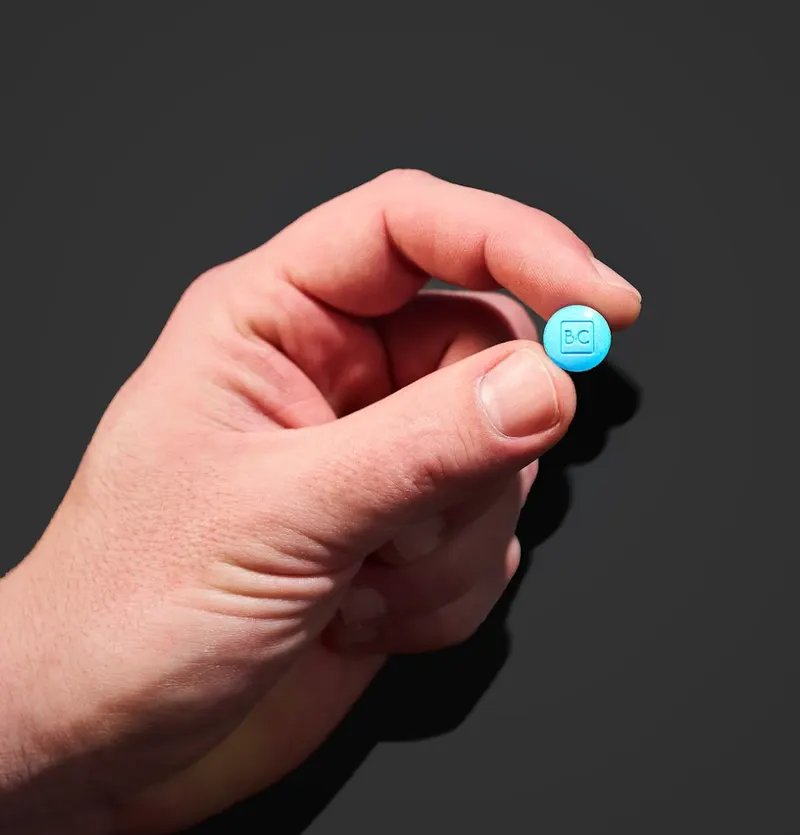
BlueChew is a telemedicine service that connects patients with licensed healthcare providers who may prescribe compounded medications for erectile dysfunction when medically appropriate.
Patients select a plan and complete a digital intake. A licensed provider reviews the submitted information and determines whether a prescription is appropriate. BlueChew is not a compounding pharmacy.
BlueChew’s current product lineup includes:
- SIL: 30 mg or 45 mg sildenafil
- TAD: 6 mg or 9 mg tadalafil
- VAR: 8 mg vardenafil
- DailyTAD: 9 mg tadalafil with seven essential vitamins
- MAX: 45 mg sildenafil with 18 mg tadalafil
- VMAX: 14 mg vardenafil with 18 mg tadalafil
- GOLD: Sildenafil, tadalafil, oxytocin, and apomorphine in a sublingual formulation
Product eligibility, formulation, and dosage depend on the licensed medical provider’s assessment. These are compounded medications that have not been approved by the FDA and are not the same as, or generic versions of, FDA-approved medications.
Although some PDE5 inhibitors have been studied for urinary symptoms, BlueChew should not be presented as a BPH treatment service. Patients experiencing urinary symptoms should seek an appropriate medical evaluation rather than relying on ED medication to address the underlying cause.
Patients taking alpha-blockers or other blood-pressure medications should disclose those treatments during the consultation. BlueChew’s important safety information provides additional details about medication interactions and health conditions that should be discussed with a provider.
How To Get Medication Through BlueChew
Interested in getting your hands on a prescription for BlueChew GOLD? BlueChew has got you covered.
Select a plan, complete an online intake, and you’re done. A medical provider will review your information and, if appropriate, prescribe your plan, which will be shipped directly to your door.
No doctor appointments or patient support charges make it a stress-free experience.
Plus, there’s no commitment, you can easily cancel or switch plans anytime.Click here to explore all plan options for treatments at BlueChew.

Frequently Asked Questions
Can an enlarged prostate cause erectile dysfunction?
BPH and erectile dysfunction may occur together, but prostate enlargement is not always the direct cause of ED. The conditions can share vascular, metabolic, neurological, medication-related, and lifestyle factors. Urinary symptoms may also affect sleep, comfort, confidence, and sexual interest. A medical assessment can help identify the likely contributors.
Can BPH medication affect erections?
Some BPH medications can affect erections, ejaculation, semen volume, or sexual desire. The risks differ by medication and by the person taking it. Patients should discuss potential sexual effects before beginning treatment. A prescribed medication should not be stopped without consulting the prescriber.
Can ED medication improve BPH symptoms?
Some PDE5 inhibitors have been studied for lower urinary tract symptoms associated with BPH. The degree of improvement varies, and not every medication, dose, or formulation is indicated for urinary symptoms. ED medication does not replace evaluation for an enlarged prostate, infection, urinary obstruction, or another condition.
Can I combine an ED medication with an alpha-blocker?
Combining these medications may lower blood pressure and cause dizziness or fainting in some patients. The risks depend on the specific medications, doses, blood pressure, and other health factors. A licensed provider should review the combination. Patients should disclose all prescribed and nonprescribed products during the consultation.
Can lifestyle changes resolve BPH and ED?
Lifestyle changes may support cardiovascular, metabolic, urinary, and sexual health. They cannot be expected to reverse every case of BPH or erectile dysfunction. Persistent or worsening symptoms may require medication, a procedure, counseling, or another form of clinical care. Lifestyle measures are usually considered part of a broader treatment plan.
This article is provided for informational purposes only and does not constitute medical advice. The information presented is not a substitute for professional medical advice, diagnosis, or treatment. Always consult your healthcare provider to discuss the risks, benefits, and appropriateness of any treatment.
BlueChew offers access to healthcare providers who may prescribe compounded medications for the treatment of erectile dysfunction.
The featured products include compounded medications that have not been approved by the FDA. Compounded medications may be prescribed under federal law but are not the same as, nor are they generic versions of, any FDA-approved medication. The FDA does not review compounded medications for safety, effectiveness, or manufacturing quality of compounded products. A prescription will only be written if deemed appropriate after the digital consultation by the licensed medical provider. Individual results may vary.
BlueChew is not a compounding pharmacy but a telemedicine service that links patients to licensed medical providers.
Other Helpful Articles