How Fenugreek May Support Sexual Wellness for Men

When it comes to supporting sexual wellness, many men are curious about natural options before exploring prescription compounded medications like BlueChew. Fenugreek (Trigonella foenum-graecum) is one herb that has gained attention in recent years, with some clinical research evaluating its potential effects on testosterone-related measures and libido. While natural supplements like fenugreek may play a supporting role in sexual health for some men, understanding what they can and cannot do is essential for setting realistic expectations.
The research on fenugreek is mixed. Some studies suggest standardized fenugreek extracts may support libido or testosterone-related measures in certain groups of men, while other research has found limited or inconsistent effects depending on the measurement method and study population. Fenugreek also works differently from prescription ED medications: it is studied mainly for hormonal and libido-related support, not for directly improving the physical blood-flow mechanics involved in erections.
Key Takeaways
- Fenugreek may help support libido in some men, but study results vary by extract, dose, population, and measurement method.
- Clinical studies have commonly evaluated standardized fenugreek extracts in the 500-600 mg daily range for several weeks, but dosing varies by formulation and should be discussed with a healthcare provider.
- Fenugreek works through different pathways than prescription ED medications, making it a possible wellness supplement for some men but not a replacement for provider-prescribed ED treatment.
- Men with libido concerns may want to discuss hormone, lifestyle, and medication factors with a healthcare provider, while men experiencing erectile dysfunction often benefit from medical evaluation and may be prescribed PDE5 inhibitors when appropriate.
- Always consult a healthcare provider before starting any supplement, especially if taking medications for diabetes, blood thinning, or hormone-related treatment.

Understanding Fenugreek's Potential for Male Sexual Wellness
Fenugreek has been used in traditional medicine systems for thousands of years, particularly in Ayurvedic and Middle Eastern healing practices. The herb contains compounds called steroidal saponins, including furostanolic saponins, that have been studied for possible effects on male hormones and sexual function.
What Is Fenugreek and How Might It Work?
Fenugreek is not the same as testosterone replacement therapy, and it should not be framed as a direct or dramatic testosterone booster. Some researchers have proposed that compounds in fenugreek may influence testosterone metabolism, including pathways involving aromatase or 5α-reductase, but this mechanism has not been proven directly in humans using fenugreek.
This distinction matters because it sets realistic expectations. Fenugreek may support certain testosterone-related measures within the body's natural range in some men, but it is not a treatment for clinically low testosterone or erectile dysfunction.
Potential mechanisms researchers have discussed include:
- Possible influence on testosterone metabolism
- Possible effects on libido-related measures
- Nutritional components, including fiber and plant compounds, that may support broader metabolic health
- Indirect support for sexual wellness through general health factors
What Does the Research Actually Show?
Clinical trials on fenugreek have produced mixed results. A 2011 clinical trial evaluated a standardized fenugreek extract and mineral formulation for male libido and reported improvements in several libido-related measures over 6 weeks. The study population did not include men with erectile dysfunction, so the results should not be interpreted as evidence that fenugreek treats ED.
Other studies have looked at testosterone-related measures in different populations. For example, an 8-week pilot study in resistance-training men found changes in body composition and some androgen-related measures with a fenugreek glycoside fraction, but this type of study is not the same as a clinical trial for ED or libido concerns.
More recent research also shows why the evidence should be interpreted cautiously. A 2024 randomized trial published in PLOS ONE found that fenugreek extract affected salivary testosterone measures, while plasma testosterone findings were less straightforward and subjective libido measures did not clearly improve compared with placebo.
Research summary:
- Some clinical studies report improvements in libido-related measures.
- Testosterone-related findings vary depending on population, extract, dose, and whether researchers measure plasma, saliva, total testosterone, or free testosterone-related indices.
- Benefits, when reported, tend to be studied over weeks rather than minutes or hours.
- Fenugreek should not be presented as a proven ED treatment.
Fenugreek, Testosterone, and Libido: The Connection Explained
Understanding how testosterone impacts erections helps contextualize what fenugreek can and cannot do. Testosterone plays an important role in sexual desire, arousal, mood, and energy, but it is only one part of sexual function. Erections also depend on nerve signaling, vascular health, smooth muscle relaxation, and adequate blood flow.
How Fenugreek May Influence Testosterone-Related Measures
Some fenugreek research focuses on whether the herb can affect testosterone-related biomarkers. Proposed explanations include effects on hormone metabolism, but current evidence does not establish a single confirmed mechanism. Because studies use different extracts and endpoints, findings from one product or population should not be assumed to apply to every fenugreek supplement or every man.
For that reason, fenugreek is best described as a supplement with mixed but emerging evidence for libido and testosterone-related measures, not as a guaranteed testosterone optimizer.
Impact on Sexual Desire and Drive
Some studies suggest fenugreek may support libido or sexual satisfaction in certain men, even when testosterone findings are not dramatic or consistent. However, the evidence is stronger for libido-related outcomes than for treating erectile dysfunction itself.
Sexual wellness outcomes studied in research include:
- Libido or sexual desire scores
- Sexual satisfaction measures
- General vitality or energy measures
- Testosterone-related biomarkers
These outcomes are not the same as directly improving erection firmness, erection maintenance, or blood flow during arousal.
Distinguishing Fenugreek from Prescription ED Medications
One of the most important distinctions for men exploring sexual wellness options is understanding what fenugreek may support versus what prescription ED medications are designed to address. These work through different pathways.
Different Mechanisms, Different Results
Fenugreek is mainly studied for libido, hormone-related measures, and general wellness markers. It may be relevant for men who have normal erectile function but want to discuss low desire, energy, or testosterone-related questions with a healthcare provider.
Prescription ED medications containing sildenafil, tadalafil, or vardenafil work as PDE5 inhibitors. PDE5 inhibitors help support blood flow to the penis during sexual arousal by affecting the nitric oxide-cGMP pathway involved in erection physiology. They address the physical mechanics of erection rather than directly increasing desire or changing testosterone levels.
Potential Side Effects and Considerations
Fenugreek is generally well tolerated in many studies, but supplements can still cause side effects and interactions. Safety depends on the dose, formulation, individual health history, and other medications being used.
Common Side Effects
Possible side effects include:
- Digestive discomfort, such as gas, bloating, or diarrhea
- Maple syrup-like body odor, which is harmless but distinctive
- Blood sugar changes
- Rare allergic reactions, especially in people sensitive to legumes
Drug Interactions to Consider
Fenugreek may affect blood sugar, and clinical reviews have evaluated its potential glucose-lowering effects in people with type 2 diabetes. Because of this, men taking diabetes medications should speak with a healthcare provider before using fenugreek to avoid unwanted blood sugar changes.
Men taking anticoagulants, antiplatelet medications, testosterone therapy, or other hormone-related treatments should also consult a healthcare provider before starting fenugreek.
When Fenugreek May Not Be Enough
While natural supplements can support overall wellness, they have limitations that are important to acknowledge honestly.
Recognizing the Limits of Natural Supplements
Fenugreek and similar supplements are studied as gradual wellness supports. They are not designed to treat diagnosed medical conditions like erectile dysfunction or clinically low testosterone, also called hypogonadism.
Men with the following concerns should consider medical evaluation:
- Consistent difficulty achieving or maintaining erections
- ED symptoms affecting relationship satisfaction
- Testosterone levels below the clinical reference range
- Underlying health conditions contributing to sexual dysfunction
- Performance anxiety significantly affecting intimacy
The Role of Telemedicine in ED Treatment
Modern telemedicine platforms have made accessing ED care more convenient and discreet. Men can complete online consultations, share relevant medical history, and connect with licensed medical providers who determine whether prescription treatment is appropriate.
For those who have tried natural approaches without enough support, or who want to discuss provider-prescribed ED treatment options, telemedicine can offer an accessible path forward. The online consultation process can help determine whether prescription compounded ED treatment may be appropriate.
Understanding the Science Behind ED: Blood Flow and Erections
To appreciate why natural supplements and prescription medications work so differently, it helps to understand the biology of erections.
How Erections Work
Erections occur through a complex process involving the nervous system, blood vessels, and smooth muscle tissue. When sexually aroused, nerve signals trigger the release of nitric oxide, which helps relax smooth muscle in the penis. This allows blood to flow into erectile tissue, creating firmness.
The enzyme PDE5 naturally breaks down chemicals involved in maintaining an erection. This is a normal part of the process, but when blood-flow signaling is not strong enough or does not last long enough, erectile difficulties can occur.
How PDE5 Inhibitors Address This
Prescription ED medications block the PDE5 enzyme, helping erection-supporting signaling remain active longer during sexual arousal. This directly addresses the blood-flow mechanics of erection, which is different from fenugreek's potential libido or hormone-related support.
This is why men experiencing ED should discuss symptoms with a healthcare provider. Some men may benefit from lifestyle changes, medication adjustments, mental health support, hormone evaluation, PDE5 inhibitors, or a combination of approaches.
Why BlueChew Offers Prescription Compounded ED Options
When natural approaches do not provide the support you are looking for, BlueChew offers prescription compounded medications through a convenient online platform. The telemedicine service connects patients with licensed medical providers who review medical history and determine whether medication is appropriate before prescribing.
Options for ED Treatment
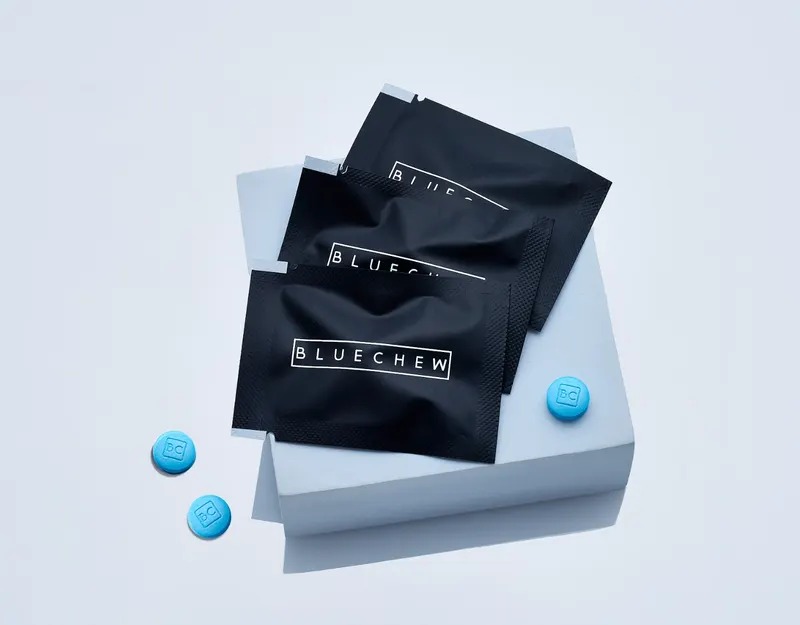
BlueChew provides prescription compounded medications containing the active ingredients sildenafil, vardenafil, and tadalafil. Sildenafil, vardenafil, and tadalafil are the active ingredients in Viagra, Levitra, and Cialis, respectively. BlueChew offers chewable and sublingual formats.
DailyTAD comes in a chewable tablet. SIL, VAR, TAD, MAX, VMAX, and GOLD are available as a sublingual tablet.
BlueChew’s complete product lineup includes:
- SIL: 45 mg sildenafil, from $3.53/tablet, works in 15 minutes, lasting up to 6 hours
- TAD: 9 mg tadalafil, from $4.47/tablet, effective within 15 minutes, lasting up to 36 hours
- VAR: 8 mg vardenafil, from $4.34/tablet, takes effect in 15 minutes, lasting up to 6 hours
- DailyTAD: 9 mg tadalafil plus 7 essential vitamins, $2.23/tablet, lasting up to 36 hours
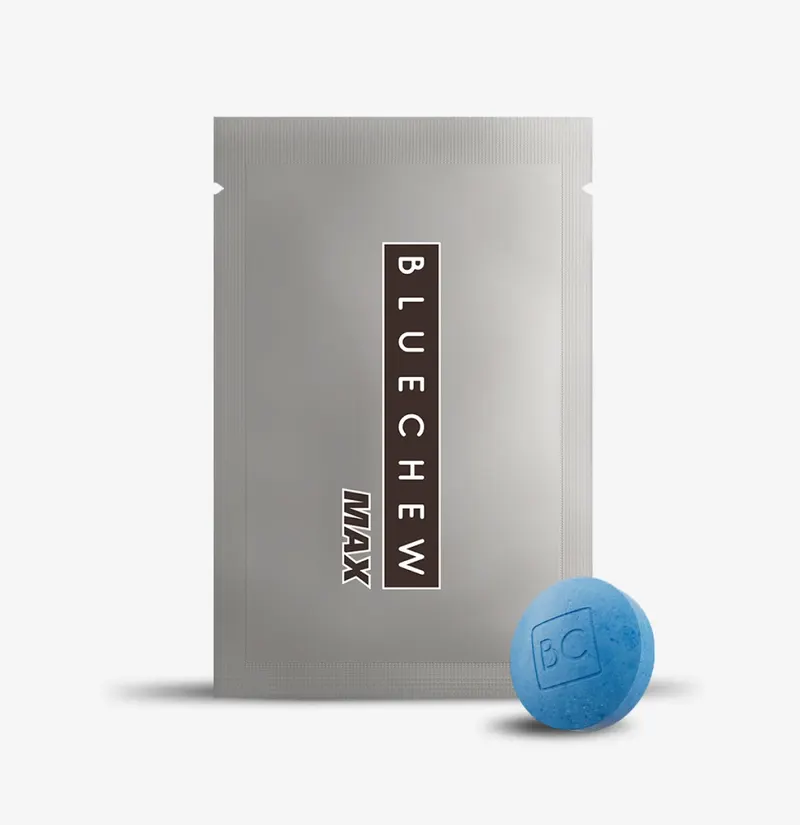
- MAX: 45 mg sildenafil + 18 mg tadalafil combo, $5.63/tablet, lasting up to 36 hours
- VMAX: 14 mg vardenafil + 18 mg tadalafil combo, $5.63/tablet, lasting up to 36 hours
- GOLD: sildenafil, tadalafil, oxytocin, and apomorphine sublingual tablet, from $7.30/tablet, lasting up to 36 hours
Why Men Choose BlueChew
Unlike supplements, BlueChew’s prescription compounded medications contain active ingredients that have been clinically studied for ED treatment. A licensed medical provider reviews each case and determines whether a prescription is appropriate.
Benefits of the BlueChew approach:
- 100% online process with no in-person visits required
- Discreet delivery in unmarked packaging
- Chewable and sublingual formats
- Licensed medical providers review every case
- Flexible subscription with no long-term commitment
If you have tried natural approaches like fenugreek and want to discuss prescription compounded ED options, explore BlueChew to learn more.
Frequently Asked Questions
Is fenugreek as effective as prescription ED medications like Viagra or Cialis?
Fenugreek and prescription ED medications work through different mechanisms. Fenugreek has been studied for libido and testosterone-related measures, but it does not directly address the blood-flow mechanics involved in erections. Prescription medications like sildenafil and tadalafil are PDE5 inhibitors that support blood flow during sexual arousal. Men experiencing erectile dysfunction should talk with a healthcare provider about evaluation and treatment options.
Are there any side effects of taking fenugreek for sexual health?
Fenugreek is generally well tolerated at commonly studied doses, but side effects can include digestive discomfort and a distinctive maple syrup-like body odor. More important considerations include possible blood sugar effects and potential interactions with medications. Always consult your healthcare provider before starting supplementation, especially if you take prescription medications.
Can women benefit from fenugreek for libido or sexual function?
Some research has evaluated fenugreek for sexual function in women, but this article focuses on male sexual wellness. Women who are pregnant, breastfeeding, taking medications, or considering fenugreek for sexual health should speak with a healthcare provider before using it.
How does BlueChew differ from natural supplements like fenugreek for ED?
BlueChew provides prescription compounded medications containing active ingredients such as sildenafil, tadalafil, and vardenafil. These medications are prescribed by licensed medical providers when appropriate and are designed to support erectile function by affecting blood-flow pathways during sexual arousal. Natural supplements like fenugreek may take weeks to evaluate and are not designed to treat ED. Product-specific timing information should be reviewed through the plan details and provider-guided treatment process.
This article is provided for informational purposes only and does not constitute medical advice. The information presented is not a substitute for professional medical advice, diagnosis, or treatment. Always consult your healthcare provider to discuss the risks, benefits, and appropriateness of any treatment.
BlueChew offers access to healthcare providers who may prescribe compounded medications for the treatment of erectile dysfunction.
The featured products include compounded medications that have not been approved by the FDA. Compounded medications may be prescribed under federal law but are not the same as, nor are they generic versions of, any FDA-approved medication. The FDA does not review compounded medications for safety, effectiveness, or manufacturing quality of compounded products. A prescription will only be written if deemed appropriate after the digital consultation by the licensed medical provider. Individual results may vary.
BlueChew is not a compounding pharmacy but a telemedicine service that links patients to licensed medical providers.
Other Helpful Articles