How to Get Help for Post-SSRI Sexual Dysfunction

You took an important step for your mental health. You worked with your healthcare provider, took your medication as prescribed, and made changes because you were trying to feel better.
But after stopping or changing an SSRI, you may have noticed that your sex drive, arousal, orgasm, or erectile function has not returned the way you expected. If you are experiencing persistent sexual side effects after discontinuing antidepressants, your concerns are worth taking seriously.
Post-SSRI Sexual Dysfunction, or PSSD, is a term used in medical literature for sexual side effects that persist after stopping a serotonin reuptake inhibitor. Symptoms can vary from person to person, and the condition is still being studied. If you are dealing with reduced desire, difficulty with arousal, orgasm changes, reduced genital sensitivity, or erectile difficulties, a healthcare provider can help you explore what may be contributing and what support may be appropriate.
Key Takeaways
- PSSD refers to sexual side effects that persist after stopping certain antidepressants.
- Symptoms can include reduced libido, arousal changes, orgasm changes, reduced genital sensitivity, and erectile difficulties.
- PSSD is still being studied, so it is important to work with a healthcare provider who takes your symptoms seriously.
- Lifestyle factors such as exercise, sleep, stress management, and alcohol moderation may support sexual wellness.
- If erectile function or sexual performance concerns are part of the issue, BlueChew GOLD may be worth discussing with a licensed provider.

Understanding Post-SSRI Sexual Dysfunction
Before you can decide what kind of support to seek, it helps to understand what PSSD means and why careful medical guidance matters.
What Is PSSD?
Post-SSRI Sexual Dysfunction refers to persistent sexual side effects reported by some people after stopping SSRIs or other serotonin reuptake inhibitors. Proposed PSSD diagnostic criteria describe symptoms that continue after medication discontinuation, including genital sensory changes and reduced sexual response.
PSSD can include:
- Reduced or absent libido
- Difficulty achieving or maintaining erections
- Decreased genital sensitivity or numbness
- Delayed, weaker, or absent orgasm
- Reduced pleasure during sexual activity
- Emotional blunting that may affect intimate connection
Sexual side effects are also common during SSRI treatment. Research on SSRI sexual effects has described decreased desire, arousal difficulties, orgasm changes, and erectile dysfunction as possible antidepressant-related sexual side effects.
For most people, medication-related sexual side effects may improve after stopping or changing medication. For others, symptoms may last longer than expected. The exact causes are not fully understood, and there is no single confirmed explanation for why this happens in some people.
Why This Matters for Your Recovery
Persistent sexual side effects can feel confusing, frustrating, and isolating. Knowing that symptoms like yours have been described in medical literature can make it easier to advocate for yourself.
This does not mean every sexual concern after stopping an SSRI is automatically PSSD. Depression, anxiety, relationship stress, hormonal changes, sleep problems, other medications, and physical health conditions can also affect sexual function. A careful evaluation can help identify what may be involved in your situation.

Finding the Right Healthcare Support
Navigating persistent sexual side effects often requires a provider who can look at both medication history and sexual function.
Choosing the Right Provider
Not every clinician has the same experience with PSSD. Depending on your symptoms, you may consider speaking with:
Your prescribing provider: They know your medication history and can review what changed before, during, and after SSRI use.
A psychiatrist: A psychiatrist can help evaluate antidepressant history, mood symptoms, medication changes, and whether another mental health treatment approach may be appropriate.
A urologist or sexual medicine specialist: These providers can evaluate erectile function, genital sensitivity, hormone-related concerns, pelvic issues, and other physical factors.
A therapist or sex therapist: Therapy can help with distress, relationship communication, performance pressure, and adjustment while you pursue medical support.
When meeting with a provider, come prepared with:
- A timeline of your medication history
- When symptoms began
- Whether symptoms changed after stopping or switching medication
- Specific symptoms you are experiencing
- Other medications or supplements you take
- Any health conditions that may affect sexual function
Having Productive Conversations
Talking about sexual symptoms can feel uncomfortable, but specific details help your provider understand what is happening.
Instead of saying, “things are not working,” describe what changed. For example:
- “My desire is much lower than before.”
- “I can become aroused, but orgasm feels weaker.”
- “I have reduced genital sensitivity.”
- “I can achieve an erection, but maintaining it is harder.”
- “This started while taking an SSRI and continued after stopping.”
You can also ask direct questions:
- Could this be related to my antidepressant history?
- What else should be ruled out?
- Should hormone levels, cardiovascular health, or other factors be evaluated?
- Would a urologist, psychiatrist, or sexual medicine specialist be appropriate?
- Are there treatment options that may help with specific symptoms?

Lifestyle Strategies That May Support Sexual Wellness
There is no confirmed cure for PSSD, and lifestyle changes should not be framed as a guaranteed fix. However, daily habits can support overall sexual health, mood, circulation, energy, and stress regulation.
Movement and Exercise
Regular physical activity may support circulation, mood, energy, and erectile function. Research on exercise and erections has studied the relationship between physical activity and erectile function, especially in people with erectile difficulties.
Sustainable options may include:
- Walking
- Strength training
- Cycling
- Swimming
- Sports
- Yoga or mobility work
Start with movement you can maintain consistently. If you have a medical condition or have not exercised in a while, ask a healthcare provider what level of activity is appropriate.
Sleep and Stress Management
Sleep and stress both affect mood, energy, and sexual response. Poor sleep may make desire and arousal harder to access, while chronic stress may increase performance pressure and make intimacy feel less natural.
Helpful sleep habits may include:
- Keeping a consistent sleep schedule
- Reducing screens before bed
- Creating a dark, quiet sleep environment
- Limiting alcohol close to bedtime
- Talking to a healthcare provider if insomnia persists
Stress support may include:
- Therapy
- Meditation
- Breathing exercises
- Time outdoors
- Journaling
- Lower-pressure physical intimacy
- Clearer boundaries around work and obligations
The goal is not to solve PSSD through lifestyle alone. It is to support the systems that influence sexual wellness while you pursue appropriate medical care.
Nutrition and Supplements
A balanced diet can support general health, energy, and cardiovascular function. Supplements, however, should be approached carefully. No supplement has been proven to cure PSSD.
Before trying supplements such as zinc, vitamin D, omega-3 fatty acids, or L-arginine, talk with a healthcare provider. Supplements can interact with medications, affect blood pressure, or be inappropriate for certain health conditions.
Communication Strategies for Couples
Persistent sexual symptoms can affect both you and your relationship. Communication can reduce pressure and prevent your partner from assuming the change is about attraction or commitment.
Starting the Conversation
Choose a calm time outside of an intimate moment. You could say:
“I want to talk about something that has been affecting me since stopping my medication. My sexual response has changed, and I am trying to understand what is going on. This is not about my attraction to you. I want us to work through it together.”
You could also say:
“I may need more patience, more time, or different kinds of intimacy right now. I still want closeness with you, but my body is not responding the way it used to.”
Redefining Intimacy Together
When libido, arousal, orgasm, or erectile function changes, it can help to broaden the definition of intimacy.
You might explore:
- Cuddling
- Kissing
- Massage
- Sensate-focus style touch
- Non-penetrative intimacy
- Longer foreplay
- Intimacy without making orgasm the goal
This can help preserve connection while you seek medical answers and adjust to what feels possible now.
Managing Expectations
Recovery or improvement may not be linear. Some days may feel easier than others. Comparing every experience to how things felt before can add pressure and make intimacy harder.
Helpful mindsets include:
- Focus on connection, not performance.
- Notice small improvements.
- Take breaks when frustration builds.
- Keep the conversation open.
- Revisit the issue together instead of avoiding it.

When You Want Extra Support
For some people, persistent sexual side effects include erectile difficulties or reduced confidence during intimacy. In those cases, it may be helpful to discuss sexual performance support with a licensed provider.
Addressing Both Body and Mind
Sexual function involves both physical and psychological factors. PSSD symptoms may involve desire, sensation, orgasm, arousal, erectile function, or emotional connection. Because symptoms vary, support should be matched to the specific concern.
If erectile function or sexual performance concerns are part of your symptoms, the BlueChew GOLD option may be worth discussing with a licensed provider.
GOLD is a compounded sublingual tablet that contains sildenafil, tadalafil, apomorphine, and oxytocin. Sildenafil for ED is used in the management of erectile dysfunction, and tadalafil is also part of the PDE5 inhibitor medication class. Apomorphine for ED has been studied as a sublingual treatment option for erectile dysfunction, while oxytocin and intimacy have been studied in relation to sexual response, bonding, and intimacy-related pathways.
This does not mean GOLD is a guaranteed solution for PSSD or SSRI-related sexual side effects. It means the combination may be relevant to discuss with a licensed provider if erectile function, arousal, or sexual performance concerns are part of the issue.
You can also learn more about expected use considerations in the GOLD timing guide.
How BlueChew Can Help
BlueChew offers access to licensed healthcare providers who may prescribe compounded medications for erectile dysfunction and sexual performance enhancement after an online provider review.
BlueChew Product Options
- SIL: 30 mg or 45 mg sildenafil, from $2.95/tablet, works in 15 minutes, lasting up to 6 hours
- TAD: 6 mg or 9 mg tadalafil, from $3.58/tablet, effective within 15 minutes, lasting up to 36 hours
- VAR: 8 mg vardenafil, from $4.34/tablet, takes effect in 15 minutes, lasting up to 6 hours
- DailyTAD: 9 mg tadalafil plus 7 essential vitamins, $2.23/tablet, lasting up to 36 hours
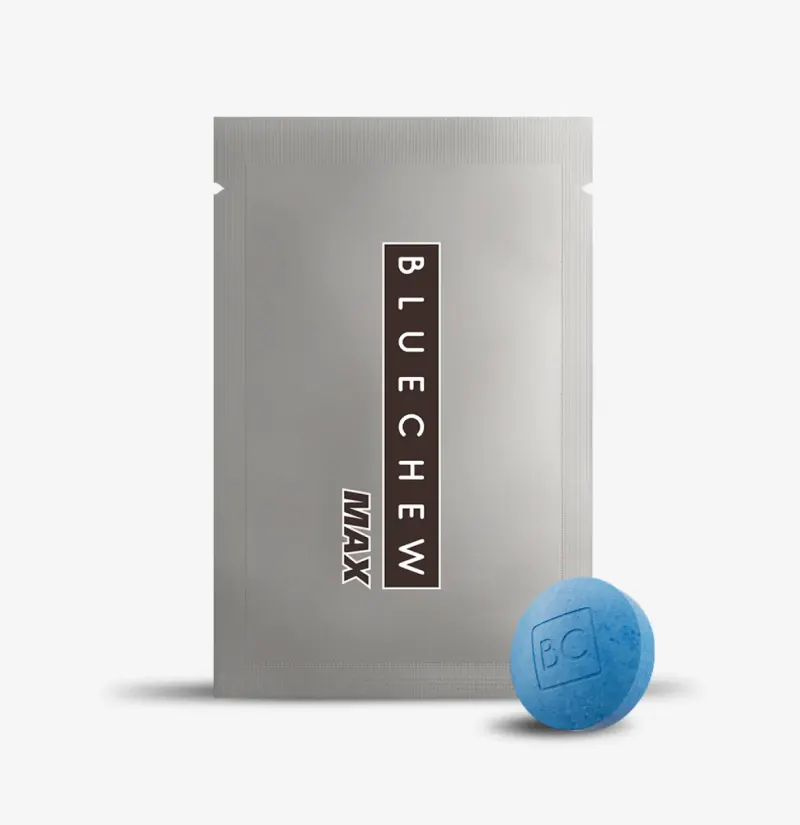
- MAX: 45 mg sildenafil + 18 mg tadalafil combo, $5.63/tablet, lasting up to 36 hours
- VMAX: 14 mg vardenafil + 18 mg tadalafil combo, $5.63/tablet, lasting up to 36 hours
- GOLD: sildenafil, tadalafil, oxytocin, and apomorphine sublingual tablet, from $7.30/tablet, lasting up to 36 hours
SIL, VAR, TAD, MAX, VMAX, and GOLD are available as sublingual tablets. DailyTAD comes in a chewable tablet.
BlueChew gives subscribers the option to manage your account, switch, or cancel their plan as needed.
View treatment plans to explore treatment plan options at BlueChew.

Frequently Asked Questions
How long does Post-SSRI Sexual Dysfunction typically last?
The duration varies widely. Some people report improvement within weeks or months after stopping an SSRI, while others report longer-lasting symptoms. Because PSSD is still being studied and symptoms can overlap with other health factors, it is important to work with a healthcare provider who can evaluate your full medication history, mental health, and physical health.
Can erectile dysfunction medications help with PSSD?
Medications containing sildenafil or tadalafil may help with erectile difficulties by supporting blood-flow pathways involved in erections. However, they primarily address erectile function and may not resolve issues with desire, genital sensation, or orgasm. If erectile function is part of your concern, BlueChew GOLD may be worth discussing with a licensed provider because it contains sildenafil, tadalafil, apomorphine, and oxytocin in a compounded sublingual tablet.
Should I talk to my original prescribing doctor about PSSD?
Your original prescribing provider is a reasonable place to start because they know your medication history. If your concerns are dismissed or you need more specialized support, consider asking for a referral to a psychiatrist, urologist, sexual medicine specialist, or another clinician familiar with medication-related sexual dysfunction.
Is PSSD the same as sexual dysfunction that happens while taking SSRIs?
Not exactly. Sexual dysfunction during active SSRI treatment refers to side effects that happen while someone is taking the medication. PSSD refers to sexual symptoms that persist after stopping a serotonin reuptake inhibitor. The symptoms may overlap, but the timing and persistence after discontinuation are what make PSSD different.
How can I support my partner who is dealing with PSSD?
Start by believing that the symptoms are real and avoiding pressure around sexual performance. Ask what kind of closeness feels supportive, and keep intimacy from becoming a pass-fail experience. Encourage medical support, learn about the condition together, and consider couples counseling if the issue is creating strain in the relationship.
This article is provided for informational purposes only and does not constitute medical advice. The information presented is not a substitute for professional medical advice, diagnosis, or treatment. Always consult your healthcare provider to discuss the risks, benefits, and appropriateness of any treatment.
BlueChew offers access to healthcare providers who may prescribe compounded medications for the treatment of erectile dysfunction.
The featured products include compounded medications that have not been approved by the FDA. Compounded medications may be prescribed under federal law but are not the same as, nor are they generic versions of, any FDA-approved medication. The FDA does not review compounded medications for safety, effectiveness, or manufacturing quality of compounded products. A prescription will only be written if deemed appropriate after the digital consultation by the licensed medical provider. Individual results may vary.
BlueChew is not a compounding pharmacy but a telemedicine service that links patients to licensed medical providers.
Other Helpful Articles