How to Use Pillows & Furniture for Comfy, Creative Sex

That moment when you're trying a new position and realize your neck is cramping, your knees are protesting, and the mood is slipping away? You're not alone. Physical challenges during intimacy are common—which is why strategic positioning can make all the difference in your experiences.
The good news: your home is already filled with tools that can transform your intimate experiences. Strategic use of pillows and furniture isn't just about comfort—it's about unlocking new positions, deeper connection, and more satisfying encounters for both partners. When you combine smart positioning with confidence in your performance, everything clicks into place.
Whether you're working with standard bed pillows or considering purpose-built options, understanding how to use what's around you can eliminate discomfort, enhance pleasure, and help you both stay in the moment longer.
Key Takeaways
- Elevating hips with a pillow changes penetration angles, improving access to pleasure zones for both partners
- Purpose-built sex pillows maintain their shape under pressure—regular pillows compress and lose effectiveness
- Furniture like chairs, ottomans, and couches offer height variations and support that beds can't provide
- Communication before and during experimentation makes the difference between frustrating and fantastic
- Budget-friendly options ($20-40 inflatables) let you test the concept before investing in premium furniture
The Art of Pillow Play for Intimacy
Using pillows during sex is a simple, non-intimidating way to elevate your experience without requiring any special equipment or expertise. Research in sexual health has shown that postural modifications during intercourse can significantly affect both comfort and pleasure for partners.
The basic principle is straightforward: changing the angle of your body changes everything about how sensations feel. A pillow under the hips during missionary creates a natural tilt that shifts the angle of penetration significantly.
Elevating Hips for Deeper Connection
Hip elevation is the most common and effective pillow technique. Placing a firm pillow under the receiving partner's hips tilts the pelvis upward, which accomplishes several things at once.
Benefits of hip elevation:
- Creates better access to the G-spot (located 2-3 inches inside the vaginal canal on the upper wall)
- Reduces strain on the penetrating partner's back and knees
- Allows for deeper penetration without requiring athletic flexibility
- Takes pressure off the lower back for both partners
The anatomy here matters. According to research, pelvic positioning directly affects the angle of the vaginal canal and access to sensitive internal structures. When hips rest flat on a surface, the vaginal canal angles differently than when the pelvis is elevated. Elevating the hips reduces anterior pelvic tilt, shifting the canal upward so stimulation can reach exactly where it feels best.
Why Regular Pillows Fall Short
There's a reason purpose-built sex pillows exist: your decorative throw pillows weren't designed for this job. Feather and down pillows compress under body weight, losing their elevation within minutes. Memory foam bed pillows are better but still lack the density needed for sustained positioning.
Dedicated sex pillows use high-density foam that maintains shape regardless of pressure. Many feature a 27-degree angle that's been optimized through years of design refinement. They're also typically covered in waterproof, washable materials—a practical consideration regular pillows don't address.
That said, you can absolutely start experimenting with what you have. Stack two or three firm pillows, or fold a thick blanket into a wedge shape. Testing the concept costs nothing and helps you understand what angles work best for your bodies.
Furniture Focus: Transforming Your Bedroom
Your bed is probably where most intimate encounters happen, but it's not always the best tool for the job. The mattress absorbs momentum, edge heights vary, and unless you have a sturdy headboard, there's nothing to hold onto for leverage.
Beyond the Bed: Chairs and Ottomans
An armless chair or ottoman opens up positioning options that beds simply can't offer. The seated partner provides a stable base while the other partner controls depth, angle, and rhythm.
Chair positioning benefits:
- Height brings partners to face-to-face level for kissing and eye contact
- The seated partner uses less energy, allowing for longer sessions
- Armrests (on appropriate chairs) provide grip for stability
- Works well for couples with significant height differences
Using Your Headboard
If your bed has a sturdy headboard, you're sitting on an underutilized resource. The headboard provides something to grip, lean against, or brace against for leverage during various positions.
Kneeling positions become more sustainable when you can hold the headboard for balance. The receiving partner can face the headboard while the other kneels behind, using the headboard's stability to enhance rhythm and depth.
Safety note: test your headboard's stability before putting weight against it. A headboard that shifts or creaks isn't worth the risk.
Creative Curves: Sofas and Couches
Your living room couch might be the most versatile piece of sex furniture you already own. Sofas offer cushioned surfaces at heights beds can't match, plus armrests, backrests, and varying cushion firmness throughout.
Backrest Support Techniques
The couch backrest creates natural support for positions that would be exhausting on a flat surface. The receiving partner can kneel facing the backrest, arms resting on top, while the other partner approaches from behind. The cushioned surface protects knees while the backrest eliminates the need to support your own weight.
Alternatively, one partner sits normally on the couch while the other straddles them facing forward or backward. The seated partner's back is fully supported, making this position sustainable for extended periods.
Armrest Applications
Couch armrests provide height and padding for a variety of positions. The receiving partner can drape over the armrest, creating hip elevation similar to pillow positioning but with more staest positioning tips:
- Add a folded towel or small pillow on top for additional comfort
- Test the armrest's stability before putting full weight on it
- The angle works differently than bed-based positions—experiment to find what feels best
- Couch placement matters: ensure you have room to maneuver on both sides

DIY Positioning Props from Household Items
You don't need to purchase anything to start improving your positioning game. Several common household items work surprisingly well as improvised supports.
Towels and Blankets
Rolled towels create surprisingly effective bolsters. A tightly rolled bath towel placed under the small of the back provides lumbar support during prolonged positions. Folded blankets can substitute for firm pillows when stacked to appropriate heights.
Towels also solve practical problems: placed under hips on sheets you want to keep clean, or providing grip on slippery surfaces.
Yoga Equipment
If you have yoga props, they translate directly to bedroom use. Yoga bolsters are essentially purpose-built for body support. Yoga blocks provide stable, height-adjustable platforms. Even a rolled yoga mat creates a firm cylinder for positioning support.
The fitness crossover makes sense: both contexts involve body positioning, flexibility, and sustained physical activity. Props designed to make challenging yoga poses accessible accomplish similar goals in intimate contexts.
Mastering the Angles: Deeper Penetration and Enhanced Pleasure
Understanding why angles matter helps you make better positioning decisions. It's not just about what feels good in the moment—it's about anatomy and physics working together.
The Science of Pelvic Tilt
Pelvic positioning significantly affects sexual sensation and comfort. Putting pillows under the hips to help change the angle is a practical technique for enhancing sensation.
The mechanics are straightforward: tilting the pelvis changes the angle at which bodies meet, affecting which areas receive stimulation. For the receiving partner, hip elevation typically increases G-spot or P-spot access. For the penetrating partner, angle changes can affect stimulation as well—certain angles provide more friction or pressure in ways that enhance pleasure for both.
Weight Distribution and Leverage
Beyond angles, positioning affects how weight is distributed and where leverage comes from. Positions that put all the effort on one partner aren't sustainable. Props and furniture can redistribute that effort.
A penetrating partner who can brace against furniture or use pillow positioning to reduce strain will have more stamina. A receiving partner supported by cushions rather than their own muscle tension can relax more fully into sensation.

Setting the Scene: Comfort and Ambiance
Physical positioning is only part of the equation. The environment you create affects relaxation, arousal, and willingness to try new things.
Temperature and Lighting
Bodies in motion generate heat. A room that feels comfortable when you're clothed and still may feel stifling during activity. Adjustable temperature and good ventilation make extended sessions more comfortable.
Lighting affects mood and body confidence. Dim, warm lighting tends to be more flattering and creates intimacy. Complete darkness can heighten other senses but makes positioning adjustments harder to coordinate.
Preparation Matters
Having everything you might need within reach prevents mood-killing interruptions. Lubricant, towels, water, and any positioning props should be accessible before things get started.
If you're planning to use furniture outside the bedroom, ensure privacy and consider what cleanup might be needed. Removing distractions—phones on silent, doors locked—helps both partners stay present.
Safety and Preventing Strain
Creative positioning should enhance pleasure, not create injury. Paying attention to your body's signals prevents problems.
Listening to Your Body
Discomfort during sex isn't something to push through. Pain in joints, cramping muscles, or numbness are signals to change position immediately. The goal is sustainable pleasure, not endurance testing.
Common strain points to watch:
- Knees on hard surfaces (always use padding)
- Lower back when arched for extended periods
- Wrists supporting body weight
- Neck in unusual angles
- Hip flexors in deep stretching positions
Communication during activity matters as much as before. Quick check-ins—"How does this feel?" or "Should we adjust?"—prevent minor discomfort from becoming memorable for the wrong reasons.
Modifications for Different Bodies
Bodies vary in flexibility, strength, and proportion. Positions that work perfectly for one couple may need modification for another. Height differences, mobility limitations, joint issues, and body size all influence what's comfortable.
This is where props become essential tools rather than optional enhancements. Pillows can bridge height gaps. Furniture can provide support that eliminates strain. There's no "correct" way to position bodies—only what works for the specific people involved.

Communication: The Foundation of Creative Intimacy
All the pillows and furniture in the world won't help if partners can't communicate about what they want to try and how it's feeling.
Starting the Conversation
Bringing up new ideas works best outside the bedroom, in low-pressure moments. Framing suggestions positively—"I'd love to try..." rather than "We never..."—keeps the conversation constructive.
Sharing articles like this one can open discussions naturally. Pointing out a specific technique and asking what your partner thinks provides an easy entry point.
During the Moment
In-the-moment communication doesn't need to be elaborate. Simple guidance like "a little to the left" or "that angle is perfect" helps both partners without breaking the mood. Non-verbal cues—guiding hands, responsive sounds—communicate effectively when words feel disruptive.
The willingness to adjust, experiment, and sometimes laugh when things don't work perfectly is what makes intimate exploration fun rather than stressful.
Confidence in Your Corner: How BlueChew Supports Your Best Performance
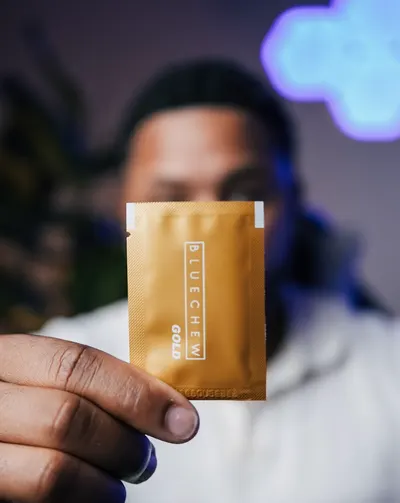
When you're ready to experiment with new positions and creative techniques, the last thing you want is to worry about performance. That's where BlueChew comes in—providing the confidence to fully engage in whatever you're trying.
BlueChew provides prescription medications containing the active ingredients sildenafil, vardenafil, and tadalafil. Sildenafil, vardenafil, and tadalafil are the active ingredients in Viagra, Levitra, and Cialis, respectively.
BlueChew offers multiple compounded medications to match your needs:
- SIL: 30 mg or 45 mg sildenafil, from $2.94/chew, works in 30 minutes, lasting up to 6 hours
- TAD: 6 mg or 9 mg tadalafil, from $3.57/chew, effective within 30 minutes, lasting up to 36 hours
- VAR: 8 mg vardenafil, from $4.33/chew, takes effect in 30 minutes, lasting up to 6 hours
- DailyTAD: 9 mg tadalafil plus 7 essential vitamins, $2.22/chew, lasting up to 36 hours
- MAX: 45 mg sildenafil + 18 mg tadalafil combo, $5.63/tablet, lasting up to 36 hours
- VMAX: 14 mg vardenafil + 18 mg tadalafil combo, $5.63/tablet, lasting up to 36 hours
- GOLD: sildenafil, tadalafil, oxytocin, and apomorphine sublingual tablet, from $7.29/tablet, lasting up to 36 hours
- ENERGY: 30 mg sildenafil + 60 mg caffeine, $4.50/ea, lasting up to 6 hours
For spontaneous encounters where you want flexibility to explore different positions throughout the day, TAD provides 24-36 hours of enhanced erectile function. When you're not worried about maintaining an erection while changing positions or during extended sessions, you can focus entirely on connection and sensation. That mental freedom often matters as much as the physical support.
The process is straightforward: complete an online consultation, and if a licensed provider determines it's appropriate, your prescription ships directly in discreet packaging. No pharmacy visits, no in-person appointments, no interruption to your plans.

Frequently Asked Questions
What are the best types of pillows to use for sex?
High-density foam pillows designed specifically for sexual positioning maintain their shape best under body weight. Popular options like wedge-shaped pillows provide consistent 27-degree angles for hip elevation. If you're testing the concept, start with firm bed pillows stacked two or three high—just know they'll compress over time and may need adjustment during use.
How can furniture enhance comfort or pleasure during sex?
Furniture provides stable support at heights beds can't offer. Chairs allow face-to-face positions without either partner supporting their full weight. Couch armrests create hip elevation with padding. Ottomans and benches offer varied heights for different activities. The key benefit is reducing physical strain so both partners can focus on pleasure rather than muscle fatigue.
Are there safety concerns when using household items as positioning aids?
The main concerns are stability and surface safety. Test furniture stability before putting full weight against it. Ensure surfaces can support combined body weight during movement. Protect knees with padding on hard surfaces. Avoid positions that strain joints beyond their comfortable range. If anything feels painful or unstable, adjust immediately—creative positioning should enhance enjoyment, not create injury risk.
How do I communicate about trying new positions with my partner?
Start conversations outside the bedroom when you're both relaxed. Frame suggestions positively as things you'd like to explore together rather than criticisms of current routines. Sharing articles or educational content provides natural conversation starters. During intimate moments, simple verbal cues and gentle guidance communicate effectively without disrupting the mood.
Can BlueChew help me feel more confident exploring new positions?
Performance concerns can create mental barriers to experimentation. When you're worried about maintaining an erection during position changes or extended sessions, it's harder to stay present and enjoy the experience. BlueChew's chewable and sublingual tablets provide reliable erectile support, removing that concern so you can focus on connection and creativity with your partner.
This article is for informational purposes only and does not constitute medical advice. The content provided here is not a substitute for, and should never be relied upon as, professional medical advice. Always consult your doctor to discuss the risks, benefits, and appropriateness of any treatment. BlueChew offers compounded medications prescribed solely for the treatment of erectile dysfunction and sexual performance enhancement. Compounded medications are not FDA-approved.
Other Helpful Articles