Best Couple Apps for Connection and Sex

Couple apps can provide a shared structure for conversations, planning, relationship education, and discussions about intimacy. Some focus on brief daily questions, while others offer guided exercises, shared calendars, games, or private ways to compare preferences.
Research on digital relationship support suggests that structured online interventions can be useful for some couples. A randomized online relationship trial involving distressed heterosexual couples found improvements in relationship satisfaction and confidence compared with a waitlist group.
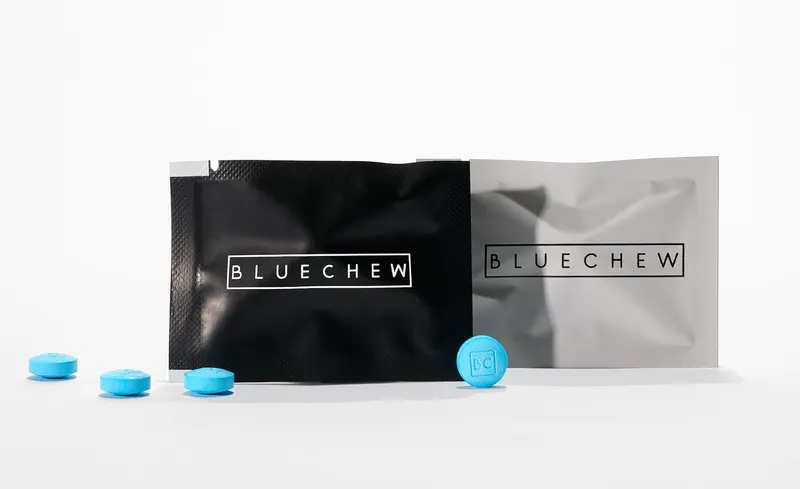
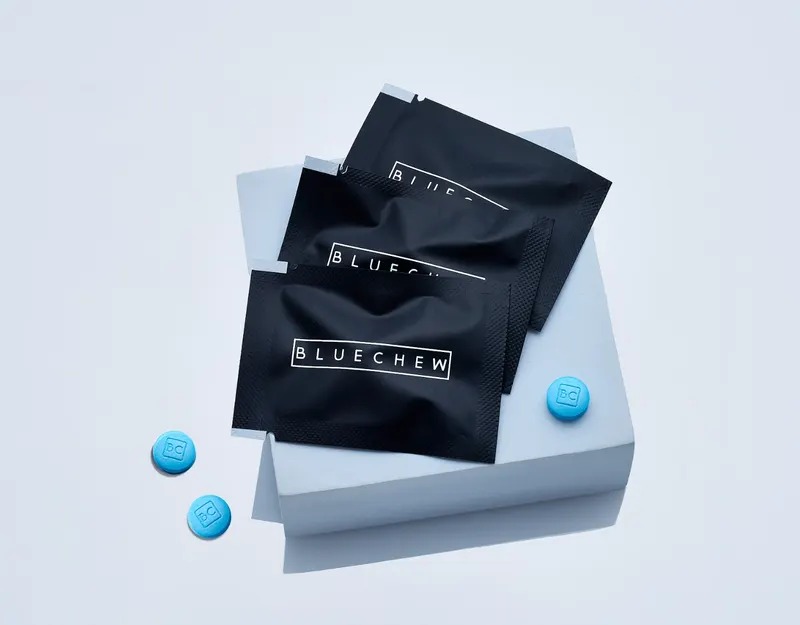
The most useful app is therefore one that fits both partners' goals and feels realistic to use consistently. For couples also navigating erectile concerns, BlueChew serves a separate role by connecting eligible patients with licensed healthcare providers who may prescribe compounded erectile dysfunction medication when appropriate.
Key Takeaways
- Paired, Agapé, and Gottman Card Decks focus primarily on regular conversations and relationship check-ins
- Coral, Cohesa, Spicer, and Ultimate Intimacy offer more direct ways to discuss intimacy and sexual preferences
- Lasting provides structured relationship education, while Between focuses on private communication and shared organization
- Digital prompts can open useful conversations, but responses inside an app do not replace direct communication or ongoing consent
- Couple apps can support relationship conversations, while persistent erectile concerns require appropriate medical evaluation

What to Look for in a Couple App
Different couples may want very different things from the same type of app. Before creating linked accounts or beginning a subscription, identify what the app is supposed to make easier.
Consider:
- Primary goal: Daily conversation, emotional connection, shared planning, date ideas, relationship education, or sexual exploration
- Time commitment: A daily question may take only a few minutes, while guided programs can involve longer exercises
- Comfort level: Intimacy-related prompts should match both partners' boundaries and preferred level of directness
- Privacy: Review what each partner can see and what information the service stores
- Participation: Both partners should understand why the app is being introduced
- Cost: Trials, subscriptions, and feature limits can change, so check the current app or store listing before paying
Research also supports keeping the focus on the conversation rather than the technology itself. In a study of 387 married couples, communication and sexual satisfaction were both associated with marital satisfaction, with communication playing an important role in how sexual satisfaction related to the wider relationship.
1. Paired
Primary focus: Daily communication and broad relationship topicsAccess: Free features with an optional premium subscription
Paired combines daily questions, quizzes, games, and short lessons covering communication, conflict, attachment, intimacy, finances, household responsibilities, and future planning.
Partners can connect their accounts and complete activities individually or together. The daily-question format gives couples a regular prompt without requiring them to choose a subject from scratch.
Paired also works with relationship professionals and academics in developing its content. That gives the activities an educational framework, although the app should still be viewed as a general relationship tool rather than individualized counseling.
2. Gottman Card Decks
Primary focus: Conversation prompts and relationship check-insAccess: Free
The Gottman Card Decks app organizes prompts into categories covering open-ended conversation, appreciation, empathy, intimacy, needs, and relationship knowledge.
Its format is simple. Couples choose a deck, select a few prompts, and use them during a date night, quiet evening, trip, or regular check-in.
The cards draw on concepts associated with the Gottman Institute's broader relationship education work. They are prompts rather than a personalized treatment plan, leaving couples free to decide which topics are useful and how often they want to use them.

3. Agapé
Primary focus: One shared question each dayAccess: Free features with optional paid content
Agapé centers on one personalized question each day. Partners answer separately, and their responses become visible after both people participate.
Questions can cover shared memories, appreciation, future plans, emotional connection, personal preferences, and intimacy. The short format may suit couples who want a regular habit without committing to longer lessons.
Agapé states that its question library is reviewed by relationship researcher Ronald Rogge, PhD. The app also includes participation streaks and points for couples who enjoy habit-building features.
4. Coral
Primary focus: Guided intimacy and sexual-wellness exercisesAccess: Free download with optional in-app purchases
Coral focuses more directly on emotional and physical intimacy. Its content includes guided exercises, quizzes, educational material, stories, and prompts around subjects such as desire, communication, pleasure, body confidence, and sexual concerns.
Some of the broader techniques used in digital intimacy programs have been studied separately from Coral. A 2024 randomized controlled trial involving heterosexual couples found that online sensate focus exercises were associated with improvements in several sexual and relationship outcomes compared with a waitlist condition.
Coral may provide a structured starting point for couples who want to discuss intimate subjects in more depth than a general daily-question app allows.
5. Cohesa
Primary focus: Shared intimacy preferences and date planningAccess: Free features with optional premium access
Cohesa combines intimacy exploration with broader relationship activities. Features include intimacy menus, compatibility questions, conversation prompts, date ideas, and shared planning.
The menu approach gives partners specific possibilities to consider instead of requiring either person to begin with an open-ended question about what they want to try. Mutual interests can then become a starting point for direct discussion.
Cohesa also includes nonsexual relationship activities, allowing couples to connect conversations about physical intimacy with dates, communication, and time together.

6. Spicer
Primary focus: Private yes, no, or maybe matchingAccess: Free features with an optional paid plan
Spicer lets partners privately answer questions about intimate interests. Compatible responses can then be surfaced to both people.
This structure can lower the pressure involved in introducing a specific subject because each person considers the prompt independently before a shared match appears. Questions range from relatively familiar ideas to more adventurous possibilities.
A match should still be treated as the beginning of a conversation. Sexual communication can become particularly challenging when partners disagree, and recent research has examined how communication during sexual conflict can involve patterns such as demand and withdrawal. An app can identify possible common ground, but it cannot replace respectful discussion when preferences differ.
7. Ultimate Intimacy
Primary focus: Intimacy games and marriage-centered activitiesAccess: Free download with optional purchases
Ultimate Intimacy includes bedroom games, conversation prompts, quizzes, date ideas, position suggestions, and relationship resources.
Its activities move between conversation, romance, and physical intimacy. Couples can customize portions of the experience according to their preferences.
Ultimate Intimacy was created by a married Christian couple and maintains a marriage-centered, faith-informed perspective. That positioning may suit some couples more naturally than others.
8. Lasting
Primary focus: Structured relationship educationAccess: Initial assessment or trial with a paid program
Lasting offers guided programs covering communication, conflict, emotional connection, trust, intimacy, finances, parenting, and related relationship topics.
Its content follows a more structured sequence than apps centered on individual questions or games. Partners can work through exercises separately and return to shared discussions as they move through a topic.
Research on structured digital relationship programs suggests that this broader model can be useful. In the randomized OurRelationship online program, distressed couples showed improvements in relationship satisfaction and confidence compared with a waitlist group. That study evaluated OurRelationship rather than Lasting, but it provides evidence that well-structured online couple interventions can produce measurable relationship outcomes.
9. Between
Primary focus: Private communication and shared memoriesAccess: Free features with optional paid upgrades
Between provides a two-person digital space for messages, photos, videos, anniversaries, and shared schedules.
Its calendar can be used to coordinate date nights, travel, work commitments, and relationship milestones. Memory features give couples a dedicated place for selected photos and notes outside their broader social-media or messaging accounts.
Between does not have the same emphasis on guided relationship education or intimacy exercises as many of the other apps on this list. Its role is closer to a shared communication and organization space.
10. Love Nudge
Primary focus: Affection habits based on the Five Love LanguagesAccess: Free download with possible in-app features
Love Nudge is based on Gary Chapman's Five Love Languages framework. Features include quizzes, connected partner accounts, goals, reminders, and suggested activities.
The five categories are words of affirmation, quality time, receiving gifts, acts of service, and physical touch. They can give couples a simple vocabulary for discussing different ways of expressing affection.
The categories are best used as conversation prompts rather than fixed descriptions of either person. Preferences can overlap and change according to circumstances, relationship stage, or individual needs.
How to Use Couple Apps Without Creating Another Obligation
Relationship technology is most useful when it makes communication easier rather than becoming another routine that one partner has to manage.
Start with one app and one clear purpose. For example:
- Use Agapé for a short daily question
- Use Gottman Card Decks for a weekly conversation
- Use Between for shared plans and memories
- Use Cohesa or Spicer for a planned conversation about intimate interests
- Use Lasting for a specific relationship topic both partners want to explore
Consistency can matter more than volume. One randomized study of an online relationship intervention showed that couples could benefit from a relatively brief, structured program rather than needing continuous digital engagement. The OurRelationship trial is one example of how online exercises can support relationship work when the program has a clear purpose.
When an app reveals a difference in expectations, preferences, or boundaries, move the conversation away from the screen. The prompt may introduce the subject, but the discussion between partners is where understanding develops.
Couple Apps and Sexual Communication
Apps that focus on intimacy are most useful when they help partners discuss subjects more clearly rather than trying to make decisions for them.
Research has repeatedly linked communication with sexual and relationship outcomes. In 387 married couples, communication and sexual satisfaction both independently related to marital satisfaction. The results do not mean that more conversation automatically produces better sex, but they support treating communication as an important part of the wider relationship.
For practical use:
- Discuss why the app is being introduced before connecting accounts
- Avoid pressuring a partner to answer a sexual prompt
- Treat a yes, match, or saved preference as a conversation starter
- Check in again before trying an activity
- Allow either partner to change an answer or preference
- Stop using a feature if it creates pressure rather than communication
When More Support May Be Helpful
Couple apps are primarily tools for education, maintenance, exploration, and structured discussion. They cannot evaluate every factor affecting a relationship.
Professional support may be useful when:
- Conversations regularly end in severe conflict or prolonged withdrawal
- One partner feels controlled, pressured, frightened, or unsafe
- Past trauma is affecting emotional or physical intimacy
- Sexual activity causes recurring pain, distress, or anxiety
- A couple wants professional guidance around separation or reconciliation
- Erectile difficulties, low desire, or other sexual-health concerns continue over time
Depending on the concern, appropriate care may involve a licensed couples therapist, sex therapist, primary care clinician, urologist, or another qualified healthcare professional.
How BlueChew Fits Into the Conversation
Couple apps can support conversations about intimacy, expectations, and sexual-health concerns, but they do not diagnose or treat erectile dysfunction.
BlueChew is a telemedicine service that connects eligible patients with licensed healthcare providers. The provider reviews the submitted medical information and determines whether compounded prescription treatment is appropriate.
A large PDE5 inhibitor analysis evaluated medications including sildenafil, tadalafil, and vardenafil for erectile dysfunction. The evidence supports those active ingredients as established ED treatments, although it does not mean BlueChew's compounded formulations have been reviewed or approved by the FDA as finished products.
DailyTAD comes in a chewable tablet. SIL, TAD, VAR, MAX, VMAX, and GOLD are available as sublingual tablets.
BlueChew’s complete product lineup includes:
- SIL: 45 mg sildenafil, from $3.53/tablet, works in 15 minutes, lasting up to 6 hours
- TAD: 9 mg tadalafil, from $4.47/tablet, effective within 15 minutes, lasting up to 36 hours
- VAR: 8 mg vardenafil, from $4.34/tablet, takes effect in 15 minutes, lasting up to 6 hours
- DailyTAD: 9 mg tadalafil plus 7 essential vitamins, $2.23/tablet, lasting up to 36 hours
- MAX: 45 mg sildenafil + 18 mg tadalafil combo, $5.63/tablet, lasting up to 36 hours
- VMAX: 14 mg vardenafil + 18 mg tadalafil combo, $5.63/tablet, lasting up to 36 hours
- GOLD: sildenafil, tadalafil, oxytocin, and apomorphine sublingual tablet, from $7.30/tablet, lasting up to 36 hours
How To Get Medication Through BlueChew
Interested in getting your hands on an erectile dysfunction prescription? BlueChew has got you covered.
Select a plan, complete an online intake, and you’re done. A medical provider will review your information and, if appropriate, prescribe your plan, which will be shipped directly to your door.
No doctor appointments or patient support charges make it a stress-free experience.
Plus, there’s no commitment, you can easily cancel or switch plans anytime. Click here to explore all plan options for treatments at BlueChew.

Frequently Asked Questions
Can couple apps improve a relationship?
Some structured digital programs have shown positive results. A randomized online relationship trial found improvements in relationship satisfaction and confidence among distressed couples using the OurRelationship program. That evidence applies to the specific intervention studied rather than every relationship app. How useful an app feels will also depend on the couple's needs, participation, and expectations.
Which couple apps focus most directly on sex?
Coral provides intimacy-focused educational content and guided exercises, while Cohesa and Spicer emphasize exploring preferences. Ultimate Intimacy uses games and activities within a marriage-centered format. Research on online sensate focus suggests that some structured digital intimacy exercises can support sexual and relationship outcomes, although the study evaluated its own intervention rather than these commercial apps. The best choice depends on what type of discussion both partners are comfortable having.
Why does communication matter when using intimacy apps?
An app can reveal a preference, but it cannot interpret the context around that preference. Research involving married couples found links among communication and sexual satisfaction, reinforcing the value of direct partner discussion. A match or positive response inside an app should therefore be followed by conversation. Consent also remains ongoing and can change at any time.
Can a couple app replace couples therapy?
No. Couple apps can provide education, prompts, exercises, and structure, but they cannot assess the full relationship or create individualized clinical care. Evidence from digital relationship interventions shows that structured online tools can be useful for some couples, but they remain different from personalized therapy. Professional support is particularly important when there is abuse, coercion, severe conflict, trauma, or significant mental health concerns.
Can BlueChew be used alongside a couple app?
The two serve different purposes. Couple apps may support conversations about intimacy, expectations, preferences, or treatment concerns, while BlueChew connects eligible patients with licensed healthcare providers who evaluate erectile dysfunction treatment. Research supports sildenafil, tadalafil, and vardenafil as established PDE5 inhibitor treatments. Prescription eligibility still depends on the individual's medical information and provider assessment.
This article is provided for informational purposes only and does not constitute medical advice. The information presented is not a substitute for professional medical advice, diagnosis, or treatment. Always consult your healthcare provider to discuss the risks, benefits, and appropriateness of any treatment.
BlueChew offers access to healthcare providers who may prescribe compounded medications for the treatment of erectile dysfunction.
The featured products include compounded medications that have not been approved by the FDA. Compounded medications may be prescribed under federal law but are not the same as, nor are they generic versions of, any FDA-approved medication. The FDA does not review compounded medications for safety, effectiveness, or manufacturing quality of compounded products. A prescription will only be written if deemed appropriate after the digital consultation by the licensed medical provider. Individual results may vary.
BlueChew is not a compounding pharmacy but a telemedicine service that links patients to licensed medical providers.
Other Helpful Articles