How to Calm Your Nerves Before Sex

Medically reviewed by: Dr. Nicolette Natale, D.O
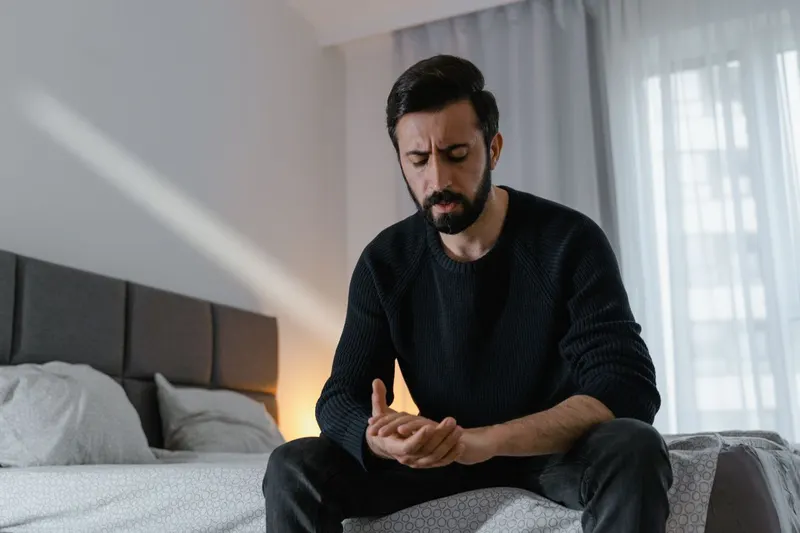
A racing heart, tense muscles, distracted thoughts, or a sudden fear that something will go wrong can make intimacy feel more stressful than exciting. These reactions can happen with a new partner, in a long-term relationship, or after a previous sexual experience did not go as planned.
Pre-sex anxiety is not unusual. A review of sexual performance anxiety estimated that it affects approximately 9% to 25% of men and 6% to 16% of women. The review also linked sexual performance anxiety with concerns such as psychogenic erectile dysfunction, premature ejaculation, and reduced sexual desire. The goal is not to force every nervous feeling to disappear. It is to reduce pressure, understand what is happening in the body, communicate clearly, and create an intimate experience that feels safe, consensual, and less focused on performance.
Key Takeaways
- Pre-sex nervousness may involve performance concerns, body-image worries, relationship tension, uncertainty, or previous difficult experiences
- Slow and comfortable breathing may help reduce physical tension and redirect attention away from racing thoughts
- Mindfulness can help a person notice sensations without constantly evaluating sexual performance
- Honest communication can reduce uncertainty and allow both partners to establish a slower, lower-pressure pace
- Persistent anxiety, erectile difficulties, pain, or emotional distress may warrant support from a healthcare provider or qualified therapist

Why Do People Get Nervous Before Sex?
Sex can involve physical arousal, vulnerability, communication, expectations, and uncertainty. When a person worries about rejection, appearance, erection quality, orgasm, timing, or satisfying a partner, the body may respond with increased alertness and tension.
The Stress Response and Sexual Function
Stress can impact sexual function in a variety of ways. Anxiety may increase heart rate, tighten muscles, change breathing patterns, and make a person more likely to monitor their performance. During sex, attention may shift away from pleasurable sensations and toward questions such as:
- Am I doing this correctly?
- Is my partner enjoying this?
- Will I get or maintain an erection?
- Am I taking too long?
- What happens if something feels awkward?
A clinical study of men seeking care for sexual dysfunction found that depression and anxiety affected a substantial minority of participants. Men with pre-existing anxiety disorders were also more likely to report sexual performance anxiety.
This does not mean every erection problem is caused by anxiety. Erectile difficulties may involve cardiovascular, hormonal, neurological, medication-related, psychological, or relationship factors. Recurring changes in erectile function should be discussed with a healthcare provider rather than automatically attributed to nervousness.
Common Triggers for Pre-Sex Anxiety
Performance concerns: Worrying about getting or maintaining an erection, reaching orgasm too quickly or slowly, or satisfying a partner
Body-image concerns: Feeling self-conscious about appearance, weight, scars, genital appearance, or how the body moves during sex
Previous experiences: Anticipating that an earlier difficulty, awkward moment, or negative encounter will happen again
Relationship tension: Feeling emotionally disconnected, uncertain about expectations, or unable to discuss preferences
A new partner: Feeling unsure about the other person's boundaries, interests, communication style, or reactions
Pressure to make sex perfect: Treating intimacy as a test rather than a shared experience
Identifying the main source of nervousness can make it easier to choose an appropriate response.
Change the Goal From Performance to Connection
Trying to eliminate anxiety immediately can sometimes create more pressure. A more practical goal is to remain present even when some nervousness is still there.
Stop Treating Sex Like a Test
Sex does not need to follow a fixed script. People pause, change positions, ask questions, laugh, lose focus, or decide that they want something different. Those moments do not automatically mean the experience is going badly.
Helpful reminders may include:
- Connection matters more than performing perfectly
- Both partners can communicate and adjust
- A pause does not mean the experience has failed
- Sexual pleasure does not depend on one specific act
- Consent can be checked, withdrawn, or changed at any time
Reframe Nervous Energy
Instead of telling yourself that nervousness proves something is wrong, try a more neutral interpretation:
“My body is activated because this moment matters to me. I can slow down and see what feels comfortable.”
This does not require pretending to feel completely confident. It simply prevents a temporary stress response from becoming proof that the entire experience will go badly.
Make Room for Mutual Pleasure
Focusing exclusively on satisfying a partner can make a person constantly monitor reactions and judge every movement. Intimacy is a shared experience in which both people should be able to communicate, receive pleasure, and change direction when needed.
Use Slow Breathing to Settle Your Body
Breathing exercises are not an instant cure for anxiety, but they may help reduce physical arousal and create a slower pace.
A randomized controlled trial comparing breathwork and mindfulness found that five minutes of daily structured breathing improved mood and reduced respiratory rate over one month. The largest mood improvement in that study occurred with a breathing pattern that emphasized longer exhalations.
The study did not specifically examine anxiety before sex, so its findings should be applied cautiously. However, slow breathing may be a practical way to pause and redirect attention when nervousness begins to build.
Try a Comfortable Longer Exhale
Before intimacy, try the following for two to five minutes:
- Sit or lie in a comfortable position
- Inhale gently through the nose
- Exhale slowly without forcing the breath
- Allow the exhale to last slightly longer than the inhale
- Repeat at a pace that feels natural
The exact number of seconds matters less than maintaining a slow and comfortable rhythm. Stop if controlled breathing causes dizziness, discomfort, or increased anxiety.
Release Muscle Tension
Anxiety may show up as clenched hands, raised shoulders, a tight jaw, shallow breathing, or tension in the abdomen and pelvic floor.
Try a brief body scan:
- Notice the feet and legs
- Move attention toward the abdomen and chest
- Lower the shoulders
- Unclench the jaw
- Relax the hands
- Take several comfortable breaths
The goal is not to make the body completely loose. It is to notice unnecessary tension and allow some of it to soften.
Use Touch Without Rushing Toward Sex
Consensual, non-demanding touch can help both partners transition into intimacy without making penetration, erection, or orgasm the immediate goal.
Options may include:
- Holding each other
- Giving a slow back or shoulder massage
- Holding hands while breathing together
- Kissing without rushing
- Asking what kind of touch feels comfortable
Touch should never be treated as an obligation or a guaranteed way to produce arousal. Both partners should remain free to pause, redirect, or stop.

Stay Present Instead of Monitoring Performance
Performance anxiety can pull attention away from physical sensation and toward self-evaluation. Mindfulness offers a different approach by encouraging awareness of the present moment without immediately judging it.
A systematic review of mindfulness and sexual dysfunction examined 18 published articles. The review found associations between mindfulness and outcomes such as greater sexual satisfaction, sexual desire, and sexual functioning, along with lower sexual distress. The authors also emphasized that the evidence base contained limitations and required further research.
Focus on One Sensation at a Time
Rather than trying to monitor everything, choose one immediate sensation:
- The pressure of your partner's hand
- The temperature of the room
- The feeling of the sheets
- Your breathing
- A sound
- The sensation of kissing or being touched
When the mind returns to a performance concern, notice the thought and gently redirect attention to the body.
Reduce Spectatoring
Spectatoring means mentally watching and judging yourself during sex rather than participating in the experience. It may sound like:
- Do I look attractive from this angle?
- Is my erection firm enough?
- Am I taking too long?
- Does my partner think I am inexperienced?
When this happens, try naming it:
“I am monitoring myself again.”
Then return to a physical sensation or ask your partner what feels good.
Talk to Your Partner About the Nerves
Discussing anxiety may feel vulnerable, but silence often leaves both partners guessing.
A study of 387 married couples found relationships among constructive communication, sexual satisfaction, and marital satisfaction. Because the study was observational, it does not prove that one conversation will eliminate anxiety. It does support the importance of communication within intimate relationships.
What to Say Before Sex
- “I am excited to be with you, but I sometimes get nervous at first. Taking things slowly helps.”
- “I want this to feel comfortable for both of us. Can we check in as we go?”
- “I feel less pressure when we do not treat penetration or orgasm as the only goal.”
What to Say During Sex
- “Can we slow down for a minute?”
- “That feels good. Keep doing that.”
- “Could we try something different?”
- “I need a brief pause.”
- “Are you comfortable?”
What to Say Afterwards
- “I felt more relaxed when we slowed down.”
- “I liked being able to talk without making it awkward.”
- “Next time, I would like more time for kissing and touching first.”
These conversations do not need to become a detailed analysis immediately after sex. A short and honest exchange can provide useful information for the next experience.
When Erection Concerns Contribute to Anxiety
Some people become nervous because they have experienced difficulty getting or maintaining an erection. Anxiety can then create a cycle of monitoring, worry, and further difficulty.
Prescription medication may be appropriate for some patients with erectile dysfunction, but erectile dysfunction medication should not be presented as a treatment for anxiety itself.
A systematic review and meta-analysis of erectile dysfunction treatments evaluated psychological interventions, PDE5 inhibitors, and combined treatment. The analysis found that psychological interventions and PDE5 inhibitors could improve erectile dysfunction symptoms, while combined treatment appeared to offer additional benefits for some patients.
A healthcare provider can help determine whether erection difficulties are more likely to involve psychological, physical, medication-related, or mixed factors.
Confidence in Your Corner
When erection uncertainty is contributing to nervousness, discussing the concern with a licensed medical provider may help clarify the available options.
BlueChew is a telemedicine service that connects eligible patients with licensed medical providers. A provider reviews the patient's medical information and may prescribe a compounded medication when medically appropriate.
Medication can address erectile function for an eligible patient, but it does not resolve every source of pre-sex anxiety. Relationship tension, body-image concerns, past experiences, general anxiety, or fear of judgment may require communication, counseling, or other forms of support.
BlueChew Treatment Options
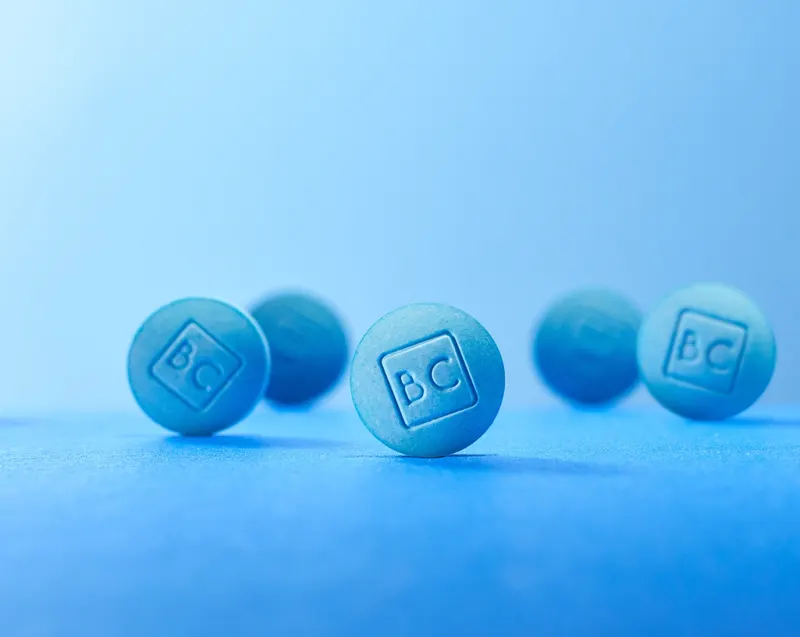
DailyTAD comes in a chewable tablet. SIL, TAD, VAR, MAX, VMAX, and GOLD are available as sublingual tablets.
BlueChew’s complete product lineup includes:
- SIL: 45 mg sildenafil, from $3.53/tablet, works in 15 minutes, lasting up to 6 hours
- TAD: 9 mg tadalafil, from $4.47/tablet, effective within 15 minutes, lasting up to 36 hours
- VAR: 8 mg vardenafil, from $4.34/tablet, takes effect in 15 minutes, lasting up to 6 hours
- DailyTAD: 9 mg tadalafil plus 7 essential vitamins, $2.23/tablet, lasting up to 36 hours
- MAX: 45 mg sildenafil + 18 mg tadalafil combo, $5.63/tablet, lasting up to 36 hours
- VMAX: 14 mg vardenafil + 18 mg tadalafil combo, $5.63/tablet, lasting up to 36 hours
- GOLD: sildenafil, tadalafil, oxytocin, and apomorphine sublingual tablet, from $7.30/tablet, lasting up to 36 hours
Patients should review the important safety information and tell their provider about their health conditions, prescription medications, over-the-counter drugs, and supplements.
When Pre-Sex Anxiety Persists
Occasional nervousness may improve with communication, slower pacing, and reduced performance pressure. Professional support may be appropriate when anxiety:
- Happens during most sexual encounters
- Leads to avoiding intimacy
- Causes significant distress
- Is connected to trauma or a previous unwanted experience
- Contributes to ongoing erection or orgasm difficulties
- Creates repeated conflict between partners
- Occurs alongside panic, depression, or broader anxiety symptoms
Consider a Qualified Therapist
A therapist with training in sexual health, cognitive behavioral therapy, relationship counseling, or trauma-informed care may help identify the thoughts and experiences maintaining the anxiety.
A clinical study of online cognitive behavioral therapy examined men with nonorganic erectile dysfunction and reported improvements in erectile function, negative emotions, and self-esteem. The study focused on a particular patient group and treatment format, so its findings should not be assumed to apply to every person experiencing sexual anxiety.
Seek a Medical Evaluation
Recurring erectile difficulties, pain, loss of sensation, major changes in desire, or other sexual-function changes should be discussed with a healthcare provider. These symptoms may involve factors that relaxation exercises alone cannot address.
Consider Couples Counseling
When anxiety is tied to communication problems, mismatched expectations, resentment, or difficulty discussing sex, working with a qualified couples therapist may help both partners address the concern together.
How To Get Medication Through BlueChew
Interested in getting your hands on a prescription for BlueChew? BlueChew has got you covered.
Select a plan, complete an online intake, and you're done. A medical provider will review your information and, if appropriate, prescribe your plan, which will be shipped directly to your door.
No doctor appointments or patient support charges make it a stress-free experience.
Plus, there is no commitment. You can easily cancel or switch plans anytime. Click here to explore all treatment plan options at BlueChew.

Frequently Asked Questions
Is it normal to feel nervous before sex with a long-term partner?
Yes. Sexual nervousness can occur in established relationships as well as new ones. A person may worry about changes in desire, erection quality, routine, body image, or whether their partner remains satisfied. Talking about the specific concern is usually more useful than assuming familiarity should make anxiety impossible.
How long before sex should calming techniques begin?
There is no single required schedule. Some people benefit from a few minutes of slow breathing immediately before intimacy, while others prefer to reduce distractions and communicate with their partner earlier in the evening. Practicing breathing or mindfulness outside sexual situations may also make the techniques feel more familiar when anxiety appears.
Can talking about nervousness ruin the mood?
A short and honest explanation can reduce uncertainty. The conversation does not need to be dramatic or lengthy. Saying, “I am excited, but I need to take things slowly at first,” gives a partner useful information without making anxiety the focus of the entire encounter.
What should someone do if they lose an erection during sex?
Pause rather than panic. An erection can change because of anxiety, distraction, fatigue, alcohol, medication effects, physical health, or other factors. Partners can continue with other forms of consensual touch or stop if either person prefers. Recurring erection difficulties should be discussed with a healthcare provider.
Can erectile dysfunction medication eliminate performance anxiety?
Erectile dysfunction medication is intended to address erectile function, not anxiety itself. It may reduce one source of uncertainty for an eligible patient with erectile dysfunction, but it does not resolve relationship concerns, previous difficult experiences, body-image distress, or broader anxiety disorders. The systematic review of combined erectile dysfunction treatment discussed earlier found that some patients may benefit from psychological intervention, medication, or a combination. The appropriate approach depends on the individual and should be discussed with qualified professionals.
This article is provided for informational purposes only and does not constitute medical advice. The information presented is not a substitute for professional medical advice, diagnosis, or treatment. Always consult your healthcare provider to discuss the risks, benefits, and appropriateness of any treatment.
BlueChew offers access to healthcare providers who may prescribe compounded medications for the treatment of erectile dysfunction.
The featured products include compounded medications that have not been approved by the FDA. Compounded medications may be prescribed under federal law but are not the same as, nor are they generic versions of, any FDA-approved medication. The FDA does not review compounded medications for safety, effectiveness, or manufacturing quality of compounded products. A prescription will only be written if deemed appropriate after the digital consultation by the licensed medical provider. Individual results may vary.
BlueChew is not a compounding pharmacy but a telemedicine service that links patients to licensed medical providers.
Other Helpful Articles