How to Spot the Real Cause of Your Low Libido

You used to think about sex multiple times a day. Now, weeks go by without the thought crossing your mind. Low libido affects a significant number of men, yet many suffer in silence because they don't understand what's causing it or assume it's just something they have to accept. The truth is, low sex drive often has contributing factors you can identify, and understanding those factors is the first step toward finding a path forward.
What makes identifying low libido challenging is that it rarely stems from a single factor. Hormones, medications, stress, relationship dynamics, and even erectile concerns can all play interconnected roles. Research from clinical guidelines shows that multiple factors typically contribute simultaneously to reduced sexual desire, which is why a one-size-fits-all solution rarely works.
The good news? Once you pinpoint what's actually driving your decreased desire, solutions become much clearer. Whether it's a lifestyle adjustment, addressing an underlying health condition, or exploring treatment options for performance concerns, understanding the root cause puts you back in control.
Key Takeaways
- Low libido becomes a clinical concern (HSDD) only when reduced desire causes significant personal distress or relationship problems
- Testosterone isn't always the culprit. Many men with normal testosterone experience low desire, while some with low testosterone maintain healthy libido
- Medications, especially antidepressants, are among the most common and overlooked causes of sudden libido changes
- Erectile dysfunction and low libido frequently co-occur
- Addressing performance anxiety may help support desire by reducing mental barriers that can suppress sexual interest

Understanding Low Libido: More Than Just "Not in the Mood"
Everyone experiences fluctuations in sexual desire. Stress, exhaustion, and busy seasons of life naturally impact how often you think about sex. The distinction between normal variation and clinical low libido lies in duration, intensity, and distress.
Defining Normal vs. Low Libido
Clinical guidelines define Hypoactive Sexual Desire Disorder (HSDD) as a persistent or recurrent absence of sexual thoughts, fantasies, or desire lasting six months or longer that causes significant personal distress. The key word is "distress." Not everyone who experiences reduced desire considers it a problem.
Signs that low libido may need attention:
- Sexual thoughts or fantasies have become rare or absent
- You rarely initiate intimacy and often decline your partner's advances
- The change represents a noticeable shift from your previous patterns
- You feel bothered, frustrated, or worried about your reduced interest
- Your relationship is experiencing strain as a result
If your decreased desire doesn't particularly bother you or your partner, it may simply reflect your current baseline rather than a problem requiring treatment.
The Spectrum of Sexual Desire
Sexual desire exists on a broad spectrum, and "normal" varies dramatically between individuals. Research shows that low sexual desire can affect men across age groups, though estimates vary depending on how low desire is defined and measured. These statistics don't indicate dysfunction; they reflect natural variation.
What matters most is whether your current desire level feels right for you and whether it's causing problems in your life or relationship.
When Hormones Are to Blame: A Deep Dive into Endocrine Health
Hormonal factors are often the first suspect when libido drops, and for good reason. Several hormones directly influence sexual desire, though the relationship is more complex than many people assume.
Testosterone's Role in Male Libido
Testosterone plays an important role in sexual desire, but the relationship isn't as straightforward as "low T equals low libido." Research indicates that many men with clinically low testosterone maintain normal libido, while others with normal testosterone levels experience HSDD.
When testosterone testing makes sense:
- You're experiencing other symptoms like fatigue, mood changes, or decreased muscle mass
- Your healthcare provider suspects hormonal imbalance based on clinical evaluation
- Other potential causes have been ruled out
Routine testosterone testing isn't recommended for healthy-appearing men without specific symptoms. The hormone's correlation with desire is weaker than commonly believed.
Thyroid Dysfunction and Sex Drive
Both hyperthyroidism and hypothyroidism can significantly impact libido. Thyroid hormones influence metabolism, energy levels, and mood, all of which affect sexual interest. If you're experiencing fatigue, weight changes, or temperature sensitivity alongside reduced desire, thyroid testing may be warranted.
Sudden Changes in Sex Drive: What Just Happened?
When libido drops suddenly rather than gradually, specific triggers are often responsible. Identifying recent changes in your life or health can point directly to the cause.
Medication-Induced Libido Loss
Medications are among the most common and frequently overlooked causes of sudden desire changes. Many people taking SSRIs experience sexual side effects, including reduced libido, difficulty with arousal, and delayed orgasm.
Common medication categories affecting libido:
- Antidepressants (SSRIs, SNRIs)
- Blood pressure medications, particularly older beta-blockers
- Opioid pain medications
- Prostate medications (5-alpha-reductase inhibitors)
- Antipsychotic medications
If your libido change coincides with starting a new medication, talk with your prescriber. Alternatives with fewer sexual side effects often exist.
The Impact of Chronic Stress
When your body remains in a prolonged stress state, it prioritizes survival functions over reproductive ones. Elevated cortisol levels can suppress testosterone production and shift mental focus away from sexual interest.
Stress-related factors to consider:
- Work pressure or job insecurity
- Financial concerns
- Major life transitions
- Caregiving responsibilities
- Relationship conflict
Chronic stress doesn't just reduce desire directly. It also impacts sleep quality, energy levels, and mood, all of which further compound the effect on libido.
Lifestyle Factors Diminishing Your Desire: Habits That Harm Your Libido
Daily habits can either support or suppress sexual desire. Several lifestyle factors have documented effects on libido that can be addressed without medical intervention.
The Connection Between Diet and Libido
Poor nutrition affects sexual health through multiple pathways. Obesity increases aromatase activity, which converts testosterone to estrogen. Cardiovascular health, which depends heavily on diet, directly impacts blood flow essential for arousal and erection.
Sleep, Stress, and Sexual Health
Sleep deprivation can affect hormone production, energy, and mood, all of which may influence sexual interest. In one study, healthy young men who slept less than five hours per night for one week had significantly lower testosterone levels.
Lifestyle improvements that may help:
- Aim for 7-9 hours of quality sleep
- Incorporate regular physical activity
- Moderate alcohol consumption
- Maintain a healthy weight
- Practice stress management techniques
Understanding Erectile Dysfunction and Its Impact on Libido
Here's something that doesn't get discussed enough: erectile dysfunction and low libido frequently travel together, and the relationship works in both directions.
The Psychological Toll of ED on Desire
When erections become unreliable, many men unconsciously begin avoiding sexual situations. The anticipation of potential embarrassment or disappointing a partner creates a negative association with intimacy that gradually erodes desire itself.
This creates a frustrating cycle: performance concerns lead to avoidance, avoidance reduces sexual interest, and reduced interest is interpreted as lost desire rather than recognized as a protective response.
When ED Leads to Avoidance
The cognitive pattern often looks like this: "Why would I want something that just leads to frustration and disappointment?" Sexual thoughts that once felt exciting become associated with anxiety and self-doubt. Over time, desire naturally diminishes as a result.
Addressing erectile concerns can sometimes restore libido indirectly by removing the psychological barriers suppressing it.
Psychological Hurdles: Addressing the Mind-Body Connection
Sexual desire begins in the brain, making psychological factors among the most powerful influences on libido. Mental health conditions, relationship dynamics, and cognitive patterns all play significant roles.
The Role of Stress in Suppressing Desire
Chronic stress activates the body's threat response system, which deprioritizes reproduction in favor of survival. Research shows that endorsement of negative thoughts during sexual activity predicts low sexual desire in men, including concerns about performance and restrictive attitudes toward sexuality.
Relationship Dynamics and Libido
Sexual desire doesn't exist in isolation from relationship quality. Unresolved conflicts, emotional disconnection, and communication breakdowns all impact sexual interest. Studies indicate that dyadic male sexual desire is strongly influenced by sexual satisfaction within the relationship, more so than individual hormone levels alone.
Relationship factors affecting libido:
- Ongoing unresolved conflict
- Emotional distance or disconnection
- Partner's sexual dysfunction creating pressure
- Mismatched desire levels causing tension
- Communication breakdown about needs
Beyond Hormones: Other Medical Conditions Affecting Sex Drive
Several chronic health conditions can reduce sexual desire through various mechanisms. Understanding these connections helps identify when medical evaluation is warranted.
Chronic Disease and Its Impact on Intimacy
Diabetes, cardiovascular disease, and neurological conditions all affect libido through different pathways. Many diabetic men experience sexual dysfunction, including reduced desire, due to nerve damage, blood vessel changes, and hormonal shifts.
Sleep apnea deserves special mention. It fragments sleep, reduces testosterone production, and leaves men exhausted, all of which suppress sexual interest.
Mental Health and Libido
Depression and anxiety are strongly associated with low libido. Many depressed men experience reduced sexual desire, though treating depression can restore it. The complication arises when antidepressants themselves cause sexual side effects, creating a challenging treatment balance.
Turning the Tide: Strategies That May Help Support Libido
Once you've identified potential causes, targeted strategies become much more effective. The approach depends on what's driving your specific situation.
Holistic Approaches to Revitalize Desire
For lifestyle-related causes, improvements in sleep, exercise, and stress management may help support sexual desire over time. Regular physical activity may improve mood, energy, and blood flow while reducing stress hormones.
When to Seek Professional Help
Seek medical evaluation if low desire is causing significant personal distress or relationship problems, has persisted for several months, accompanies other symptoms like fatigue or mood changes, or hasn't improved with lifestyle modifications.
How BlueChew Addresses the Libido-Performance Connection
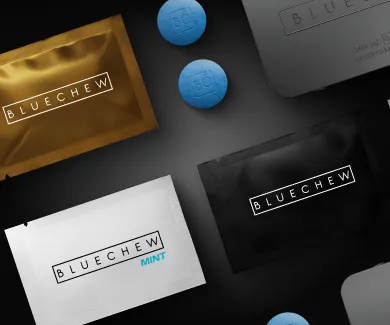
For men whose low libido stems from or is complicated by erectile concerns, addressing performance can unlock desire. BlueChew offers prescription medications that support erectile function, which may help reduce performance concerns that can get in the way of sexual interest.
When treatment helps erections feel more reliable, it may be easier to focus on connection and pleasure rather than worrying about what might happen. This shift can be transformative for men who've been avoiding intimacy due to performance uncertainty.
GOLD is particularly relevant for men experiencing both physiological and psychological factors. Its combination of sildenafil and tadalafil for blood flow, plus apomorphine and oxytocin, is designed to support multiple dimensions of sexual response. Learn more about how GOLD works and its onset time.
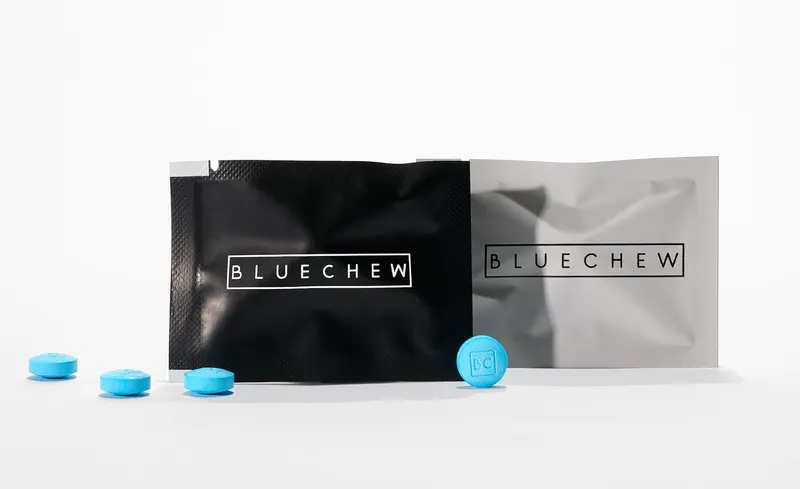
BlueChew’s complete product lineup includes:
- SIL: 45 mg sildenafil, from $3.53/tablet, works in 15 minutes, lasting up to 6 hours
- TAD: 9 mg tadalafil, from $4.47/tablet, effective within 15 minutes, lasting up to 36 hours
- VAR: 8 mg vardenafil, from $4.34/tablet, takes effect in 15 minutes, lasting up to 6 hours
- DailyTAD: 9 mg tadalafil plus 7 essential vitamins, $2.23/tablet, lasting up to 36 hours
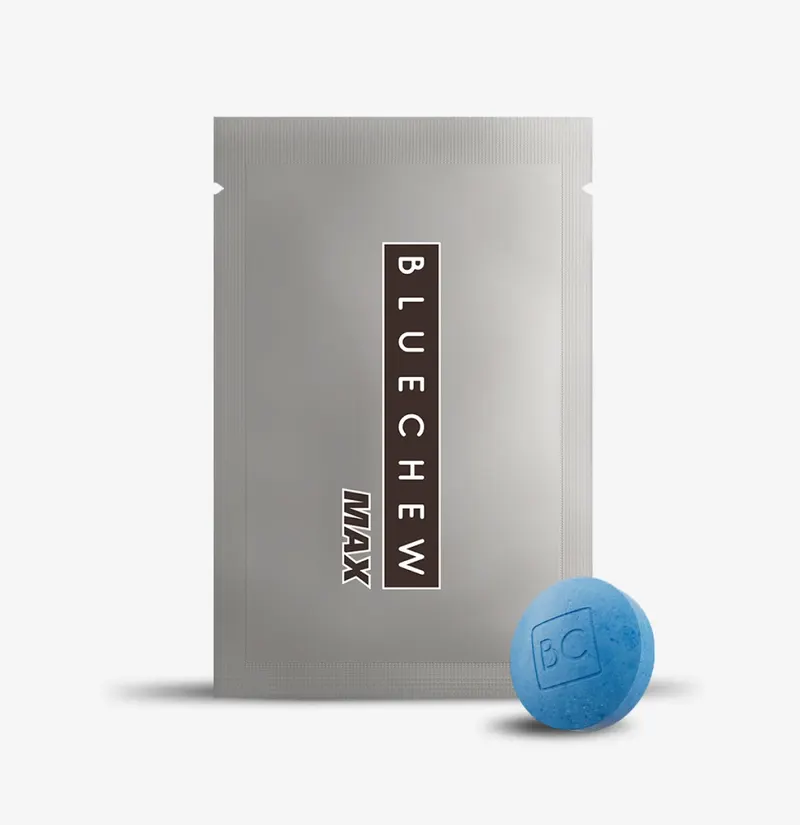
- MAX: 45 mg sildenafil + 18 mg tadalafil combo, $5.63/tablet, lasting up to 36 hours
- VMAX: 14 mg vardenafil + 18 mg tadalafil combo, $5.63/tablet, lasting up to 36 hours
- GOLD: sildenafil, tadalafil, oxytocin, and apomorphine sublingual tablet, from $7.30/tablet, lasting up to 36 hours
Getting started is straightforward. Create your account, complete a brief online consultation, and if approved by a licensed provider, your medication ships discreetly to your door.
Frequently Asked Questions
Can certain medications cause a sudden drop in libido?
Yes, medications are among the most common causes of sudden libido changes. SSRIs and SNRIs (antidepressants) cause sexual side effects in many users. Blood pressure medications, opioid pain relievers, prostate drugs, and antipsychotics can also significantly impact desire. If your libido dropped after starting a new medication, discuss alternatives with your prescriber.
Is low libido always a sign of a hormonal imbalance?
No. While hormones like testosterone play a role in sexual desire, the relationship is more complex than commonly assumed. Many men with normal testosterone experience low libido, while some with clinically low testosterone maintain healthy desire. Psychological factors, medications, lifestyle habits, and relationship dynamics often contribute more significantly than hormone levels alone.
What's the difference between low libido and erectile dysfunction?
Low libido refers to reduced or absent desire for sexual activity, while erectile dysfunction involves difficulty achieving or maintaining erections. They're distinct conditions but frequently co-occur. Importantly, ED can cause low libido when performance anxiety leads to sexual avoidance, creating a cycle that suppresses desire.
Are there natural ways to boost sex drive?
Several lifestyle modifications may help improve libido naturally. Prioritizing 7-9 hours of quality sleep supports hormone production. Regular exercise improves mood, energy, and blood flow. Moderating alcohol intake, maintaining a healthy weight, and managing stress through mindfulness or other techniques can all positively influence sexual desire. Results vary based on individual causes.
When should I see a doctor for low libido?
Seek medical evaluation if low desire is causing significant personal distress or relationship problems, has persisted for several months, accompanies other symptoms like fatigue or mood changes, or hasn't improved with lifestyle modifications. A healthcare provider can help identify underlying causes and discuss appropriate treatment options.
How does stress impact sexual desire in both men and women?
Chronic stress activates the body's survival response, which deprioritizes reproductive functions. Elevated cortisol can suppress sex hormones while shifting mental focus away from sexual thoughts. Stress also impairs sleep quality, reduces energy, and affects mood, all of which compound the impact on libido. Addressing stress through lifestyle changes or professional support often improves sexual desire.
This article is provided for informational purposes only and does not constitute medical advice. The information presented is not a substitute for professional medical advice, diagnosis, or treatment. Always consult your healthcare provider to discuss the risks, benefits, and appropriateness of any treatment.
BlueChew offers access to healthcare providers who may prescribe compounded medications for the treatment of erectile dysfunction.
The featured products include compounded medications that have not been approved by the FDA. Compounded medications may be prescribed under federal law but are not the same as, nor are they generic versions of, any FDA-approved medication. The FDA does not review compounded medications for safety, effectiveness, or manufacturing quality of compounded products. A prescription will only be written if deemed appropriate after the digital consultation by the licensed medical provider. Individual results may vary.
BlueChew is not a compounding pharmacy but a telemedicine service that links patients to licensed medical providers.
Other Helpful Articles