What to Do When Your Husband Has ED

When your husband experiences erectile dysfunction, the first thought that crosses your mind might be, “Is it me?” That reaction is understandable, but ED is not a reliable measure of attraction, desire, or the strength of your relationship. A survey on self-reported and IIEF-defined erectile dysfunction among adult men in the United States notes that prevalence estimates vary by method, but ED remains one of the most common male sexual health concerns.
ED can involve physical, psychological, neurological, vascular, hormonal, medication-related, or mixed factors. A review in Nature Reviews Disease Primers describes erectile dysfunction as a multidimensional condition that can involve organic, relational, and psychological components.
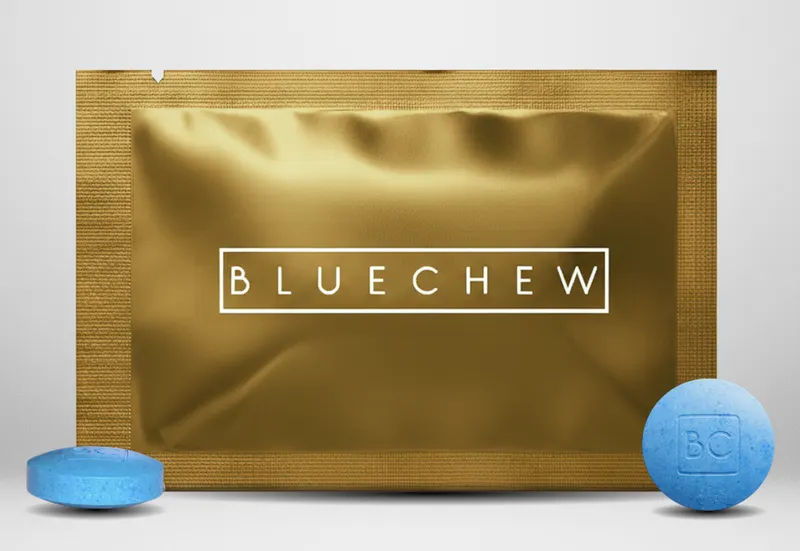
The most helpful response is not blame or pressure. It is calm support, honest communication, and a willingness to look at treatment options together. BlueChew offers discreet access to prescription compounded ED medications after an online provider review. BlueChew’s complete product lineup includes chewable and sublingual tablets.
Key Takeaways
- Erectile dysfunction is common and can have physical, psychological, medication-related, or lifestyle-related contributors.
- ED is not automatically a sign that your husband is not attracted to you.
- ED can be associated with broader health factors, so a medical evaluation may be important beyond sexual performance.
- Supportive, low-pressure communication can make it easier for him to talk about ED and consider treatment.
- BlueChew offers prescription compounded ED medications after an online provider review.

Understanding Erectile Dysfunction: Recognizing the Signs
Erectile dysfunction is the persistent difficulty getting or maintaining an erection firm enough for satisfactory sexual activity. Occasional erection changes can happen, especially during stress, fatigue, illness, or major life changes. ED usually becomes a concern when it happens repeatedly or starts affecting confidence, intimacy, or relationship connection.
Common signs that may indicate ED include:
- Difficulty getting an erection during sexual activity
- Trouble maintaining firmness long enough for sex
- Erections that are less firm than usual
- Avoiding sexual situations because of performance concerns
- Needing more stimulation than before
- Increased anxiety around intimacy
ED can also affect mood and behavior. Some men withdraw emotionally, avoid affection, or seem less interested in sex because they are embarrassed or afraid it will happen again.
Morning erections can be useful context for a healthcare provider, but they do not rule out medical causes. If ED is recurring, it is still worth encouraging a medical conversation.
Common Causes of Erectile Dysfunction in Men
Understanding the causes of ED can help you stop blaming yourself and start focusing on what may actually help. ED often has more than one contributing factor.
Physical Causes
Cardiovascular issues: Healthy erections depend on blood flow. High blood pressure, heart disease, atherosclerosis, and other vascular issues can interfere with blood flow to the penis. A systematic review and meta-analysis in The Journal of Sexual Medicine found that erectile dysfunction predicted cardiovascular events as an independent risk factor, which is one reason recurring ED is worth discussing with a provider.
Diabetes: Diabetes can affect both blood vessels and nerves, two systems that are essential for erectile function. A systematic review and meta-analysis on erectile dysfunction in diabetes found a high prevalence of ED among men with diabetes compared with healthy controls.
Medication side effects: Some medications used for blood pressure, mood, pain, and other conditions may contribute to sexual dysfunction. A Boston Area Community Health Survey analysis of prescription medication use and ED found that medication use and erectile function can overlap in complex ways, especially because the underlying condition being treated may also affect ED risk.
Surgery or injury: Prostate surgery, spinal cord injuries, pelvic trauma, or nerve damage may affect the signals involved in erections.
Neurological conditions: Conditions that affect nerve signaling may interfere with erections, especially when they disrupt communication between the brain, nerves, blood vessels, and penile tissue.
Psychological Causes
Psychological factors can also contribute to ED, either on their own or alongside physical causes. These factors can make erections less predictable and can also make a physical ED pattern feel more stressful over time.
Common psychological contributors include:
- Stress from work, finances, or life changes
- Depression or low mood
- Performance anxiety
- Relationship tension
- Fear of disappointing a partner
- Previous difficult sexual experiences
Why this matters for partners: ED is not just a bedroom issue. Because it can be connected to broader health concerns, encouraging your husband to speak with a healthcare provider can support both sexual health and overall wellness.
Medication Categories to Discuss With a Provider
If your husband takes prescription medications, they could be part of the picture. Some medication categories are known to affect sexual function, and a provider can help determine whether a prescription, dose, or timing issue may be contributing. A recent review on antihypertensive medications and ED notes that the relationship between blood pressure medications and erectile function can be difficult to separate from the effects of hypertension itself, which is why provider guidance matters.
Medication categories to discuss with a provider include:
- Antihypertensives: Some blood pressure medications, including certain beta-blockers and diuretics
- Antidepressants: Especially some SSRIs and other psychiatric medications
- Antiandrogens: Medications that affect androgen activity
- Opioids: Pain medications that may affect hormones and sexual function
- Certain acid-reducing medications: Including some histamine H2-receptor antagonists
- Sedatives: Sleep aids and anti-anxiety medications
What partners can do: Help him track when symptoms started and whether they line up with a new prescription, dose change, or health diagnosis. This can be useful information for a provider.
Important: never encourage your husband to stop or change a prescribed medication without medical guidance. A provider may be able to adjust the dose, change timing, switch medications, or recommend ED treatment safely.
The Emotional Impact on Partners
When your husband experiences ED, you may feel it too. You might wonder whether he is still attracted to you, whether something has changed in the relationship, or whether you are doing something wrong.
Partners commonly feel:
- “Is it me?”
- “Is he still attracted to me?”
- “Should I try to fix this?”
- “Will our sex life go back to normal?”
- “How do I bring this up without hurting him?”
These reactions are normal, but taking ED personally can add pressure for both of you. ED often has medical, psychological, or lifestyle-related causes that are not about your desirability.
ED can affect both partners. A Journal of Sexual Medicine study on the sexual experience of female partners of men with ED found that women reported changes in sexual activity and sexual experience after their partner developed ED. That is one reason it helps to treat ED as something you can face together instead of something either person caused.
How to Start the Conversation
Most couples find this conversation difficult at first. The goal is to make it feel safe, not to force a solution in one conversation.
Do:
- Choose a neutral moment. Talk during a walk, over coffee, or during a calm time at home. Avoid starting the conversation during or right after sex.
- Use “we” language. Try: “I want us to feel close again. Can we talk about what has been going on?”
- Reassure him. Let him know you care about him, not just sexual performance.
- Be honest without blame. Share your feelings while making it clear that you are not accusing him.
- Focus on next steps. Ask whether he would feel open to talking with a provider.
Don’t:
- Say “It’s all in your head”
- Pressure him to fix it immediately
- Treat ED as personal rejection
- Compare him to the past or to other men
- Pull away from all forms of affection
Helpful conversation starters:
- “I love you, and I want us to be able to talk about this without pressure.”
- “I know this may be hard to discuss, but I want to understand how you’re feeling.”
- “I’ve read that ED is common and treatable. Would you be open to looking into options together?”
Exploring Treatment Options for Erectile Dysfunction
Today’s ED treatments include medication, lifestyle changes, therapy, and other medical approaches. The right option depends on the cause, health history, and provider recommendations.
PDE5 Inhibitors
PDE5 inhibitors, including sildenafil, tadalafil, and vardenafil, are commonly used for ED. These medications support the nitric oxide and cGMP pathway involved in penile blood flow during sexual stimulation. They do not create automatic erections or replace arousal.
BlueChew provides prescription medications containing the active ingredients sildenafil, vardenafil, and tadalafil. Sildenafil, vardenafil, and tadalafil are the active ingredients in Viagra, Levitra, and Cialis, respectively.
What partners should know:
- Sexual stimulation is still needed.
- Timing varies by medication, formulation, and dose.
- Some treatment options may last several hours, while tadalafil-based options may last up to 36 hours.
- A provider can explain timing, possible side effects, and any medication or health factors to consider.
- It may take adjustment to find the best fit.
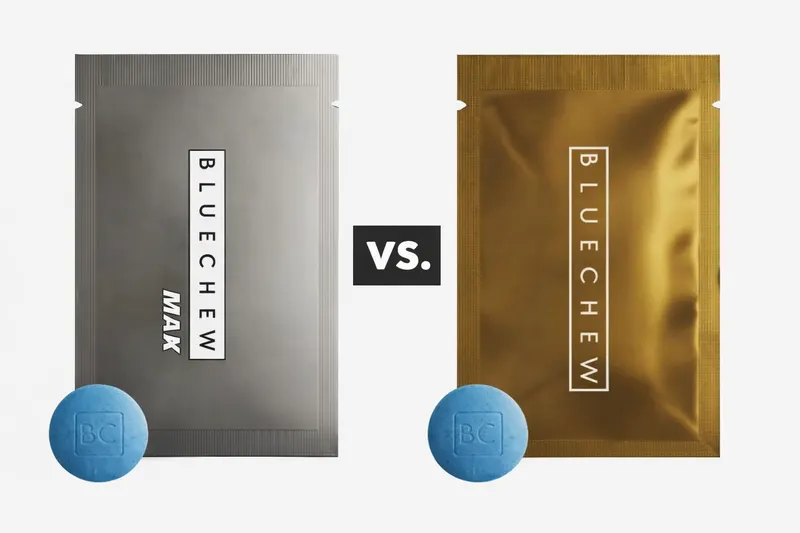
New customers can currently choose from MAX or GOLD after an online provider review. MAX and GOLD are available as sublingual tablets and may last up to 36 hours. SIL, VAR, TAD, DailyTAD, ENERGY, and VMAX are legacy plans available only to existing BlueChew subscribers already enrolled in those plans.
Telemedicine Platforms
Many men delay care because they feel uncomfortable talking about ED in person. Telemedicine can make the first step easier by allowing patients to complete an online intake, receive a provider review, and, if prescribed, get medication delivered discreetly.
This can make care feel more approachable for men who have been avoiding an in-person conversation.
Counseling and Sex Therapy
For stress-related ED, performance anxiety, or relationship tension, therapy can be helpful. A Journal of Sexual Medicine article on psychosexual counseling describes counseling as a potential complement to pharmacotherapy for some men with ED. Sex therapy may focus on reducing performance pressure, rebuilding confidence, improving communication, and expanding intimacy beyond intercourse.
Lifestyle Modifications
Sometimes treatment also involves addressing underlying health habits. A 2026 systematic review and network meta-analysis in Sexual Medicine Reviews evaluated non-pharmacological interventions for ED, including lifestyle and behavioral approaches.
Lifestyle areas to discuss with a provider include:
- Regular physical activity
- Heart-healthy eating
- Smoking cessation
- Reducing heavy alcohol intake
- Stress management
- Better sleep
These changes can support overall health and may improve erectile function for some men, especially when ED overlaps with cardiovascular or metabolic risk factors.
Lifestyle Changes and Natural Approaches for Men’s Sexual Health
Lifestyle changes are not a guaranteed cure for ED, but they can support erectile health, cardiovascular health, mood, and energy. They may be especially helpful when ED overlaps with vascular risk factors, weight changes, poor sleep, smoking, heavy alcohol use, or chronic stress.
Diet improvements that may support overall health:
- A Mediterranean-style eating pattern with fruits, vegetables, whole grains, legumes, nuts, and healthy fats
- More nutrient-dense meals and fewer highly processed foods
- Moderation with added sugar and excess sodium
- Balanced meals that support cardiovascular health
Exercise benefits:
Physical activity can support cardiovascular health, which is closely tied to erectile function. A systematic review and meta-analysis in The Journal of Sexual Medicine found that lifestyle interventions centered on diet and/or physical activity were associated with modest but statistically significant improvements in erectile function across randomized controlled trials.
Sleep and stress:
Poor sleep and chronic stress can affect mood, energy, and sexual response. A systematic review on obstructive sleep apnea and ED found evidence linking sleep apnea with erectile dysfunction and discussed possible vascular, neural, and hormonal pathways. Building a calmer routine, improving sleep habits, and addressing ongoing stress may make intimacy feel less pressured.
What to avoid:
- Heavy alcohol use: Alcohol can affect arousal, coordination, and sexual performance in the moment. If alcohol seems to make ED worse, reducing intake is worth discussing with a provider.
- Smoking: An updated review in Sexual Medicine Reviews found that cigarette smoking and ED are connected through vascular and endothelial pathways, and it also reviewed evidence on smoking cessation.
- Unverified “testosterone booster” supplements: Some products have limited evidence, inconsistent quality, or potential interactions.
- ED supplements with exaggerated claims: A systematic scoping review in Sexual Medicine found that counterfeit and nonregulated products used in sexual medicine commonly involve PDE5 inhibitor counterfeiting, which can create safety risks.
- Changing medications without a provider’s guidance: Medication changes should always be handled by a licensed healthcare professional.
Navigating Intimacy: Addressing Relationship Challenges Caused by ED
ED can affect more than intercourse. It can change how often you touch, flirt, kiss, or feel emotionally close. That is why maintaining intimacy during treatment matters.
Redefining Intimacy
It may help to separate intimacy from performance. Erection quality does not have to determine whether a moment is affectionate, meaningful, or pleasurable.
You can focus on:
- Kissing
- Cuddling
- Massage
- Oral or manual stimulation
- Showering together
- Date nights
- Honest conversations
- Nonsexual affection throughout the day
Practical Intimacy Strategies
Some couples benefit from slowing down and removing the expectation of intercourse for a while. This can reduce pressure and help both partners reconnect.
You might try:
- Touch without the goal of erection or penetration
- Taking turns focusing on pleasure
- Talking about what feels good
- Pausing when either partner feels anxious
- Reintroducing intercourse only when it feels comfortable
If the distance between you is growing, a sex therapist or couples counselor can help you rebuild communication and connection.
Why BlueChew Can Help Couples Navigate ED
When your husband is ready to explore treatment, BlueChew offers a discreet online path to compounded ED medications after a licensed provider review.
How BlueChew may support couples dealing with ED:
- Online intake: Patients can start the process from home.
- Licensed provider review: A provider reviews the patient’s information and determines whether treatment is appropriate.
- Discreet delivery: If prescribed, medication is shipped discreetly.
- Multiple formulation options: BlueChew offers chewable and sublingual compounded medications.
Understanding BlueChew’s Options
BlueChew provides prescription medications containing the active ingredients sildenafil, vardenafil, and tadalafil. Sildenafil, vardenafil, and tadalafil are the active ingredients in Viagra, Levitra, and Cialis, respectively.
BlueChew’s complete product lineup includes:
SIL, VAR, TAD, MAX, VMAX, and GOLD are available as a sublingual tablet. DailyTAD comes in a chewable tablet.
- SIL: 30 mg or 45 mg sildenafil, from $2.95/tablet, works in 30 minutes, lasting up to 6 hours
- TAD: 6 mg or 9 mg tadalafil, from $3.58/tablet, effective within 30 minutes, lasting up to 36 hours
- VAR: 8 mg vardenafil, from $4.34/tablet, takes effect in 30 minutes, lasting up to 6 hours
- DailyTAD: 9 mg tadalafil plus 7 essential vitamins, $2.23/tablet, lasting up to 36 hours
- MAX: 45 mg sildenafil + 18 mg tadalafil combo, $5.63/tablet, lasting up to 36 hours
- VMAX: 14 mg vardenafil + 18 mg tadalafil combo, $5.63/tablet, lasting up to 36 hours
- GOLD: sildenafil, tadalafil, oxytocin, and apomorphine sublingual tablet, from $7.30/tablet, lasting up to 36 hours
You can learn more in BlueChew’s guide to what BlueChew GOLD is and its article on how fast GOLD works.
To learn more about the platform, BlueChew’s guide to understanding BlueChew explains the process in more detail.
Frequently Asked Questions
How can I support my husband if he is experiencing ED?
Start by not taking it personally. Let him know you care about him and want to handle it together. Encourage him to speak with a healthcare provider, avoid pressure during intimacy, and keep affection alive outside of sex.
Are there different types of ED, and do they require different treatments?
Yes. ED can be organic, psychogenic, or mixed. Organic ED may involve blood flow, nerves, hormones, medications, or chronic health conditions. Psychogenic ED may involve stress, anxiety, depression, or relationship strain. Many men have more than one factor, so a medical review can help guide treatment.
Is ED permanent, or can it improve?
ED can often improve with the right approach. If it is related to stress, lifestyle habits, medication side effects, or a treatable health issue, addressing the underlying factor may help. If it is linked to a chronic condition, ED may still be manageable with medical guidance.
How quickly do BlueChew medications typically work?
Timing varies by product and person. SIL, VAR, TAD, DailyTAD, ENERGY, MAX, VMAX, and GOLD each have different active ingredients, formats, and duration windows. Some products work in about 15 minutes, and tadalafil-based options may last up to 36 hours.
Can BlueChew help if my husband is struggling with both physical and emotional aspects of ED?
BlueChew offers compounded medication options that a licensed provider can review for appropriateness. If emotional or relationship factors are also involved, counseling or sex therapy may be helpful alongside medical treatment.
This article is provided for informational purposes only and does not constitute medical advice. The information presented is not a substitute for professional medical advice, diagnosis, or treatment. Always consult your healthcare provider to discuss the risks, benefits, and appropriateness of any treatment.
BlueChew offers access to healthcare providers who may prescribe compounded medications for the treatment of erectile dysfunction.
The featured products include compounded medications that have not been approved by the FDA. Compounded medications may be prescribed under federal law but are not the same as, nor are they generic versions of, any FDA-approved medication. The FDA does not review compounded medications for safety, effectiveness, or manufacturing quality of compounded products. A prescription will only be written if deemed appropriate after the digital consultation by the licensed medical provider. Individual results may vary.
BlueChew is not a compounding pharmacy but a telemedicine service that links patients to licensed medical providers.
Other Helpful Articles