A Woman's Guide to Her Husband's ED

Discovering that your husband is experiencing erectile dysfunction can bring up a lot of feelings: confusion, concern, and maybe even self-doubt. But the most important thing to know is this: ED is common, treatable, and not a reflection of your attractiveness or your relationship. Research on the prevalence of impotence and its physiological and psychosocial correlates shows that erectile difficulties can be connected to both physical health and psychological factors, which means support and treatment can make a meaningful difference.
Understanding what is happening and how to support him through treatment can help both of you feel less pressure and more connected. Modern options like BlueChew offer discreet access to prescription compounded ED medications after an online provider review. Depending on plan availability and subscriber status, BlueChew’s product lineup includes sublingual tablets.
Key Takeaways
- Erectile dysfunction is common and can affect men for physical, psychological, or mixed reasons.
- ED is often linked to blood flow, nerve signaling, hormone levels, medications, stress, or relationship pressure.
- PDE5 inhibitors are commonly used for ED because they support the blood-flow process involved in erections.
- A supportive partner can make it easier for a man to talk about ED, seek care, and stay open to treatment options.
- BlueChew offers prescription compounded ED medications after an online provider review.
Understanding Erectile Dysfunction: What's Actually Happening
To support your husband effectively, it helps to understand what erectile dysfunction actually is. An erection involves coordination between the brain, nerves, hormones, blood vessels, and smooth muscle tissue. A review on normal erectile function explains that disruptions in psychological, neurological, hormonal, vascular, or cavernosal factors can contribute to ED.
ED does not automatically mean your husband is not attracted to you. It is usually a health and physiology issue, though stress and anxiety can make it feel more personal for both partners.
The Common Root Causes of ED
ED can come from one factor or a mix of several.
Vascular, or Blood Flow, Issues
Blood flow plays a major role in erections. Conditions that affect the blood vessels, including heart disease, diabetes, high blood pressure, and obesity, can make erections more difficult. A 2025 review in Sexual Medicine Reviews describes ED as a potential cardiovascular disease risk marker because ED and cardiovascular disease can share vascular and molecular pathways.
Neurogenic, or Nerve, Factors
Nerve signals are part of the erection process. Reviews of neurogenic ED discuss how prostate surgery, spinal cord injuries, multiple sclerosis, diabetes-related nerve damage, and other neurological conditions may interfere with those signals.
Hormonal Factors
Low testosterone, thyroid disorders, and other hormonal changes can affect sexual function. Hormones may influence desire, energy, mood, and erectile function, so a medical evaluation can help identify whether testing is appropriate.
Psychological Factors
Performance anxiety, stress, depression, and relationship tension can all contribute to ED. A systematic review of ED in men with anxiety disorders found that anxiety and erectile difficulties often overlap, which is one reason emotional pressure can become part of the pattern even when ED starts with a physical cause.
How Lifestyle Factors Contribute
Everyday habits can also affect erectile health. Smoking, heavy alcohol use, poor sleep, low physical activity, and chronic stress can all work against the blood flow and nervous-system response involved in erections.
Lifestyle changes may not replace medical treatment for every man, but they can support overall health and may improve erectile function over time.
Identifying Medications That May Cause ED
If your husband takes prescription medication, it may be worth asking a medical provider whether any of them could be affecting sexual function. A study based on the Massachusetts Male Aging Study examined associations between commonly used drugs and ED, including medication categories used for blood pressure, mood, and other conditions.
Common medication categories to discuss with a provider include:
- Antidepressants, especially some SSRIs
- Blood pressure medications, including some beta-blockers and diuretics
- Antihistamines
- Opioid pain medications
- Sedatives and anti-anxiety medications
- Some prostate medications
He should not stop or change a prescription on his own. A provider may be able to adjust the dose, switch medications, or recommend an ED treatment that works safely with his current health plan.
Navigating Treatment Options: Modern Approaches to ED
ED treatment has expanded, and many men can find an option that fits their health needs and lifestyle.
First-Line Treatments
PDE5 Inhibitors
PDE5 inhibitors are a common first-line treatment for ED. These medications work by supporting the nitric oxide and cGMP pathway involved in penile blood flow during sexual stimulation. They do not create arousal on their own, but they can help the body respond more effectively when arousal is already present.
BlueChew provides prescription compounded medications containing the active ingredients sildenafil, vardenafil, and tadalafil. Sildenafil, vardenafil, and tadalafil are the active ingredients in Viagra, Levitra, and Cialis, respectively.
Different active ingredients, formulations, and doses can have different timing and duration characteristics. A provider can help determine which treatment option is appropriate based on a patient’s health history, current medications, and goals.
Lifestyle Modifications
Exercise, weight management, stress reduction, and better sleep can also support erectile function. A systematic review and meta-analysis in The Journal of Sexual Medicine found that aerobic exercise resulted in statistically significant improvements in erectile function, with greater improvements among men who had lower erectile-function scores at baseline.
These changes usually work best when they are realistic and sustainable. They can also support heart health, mood, and energy outside the bedroom.
The Role of Telemedicine
One barrier to ED care is that many men feel uncomfortable bringing it up in person. Telemedicine can reduce that barrier by allowing patients to complete an online consultation, receive a provider review, and, if prescribed, have medication shipped discreetly.
This can make the first step feel more manageable, especially for men who have been avoiding the conversation.

Supporting Your Partner: What You Can Do
Your support can make a meaningful difference. The goal is not to pressure him into treatment. It is to help create a calm, nonjudgmental space where he can talk honestly and consider options.
Opening the Conversation
Choose a neutral time when neither of you is upset, rushed, or in the middle of a sexual moment. Keep the focus on connection, not blame.
Helpful conversation starters:
- “I’ve noticed intimacy has felt stressful lately. Can we talk about what’s been going on?”
- “I care about you and our connection. I want us to handle this together.”
- “I read that erectile changes are common and treatable. Would you feel open to looking into options?”
What to avoid:
- Blaming language, such as “You never...”
- Making it about whether you are attractive enough
- Comparing him to other men or to his younger self
- Minimizing the issue by saying it is “just” a pill problem
Managing Your Own Feelings
It is natural to wonder whether ED means he is less interested in you. In many cases, though, erectile function and attraction are separate. ED can happen even when desire and emotional connection are still present.
If the situation is affecting your confidence, try to name that feeling without making him responsible for fixing it at the moment. You might say, “I know this is not about blaming either of us, but I’m feeling insecure and I want us to stay connected while we figure it out.”
Maintaining Intimacy During Treatment
Treatment can involve some trial and adjustment. During that time, expanding intimacy beyond intercourse can reduce pressure and help you both stay close.
You might focus on:
- Longer foreplay
- Sensual touch or massage
- Oral or manual stimulation
- Kissing, cuddling, and emotional closeness
- Intimacy without a goal of intercourse every time
Some couples also explore sensate focus, a sex-therapy technique that temporarily removes performance goals and encourages touch, pleasure, and connection. A licensed sex therapist can guide this process if anxiety or relationship tension is getting in the way.
For more ideas, BlueChew’s guide on what to do when your partner can’t get it up offers additional partner-focused support.
Beyond the Physical: Addressing Psychological Aspects
Even when ED has a physical cause, psychological pressure can become part of the pattern. After one or two difficult experiences, a man may start worrying that it will happen again. That worry can make arousal harder and reinforce the cycle.
The Mind-Body Connection
Sexual arousal starts in the brain and depends on communication between the nervous system, blood vessels, and erectile tissue. Stress and anxiety can interfere with sexual response, and research on anxiety disorders has found higher rates of ED among men with anxiety disorders. That is why reducing pressure can help, even when medication is also part of the plan.
When to Consider Professional Support
A therapist, sex therapist, or couples counselor may help if:
- Performance anxiety continues even when medication helps physically
- ED is creating recurring conflict
- Either partner feels rejected, ashamed, or disconnected
- Depression, trauma, or major stress may be contributing
- You both want help talking about sex more openly
Professional support does not mean the relationship is failing. It is another form of care.
Natural Approaches and Lifestyle Changes
Lifestyle habits can support erectile health and may improve treatment results for some men. A systematic review and meta-analysis in The Journal of Sexual Medicine found that diet and/or physical activity interventions were associated with modest but statistically significant improvements in erectile function.
Evidence-based approaches include:
- Regular aerobic exercise: Walking, cycling, swimming, or other cardio can support blood flow and overall cardiovascular health.
- Strength and mobility work: Resistance training and general movement can support energy, confidence, and metabolic health.
- A heart-healthy eating pattern: Eating patterns that support cardiovascular health may also support erectile health, especially when ED overlaps with metabolic or vascular risk factors.
- Stress management: Breathing exercises, meditation, therapy, and better boundaries around work stress can help lower pressure.
- Quality sleep: Sleep problems, including sleep apnea, may overlap with ED and other sexual-function concerns.
- Limiting alcohol: Research on alcohol consumption and ED suggests the relationship can vary by amount and pattern of use, so heavy or frequent drinking is worth discussing with a provider.
- Quitting smoking: Reviews of smoking cessation and ED have found evidence supporting benefits for erectile function in some men.
Be cautious with herbal supplements marketed for ED. A review of sexual-performance supplements found that some products labeled “herbal” or “natural” may be adulterated with undisclosed PDE5 inhibitor drugs, so a medical provider can help him choose safer, evidence-based options.
How BlueChew Helps Couples Address ED Together
BlueChew offers an online telemedicine platform that connects patients with licensed medical providers for prescription compounded ED medications. The service is designed to make treatment more accessible, discreet, and convenient.
Understanding BlueChew's Options
BlueChew provides prescription medications containing the active ingredients sildenafil, vardenafil, and tadalafil. Sildenafil, vardenafil, and tadalafil are the active ingredients in Viagra, Levitra, and Cialis, respectively.
BlueChew offers sublingual medications, giving eligible patients different formats to discuss with a provider.
BlueChew’s complete product lineup includes:
- SIL: 30 mg or 45 mg sildenafil, from $2.95/tablet, works in 15 minutes, lasting up to 6 hours
- TAD: 6 mg or 9 mg tadalafil, from $3.58/tablet, effective within 15 minutes, lasting up to 36 hours
- VAR: 8 mg vardenafil, from $4.34/tablet, takes effect in 15 minutes, lasting up to 6 hours
- DailyTAD: 9 mg tadalafil plus 7 essential vitamins, $2.23/tablet, lasting up to 36 hours
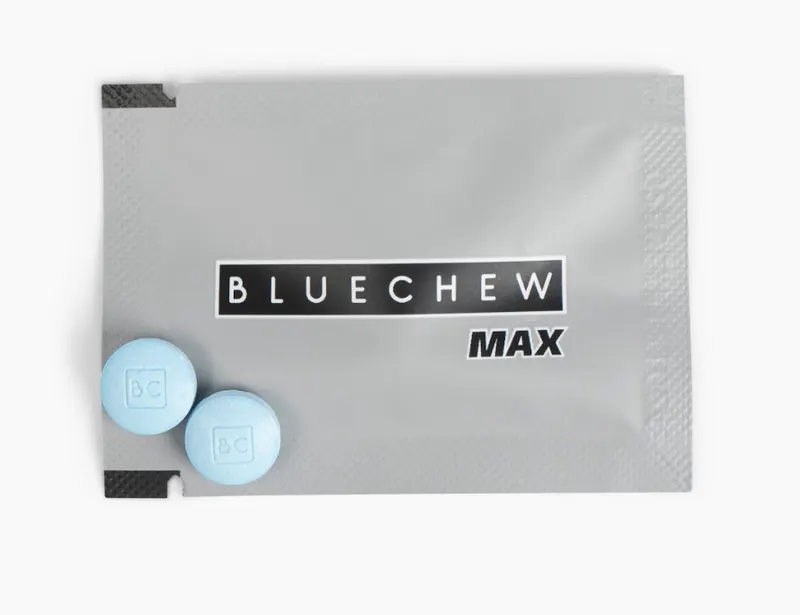
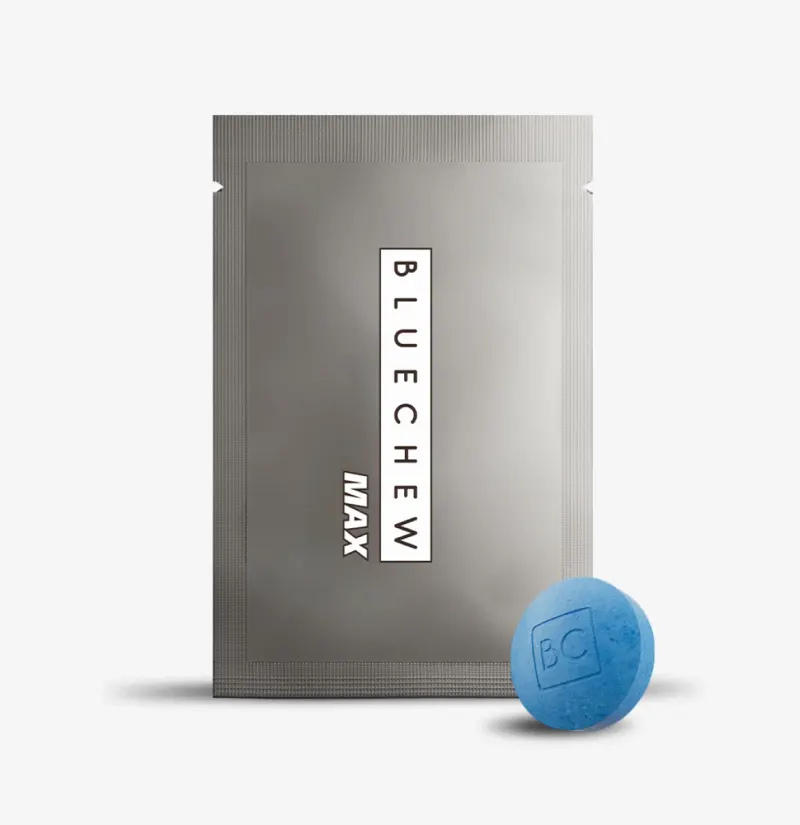
- MAX: 45 mg sildenafil + 18 mg tadalafil combo, $5.63/tablet, lasting up to 36 hours
- VMAX: 14 mg vardenafil + 18 mg tadalafil combo, $5.63/tablet, lasting up to 36 hours
- GOLD: sildenafil, tadalafil, oxytocin, and apomorphine sublingual tablet, from $7.30/tablet, lasting up to 36 hours
GOLD is a sublingual tablet that includes sildenafil, tadalafil, oxytocin, and apomorphine. You can learn more in BlueChew’s guide to what BlueChew GOLD is and its article on how fast GOLD works.

Frequently Asked Questions
How can I tell if my husband is experiencing ED?
Signs can include difficulty getting or maintaining an erection firm enough for sex, reduced firmness, or avoiding intimacy because sex feels stressful. Some men will not bring it up directly because they feel embarrassed. A calm, supportive conversation can make it easier for him to open up.
Are compounded ED medications safe to use?
Compounded ED medications may be appropriate for some patients when prescribed by a licensed provider after a medical review. BlueChew’s medications are compounded medications, and compounded medications are not FDA-approved. The safest approach is to provide a complete medical history, list all current medications, and follow the prescribing provider’s instructions.
Can lifestyle changes really help with erectile dysfunction?
Yes, lifestyle changes can help some men, especially when ED is related to blood flow, weight, stress, sleep, or cardiovascular risk. Regular aerobic exercise has evidence behind it, and healthier sleep, smoking cessation, moderation with alcohol, and stress management can also support sexual health. These changes may take time, and they may work best alongside medical care.
How quickly do BlueChew products work?
Timing varies by formulation and by person. Sublingual options work in 15 minutes. Chewable medications kick in after approximately 30 minutes.
This article is provided for informational purposes only and does not constitute medical advice. The information presented is not a substitute for professional medical advice, diagnosis, or treatment. Always consult your healthcare provider to discuss the risks, benefits, and appropriateness of any treatment.
BlueChew offers access to healthcare providers who may prescribe compounded medications for the treatment of erectile dysfunction.
The featured products include compounded medications that have not been approved by the FDA. Compounded medications may be prescribed under federal law but are not the same as, nor are they generic versions of, any FDA-approved medication. The FDA does not review compounded medications for safety, effectiveness, or manufacturing quality of compounded products. A prescription will only be written if deemed appropriate after the digital consultation by the licensed medical provider. Individual results may vary.
BlueChew is not a compounding pharmacy but a telemedicine service that links patients to licensed medical providers.
Other Helpful Articles